Current Overwintering Status
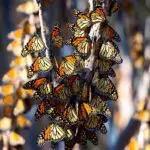
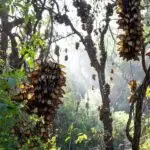
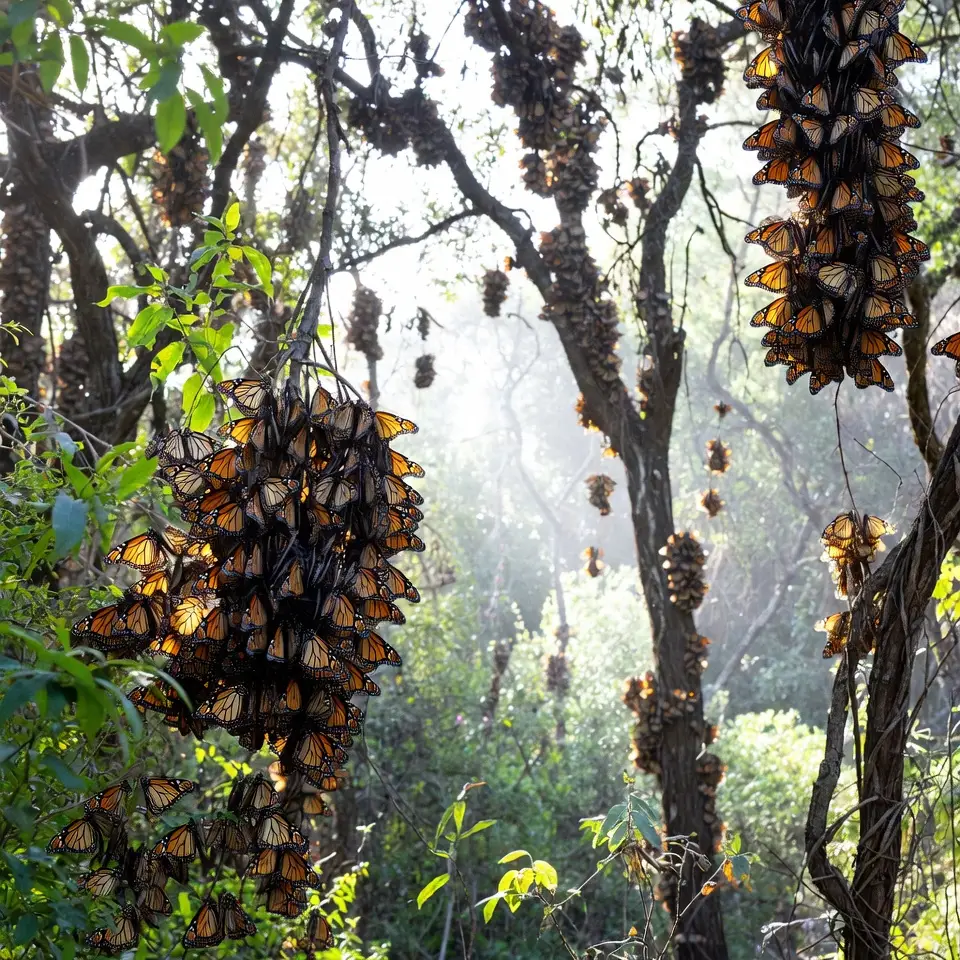
For the eastern monarch population, which primarily overwinter in the oyamel fir forests of central Mexico, recent reports indicate cautious optimism. The 2024-2025 overwintering season saw a significant increase, with monarchs occupying approximately 1.79 hectares—an near doubling from the previous year’s 0.9 hectares. This uptick, announced in early 2025, reflects improved breeding conditions and habitat restoration efforts in prior years. For the current 2025-2026 season, monarchs began arriving at key sites like the El Rosario and Sierra Chincua sanctuaries in the Monarch Butterfly Biosphere Reserve as early as November 2025, with public access opening on November 22. Full population estimates for this winter are expected by late January or February 2026, but initial observations suggest continued stability, building on the positive momentum from last year.
In contrast, the western monarch population, which clusters along California’s coastal groves, faces more concerning trends. Mid-season counts in December 2025 tallied around 8,000 individuals, indicating another low year similar to recent seasons. Sites such as those in Pacific Grove and Pismo Beach have seen gatherings, but overall numbers remain well below historical averages, with experts warning of a high risk of quasi-extinction if populations dip below 30,000 annually. The U.S. Fish and Wildlife Service’s proposal in December 2024 to list the monarch as threatened under the Endangered Species Act highlights the urgency, including provisions for habitat protection.
To visualize these overwintering phenomena, consider the dense clusters formed in Mexico’s forests and California’s groves:
Key Threats to Monarch Populations
Despite some positive indicators for eastern monarchs, both populations continue to grapple with significant threats. Habitat loss due to deforestation, urban development, and agricultural expansion remains a primary concern, particularly in Mexico’s biosphere reserves and California’s coastal areas. Widespread pesticide use, including neonicotinoids, directly impacts larval survival by contaminating milkweed host plants. Additionally, climate change exacerbates these issues through extreme weather events, altered migration patterns, and increased parasite prevalence, such as from Ophryocystis elektroscirrha. In Louisiana and other Gulf states, where some monarchs overwinter locally, similar pressures from habitat fragmentation threaten non-migratory populations.
Opportunities for Conservation and Innovation
On a brighter note, conservation initiatives are yielding results. Organizations like the Xerces Society and Monarch Joint Venture are actively restoring overwintering sites and promoting citizen science programs, such as the Western Monarch Count and Journey North, which enable individuals to contribute data on sightings and breeding. Innovative techniques, including wing transplants for injured butterflies, demonstrate advances in rehabilitation that align with our “Rescue” ethos. Moreover, the proposed federal protections could enhance legal safeguards, encouraging broader habitat management.
Practical Advice for Enthusiasts
As spring approaches, there are several steps you can take to support monarch conservation:
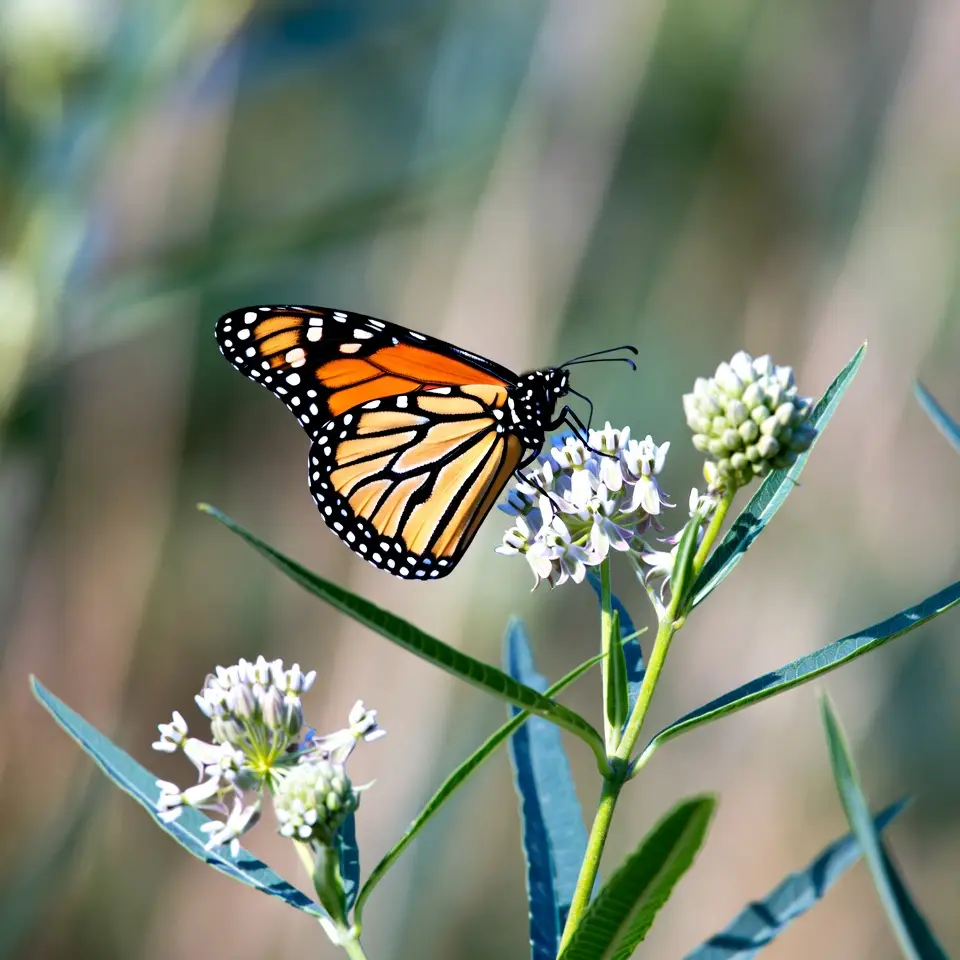
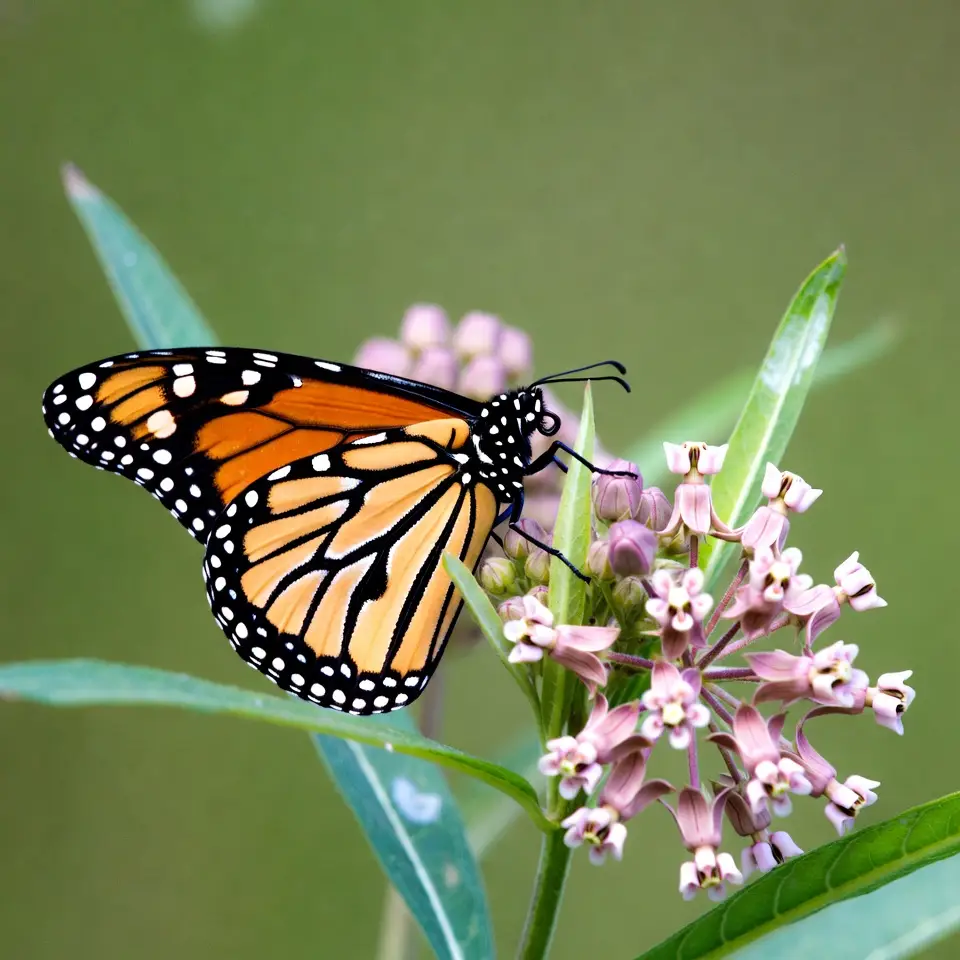
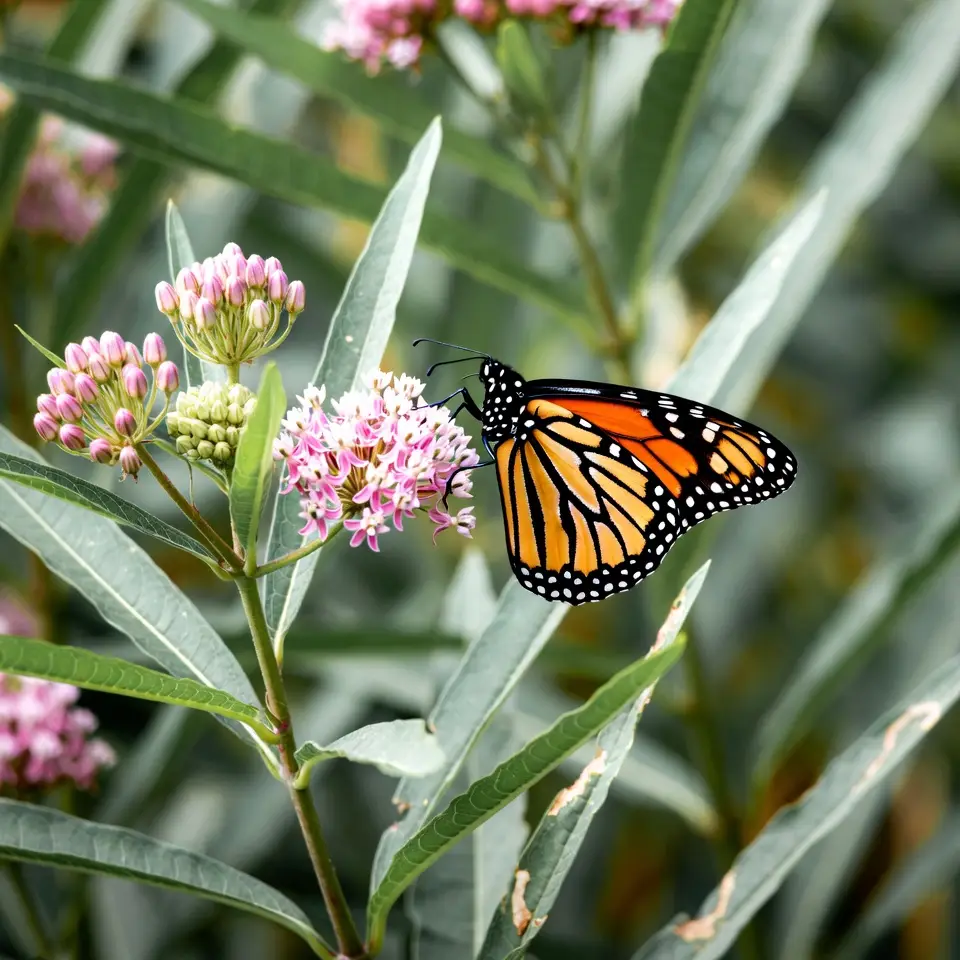
- Plant Native Milkweed: Establish or expand gardens with species like Asclepias syriaca or Asclepias curassavica to provide essential larval food sources. Aim for pesticide-free zones to maximize benefits.
- Participate in Monitoring: Join programs from Monarch Watch or the Xerces Society to report observations, contributing to real-time data on migration and overwintering.
- Advocate for Policy: Contact policymakers to support the monarch’s threatened listing and funding for habitat restoration. Simple actions, such as signing petitions or attending local events, can amplify impact.
- Educate and Engage: Share knowledge with your community, perhaps by organizing a “Rescue, Raise, & Release” workshop inspired by my book, Rescue, Raise, & Release: Create Your Own Monarch Butterfly Experience.

Our Western North Carolina garden club is featuring pollinators.. in particular monarchs, as our theme for this year. We are planning to learn how to raise and release monarchs. I look forward to learning more from your website and your book!
Great to hear. I hope the best for y’all.