Now is the time that we are or should be working our flowerbeds. Planning, or at least most of it, is done. Start working the soil, designing and redisgning the beds, and propogating seeds.
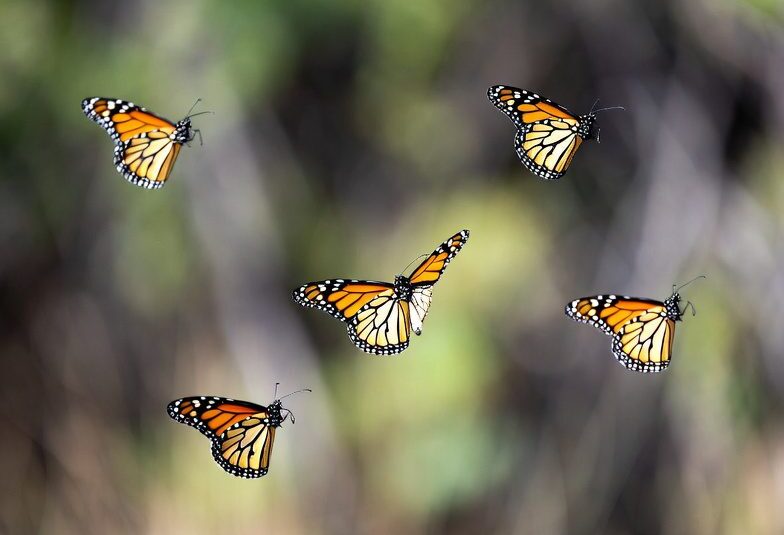
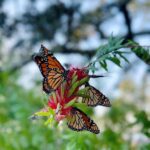
As the overwintering season concludes in central Mexico, monarch butterflies commence their northward migration, with the first arrivals anticipated in Louisiana around late March 2026. This multigenerational journey relies on suitable habitats for breeding and sustenance, making garden preparation a vital contribution to their conservation. At MonarchButterflyWrangler.com, we advocate the “Rescue, Raise, & Release” approach, emphasizing proactive measures to support these pollinators. This post outlines key strategies for readying your garden, with a focus on Louisiana-adapted practices, including host and nectar plant suggestions to facilitate the butterflies’ return.
Understanding the Spring Return Migration
The eastern monarch population, which overwinters in Mexico’s oyamel fir forests, begins its northward progression in late February or early March, reaching Louisiana as an important stopover for breeding. Here, adult females lay eggs on milkweed plants, initiating the first generation of the year. Subsequent generations continue northward, requiring abundant nectar sources for energy and milkweed for larval development. In Louisiana, the migration aligns with warming temperatures and emerging vegetation, typically peaking in late March through May. Climate variations may influence timing, but gardeners can monitor progress through resources such as Journey North or Monarch Watch to adjust preparations accordingly.
Essential Gardening Tips for Preparation
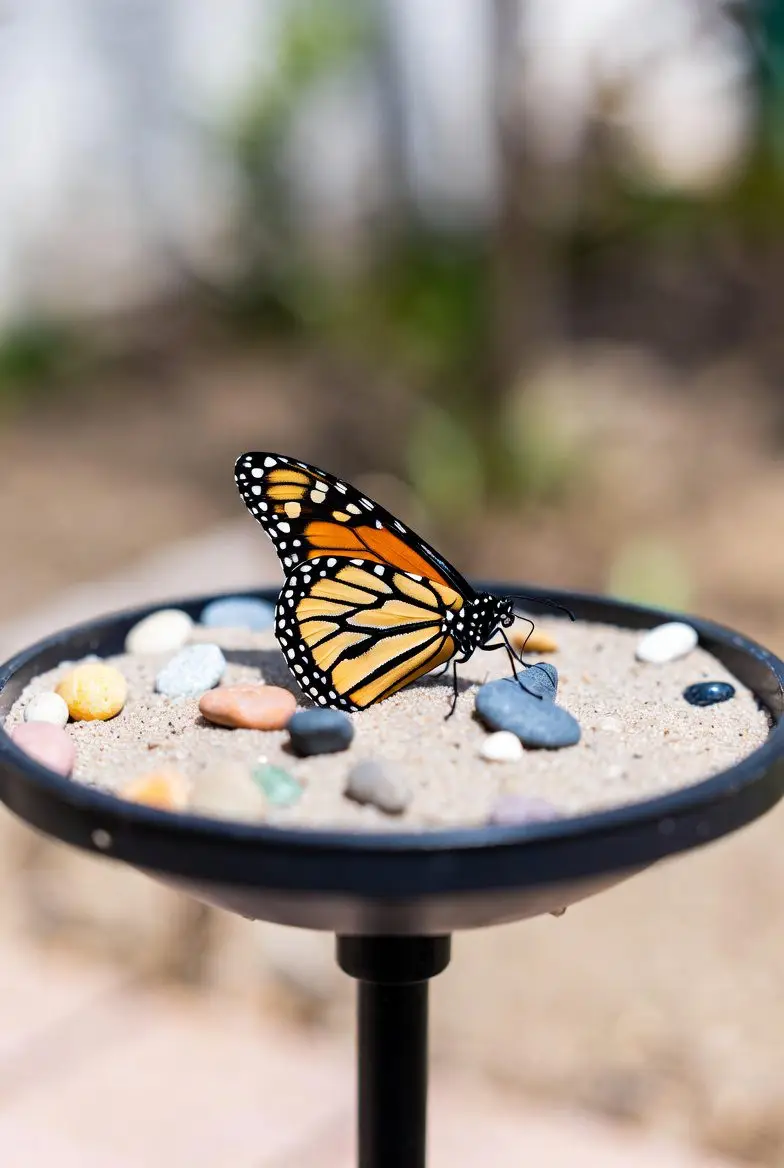
To create a welcoming habitat, begin assessments in late winter. Inspect existing gardens for overwintered perennials, pruning as necessary to promote healthy growth and remove potential pests. Incorporate native plants to enhance resilience and attract local pollinators, while avoiding chemical pesticides that can harm butterflies and caterpillars. Designate sheltered areas with diverse plant heights to provide wind protection and varied foraging opportunities. For water features, include shallow puddling stations with moist sand or mud, as monarchs require hydration alongside nectar. In Louisiana, prioritize humidity-tolerant and flood-resistant species to withstand variable spring conditions, and plant in clusters to facilitate easier location by migrating butterflies.
Recommended Host Plants: Milkweeds for Larval Support
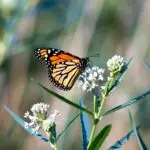
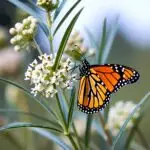
Milkweed serves as the exclusive host plant for monarch caterpillars, providing essential foliage for feeding and toxin accumulation that deters predators. In Louisiana, native varieties are preferable for ecological compatibility. Consider planting Asclepias incarnata (swamp milkweed), which thrives in moist areas statewide, or Asclepias perennis (aquatic milkweed) for wetland-adapted gardens, particularly in coastal regions. Asclepias syriaca (common milkweed) performs well in northern Louisiana, while Asclepias tuberosa (butterflyweed) offers vibrant orange flowers and suits well-drained soils. Plant at least three to five specimens per variety in sunny locations, spacing them 18-24 inches apart to accommodate growth. Availability of native milkweed has declined in Louisiana, so sourcing from local nurseries or propagating from seeds in late winter is advisable.
Suggestions for Nectar and Pollinator Plants
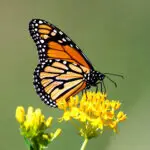
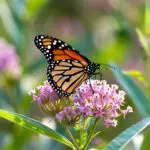
Adult monarchs depend on nectar-rich flowers for energy during migration and breeding. Select a succession of blooming plants to ensure continuous resources from early spring onward. In Louisiana, recommended options include Lantana camara (lantana), which offers clustered blooms attractive to butterflies, and Salvia greggii (autumn sage) for its red tubular flowers that provide ample nectar. Echinacea purpurea (purple coneflower) supports a range of pollinators with its daisy-like structure, while Zinnia elegans (zinnia) adds colorful, easy-to-grow annuals. For native perennials, incorporate Aster species or Solidago (goldenrod) to extend foraging into late spring. These plants not only aid monarchs but also benefit bees and other insects, fostering biodiversity.
Additional Conservation Considerations
Beyond planting, participate in citizen science initiatives to track monarch arrivals and contribute data that informs broader conservation efforts. Register your garden as a Monarch Waystation through Monarch Watch to certify its supportive features. In urban Louisiana settings, such as those in Bossier City or Shreveport, integrate container gardening for limited spaces, using pots with milkweed and nectar sources on patios or balconies.





Comments (0)