The Triumphant Return: Monarch Butterflies Begin Their Northward Migration – Spring 2026
A Journey No Single Butterfly Completes Alone**
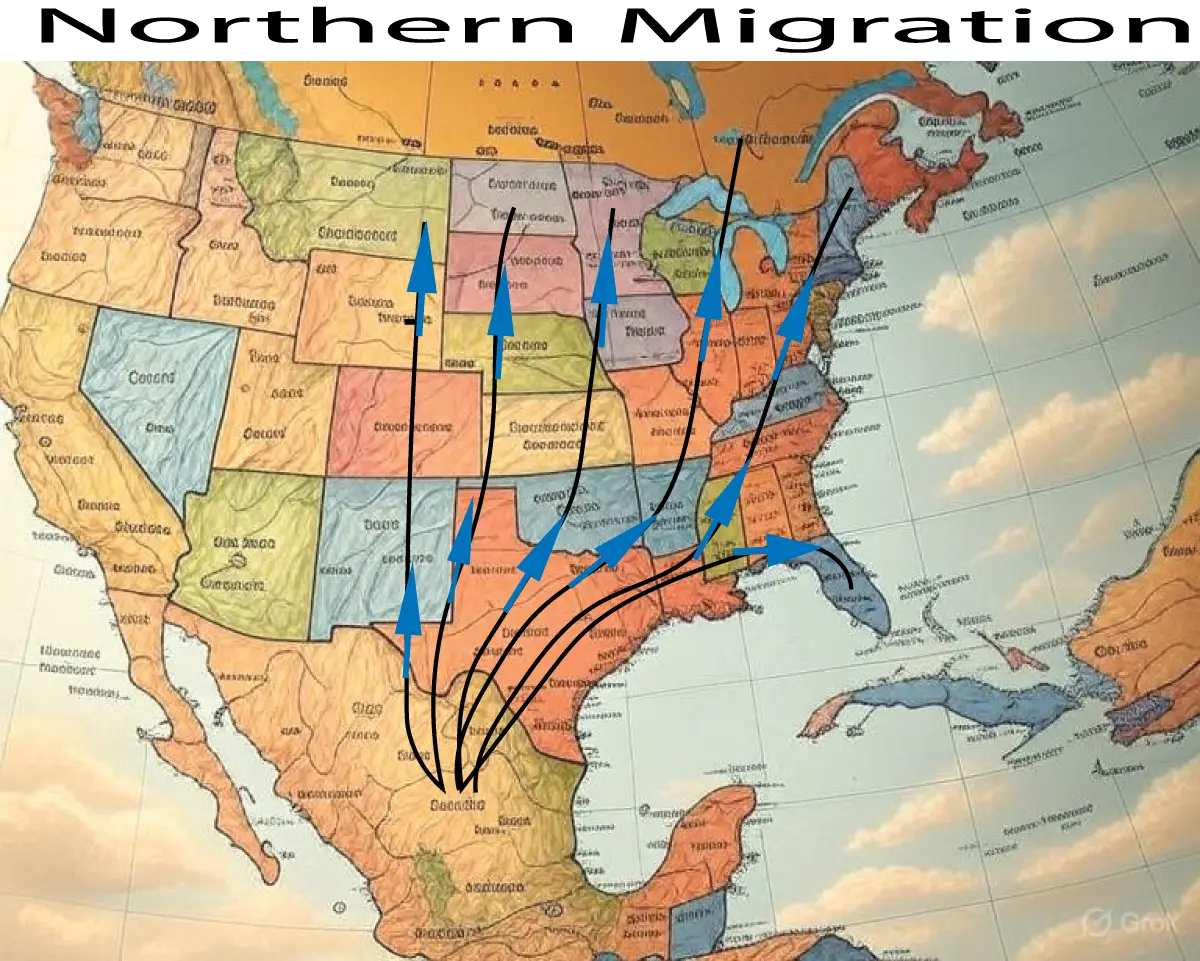
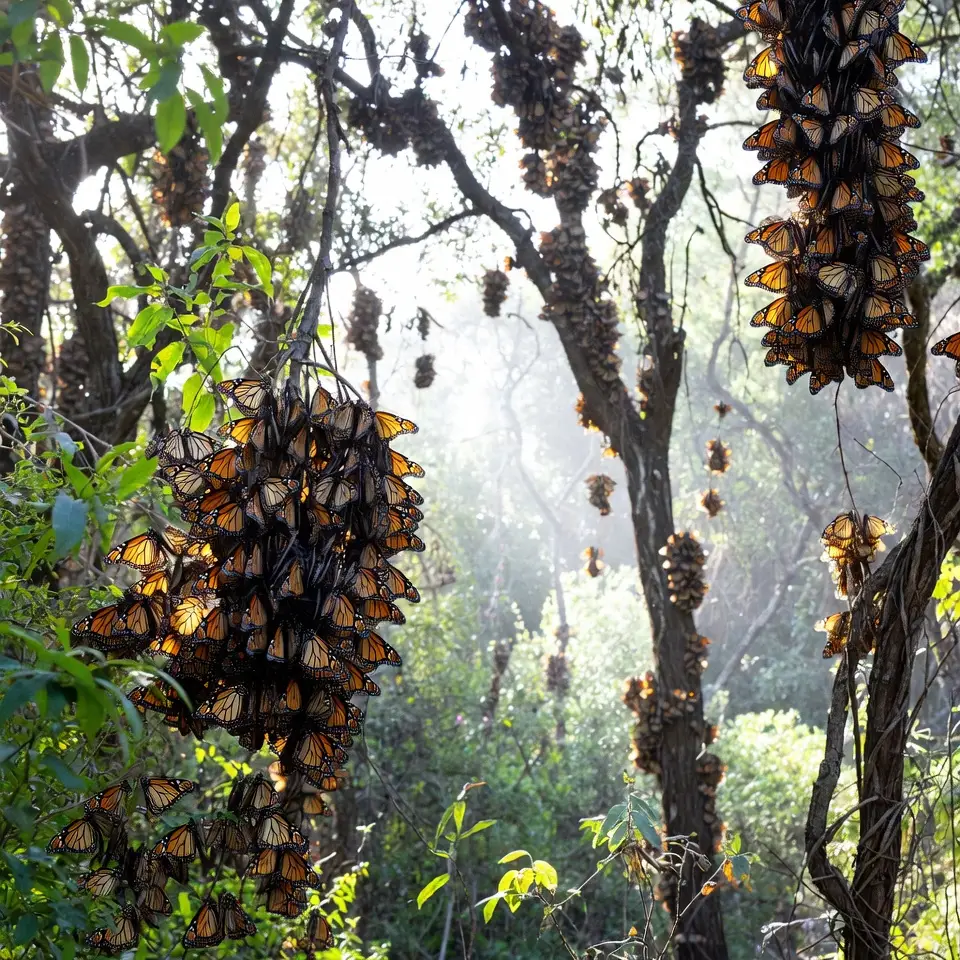
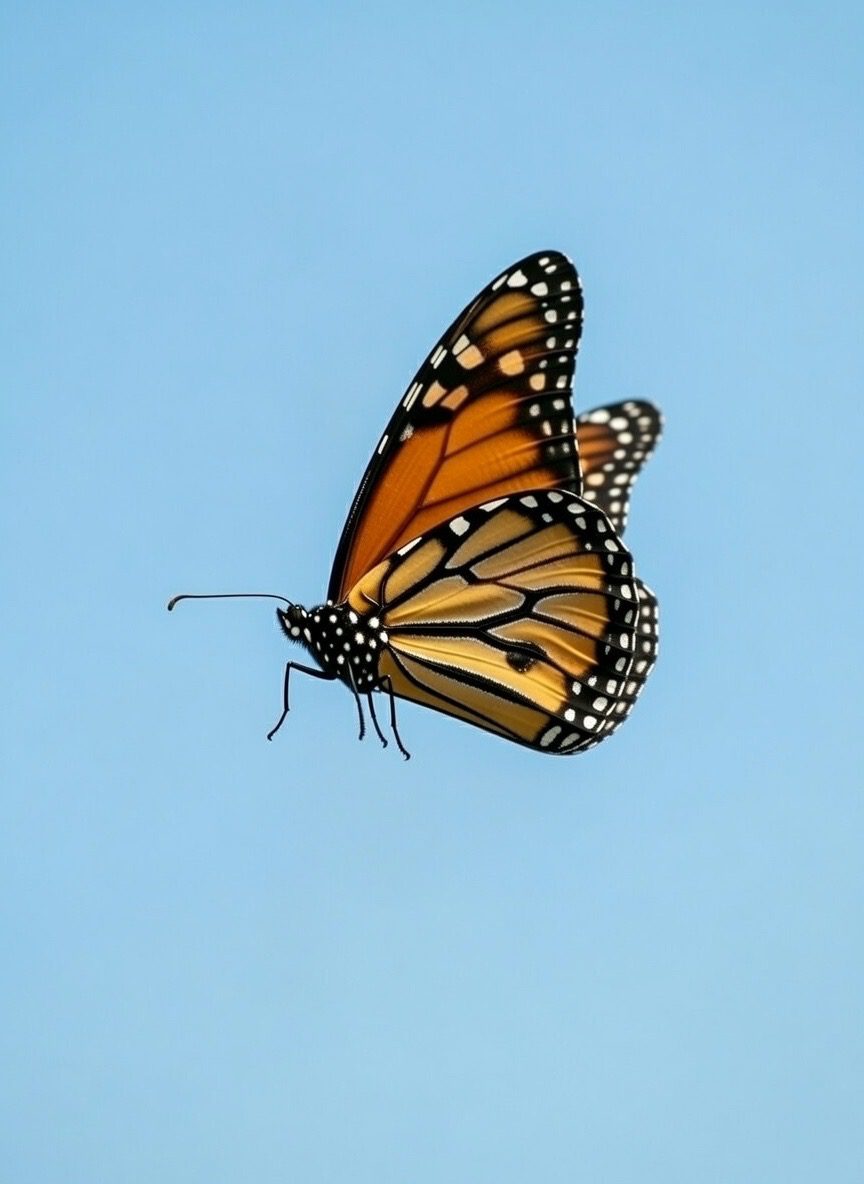
Each year, the “super-generation” monarchs that survived the winter in Mexico’s oyamel fir forests launch the return trip north. These butterflies can travel up to 2,000 miles, riding warm spring winds and stopping to nectar and lay eggs on milkweed.
No one monarch ever makes the full round trip. Instead, it’s a relay across four generations:
– Generation 0 (overwintering) flies north and breeds in Texas and the southern U.S.
– Generation 1 continues farther north in late spring.
– Generation 2 pushes into the Midwest and Northeast by early summer.
– Generation 3 reaches southern Canada and begins the cycle that will eventually send their great-grandchildren south again in the fall.
Together, they cover up to 3,000 miles in a single season—an epic insect odyssey found nowhere else on Earth.
First Sightings Are Coming Soon
The very first pioneers usually appear in Texas and the Gulf Coast in late February or March. By April, they’ll be fluttering through gardens, fields, and roadsides across the southern U.S., often in colorful waves.
If the current winter reports hold, we could see an especially strong wave this year. Keep your eyes open—and your milkweed ready!
Why This Migration Matters More Than Ever
Monarchs are vital pollinators and living barometers of ecosystem health. Their journey depends on three things: climate cues, nectar sources, and—most critically—milkweed, the only plant their caterpillars can eat.
Every sighting, every milkweed patch, and every pesticide-free garden helps tip the scales in their favor.
5 Simple Ways You Can Help the Monarchs Right Now
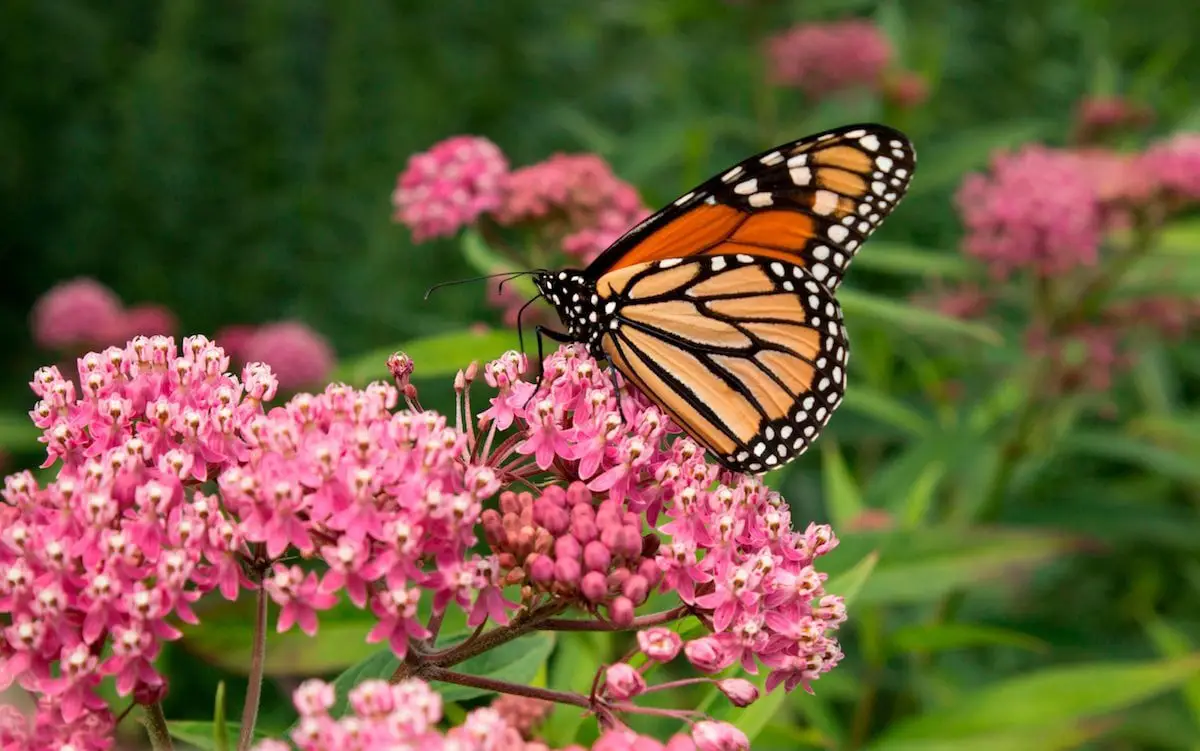
1. Plant Native Milkweed – Choose regionally appropriate species (common milkweed in the Midwest, swamp milkweed in the East, showy milkweed in the West). Even a few plants make a huge difference.
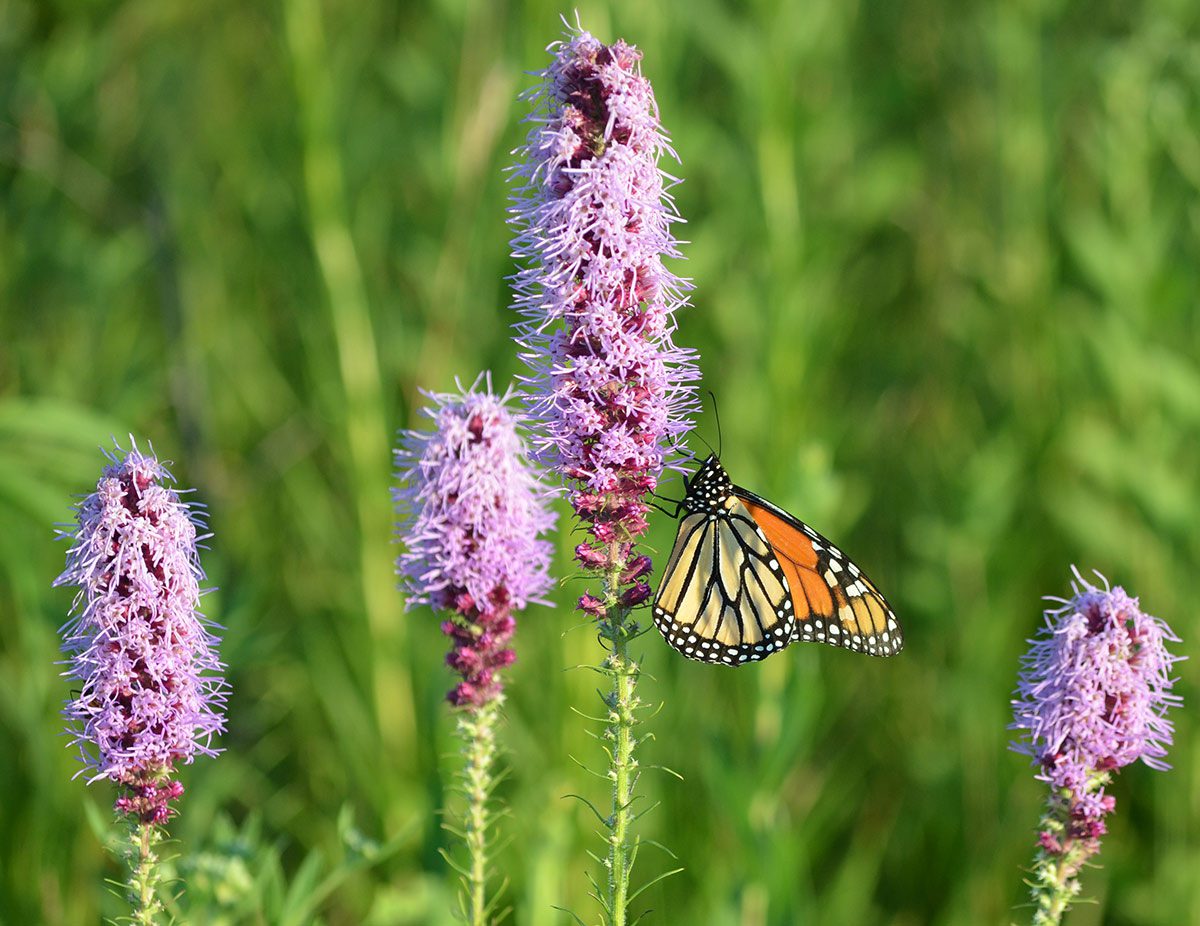
2. Add Nectar-Rich Flowers – Zinnias, coneflowers, lantana, and Joe-Pye weed keep adults fueled during migration.
3. Skip the Pesticides – Especially neonicotinoids and broad-spectrum sprays.
4. Report Your Sightings – Submit first sightings, eggs, and larvae to Journey North (journeynorth.org) or Monarch Watch. Your observations help scientists track the migration in real time.
5. Share the Wonder – Post your photos, tag #MonarchButterflyWrangler, and inspire your neighbors to join the movement.
Welcome Back, Monarchs!
Whether you’re a seasoned wrangler who’s raised hundreds of caterpillars or you’re spotting your very first orange-and-black beauty this spring, this season belongs to all of us.
The monarchs are on their way. Let’s give them the welcome they deserve—plenty of milkweed, safe passage, and a whole lot of joy.
See you out there in the garden.
— Sam the Monarch Butterfly Sage.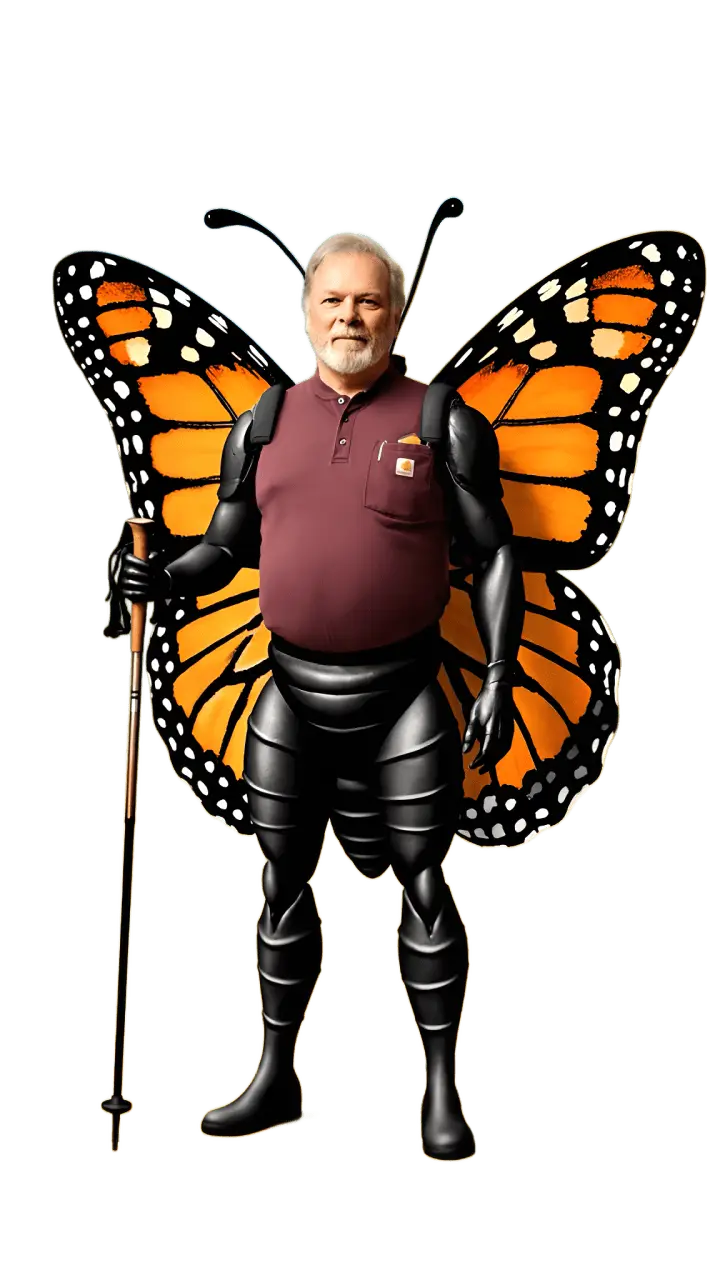
Comments (0)