First Sightings of Spring 2026: Tracking the Monarch Wave as It Moves North – What to Watch For in Your Area
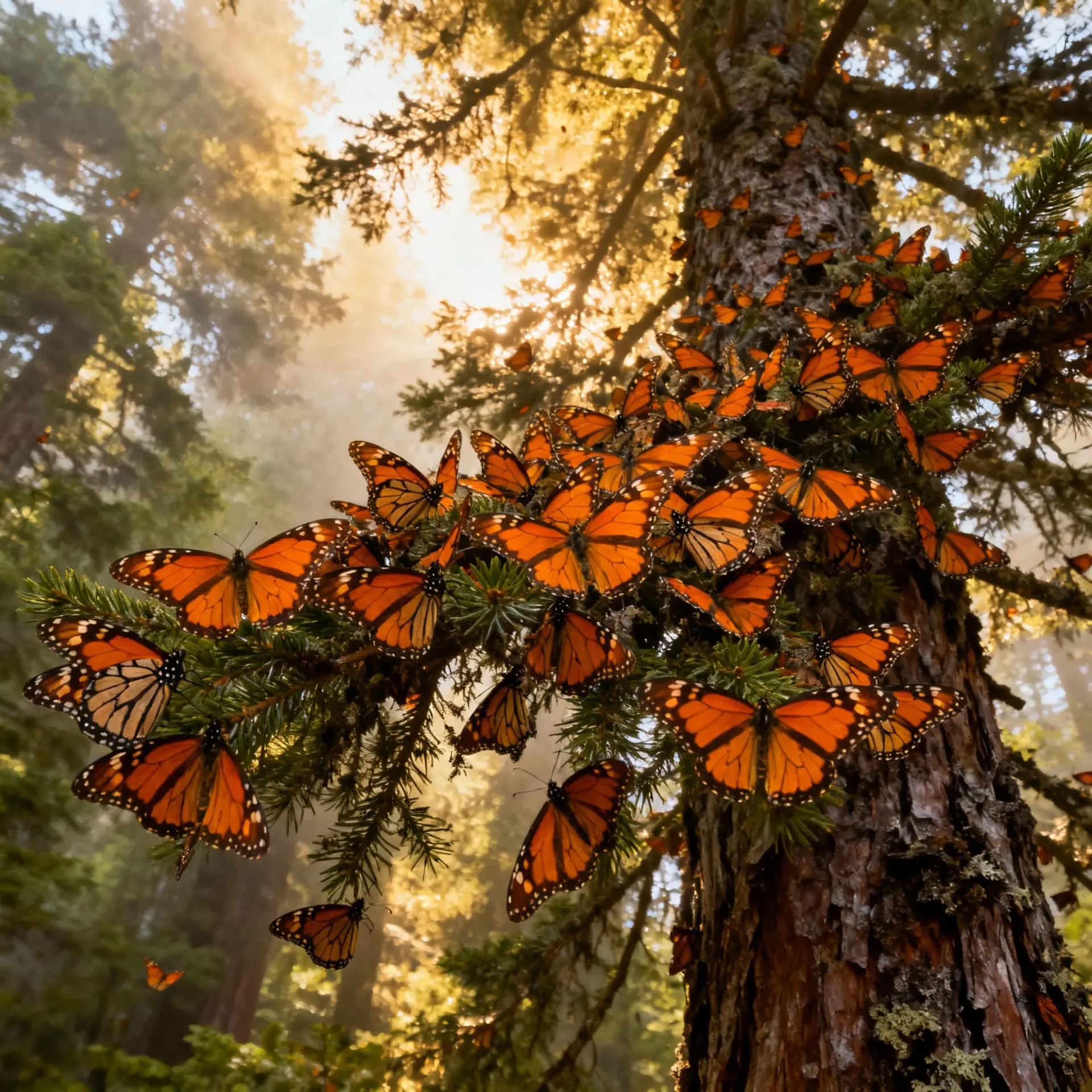
Friends, the migration is officially underway! Just days after my last post celebrating the triumphant return of those incredible overwintering monarchs leaving Mexico’s oyamel fir forests, the first whispers of spring arrivals are starting to appear. The super-generation—the long-lived butterflies that survived the winter—are now on the wing, heading north in search of nectar and milkweed to fuel their journey and start the next generation.
As a wrangler based in Bossier City, Louisiana, where I monitor local gardens, roadsides, and fields in the northwestern part of the state, I can feel the excitement building. The calendar says mid-February, and while widespread sightings are still a week or two away for most of us in the region, early pioneers are already being spotted in southern Texas and along the Gulf Coast. One report came in from Florida around February 8, and I’ve heard of a few brave souls nectaring on early blooms farther south in Louisiana. If winter conditions stay favorable and spring warms steadily, we could see a stronger wave this year than in recent seasons, building on the encouraging 2024–2025 overwintering increase.
Current Migration Status – Where Are They Now?
The overwintering colonies in Mexico (such as El Rosario and Sierra Chincua) showed positive momentum last season, with the eastern population occupying approximately 4.42 acres (1.79 hectares) of forest habitat—a near doubling from the prior year—per the WWF-Mexico and partners’ survey released in early 2025. Those hardy monarchs are now breaking diapause, feeding on available nectar, and beginning their northward push. Citizen science maps from Journey North are lighting up with the very first adult sightings of 2026—mostly in the southernmost regions as of early February.
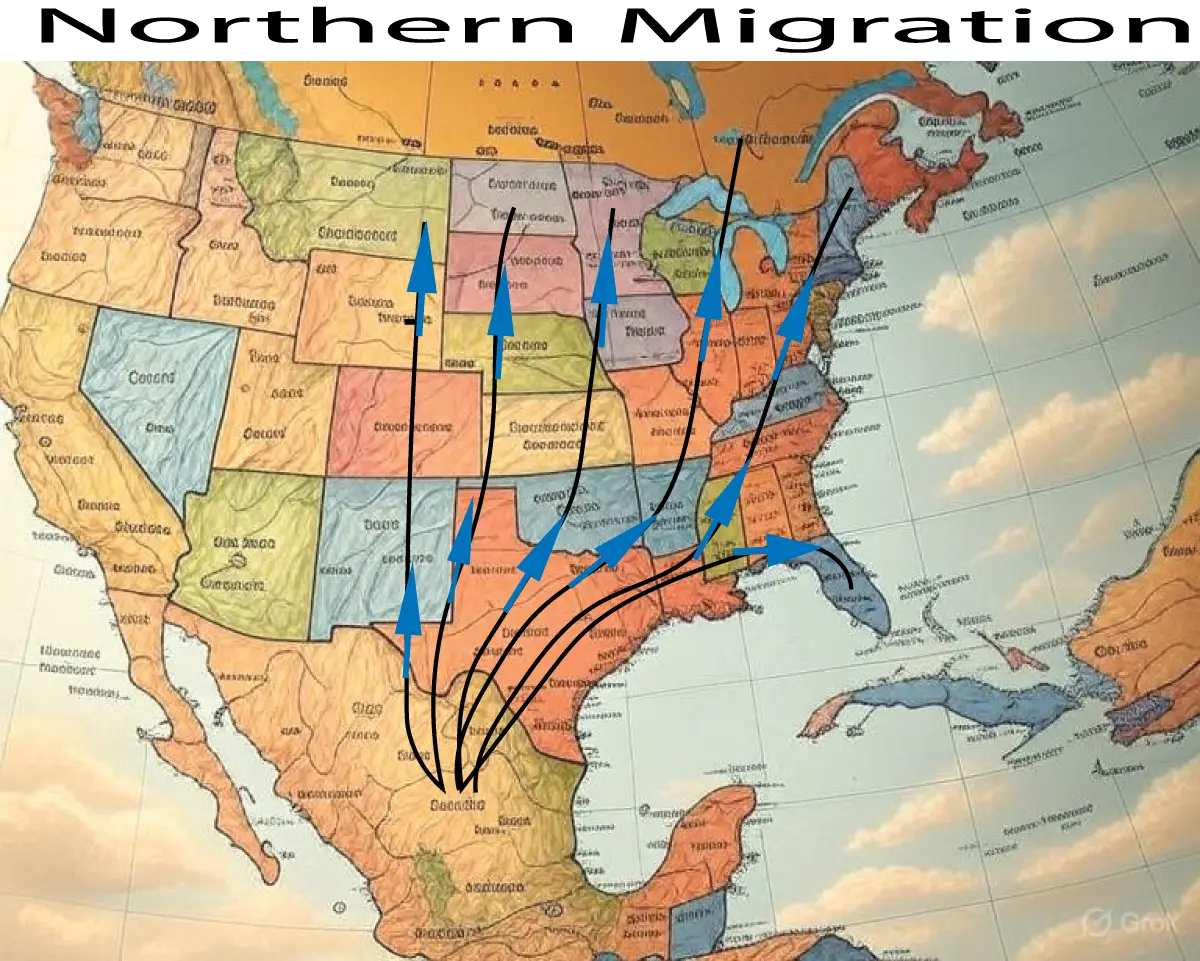
This classic spring migration map from Monarch Watch shows the northward relay: the overwintering adults head into Texas and the southern U.S. first, laying eggs before their journey ends. Their offspring will carry the baton farther north. We’re right at the beginning of that wave—keep checking Journey North’s real-time maps for the latest pins! Weather plays a huge role: warmer southern days speed things up, while cold snaps can hold them back. Right now, the forecast looks encouraging for early movement.
What to Watch For in Your Area
In Louisiana, particularly along the Gulf Coast and southern parishes, the first monarchs often appear on early-blooming nectar sources before milkweed is fully up. In northwestern Louisiana (including the Bossier City and Shreveport area), expect the leading edge slightly later—potentially late February in mild years, but more reliably early to mid-March—on sunny afternoons. Look for them: ![]()

On dandelions, red clover, or any winter/early-spring wildflowers still flowering.
Along roadsides, fields, or sunny garden edges where they can warm up.
In the afternoons on warm, calm days—monarchs love sunshine!
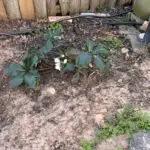
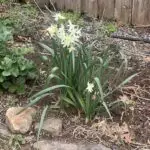
These early arrivals are often worn from their long flight, so spotting one nectaring feels extra special. In my own yard here in Bossier City, I’ve been keeping the garden prepped as I shared last month—fresh water sources, no pesticides, and a few nectar plants already blooming. Last week, I thought I caught a flash of orange against the green, but it turned out to be a hopeful glance. Any day now!




How You Can Get Involved Right Now
Spot and Report — If you see your first monarch of 2026, submit it to Journey North (first sightings are especially valuable) or Monarch Watch. Include photos, date, location, and behavior. iNaturalist is another excellent platform for photo-verified reports.
Share with Us — Post your photos here in the comments or on social media with #MonarchButterflyWrangler. Let’s build a community thread of 2026 sightings—I’ll feature the best ones in upcoming posts!
Support the Wave — Refresh your garden: Add more nectar plants (like those I recommended last month) and get your milkweed ready for eggs. Early monarchs lay on any young shoots they find.
Stay Vigilant — Avoid disturbing resting butterflies, and keep an eye out for eggs or tiny caterpillars soon after adults arrive.
This multigenerational journey is one of nature’s greatest wonders, and every sighting, photo, and garden we tend helps ensure it continues. We’re all part of the relay—those overwintering heroes started it, and now it’s our turn to welcome them home.
Have you spotted your first spring monarch yet? Drop a comment below—I can’t wait to hear your stories!
Keep wrangling,
The Monarch Butterfly Wrangler
#LouisianaMonarchs #NorthwestLouisiana #Spring2026Migration #BossierCityButterflies


Comments (0)