
Supporting Monarchs on the Move in Northwest Louisiana:

Best Practices for Hosting Migrating Butterflies in Your Garden – Spring 2026 Update
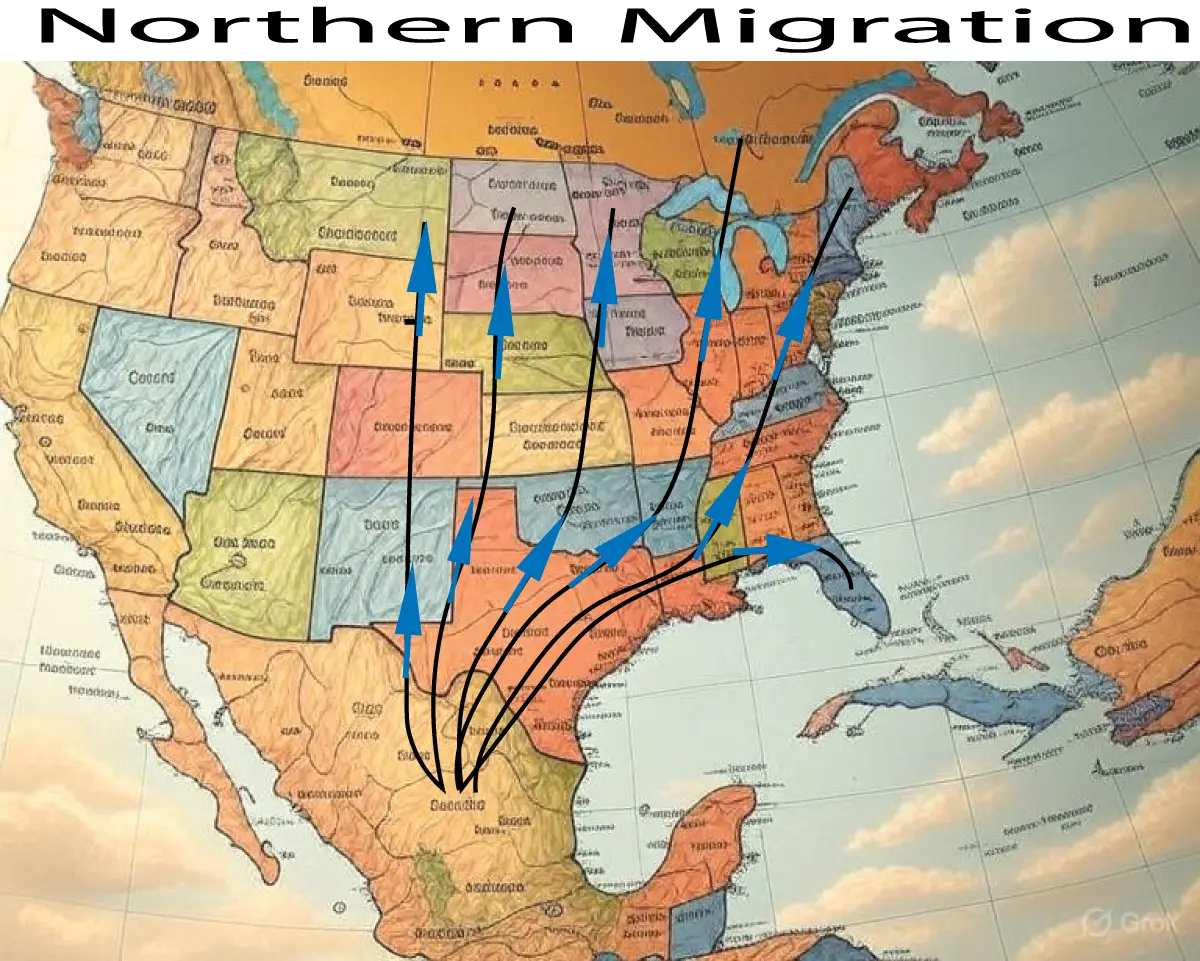
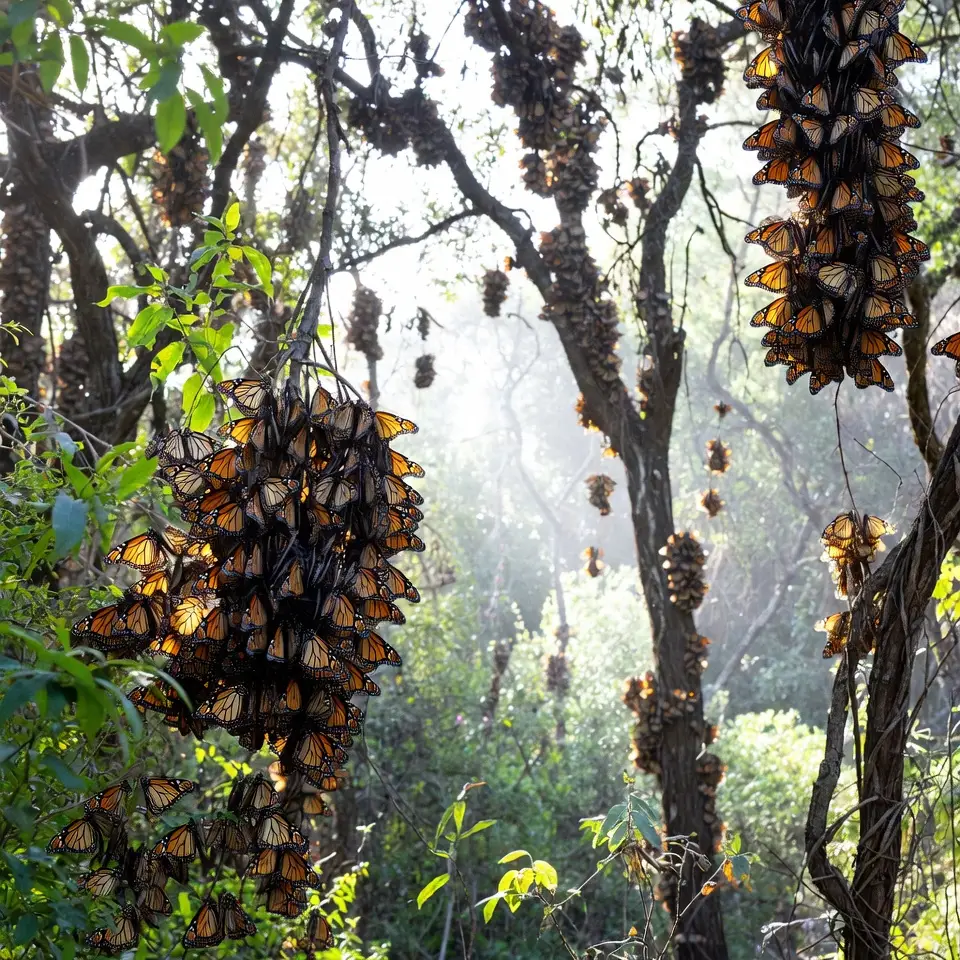
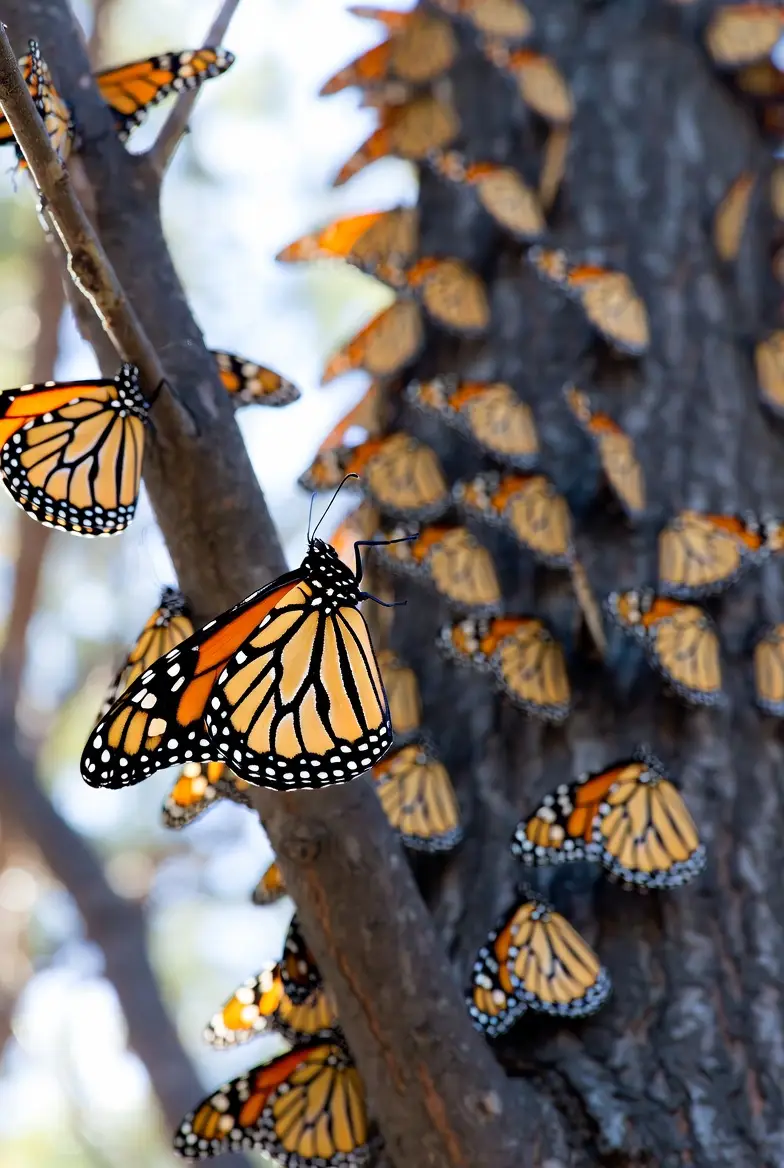
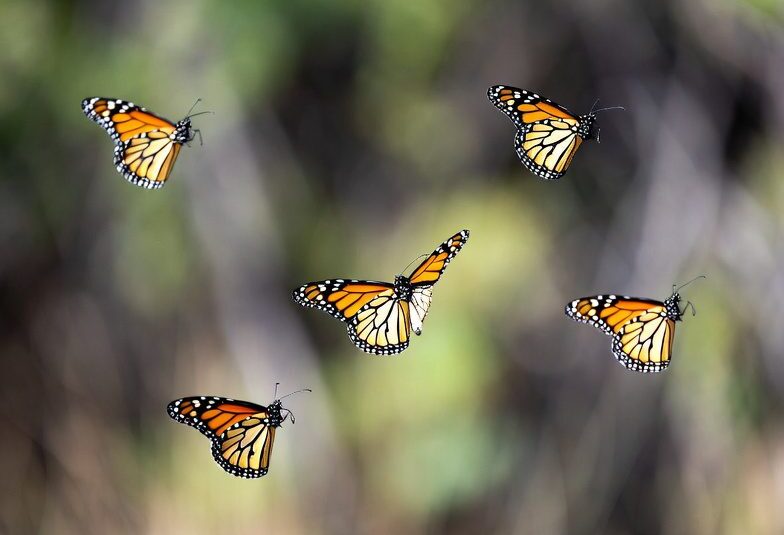
Each spring, monarch butterflies leave their overwintering sites in the oyamel fir forests of central Mexico and begin their long journey north, repopulating breeding grounds across the United States and Canada. As of early March 2026, surveys from WWF-Mexico and partners report that monarchs occupied approximately 4.42 acres of forest—nearly double the previous year’s area—indicating a stronger start to this migration season. Large departures were noted in late February, with massive movements continuing into early March under favorable conditions, sending waves of butterflies toward the Gulf Coast.
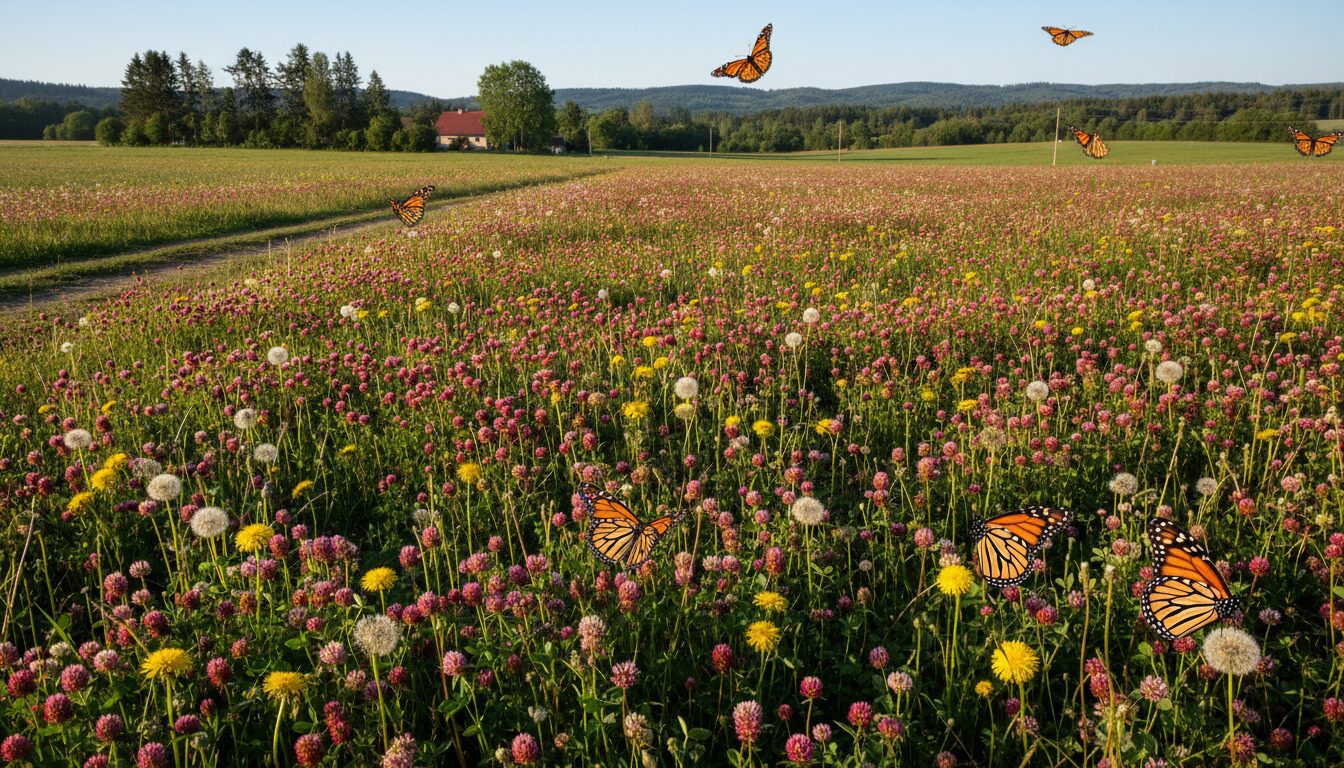
First U.S. sightings typically appear by mid-February in Texas and Florida, then spread east and north as conditions warm. For gardeners in the broader northwest Louisiana region, this usually means watching for the first migrants from late February into March, with movement continuing into April depending on temperatures and storms. Framing garden plans around this window allows individuals to transform ordinary beds, borders, and containers into critical waystations for these traveling butterflies.

Monitoring and Reporting from Northwest Louisiana
Observations from local participants can significantly enhance understanding of monarch migration through the Gulf States. Utilize tools such as Journey North’s website or app to report first sightings, peak days, and nectar usage; these entries contribute to real-time maps illustrating the migration’s advance across Texas, Louisiana, and beyond. When submitting a report, include the date, approximate location (for example, “Bossier City, LA”), the number of monarchs observed, and their activities—such as gliding overhead, nectaring in beds, or resting on shrubs.
For a more hands-on approach, maintain a simple garden journal dedicated to monarchs and other pollinators. Note daily or weekly observations, temperatures, wind directions, and any fronts or storms passing through the Ark-La-Tex region. Over time, patterns may emerge—such as clusters of sightings after storm lines clear or on warm, calm afternoons—assisting in better anticipation of viewing opportunities. Share observations with programs like Monarch Watch and local nature groups to add northwest Louisiana data points to broader conservation efforts.

Challenges and Local Solutions
Migrating monarchs crossing Louisiana face fast-changing spring weather, particularly strong storm systems and cold fronts that sweep across the Ark-La-Tex. Sudden cold snaps, heavy rain, or high winds can ground or scatter butterflies and increase mortality. In yards, mitigate these impacts by incorporating native or well-adapted shrubs and small trees—such as wax myrtle, yaupon holly, or crape myrtle—as windbreaks around key nectar areas. These plants create pockets of calmer air where monarchs can endure rough weather and resume feeding once conditions improve.
Predation by birds, wasps, and other insects is a natural aspect of the monarch life cycle, but concentrated plantings can heighten vulnerability. Diversify beds with a mix of heights, bloom shapes, and foliage textures to encourage butterflies to spread out across the garden rather than cluster in a single patch. This complex structure supports a wider array of beneficial insects while reducing the risk of predators focusing on one crowded nectar source.
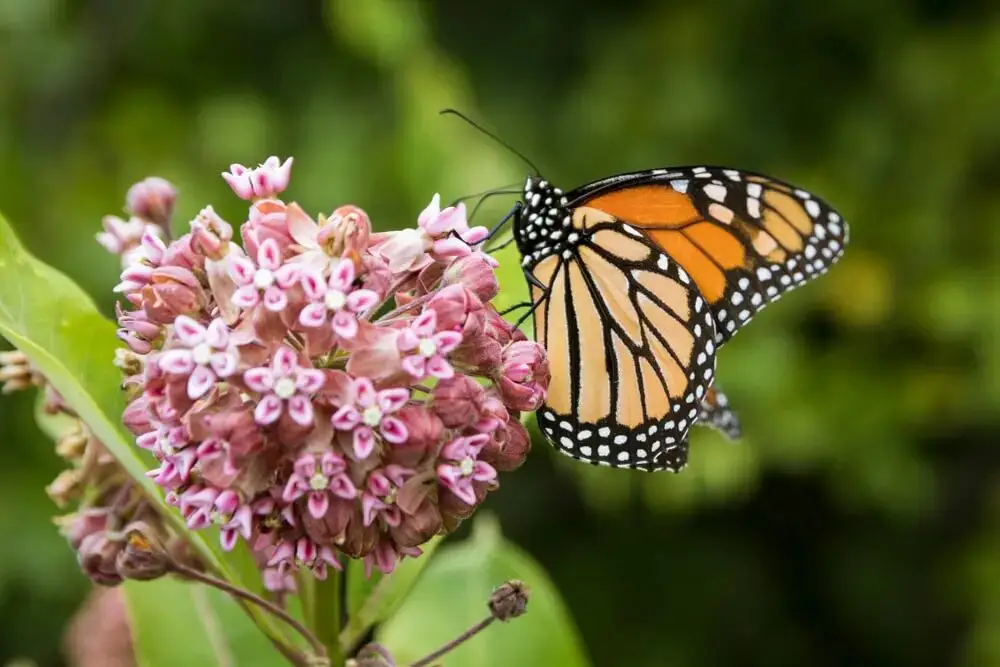
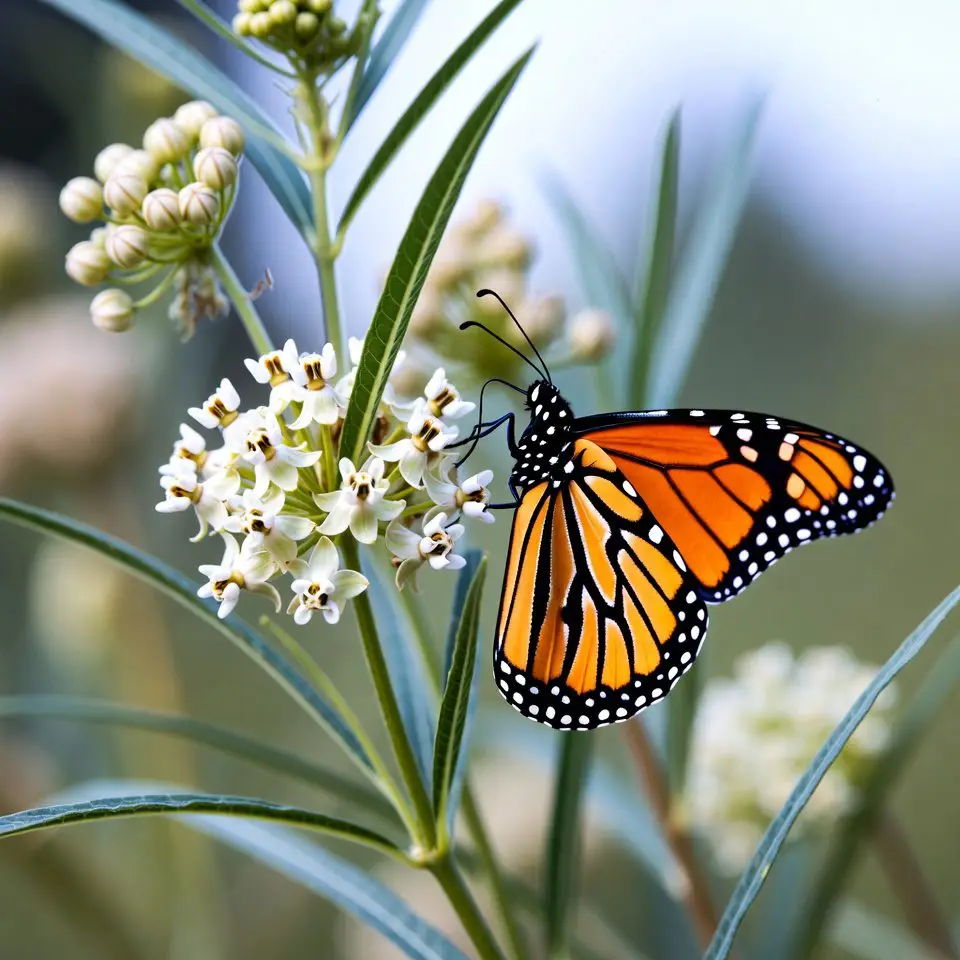
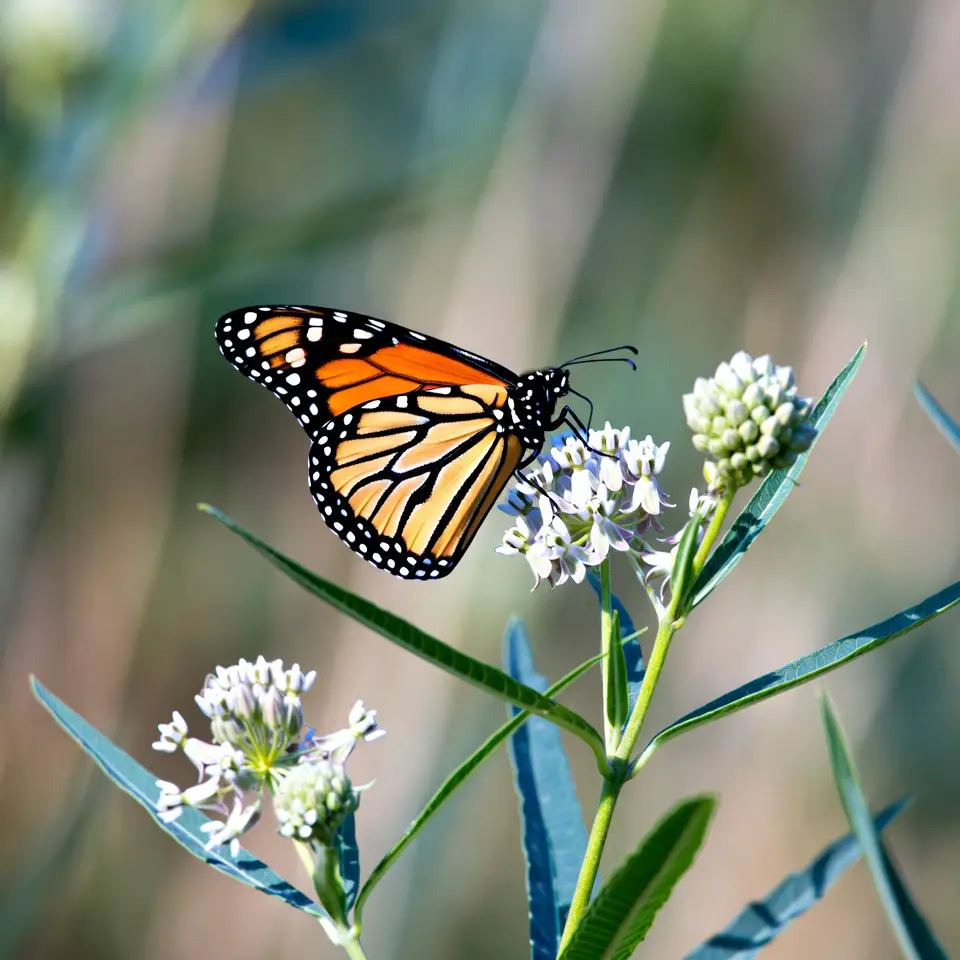
Habitat loss remains one of the monarch’s primary long-term threats, and even small urban and suburban lots can contribute to countermeasures. Where space permits, incorporate region-appropriate milkweeds (Asclepias spp.) along fence lines, in back corners of beds, or in dedicated monarch plots to provide host plants for later generations’ larvae. Coordinate with neighbors, churches, schools, and community gardens to add more milkweed and nectar plants across northwest Louisiana, turning scattered yards into a loose but powerful corridor.
Disease represents another concern for monarch populations. Pathogens such as Ophryocystis elektroscirrha (OE) can weaken or kill butterflies, especially in captive-reared groups. Prioritize supporting wild monarchs during passage rather than mass rearing, and if raising a small number, adhere to best practices while avoiding the release of any weak or deformed individuals. These measures promote a healthier wild population traversing Louisiana annually.
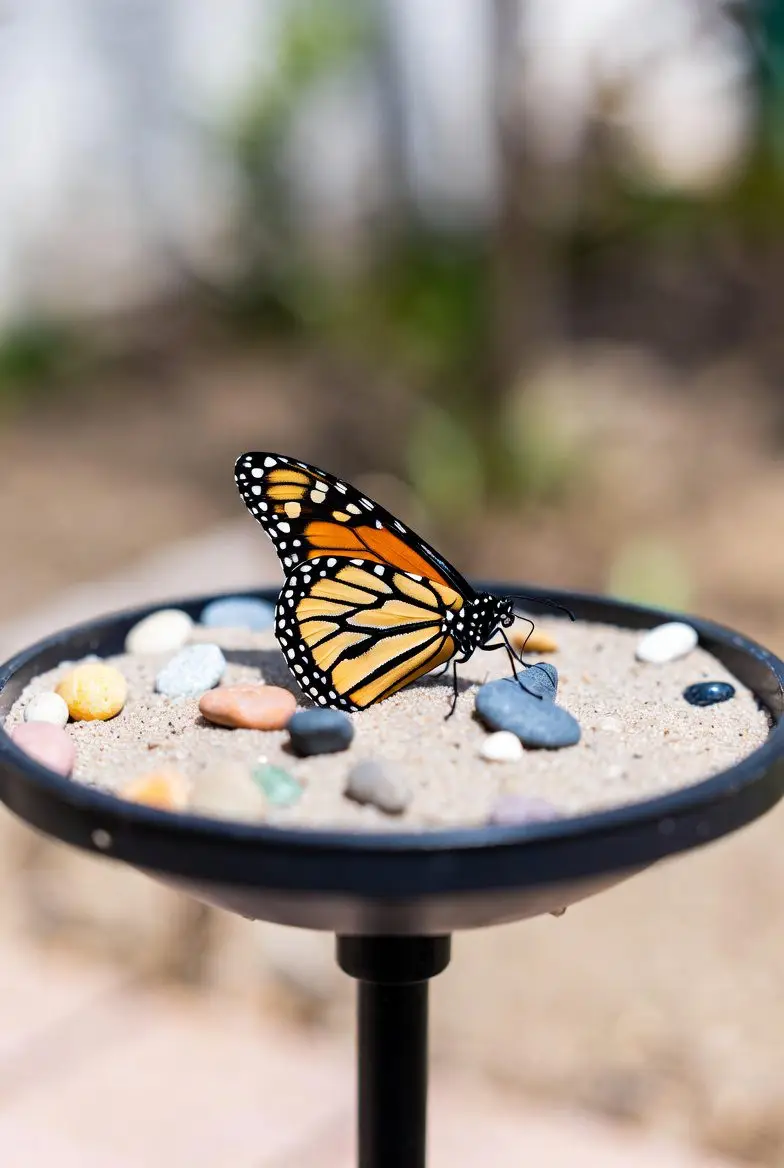
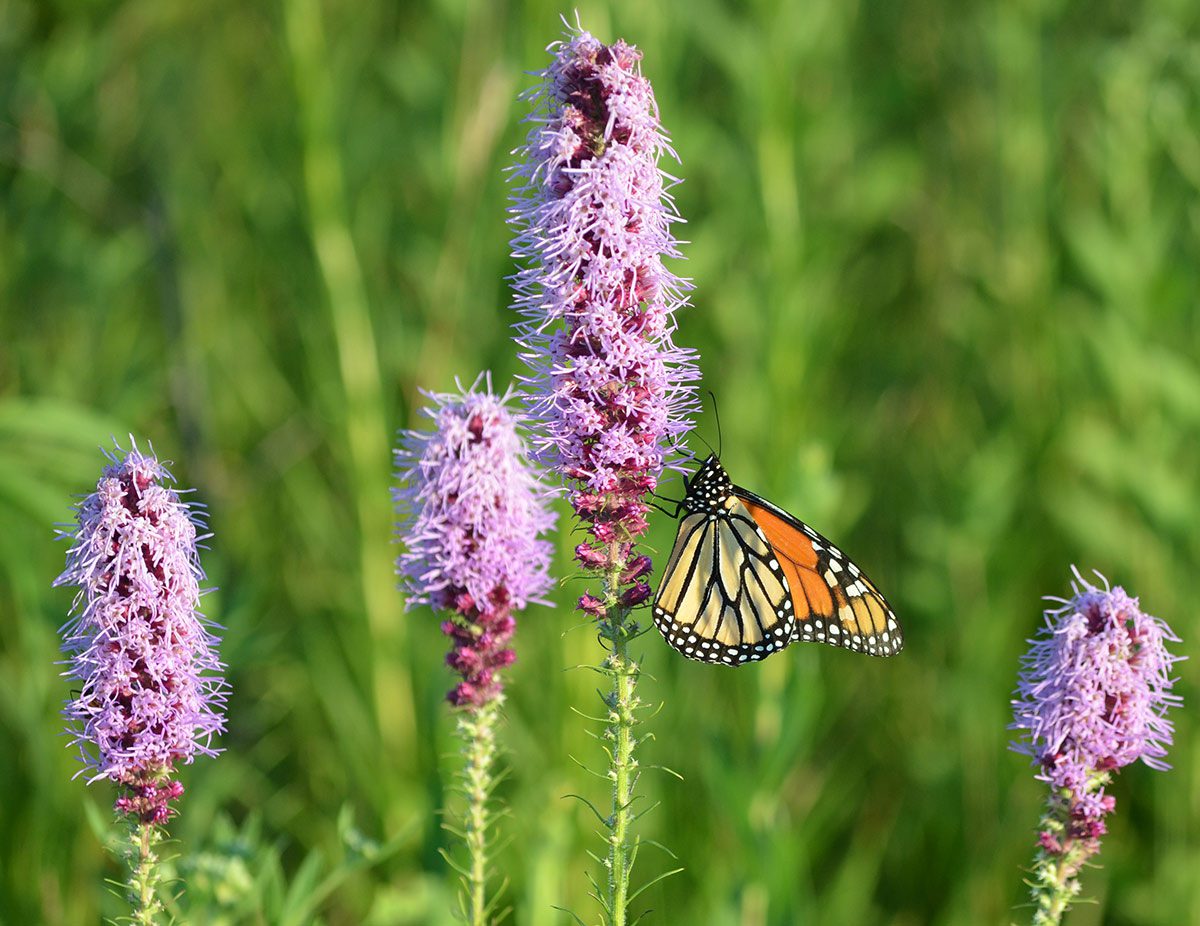
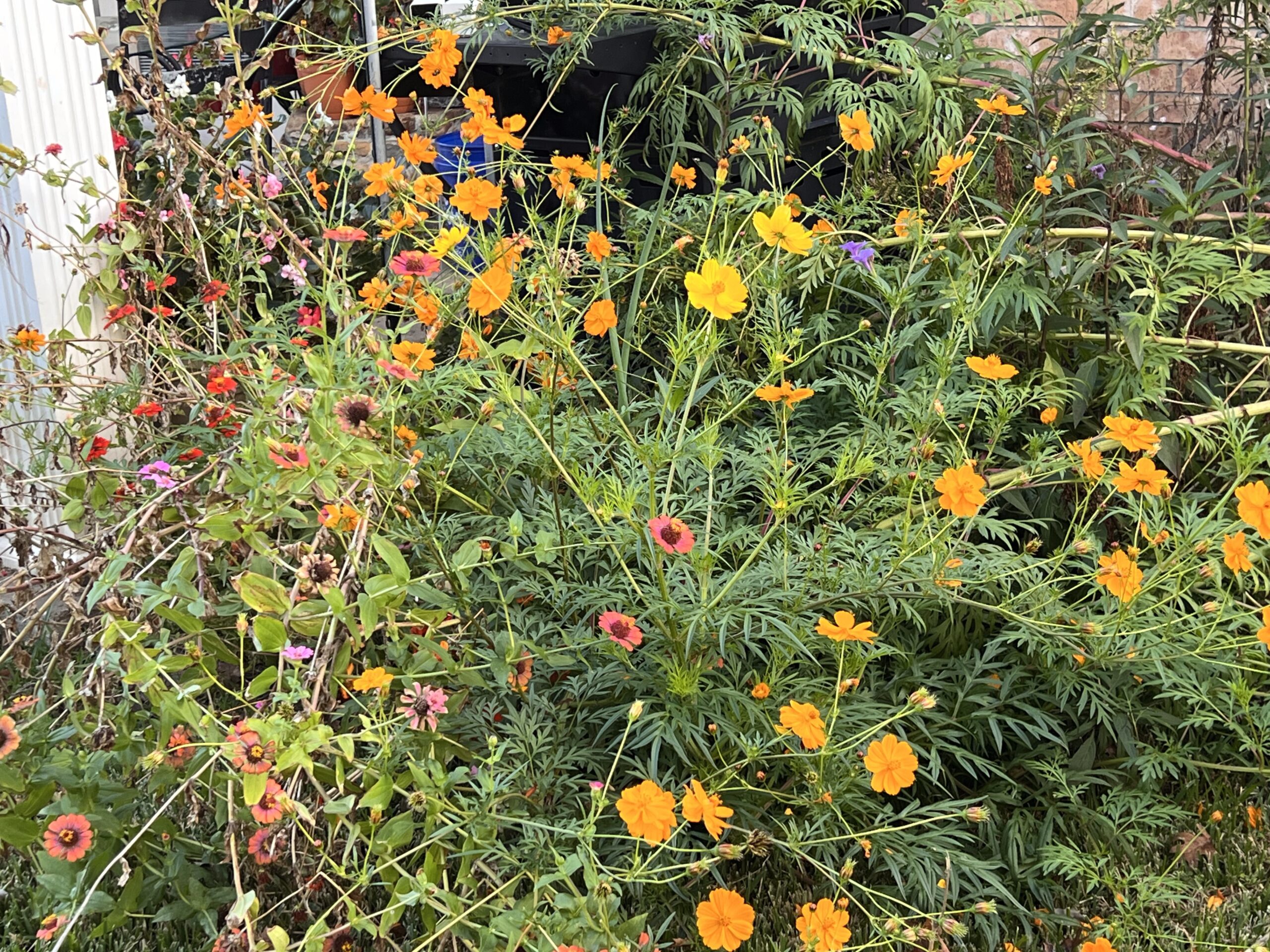
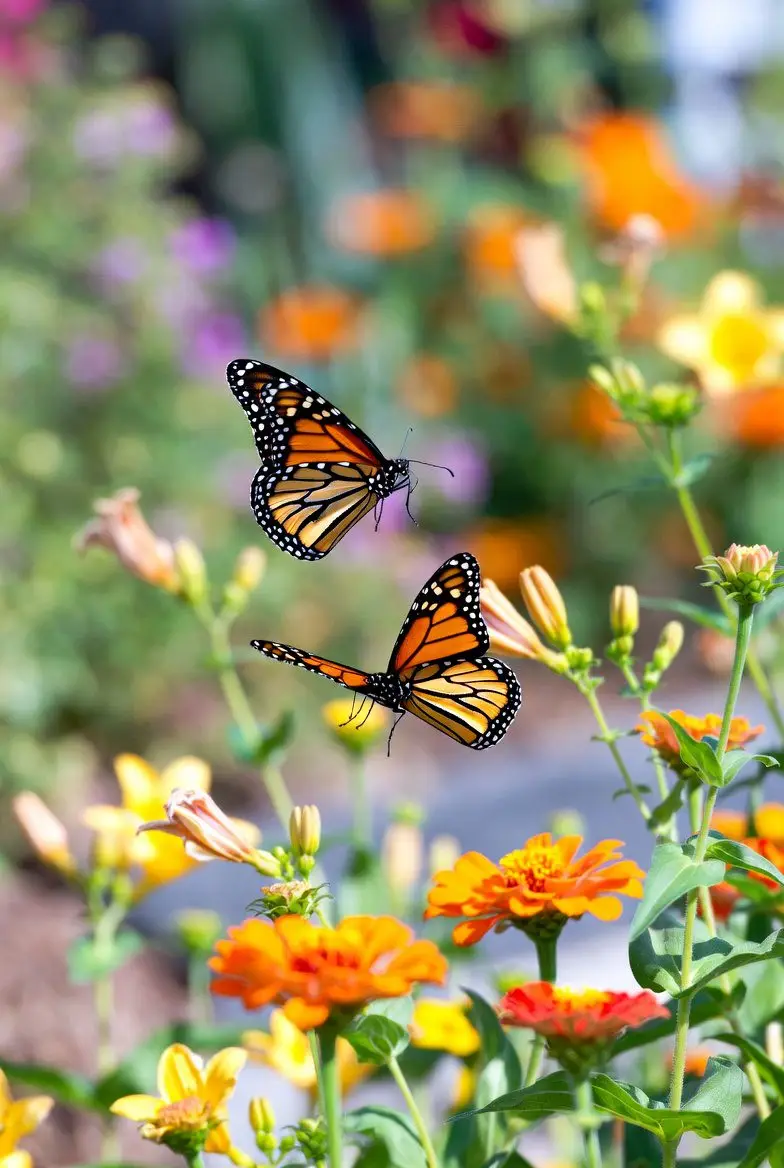
By tailoring gardens to the timing and conditions of the local area, they become more than aesthetic spaces—they serve as functional rest stops for monarchs during their spring migration. Simple actions, such as planting fast-blooming nectar flowers, establishing puddling stations, avoiding pesticides, and sharing sightings, sustain this year’s travelers and subsequent generations. In upcoming posts, the focus will shift to preparing beds and containers for summer breeding in northwest Louisiana, including milkweed selection and gentle egg and larval care. In the interim, remain vigilant for aerial activity, keep journals at hand, and ensure beds are prepared—the migration pathway runs directly through this region, and individual gardens can make a substantial difference.
Sources
* Monarch Migration https://www.monarchwatch.org/migration/
* Monarch Butterfly | Louisiana Department of Wildlife and Fisheries https://www.wlf.louisiana.gov/species/detail/monarch-butterfly
* Pollinator Gardening – LSU AgCenter https://www.lsuagcenter.com/profiles/lbenedict/articles/page1469028667593
* Best Pollinator Plants in Louisiana https://louisiananursery.com/best-plants-for-attracting-pollinators-in-louisiana/
* How to Plant a Pollinator Garden in the South – Rethink Rural https://rethinkrural.raydientrural.com/blog/how-to-plant-a-pollinator-garden-in-the-south
* Monarch Butterflies – Journey North https://journeynorth.org/projects
* Monarch mayday: Send in the natives – LSU AgCenter https://www.lsuagcenter.com/articles/page1660918807519
Comments (0)