
Mid-March 2026 Monarch Migration Tracker: Regional Sightings and Garden Hosting Strategies for the Ongoing Wave
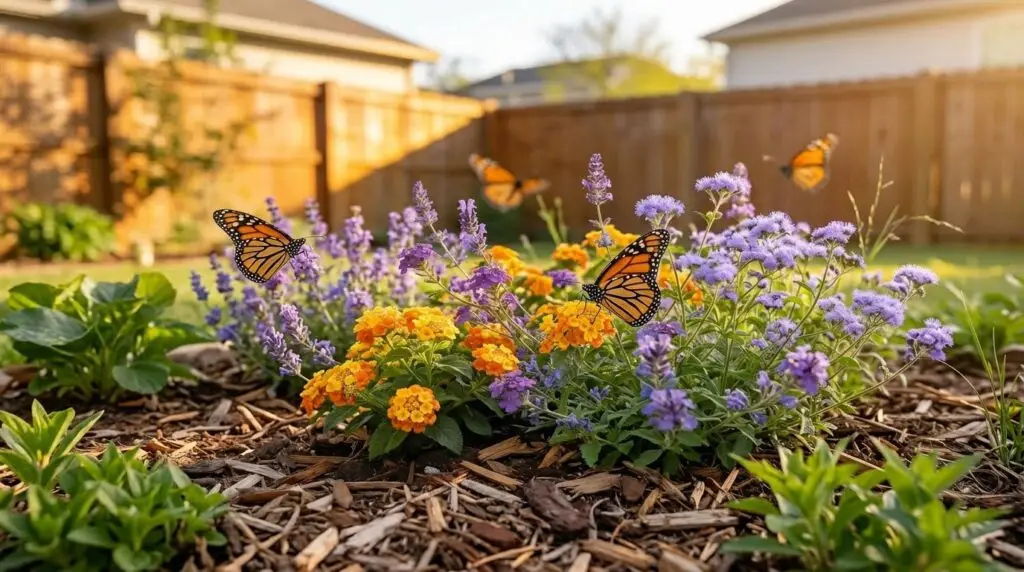
As we approach the midpoint of March 2026, the annual northward migration of monarch butterflies is gaining momentum, marking a pivotal phase in their multi-generational journey. This super-generation, having overwintered in the oyamel fir forests of central Mexico, is now actively dispersing, fueled by rising temperatures and the imperative to breed. Recent reports indicate that millions of monarchs have departed their overwintering sites, with significant movements observed since late February. This progression underscores the resilience of the eastern population, which occupied approximately 4.42 acres of habitat last season—a notable increase from prior years. For observers in regions like Texas and Louisiana, this period presents an opportunity to witness early arrivals and contribute to conservation efforts. 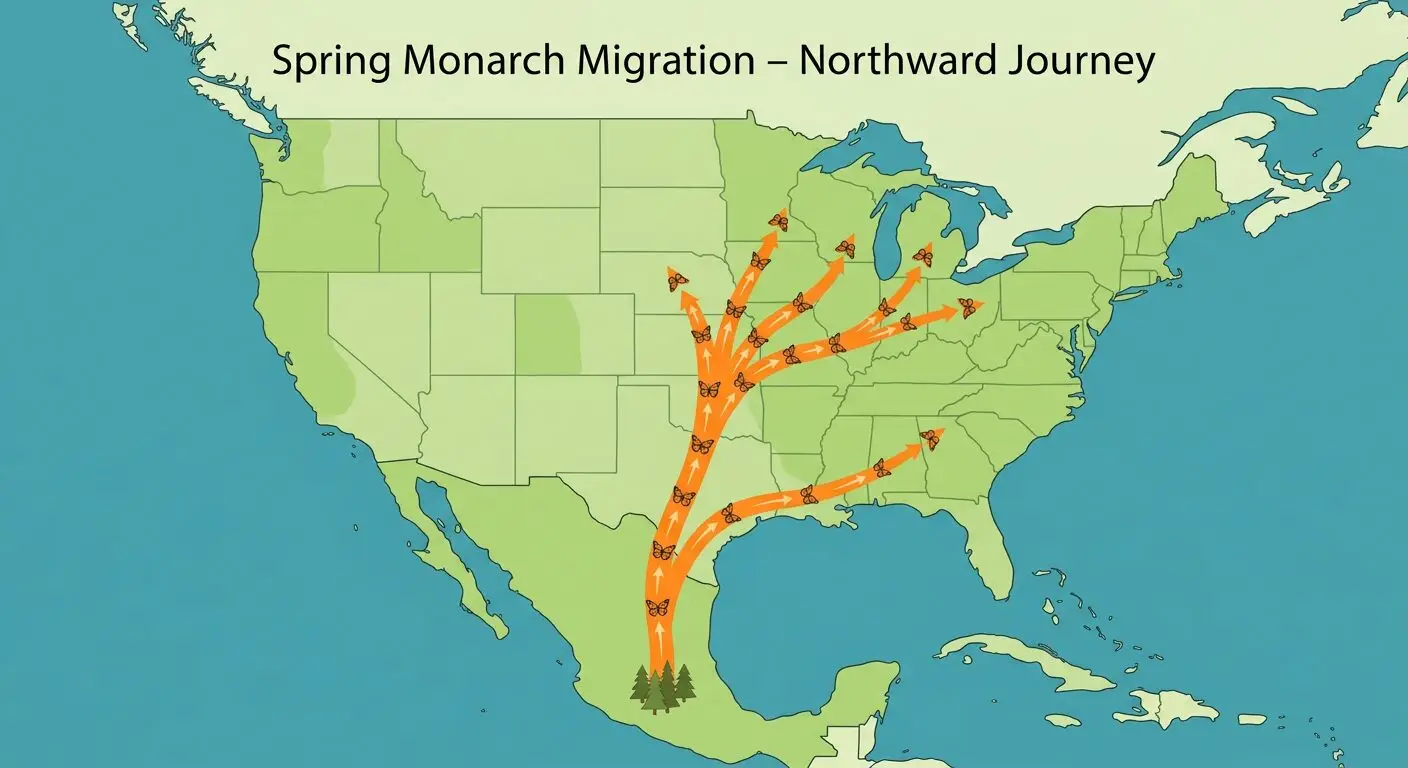
Practical Strategies for Garden Hosting
To support this ongoing wave, gardeners can optimize their spaces to serve as vital refueling stations. Prioritize planting native nectar-rich flowers that bloom in early spring, such as lantana, verbena, and Gregg’s mistflower,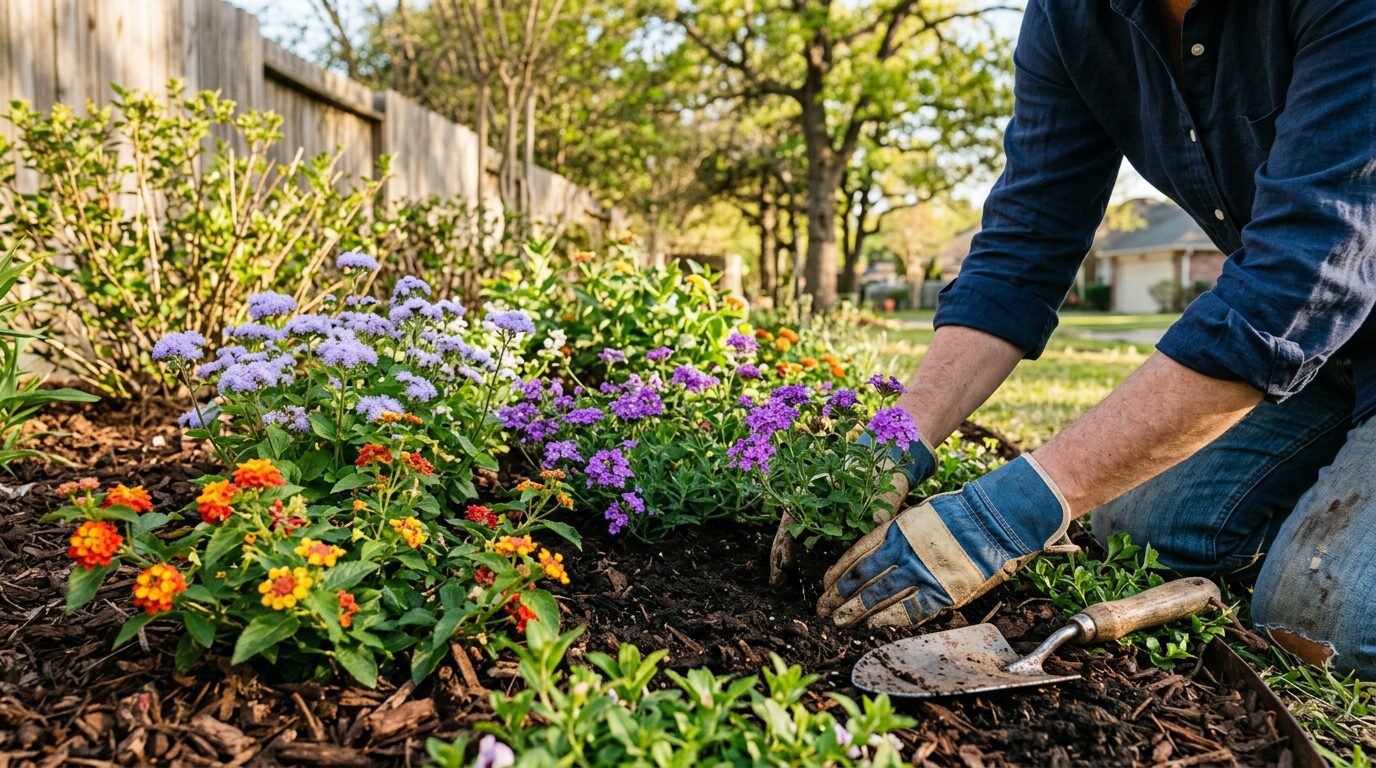 which provide essential energy for migrating adults. Incorporate milkweed varieties like Mexican Butterfly Weed (Asclepias curassavica) or Swamp Milkweed (Asclepias incarnata) to facilitate egg-laying, ensuring a mix of host plants to sustain emerging larvae. Monitor for early arrivals by inspecting foliage daily, and implement protective measures against predators, such as netting or companion planting with herbs like dill to deter threats.
Additionally, maintain hydration sources, such as 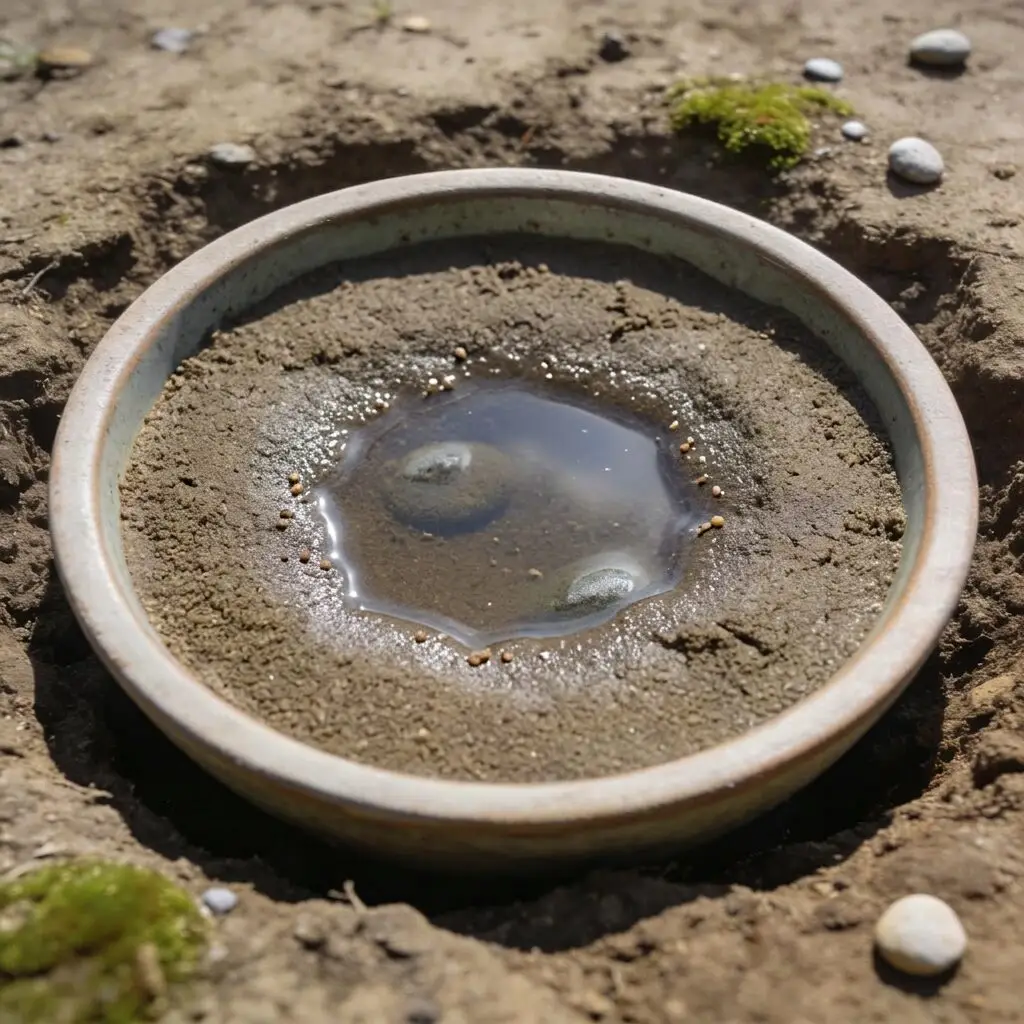 shallow puddles or birdbaths with landing stones,
  and avoid pesticide use to preserve habitat
 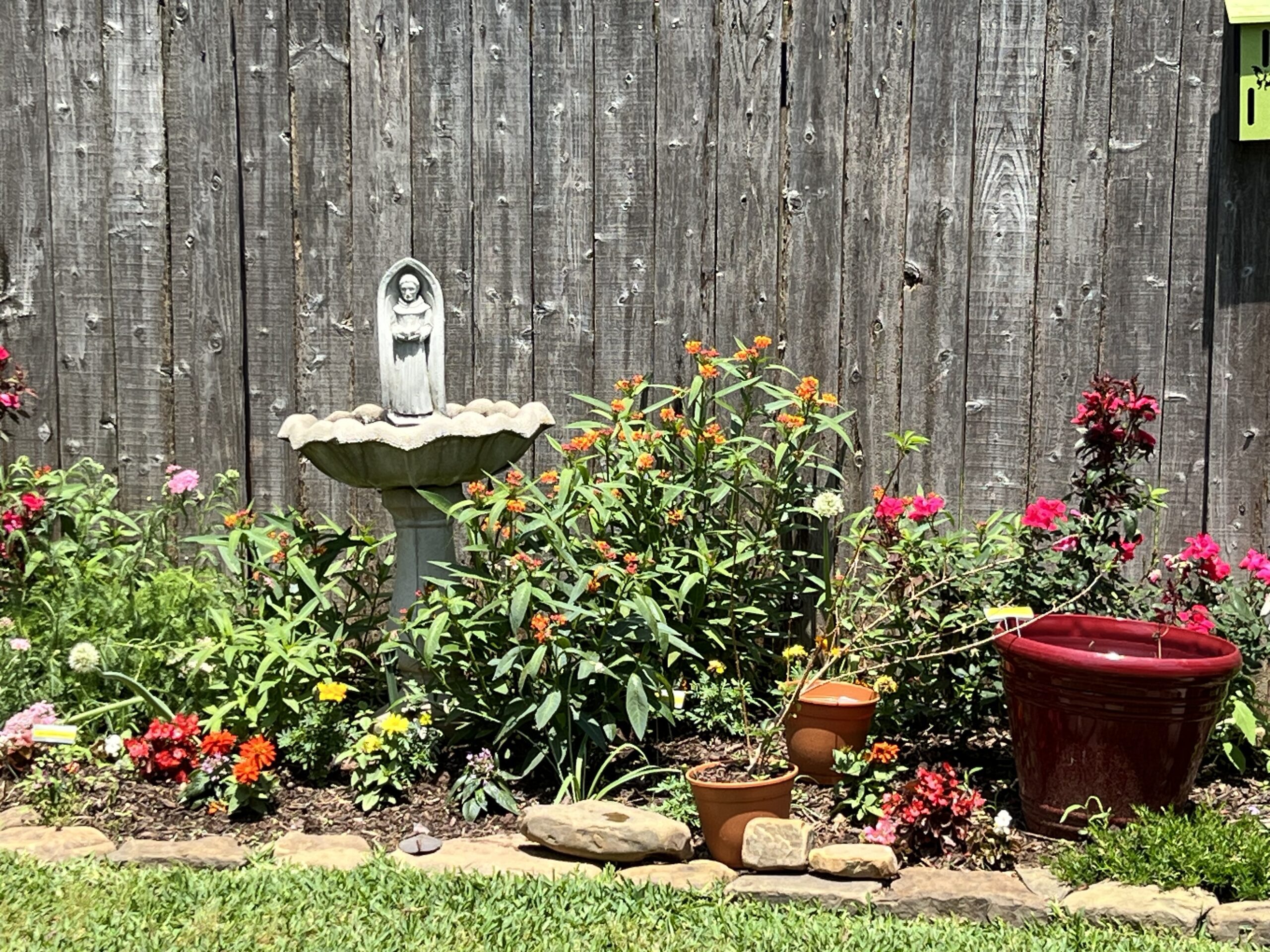 integrity. For regions experiencing variable weather, consider windbreaks or shaded areas to offer shelter during adverse conditions. These adjustments not only aid individual monarchs but also bolster population recovery amid ongoing environmental challenges.