Habitat Update: First-Generation Releases Completed, Second-Generation Rearing Underway, and Ongoing Garden Stewardship
Habitat Update: First-Generation Releases Completed, Second-Generation Rearing Underway, and Ongoing Garden Stewardship
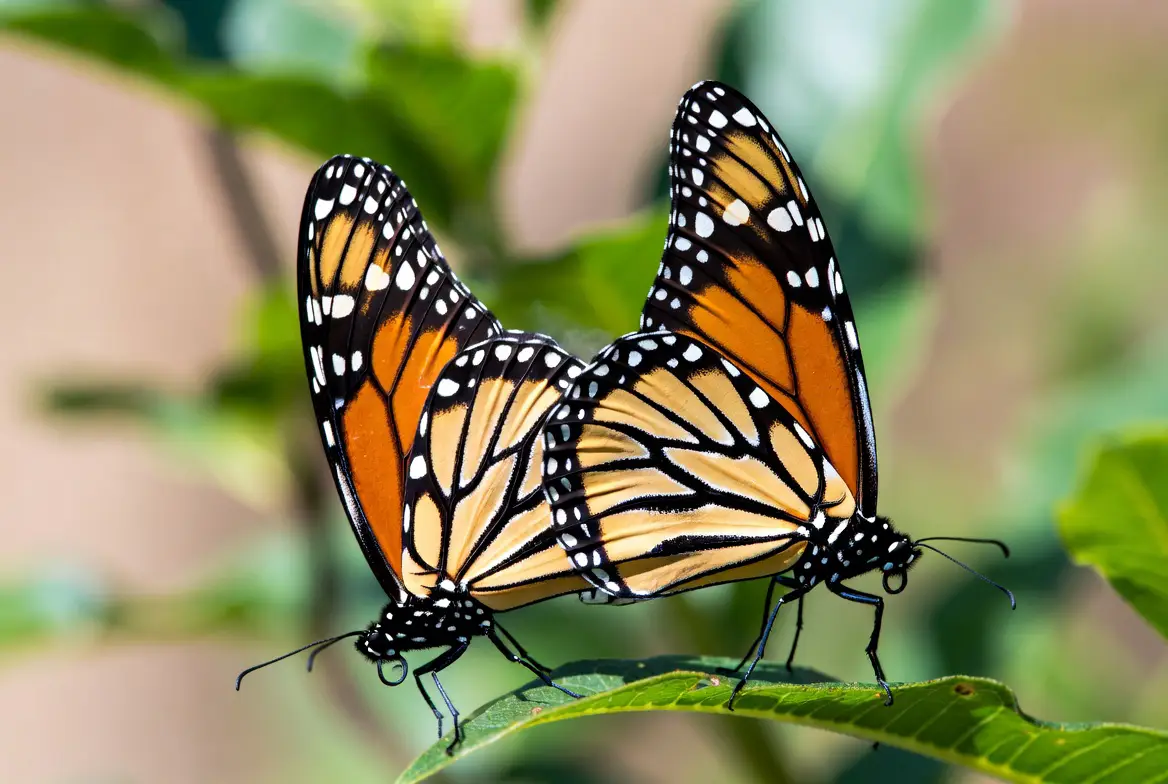
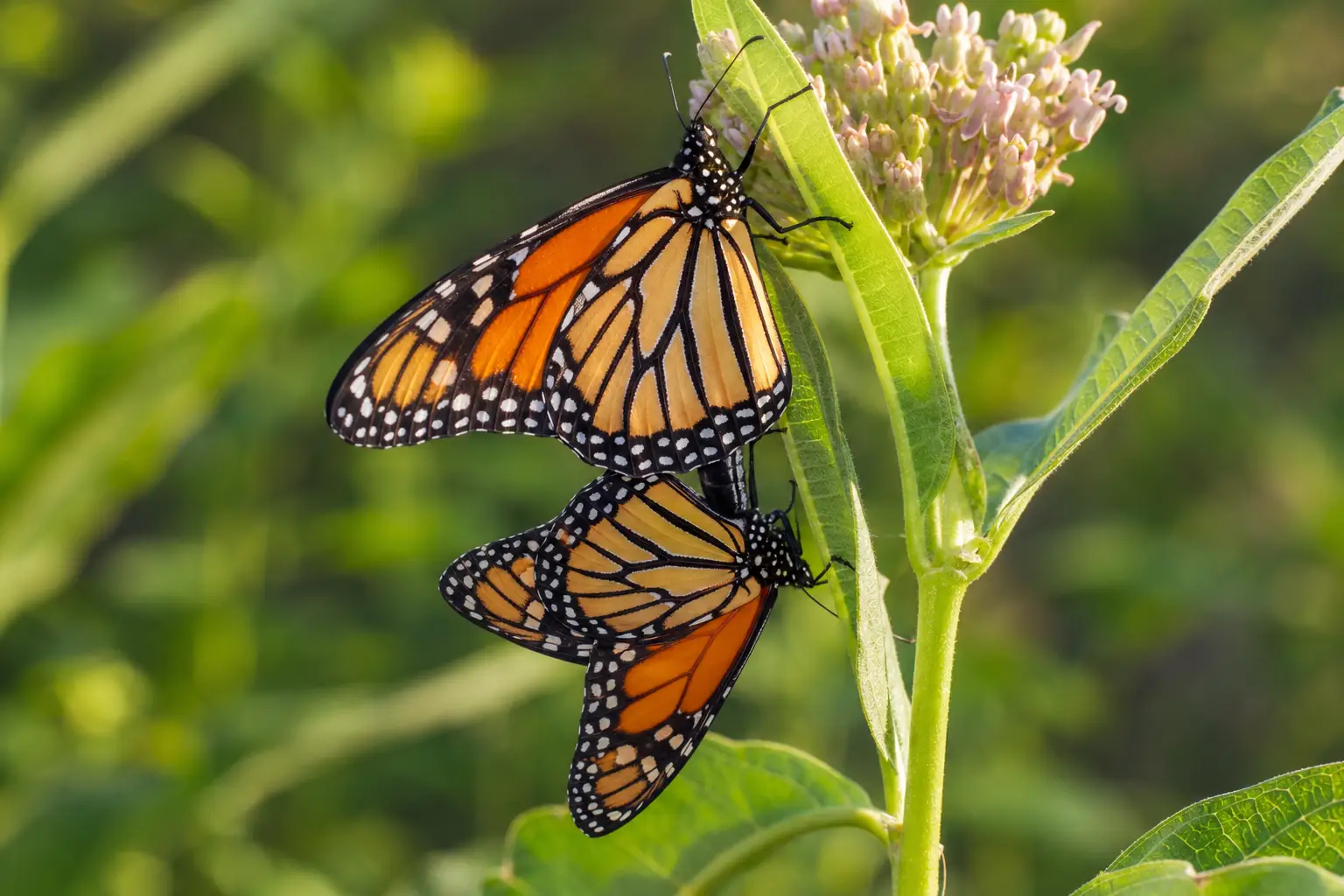
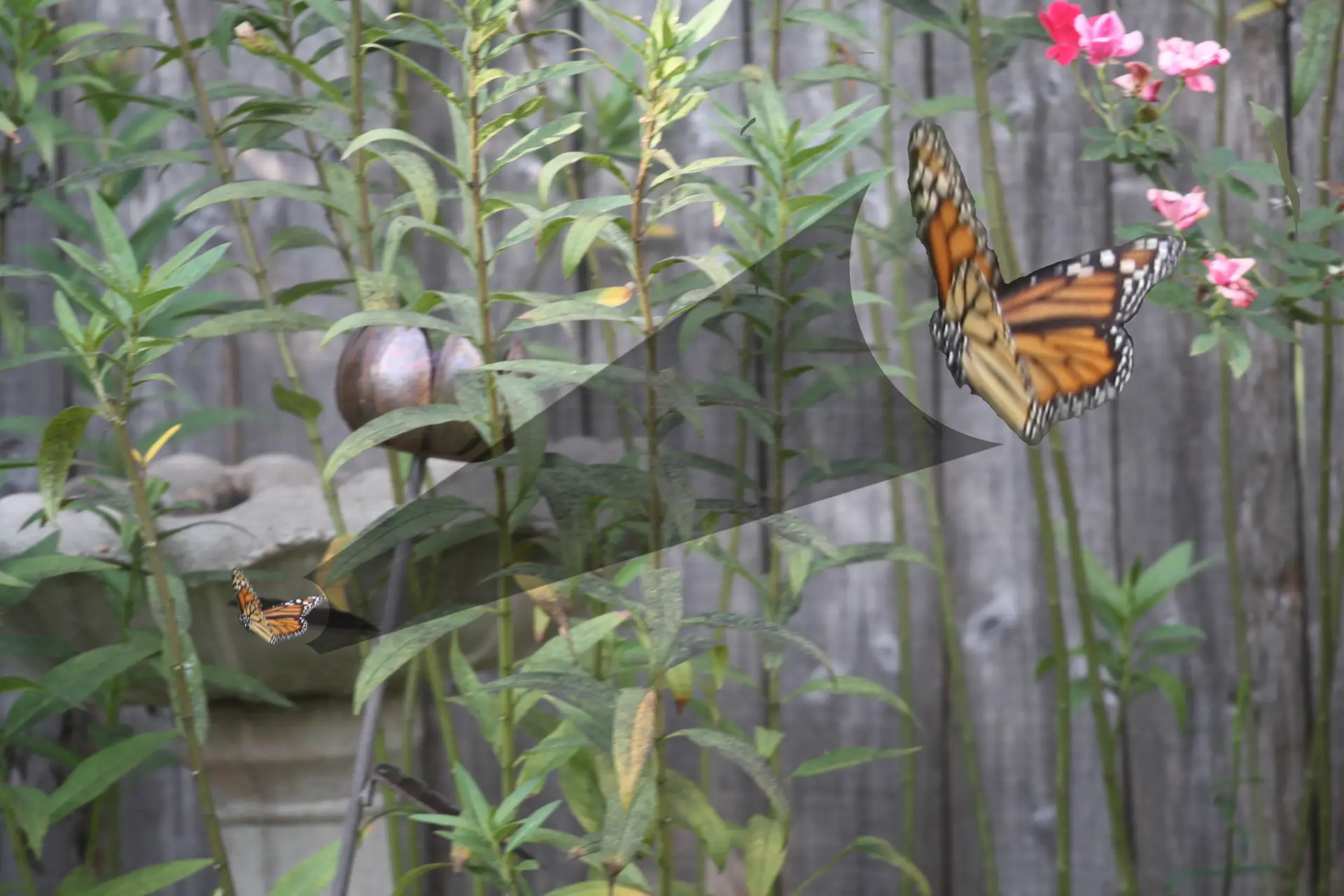
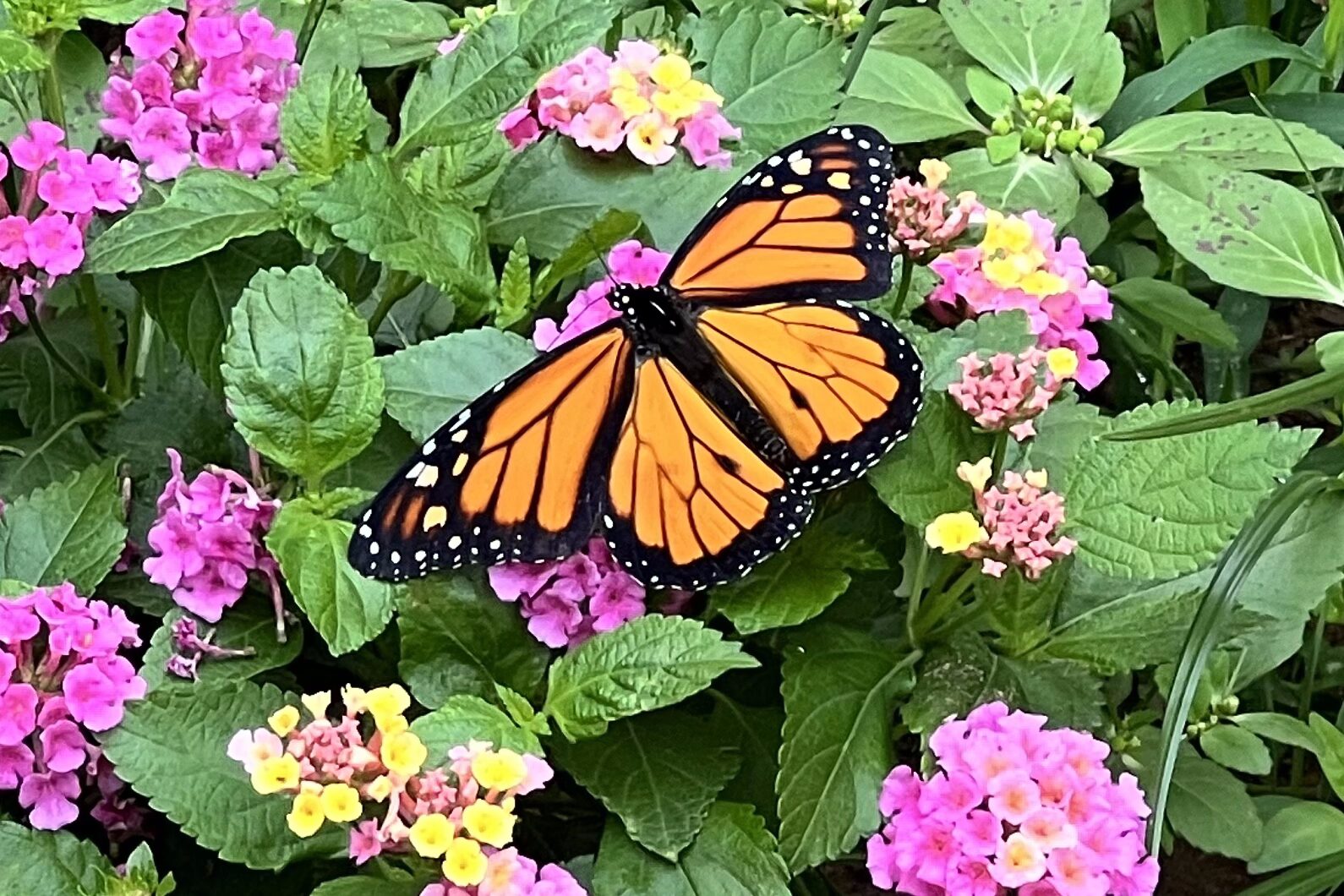
Greetings, fellow monarch enthusiasts and wranglers. This week in Northwest Louisiana marked an important milestone in our 2026 season. All mature monarch butterflies from the first generation have been successfully released. Healthy adults were observed taking flight, contributing to the ongoing spring migration and breeding cycle. With the first generation now underway in the wild, our focus has shifted fully to supporting the second generation through careful collection, rearing, and habitat maintenance.

New Collections and Rearing Progress

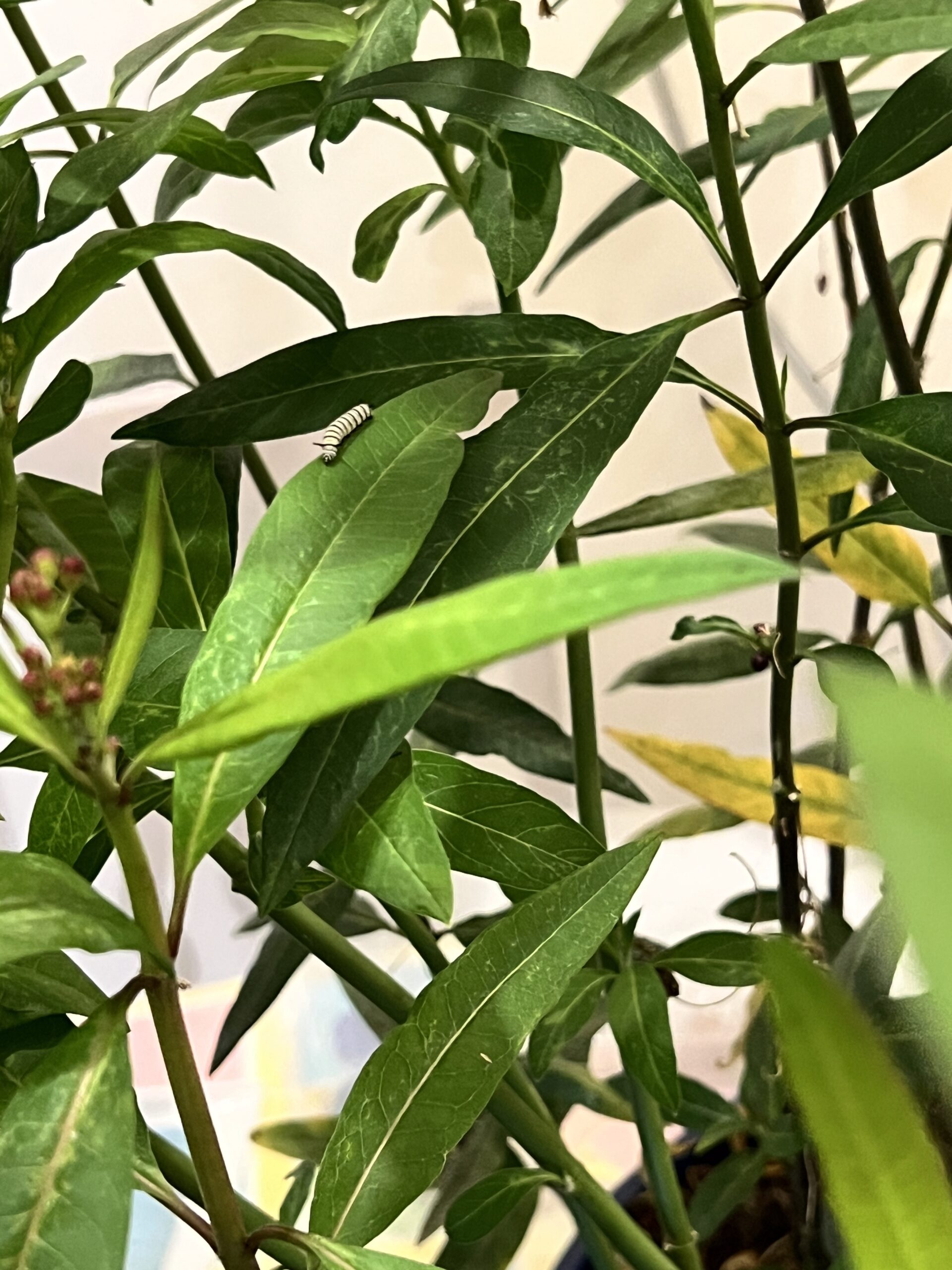
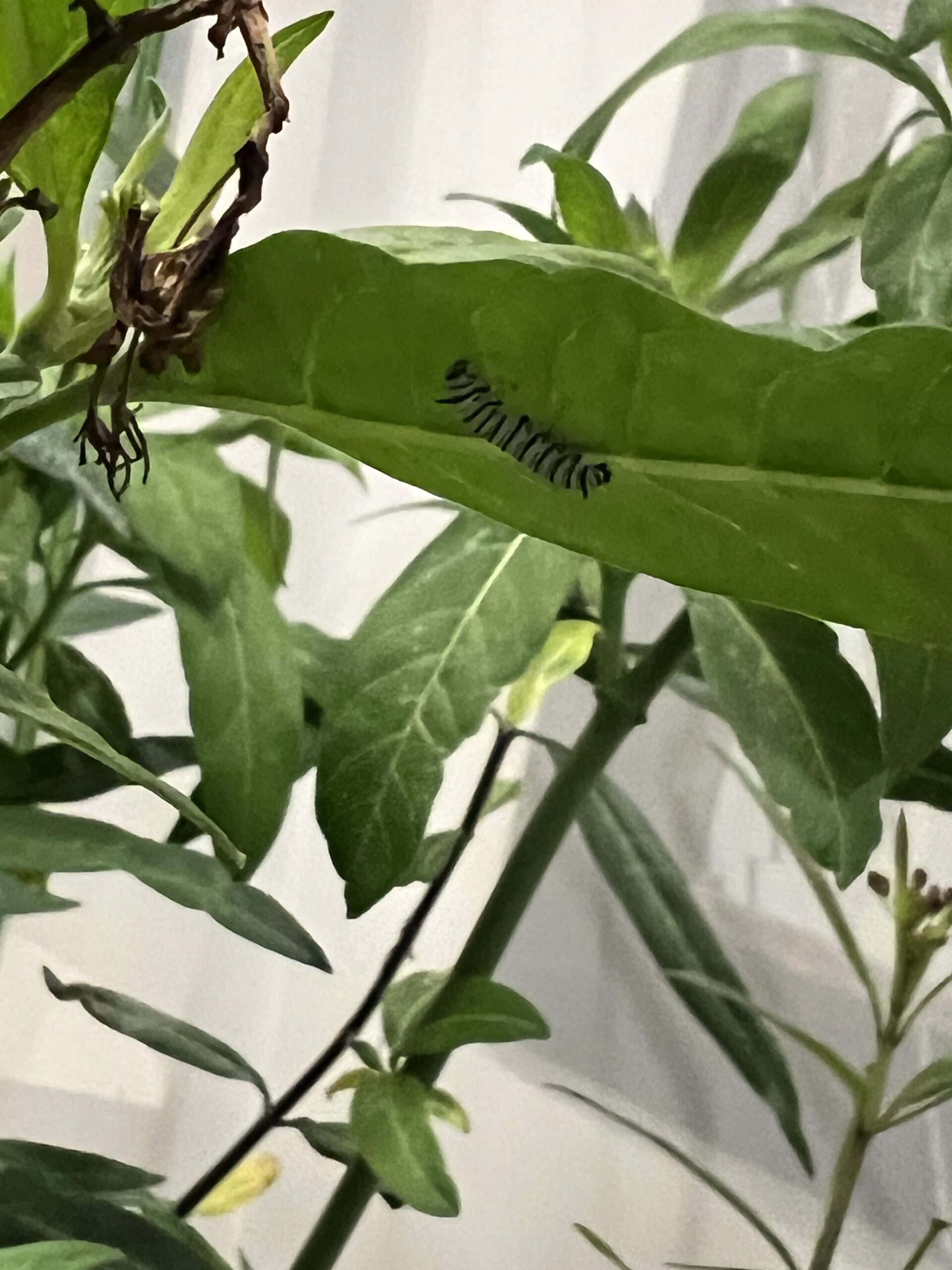
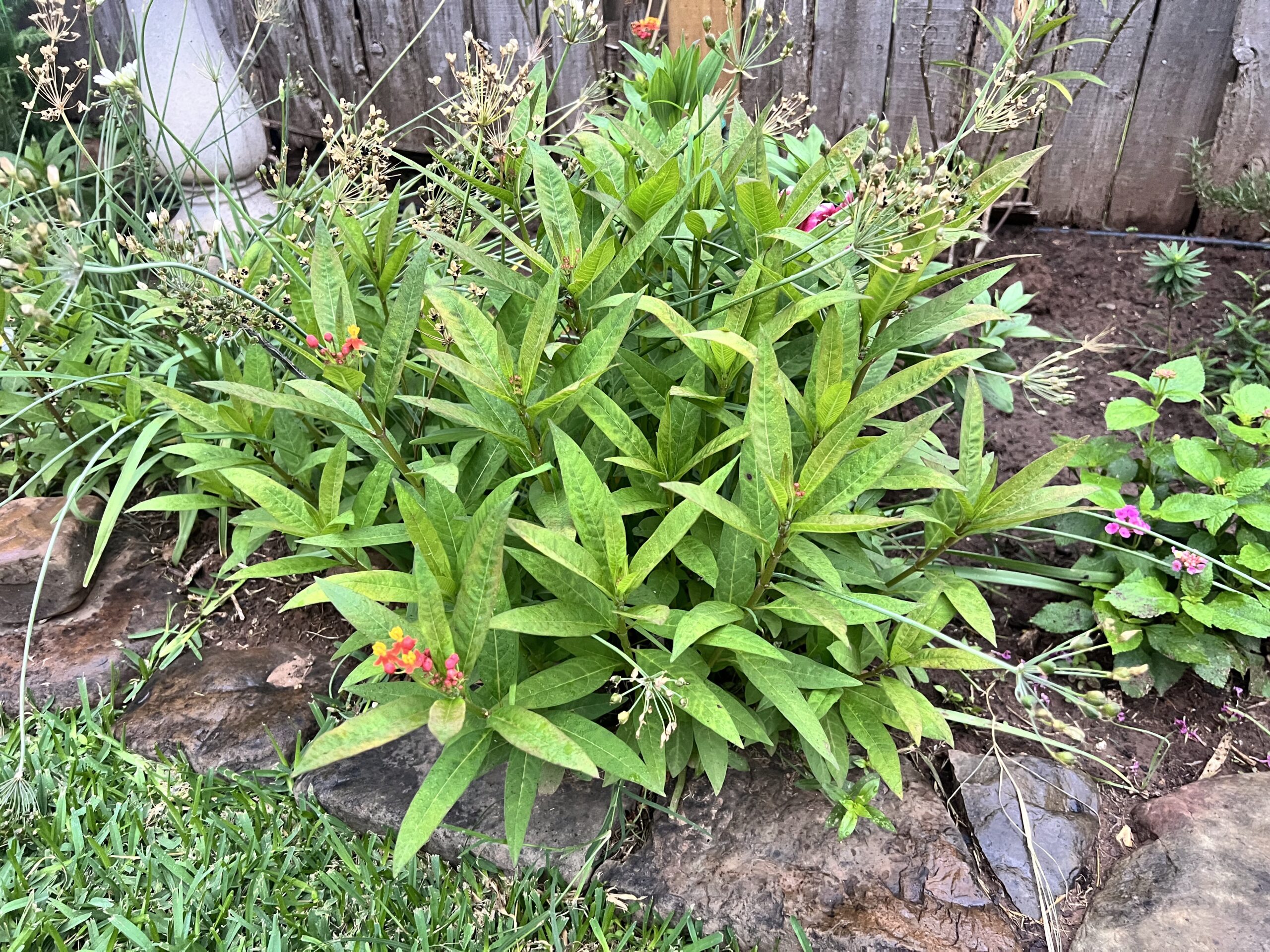
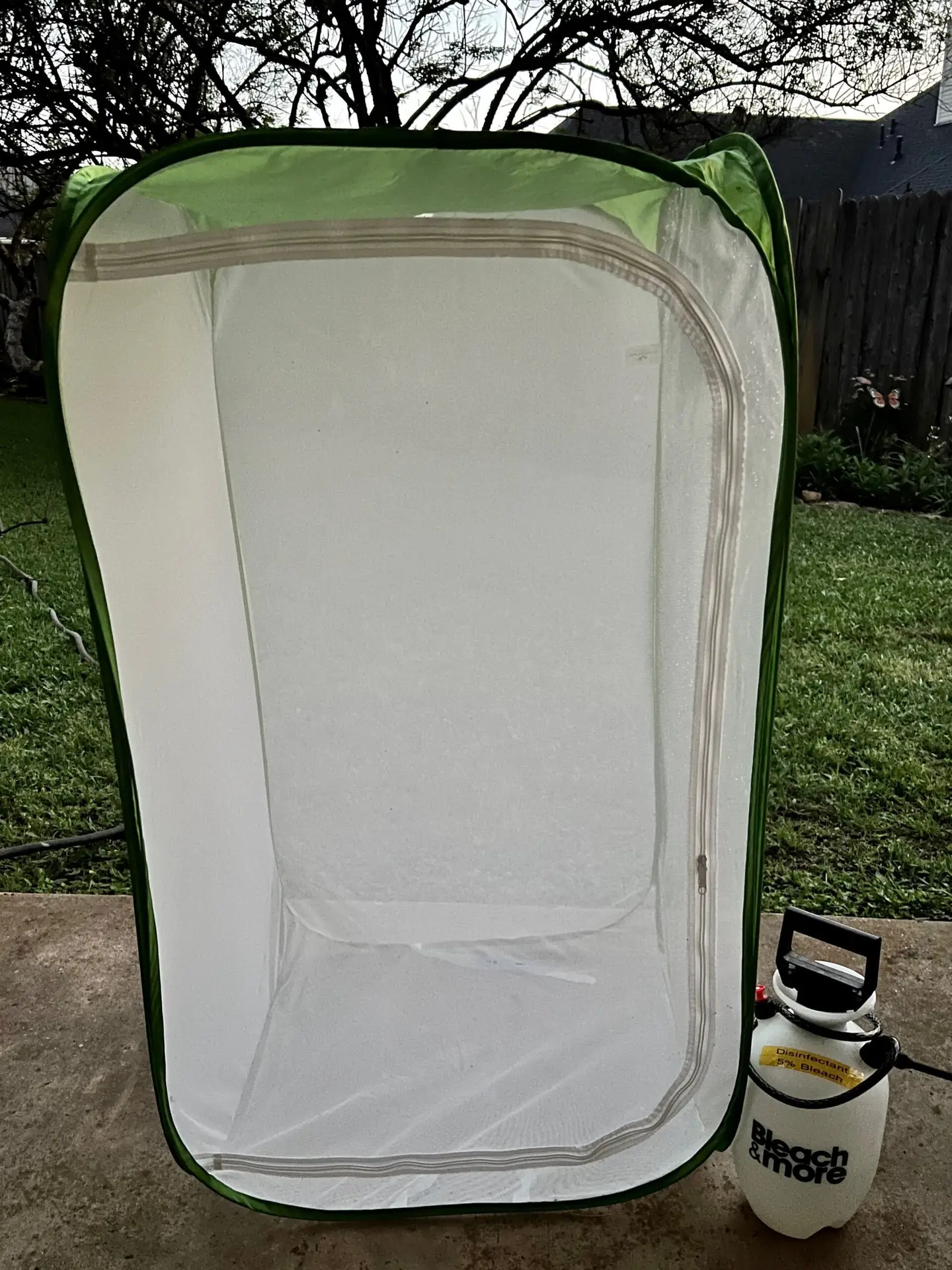
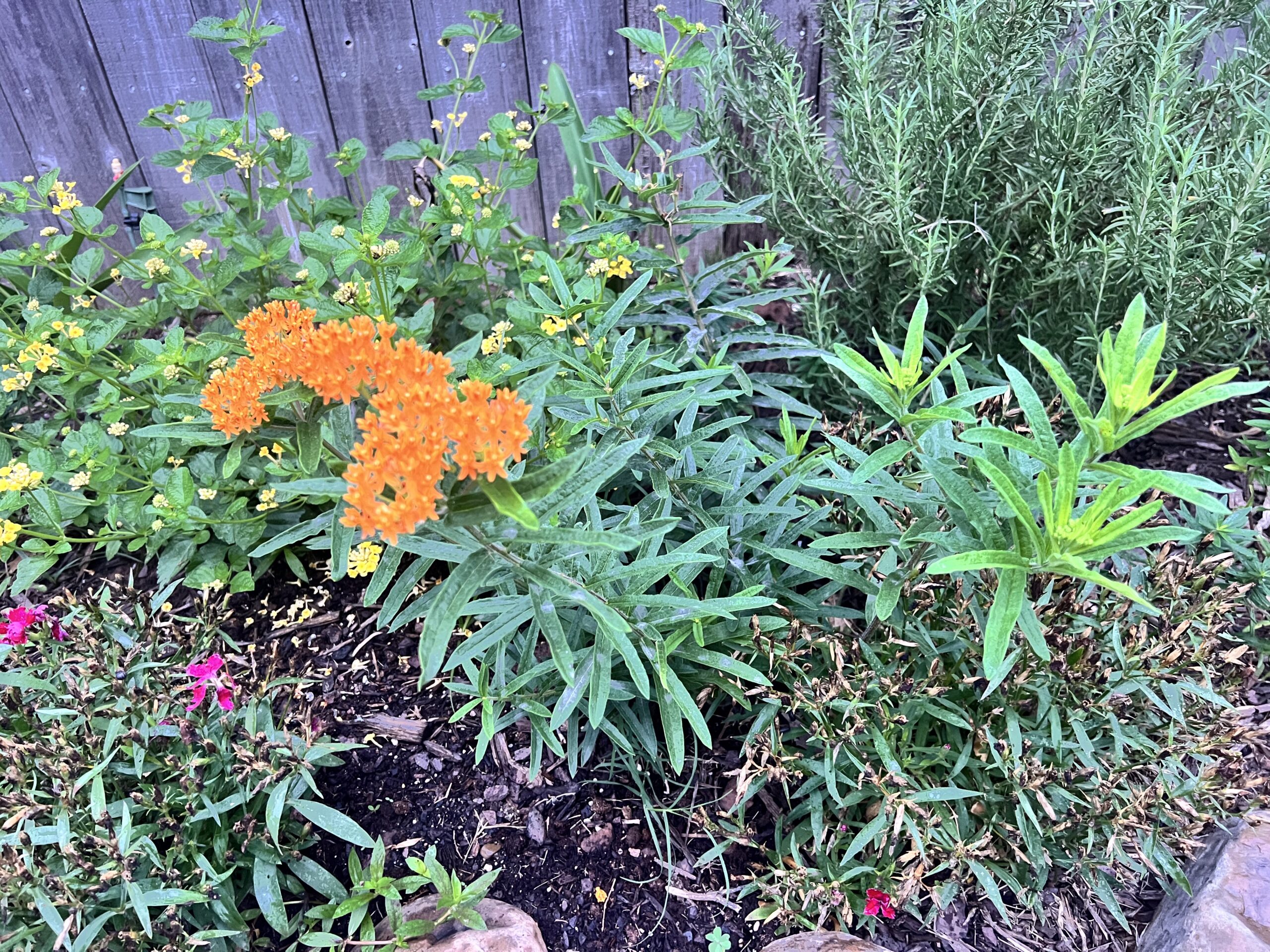
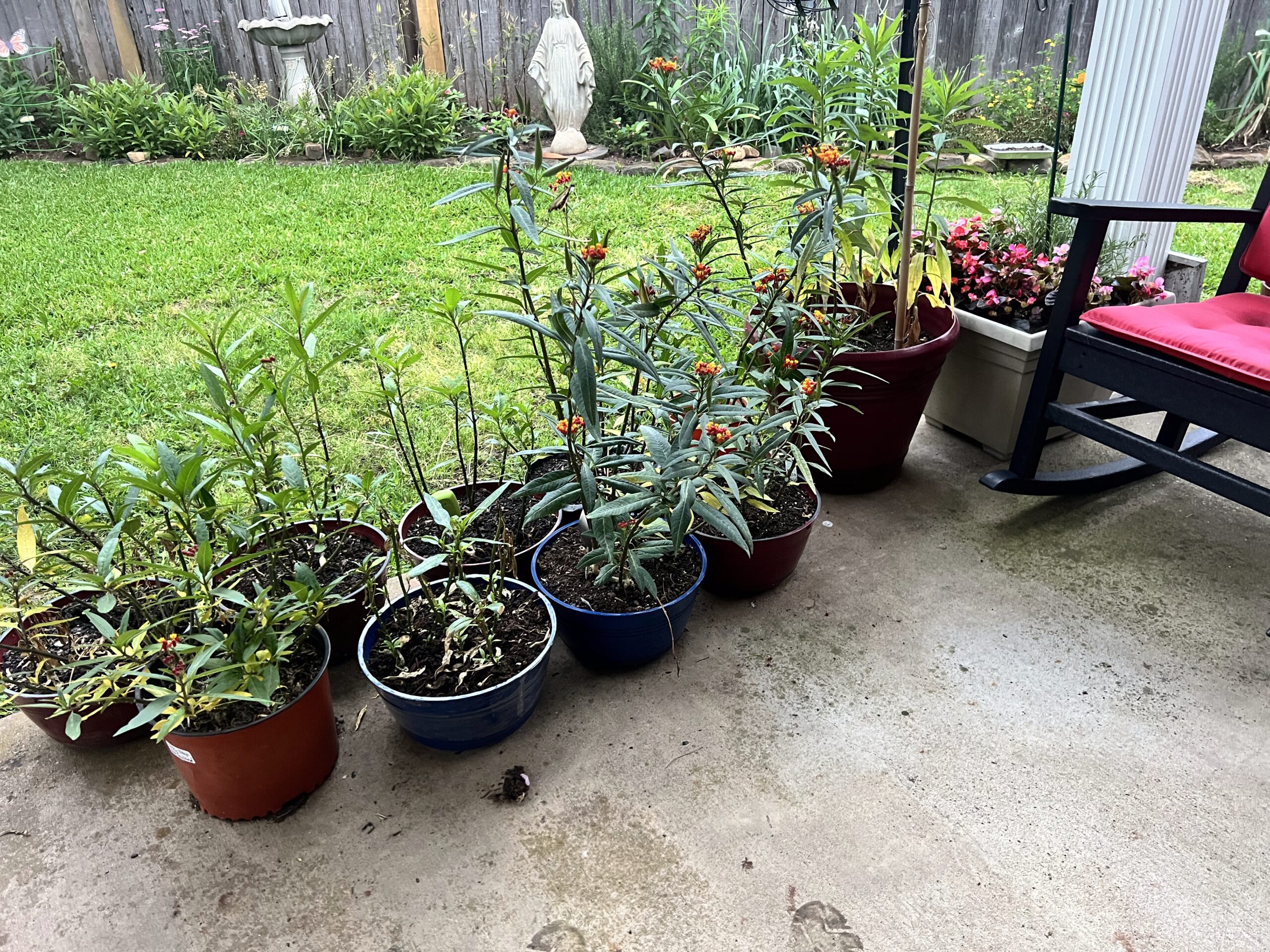
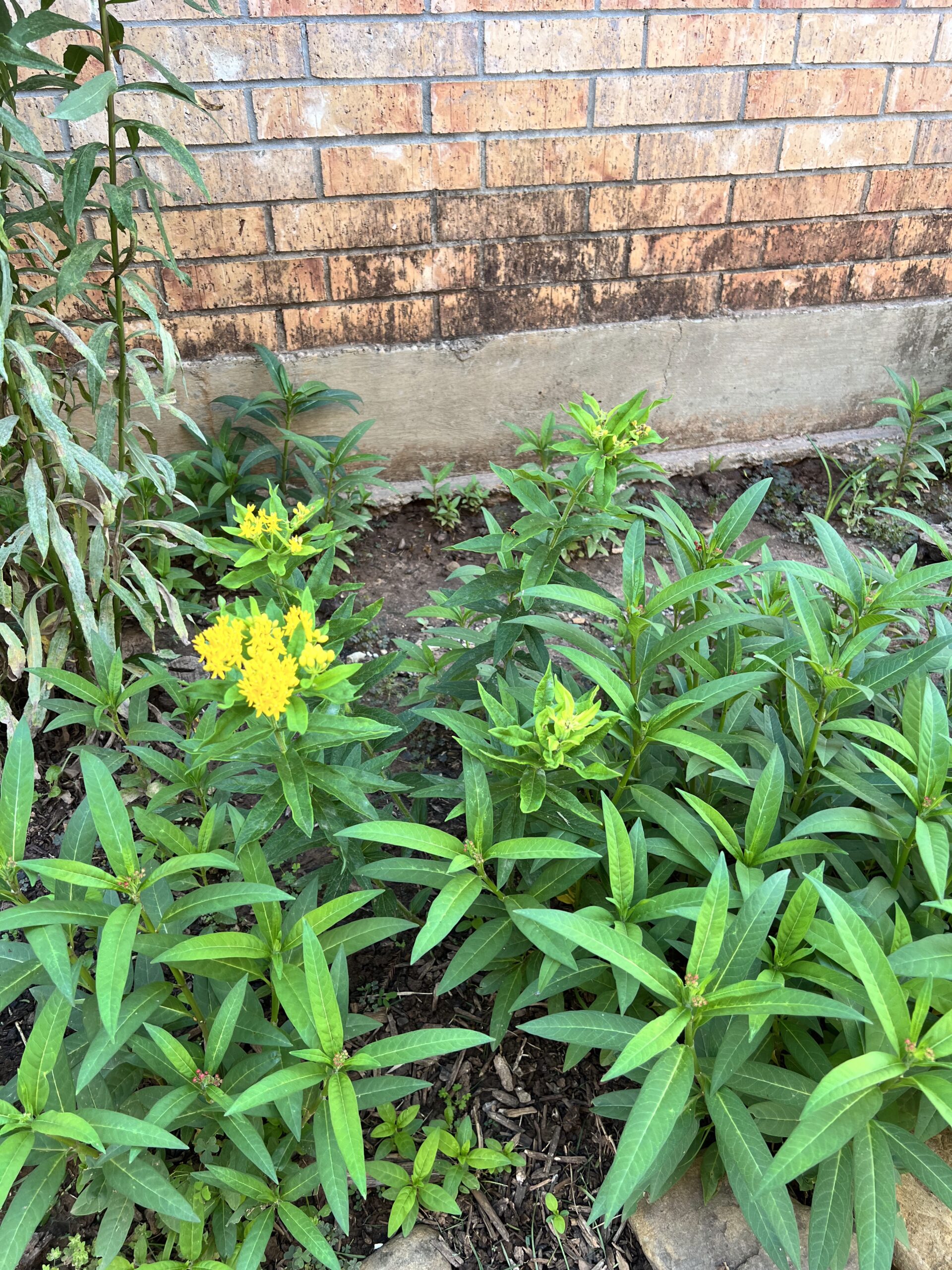
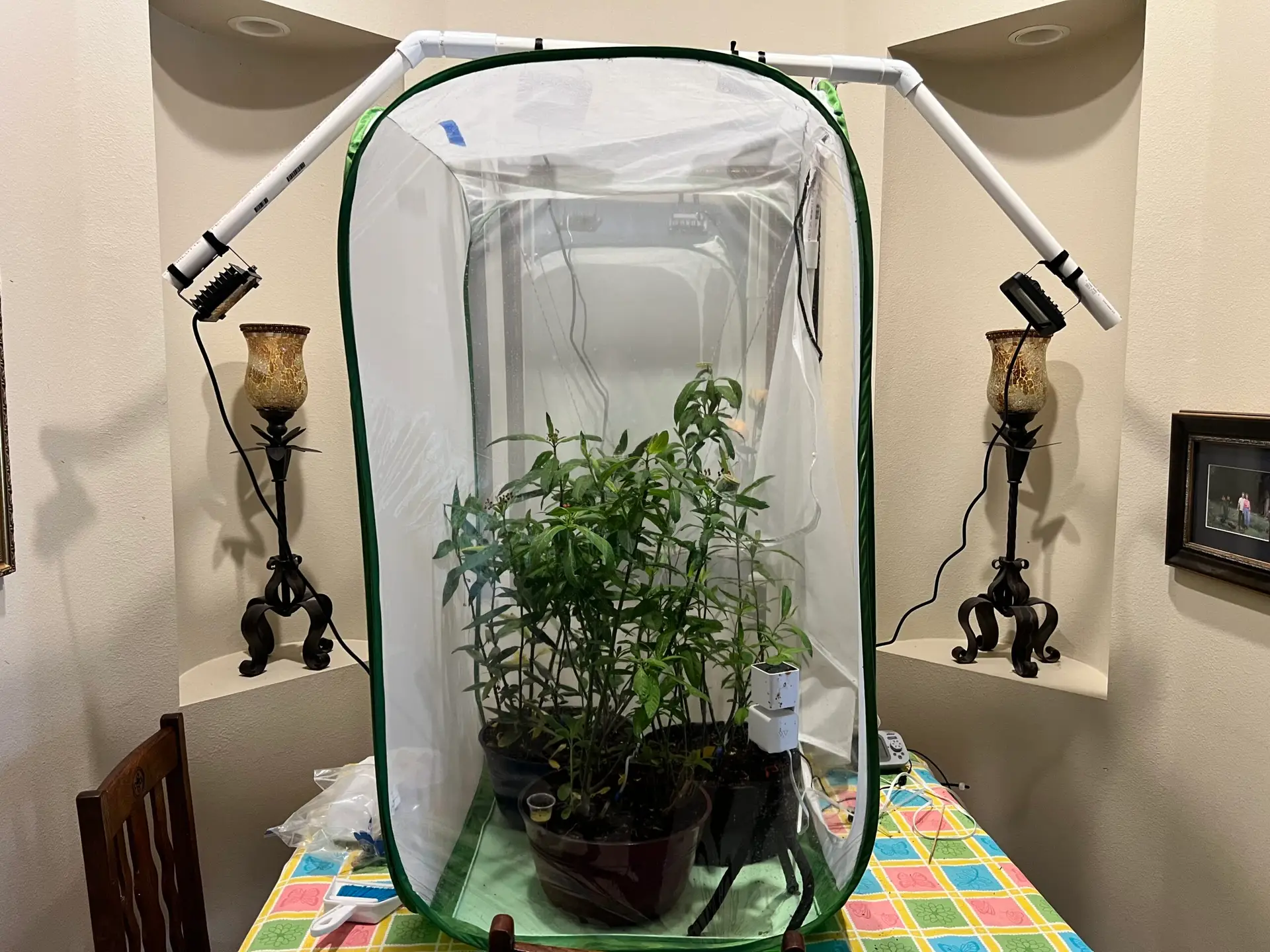
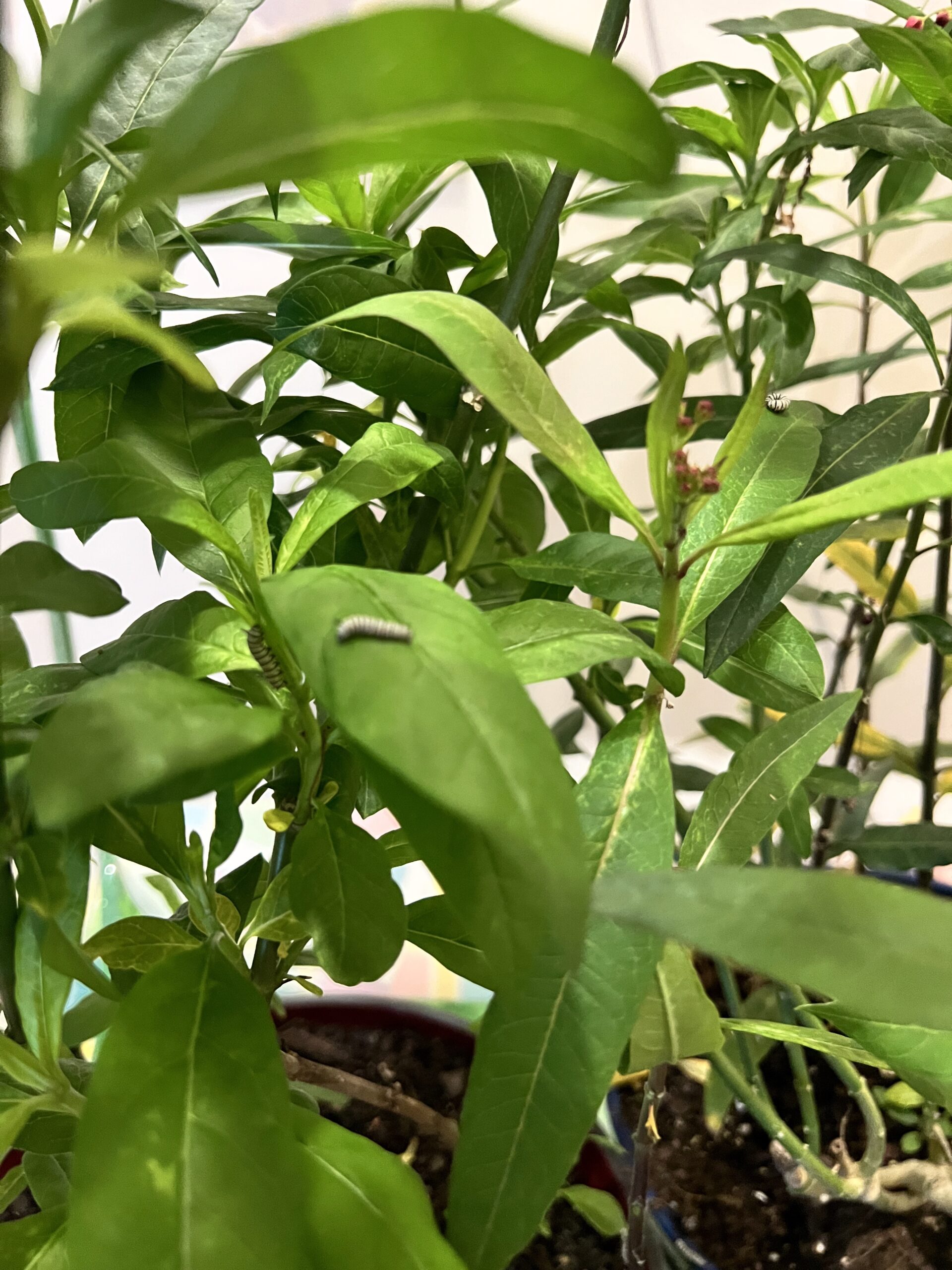
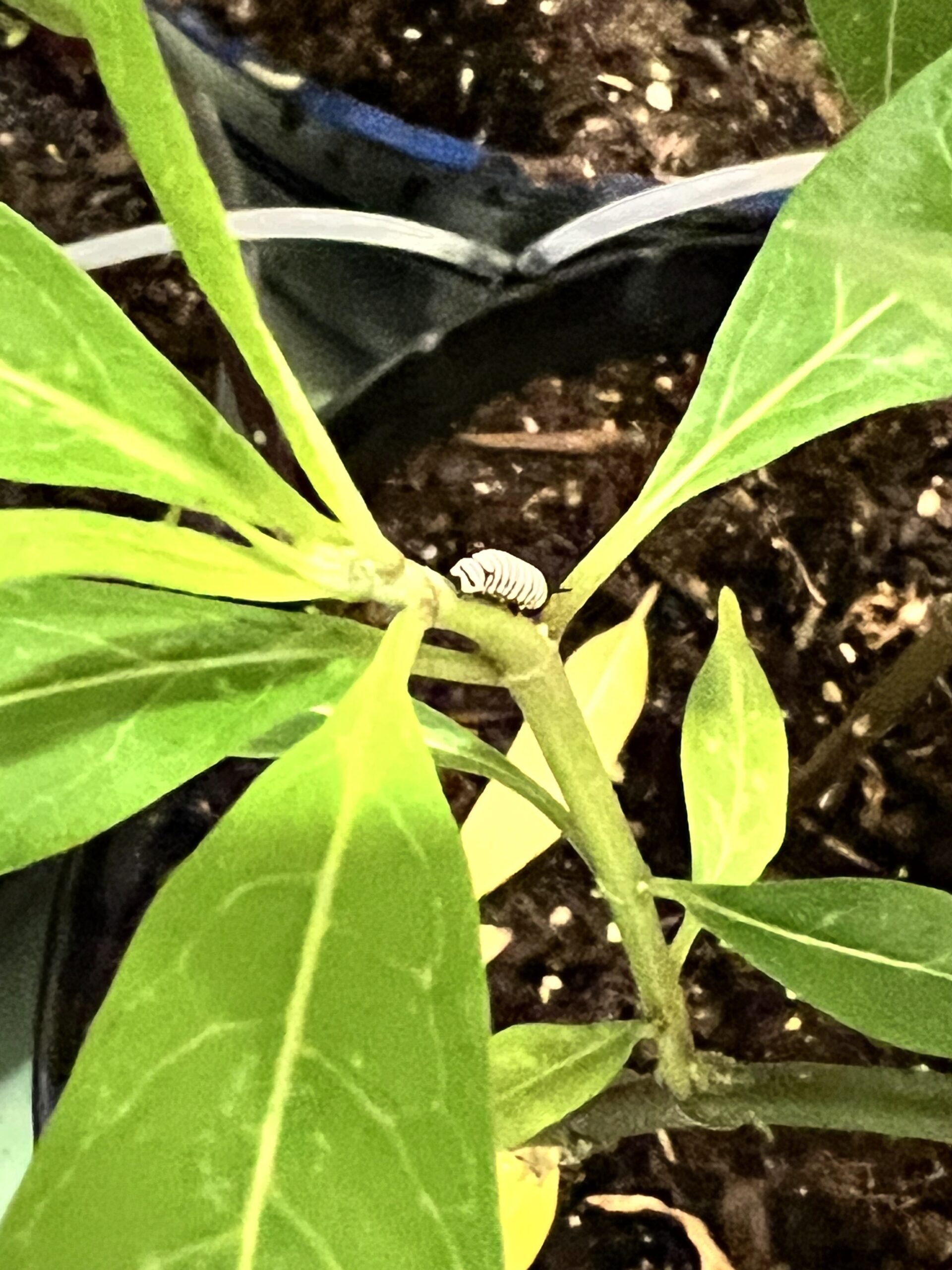
Regular patrols of the milkweed garden have yielded promising results. We have collected over 20 caterpillars in various instar stages, ranging from early first instars to more advanced fourth instars. These young monarchs are now safely housed in our controlled rearing habitat, where they continue to feed and grow. Observing their development provides valuable insights into local population health and allows us to protect them from common garden threats during their most vulnerable periods. We will continue monitoring daily and releasing them as they reach adulthood.

Garden Care: Natural Pest Repellent Hacks Using Household Products

Maintaining a thriving milkweed and pollinator garden requires proactive yet gentle pest management that protects monarchs and other beneficial insects. Here are several effective, non-toxic repellent options made from common household items:

⦿ Dish Soap Spray: Mix 1 tablespoon of mild liquid dish soap (without bleach or degreasers) in 1 quart of water. Add a teaspoon of vegetable oil for better adhesion. Spray in the evening on affected plants to target soft-bodied pests such as aphids. Rinse plants lightly the following day if needed.

⦿ Garlic Repellent Spray: Crush 3–5 garlic cloves and steep in 1 cup of hot water overnight. Strain, add a dash of mild soap, and dilute in a quart of water. This aromatic spray repels many insects while remaining safe for monarch habitats.

⦿ Hot Pepper Spray: Mix 1–2 tablespoons of cayenne pepper or hot pepper flakes with 1 cup of water. Let sit overnight, strain, and add a small amount of mild soap. Apply sparingly to deter caterpillars and other pests.

⦿ Baking Soda Solution: For fungal issues or certain soft pests, dissolve 1 teaspoon of baking soda in 1 quart of water with a drop of soap. This creates a mild deterrent that supports overall plant health.

Always test sprays on a small area first and avoid applying during peak pollinator activity or in direct hot sun. These methods help maintain balance in the garden without harming the monarchs we aim to support.

Habitat Care: Sanitation and Maintenance Hacks

Proper habitat hygiene remains essential to prevent the spread of parasites such as Ophryocystis elektroscirrha (OE). A reliable disinfection method involves using a 5% bleach solution (approximately 1 part bleach to 19 parts water). Thoroughly clean all rearing containers, enclosures, and tools after each use or between batches. Soak items for at least 15–30 minutes (or longer for thorough sterilization), then rinse extremely well with clean water and allow to air dry completely before reuse.

Additional habitat care notes this week include:

Monitoring milkweed for new growth and providing fresh plants, stems and/or leaves as needed for the collected caterpillars.

Maintaining moisture levels without waterlogging.

Documenting development stages to track progress.

Consistent sanitation and gentle care practices significantly improve survival rates for reared monarchs.

Fun Monarch Butterfly Facts

To enrich our appreciation of these remarkable insects, consider the following facts:

Monarch butterflies undertake one of nature’s most extraordinary migrations, with eastern populations traveling up to 3,000 miles to overwintering sites in Mexico.

Their vibrant orange and black coloration serves as aposematic warning to predators, derived from cardenolide toxins accumulated from milkweed.

A single caterpillar can consume an entire milkweed leaf in a day during peak growth phases.

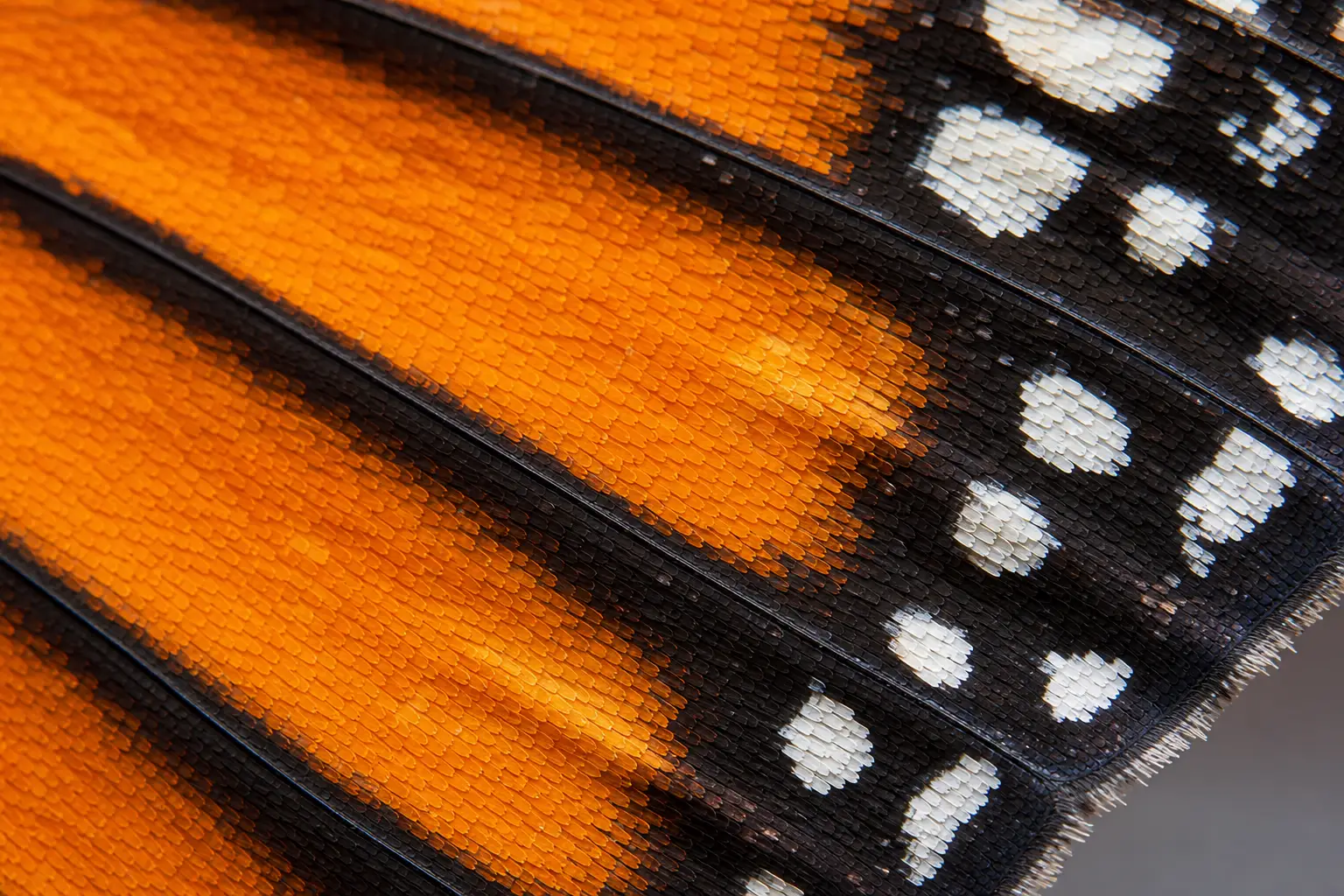
Monarch wings feature thousands of microscopic, overlapping scales that produce their striking colors and aid aerodynamic efficiency.

Adult monarchs typically live 2–6 weeks in breeding seasons, while the migratory generation can survive 6–8 months.

They flap their wings at a relatively slow rate of 5–12 times per second, resulting in a graceful, floating flight pattern.

The genus name Danaus relates to ancient mythology, and plexippus loosely translates to “sleepy transformation,” reflecting their overwintering and metamorphic biology.

Our collective efforts in garden stewardship and responsible rearing continue to make a meaningful difference for monarch populations in Northwest Louisiana. Thank you for following along and for any contributions you make in your own spaces. Please share your sightings, photos, or questions in the comments. Together, we support these vital pollinators.

Flutter and Float with the Monarchs,

The Monarch Butterfly Wrangler

Comments (0)

Your email address will not be published. Required fields are marked *

*