Preparing a Monarch-Friendly Flower Bed: Week-by-Week Prep and Layout Ideas for the 2026 Spring Migration

Preparing a Monarch-Friendly Flower Bed: Week-by-Week Prep and Layout Ideas for the 2026 Spring Migration

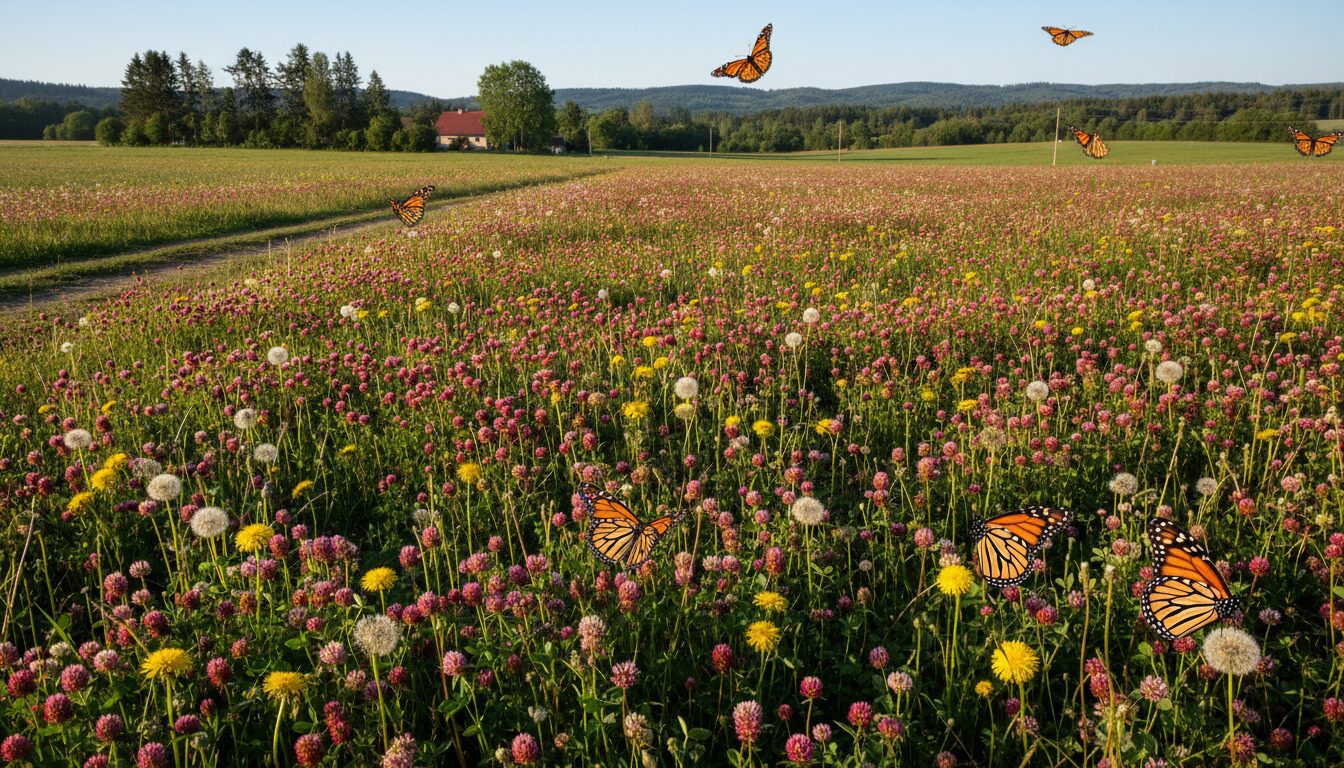
As the days lengthen and temperatures begin to climb, monarch butterflies are emerging from their overwintering sites in Mexico, embarking on their multi-generational journey north. Now is the perfect moment to shape your garden or flower bed into a welcoming haven that offers both nectar and nursery space for these winged travelers. As a fellow enthusiast in the South, I’ve found that early preparation not only welcomes these travelers but also creates lasting memories for families and communities. This post walks you, step by step, from bare ground to a thoughtfully designed monarch-friendly bed you can enjoy all season.


Why Bed Prep Matters Now

Monarchs arrive hungry and in need of safe, chemical-free spaces to lay their eggs. If your garden beds are ready before they show up, you’ve already given them a head start. In regions like northwest Louisiana, including Bossier City, where warmer winters can accelerate monarch arrivals, prepping now aligns with the first wave of the northward migration. A well-prepared bed doesn’t just look pretty; it supports the monarch life cycle from egg to butterfly and reduces your workload later in the season. Good prep now means less weeding and more time observing the full lifecycle unfold.
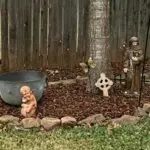
Step 1 – Choose the Right Spot

Before you grab a shovel, take a slow walk around your yard and look at it through monarch eyes.

Look for sun: Choose a location that gets at least 6 hours of direct sunlight. Monarch host and nectar plants thrive in sunny spots.

Avoid spray zones: Steer clear of areas near regular pesticide or herbicide use, including overspray from neighboring lawns.

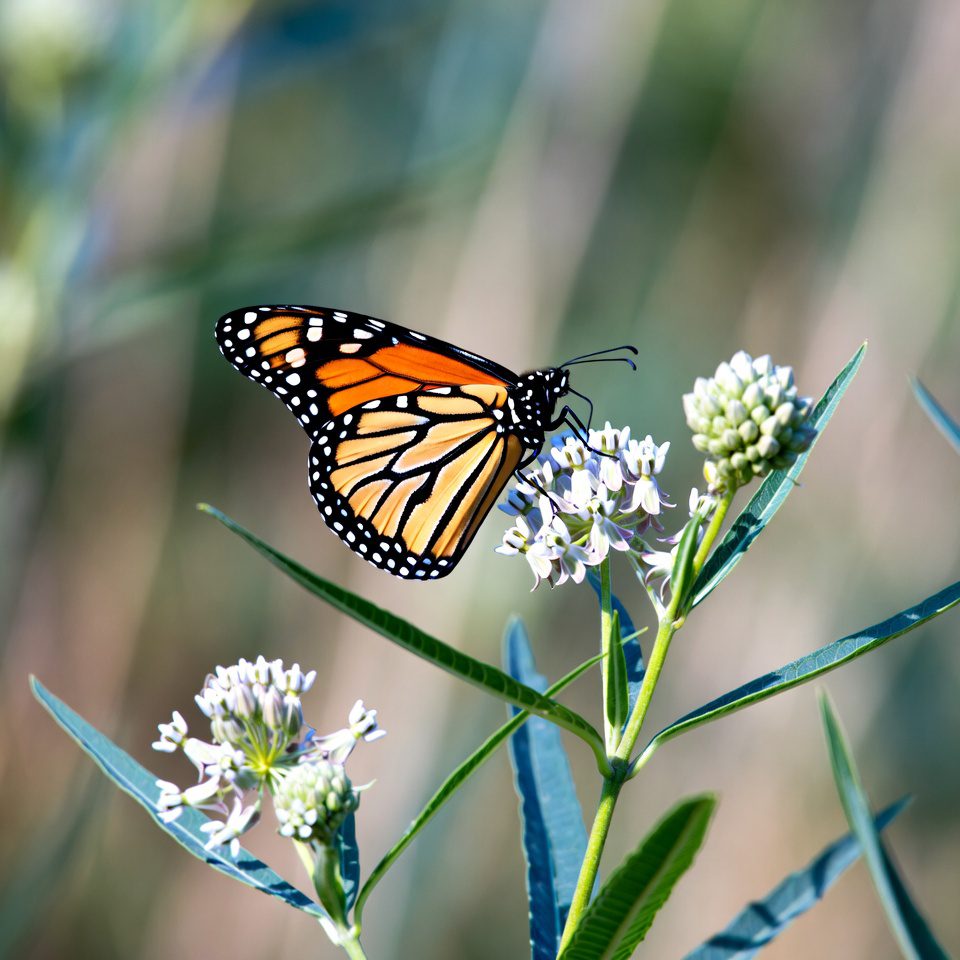
Consider drainage: If your yard stays soggy, plan for a slightly raised bed or use species like swamp milkweed (Asclepias incarnata) or aquatic milkweed (Asclepias perennis), which thrive in moist Southern conditions. If it’s very dry, plan to add plenty of organic matter and mulch.

Think about visibility: Place the bed where you and your family can easily see it from a window or porch. Monarch watching should be part of your daily life, not a once-a-week trek to the back corner. This placement turns your bed into a daily ‘monarch watch’ station, much like the migration observations we cherish in the South.

If you garden in a hot, humid climate with heavy rains, like much of northwest Louisiana around Bossier City, you already know how quickly things can grow out of control. Choosing a defined space you can realistically maintain is just as important as choosing the “perfect” sun exposure.


Step 2 – Clear, Amend, and Shape the Bed

Once you’ve chosen your spot, it’s time to roll up your sleeves. This is where your monarch bed goes from idea to reality.

Remove turf and weeds: Strip away grass and stubborn weeds, especially aggressive spreaders like bermuda. For persistent invaders like Bermuda grass common in Southern yards, consider solarization with clear plastic for a chemical-free approach. Try to get roots out now so you’re not fighting them all season.

Loosen and enrich the soil: Use a shovel, garden fork, or tiller to loosen soil 8–12 inches deep. Mix in compost or well-aged organic matter to improve structure, drainage, and fertility. In clay soil: work extra compost in and avoid walking on the bed once it’s fluffed. In sandy soil: organic matter will help hold moisture and nutrients.

Shape the bed: Slight mounds or raised rows help prevent waterlogging. Consider gentle curves instead of straight lines for a more natural, flowing look that echoes a meadow.

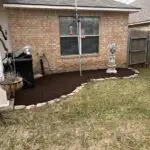
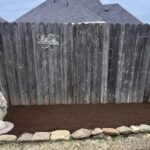
Edge the space: Use stone, brick, metal edging, or even repurposed logs to outline your monarch bed. Edging visually says, “This is intentional,” and also helps keep grass from creeping in.

You’re building the stage for the monarch lifecycle to unfold.


Step 3 – Design a Layered Monarch Planting Plan

Now the fun begins: deciding what goes where. A simple layered design works beautifully for both monarchs and other pollinators. Prioritize native species adapted to your USDA zone (e.g., zone 8a in northwest Louisiana around Bossier City) for resilience and minimal maintenance. Think in three zones—back, middle, and front—arranged by height.

Back Zone – Tall Nectar Plants

These are the backdrop and buffet line.

Height: About 3–5 feet.

Plant ideas (adjust to your region):

– Joe-Pye weed
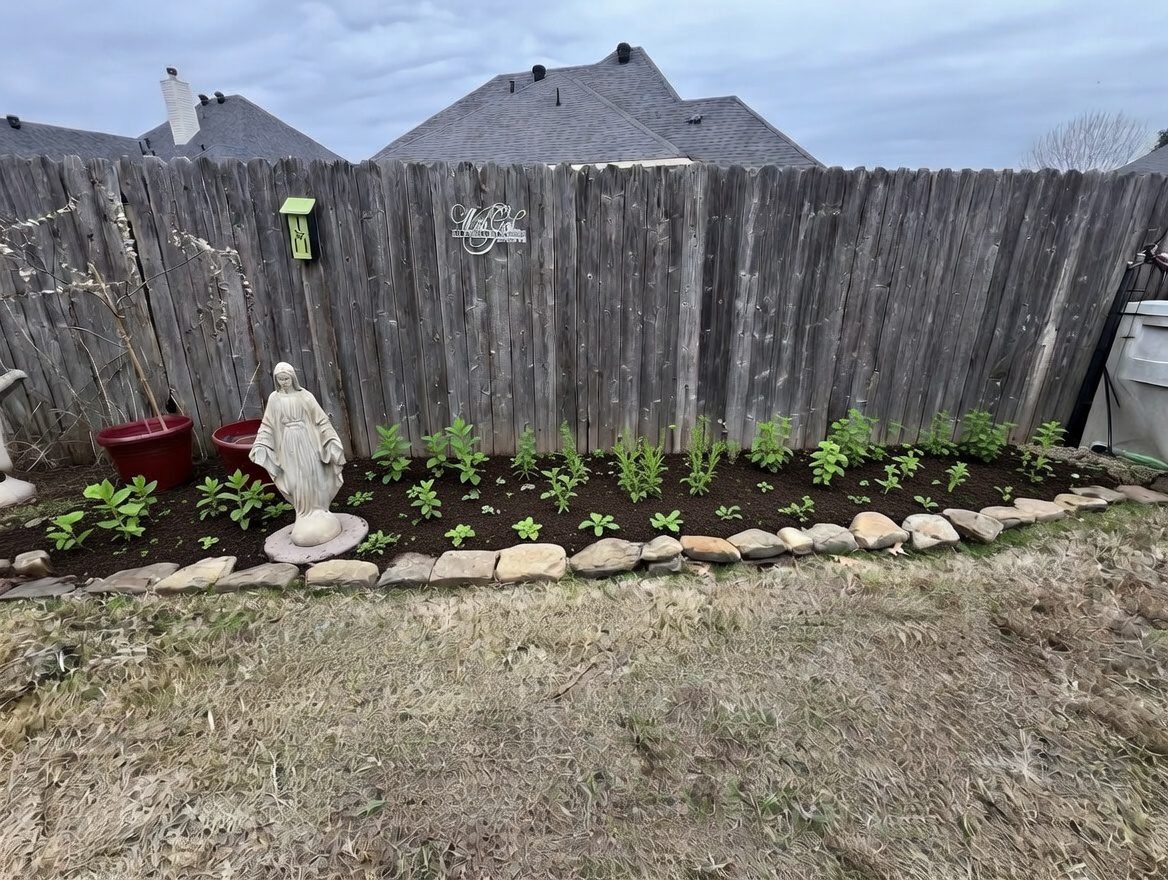
– Tall salvias

– Tall zinnias

– Native ironweed (Vernonia spp.) or similar native tall nectar plants

These plants create a soft windbreak and offer abundant nectar for monarchs and many other pollinators.

Middle Zone – Milkweed: The Nursery

This is the heart of your monarch bed—the host plants where females lay eggs and caterpillars grow.

Height: Around 2–3 feet.
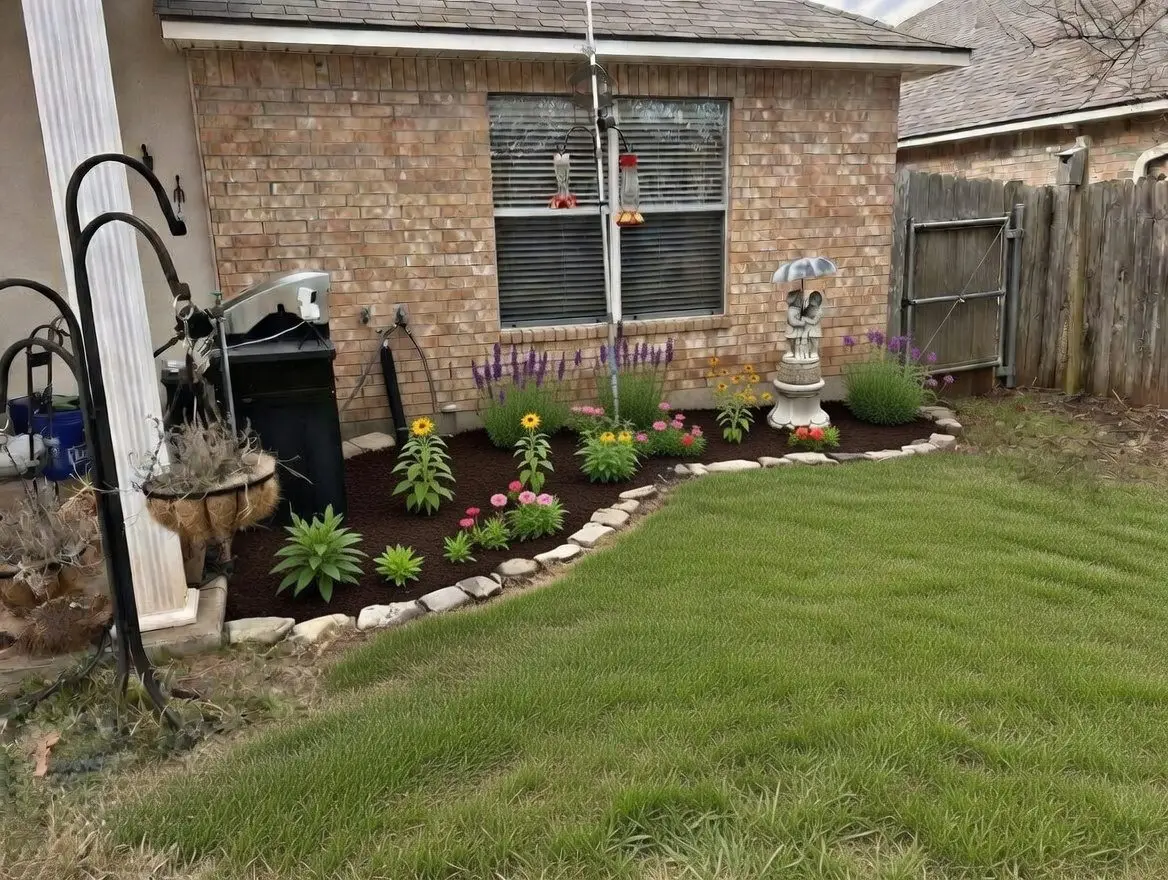
Plant ideas (choose species appropriate to your region):

– Swamp milkweed (great for wetter soil)

– Aquatic milkweed (for very damp spots)

– Butterfly milkweed (for well-drained, sunny places)

Plant in small clusters so monarchs can easily find and move between plants. Aim for at least three milkweed species to support genetic diversity and continuous availability. Your goal here is variety and resilience: if one patch gets eaten down, another is ready to step in.

Front Zone – Low Nectar and Color

This is where you add eye-level color and easy-access nectar.

Height: About 1–2 feet.

Plant ideas:

– Lantana (opt for native alternatives like Texas lantana in invasive-prone areas)

– Dwarf zinnias

– Compact salvias

– Low-growing native flowers appropriate to your area

These front-edge plants draw you—and the butterflies—right to the bed. They also make the garden inviting for children and visitors who may be seeing monarchs up close for the first time.

A Simple 4′ x 8′ Monarch Bed “Recipe”

Here’s an easy starter plan you can adapt to your yard:

Back (along the longest side): 3–4 tall nectar plants spaced about 18–24″ apart.

Middle: 6–8 milkweed plants in two staggered rows, about 12–18″ apart.

Front (facing your main viewing area): 6–10 low nectar plants spaced 10–12″ apart for a colorful border.

Adapt spacing based on your local climate; in humid Southern areas like northwest Louisiana, allow extra room to promote airflow and reduce fungal risks. You can sketch this on paper, label each zone, and take the sketch outside with you as you plant. It doesn’t have to be perfect—nature will happily soften any rigid lines you put down.


Step 4 – What to Do This Week vs Later

It’s easy to feel overwhelmed by everything that “needs” doing. Breaking tasks into “this week” and “later” makes it manageable.

This Week (Late February / Early Spring)

Focus on the foundation:

– Walk the yard and choose your bed location.

– Mark the outline with stakes, string, or even a garden hose.

– Remove turf and weeds from the chosen area.

– Loosen soil and work in compost.

– Shape the bed and install edging.

Monitor local frost dates (e.g., mid-to-late March in the Bossier City area) to time your actions safely. If your soil is workable and local conditions allow, you can: Plant hardy perennials that tolerate cool temperatures. Set out any milkweed plants that are hardened off and suitable for planting now in your climate. If you’re still at risk of hard freezes, aim to have the bed prepped and ready, even if you wait a bit longer to plant tender species.

In the Coming Weeks

As weather stabilizes and the risk of frost passes:

– Add your main milkweed plantings.

– Fill in with nectar plants that bloom at different times, so something is always in flower.

– Incorporate companion plants like dill or fennel to attract additional pollinators, creating a balanced ecosystem.

– Top the bed with 2–3 inches of mulch, keeping it a couple of inches away from plant stems, to conserve moisture and suppress weeds.

– Place a birdbath or shallow water source nearby with stones for safe footing.

This staggered approach keeps you moving forward without feeling like you must finish everything in one weekend.


Step 5 – Turn It Into a Monarch “Experience” Bed

A monarch flower bed can be more than a collection of plants; it can be a place where family, friends, and students connect with the full monarch story.

Consider adding:

– A “viewing stone” or stepping stone where children can stand to look for eggs and caterpillars.

– A small, shaded spot nearby for a portable enclosure if you rescue eggs or caterpillars to raise.

– A simple garden journal or clipboard in a weather-safe box so you can jot down (I carry a “waterproof notetaking material: https://www.riteintherain.com/) First monarch sighting of the season; When milkweed emerges; Which plants attract the most butterflies and bees.

– A decorative sign that announces your bed as a monarch or pollinator sanctuary.

Share your observations with online communities or local groups, as we do here at Monarch Butterfly Wrangler, to contribute to citizen science efforts. Over time, this bed becomes a living classroom and a place of quiet joy. You won’t just be growing flowers—you’ll be growing experiences, memories, and, of course, butterflies. In doing so, you’ll not only aid monarch recovery but also inspire others in our shared Southern landscapes.


This checklist is derived from the post “Preparing a Monarch-Friendly Flower Bed: Week-by-Week Prep and Layout Ideas for the 2026 Spring Migration.” It organizes the key actions into a printable format for easy reference. Print this document and use the checkboxes to track progress. Actions are grouped by step for clarity.

                             Down load for your use:
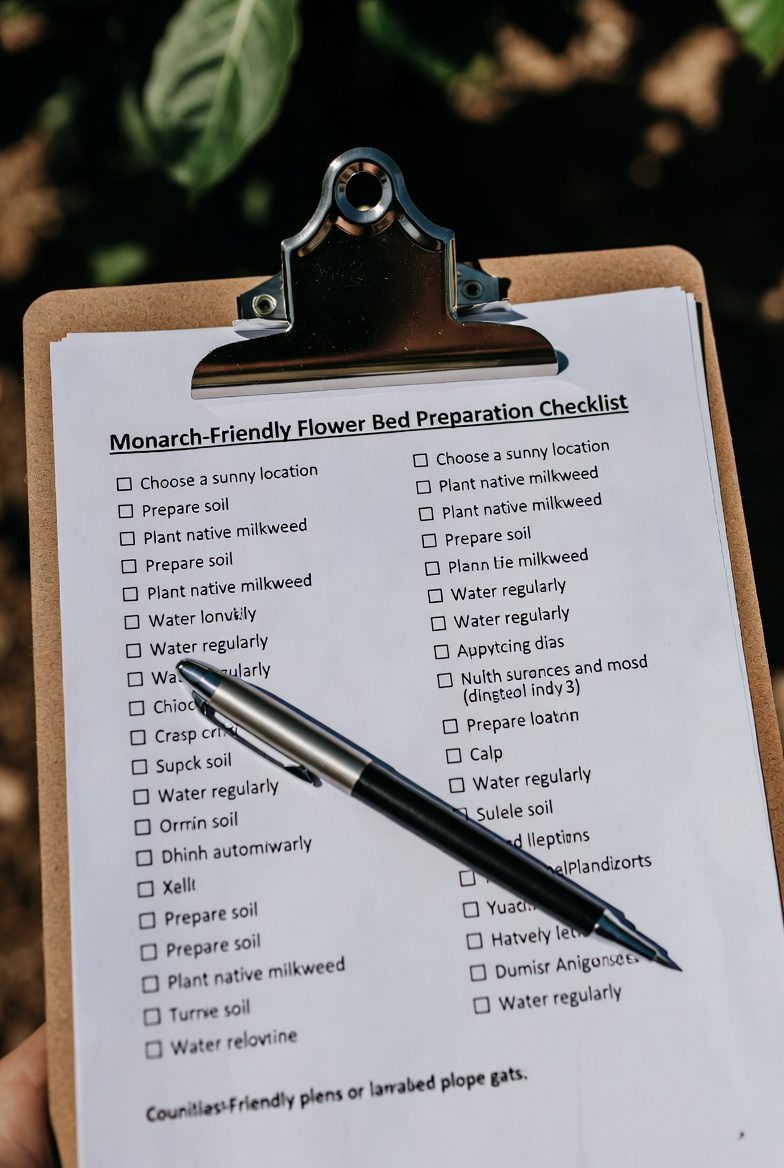
Monarch-Friendly Flower Bed Preparation Checklist

Comments (0)

Your email address will not be published. Required fields are marked *

*