Late March 2026 Monarch Breakthrough in Bossier City, LA: Nineteen Eggs Discovered – Signs of a Stronger Breeding Wave in Northwest Louisiana

Late March 2026 Monarch Breakthrough in Bossier City, LA: Nineteen Eggs Discovered – Signs of a Stronger Breeding Wave in Northwest Louisiana

As we approach the end of March 2026, the spring monarch migration continues its northward advance through the Gulf Coast, bringing encouraging signs of reproduction to Northwest Louisiana. The latest overwintering census, released on March 17, 2026, reports a 64% increase in the eastern monarch population. The butterflies occupied 2.93 hectares (approximately 7.24 acres) of oyamel fir forest in central Mexico this winter—the largest coverage since 2018. This positive development is now manifesting locally, with females actively laying eggs on milkweed as they move through Texas and into our region.
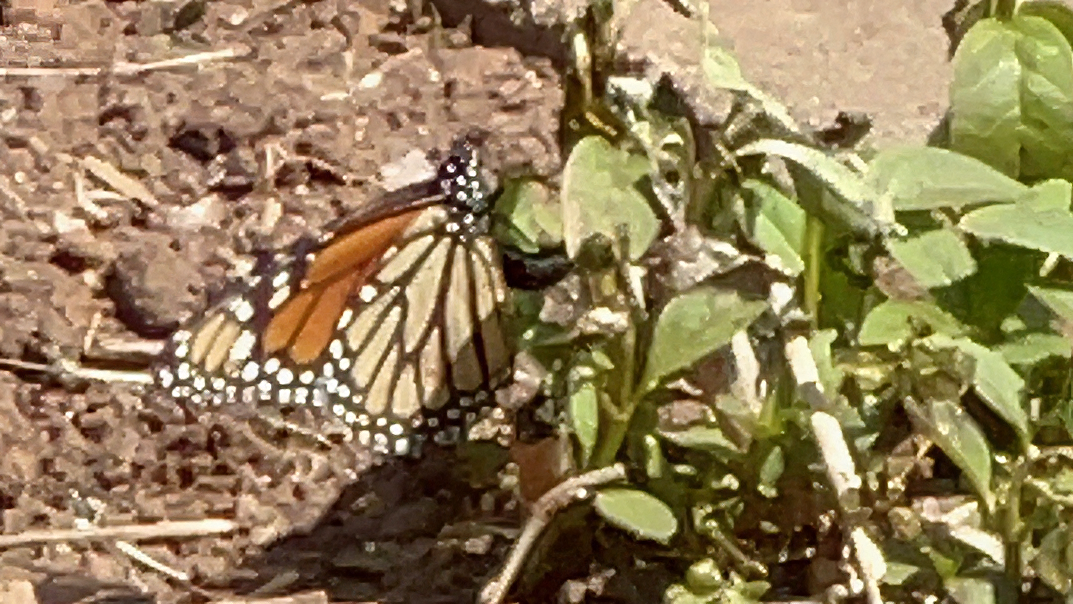
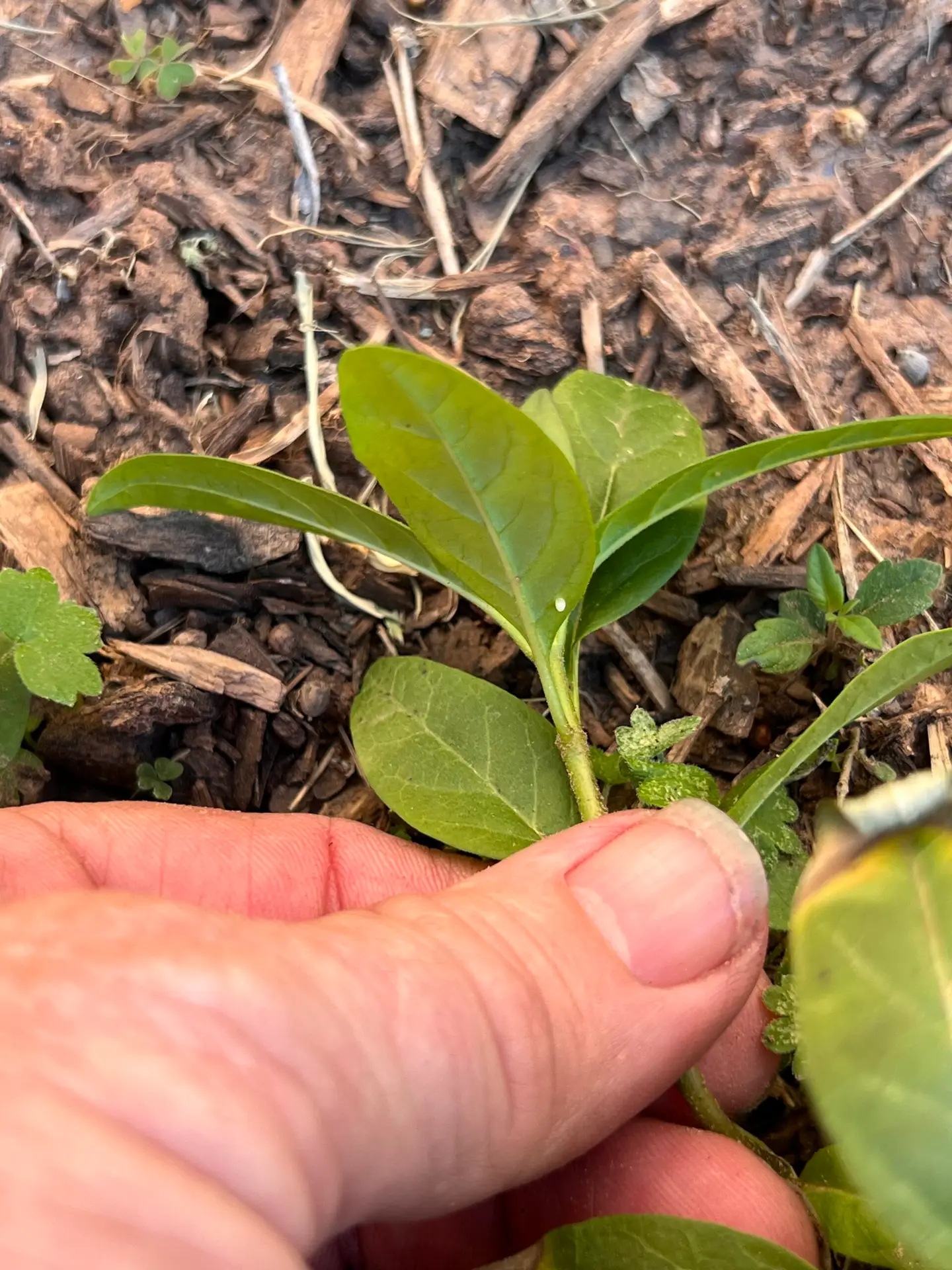
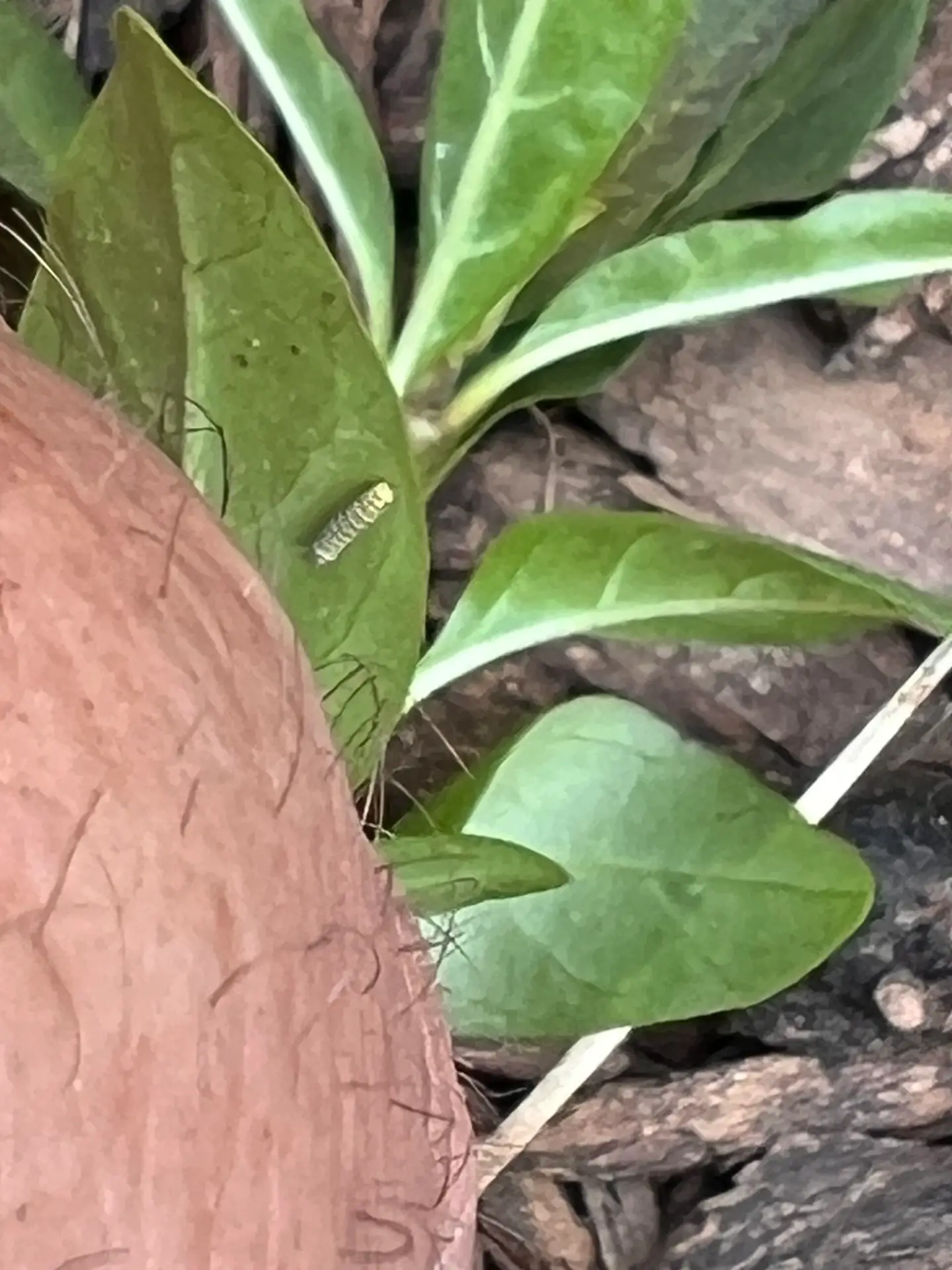
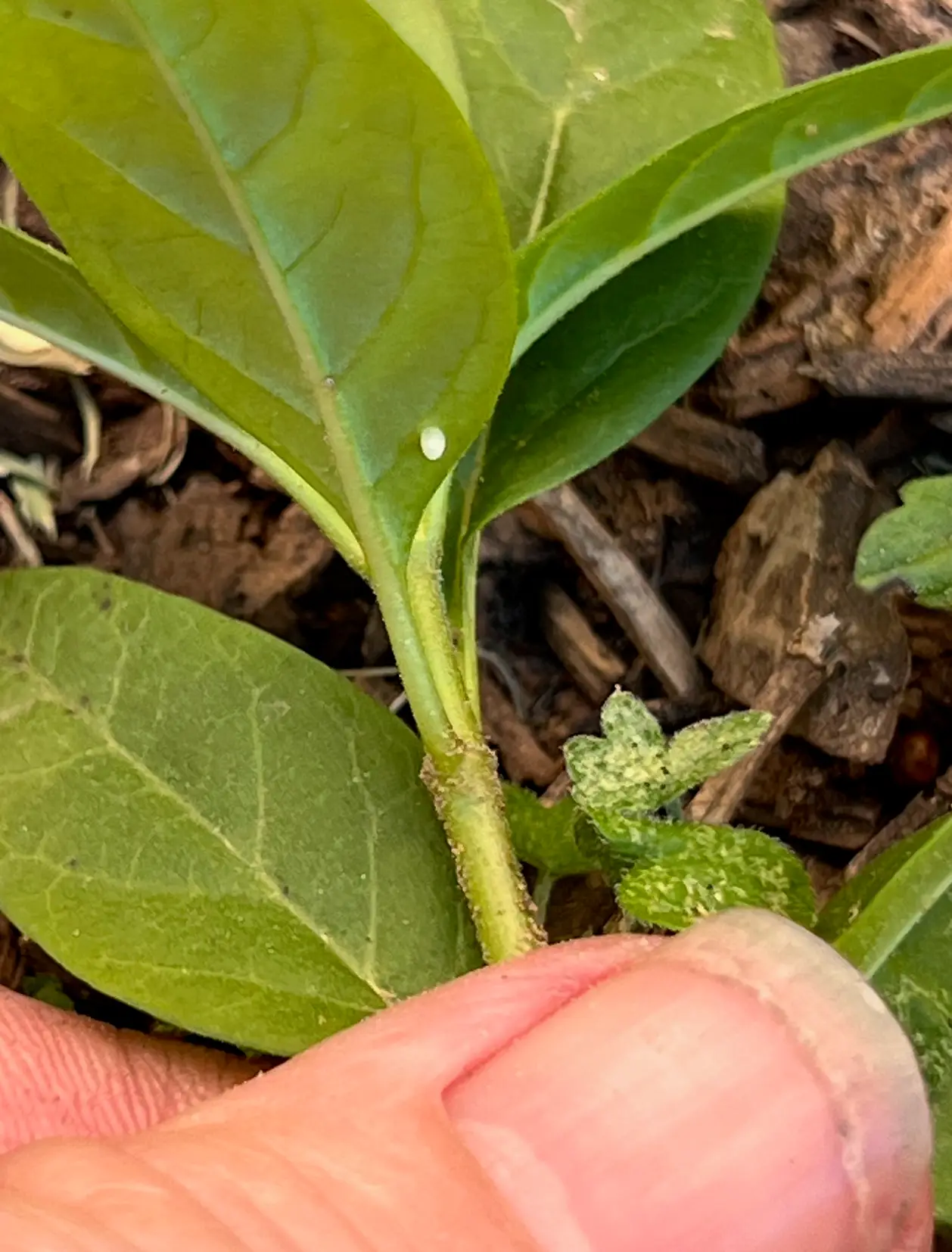
I am pleased to share a personal milestone from my Bossier City butterfly garden: I discovered **nineteen monarch butterfly eggs** on milkweed leaves this week.

The First Eggs of 2026 in My Bossier City Garden

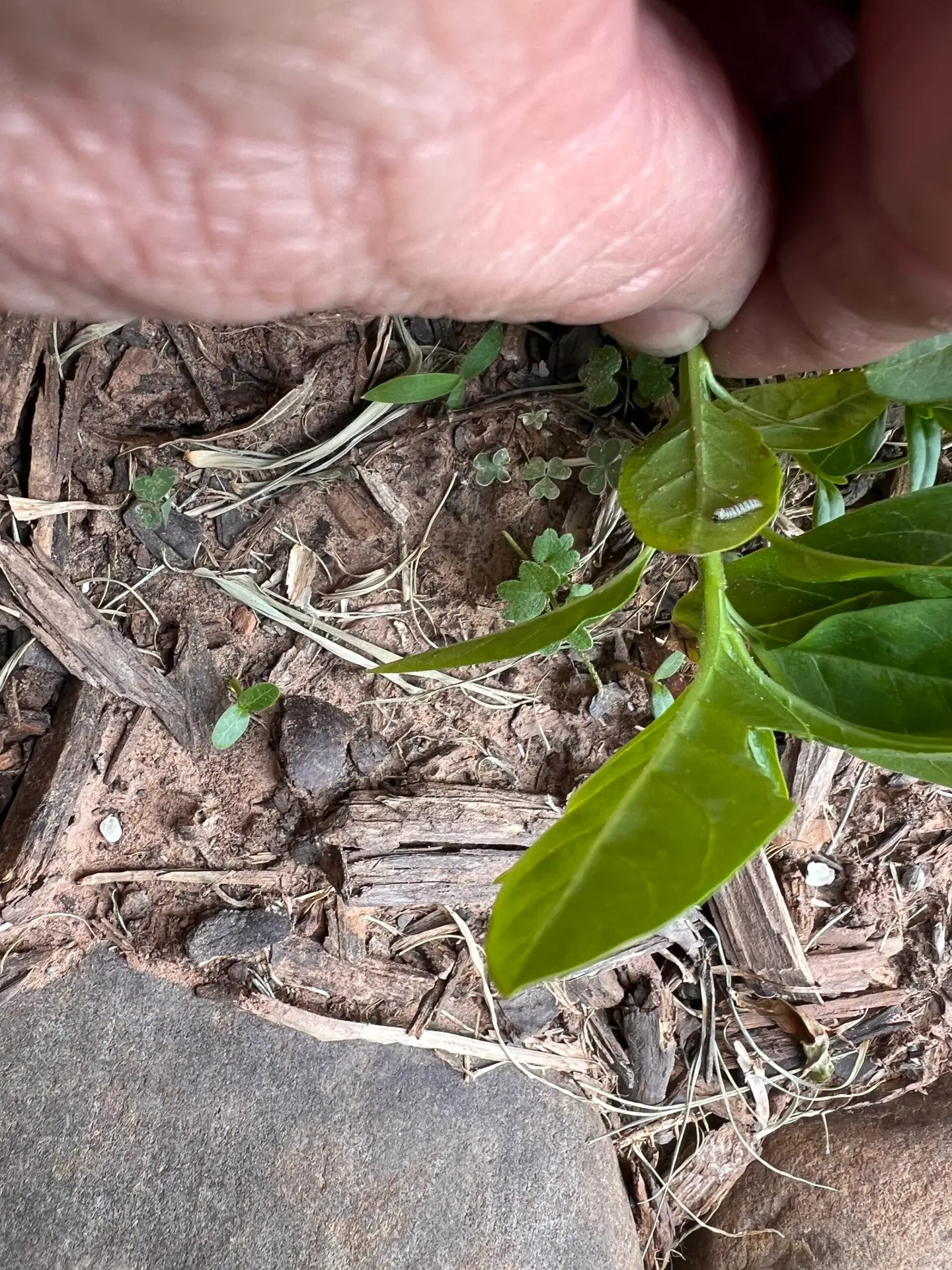
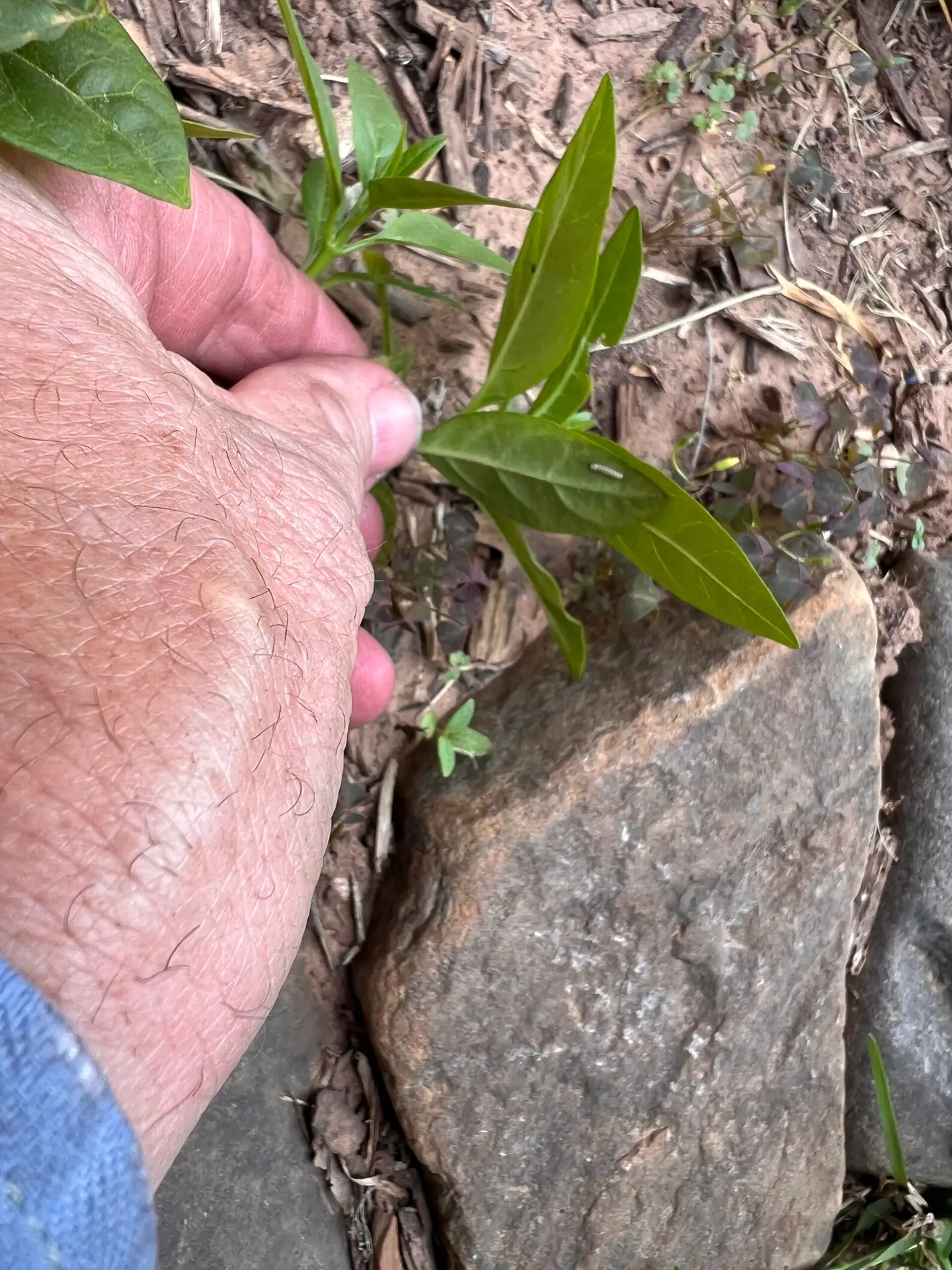
Early one morning this week, while performing my routine garden inspection, I noticed several small, pale specks on the undersides of fresh milkweed growth. A thorough examination of each plant revealed a total of nineteen eggs. Most were laid singly on the tender new leaves of my Tropical Milkweed (*Asclepias curassavica*), with a few on other varieties I maintain for extended host-plant availability. The timing is significant: these eggs coincide with the stronger 2026 migration wave reaching Northwest Louisiana, confirming that the vanguard females have arrived and are beginning the next generation right in our local gardens. This discovery follows recent reports of increased activity in the DFW area and aligns with the improved overwintering numbers, offering a hopeful indicator for the season ahead.

What Monarch Eggs Look Like (And Where to Search)

Monarch eggs are tiny—roughly 1 mm wide by 2 mm long—and appear creamy white to pale yellow when freshly laid. They have a distinctive oval or football-like shape with fine vertical ridges (ribbing) along the sides, tapering to a subtle point at the top. Under close inspection with a hand lens or macro photograph, these ridges help distinguish them from other small garden insects or debris.

Search primarily on the **undersides of young, tender milkweed leaves**, especially near the top of the plant where females prefer to deposit eggs for better protection and nutrition. Eggs are laid singly rather than in clusters. In my garden, they were concentrated on new growth that had emerged in the mild spring weather. If you are checking your own plants, examine leaves systematically—turn them gently and look carefully, as the eggs can be easy to overlook at first.

From Leaf to Safe Home: How I Collect Monarch Eggs

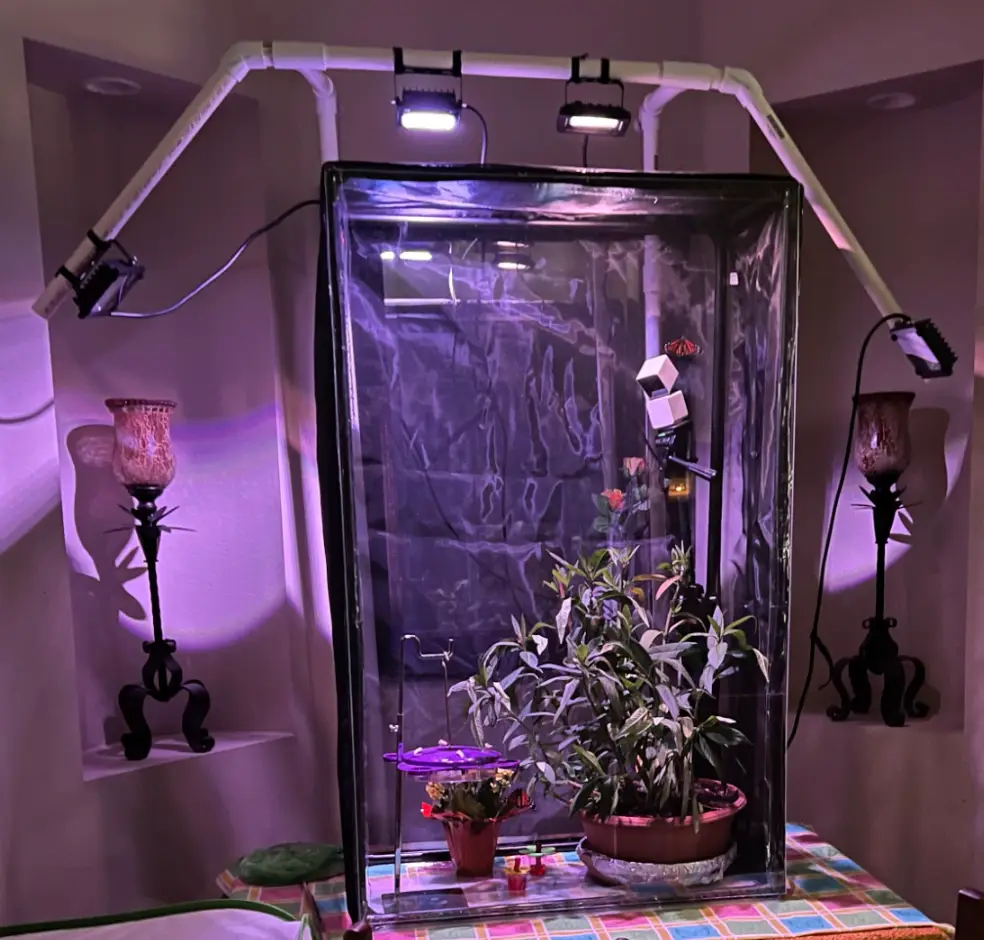
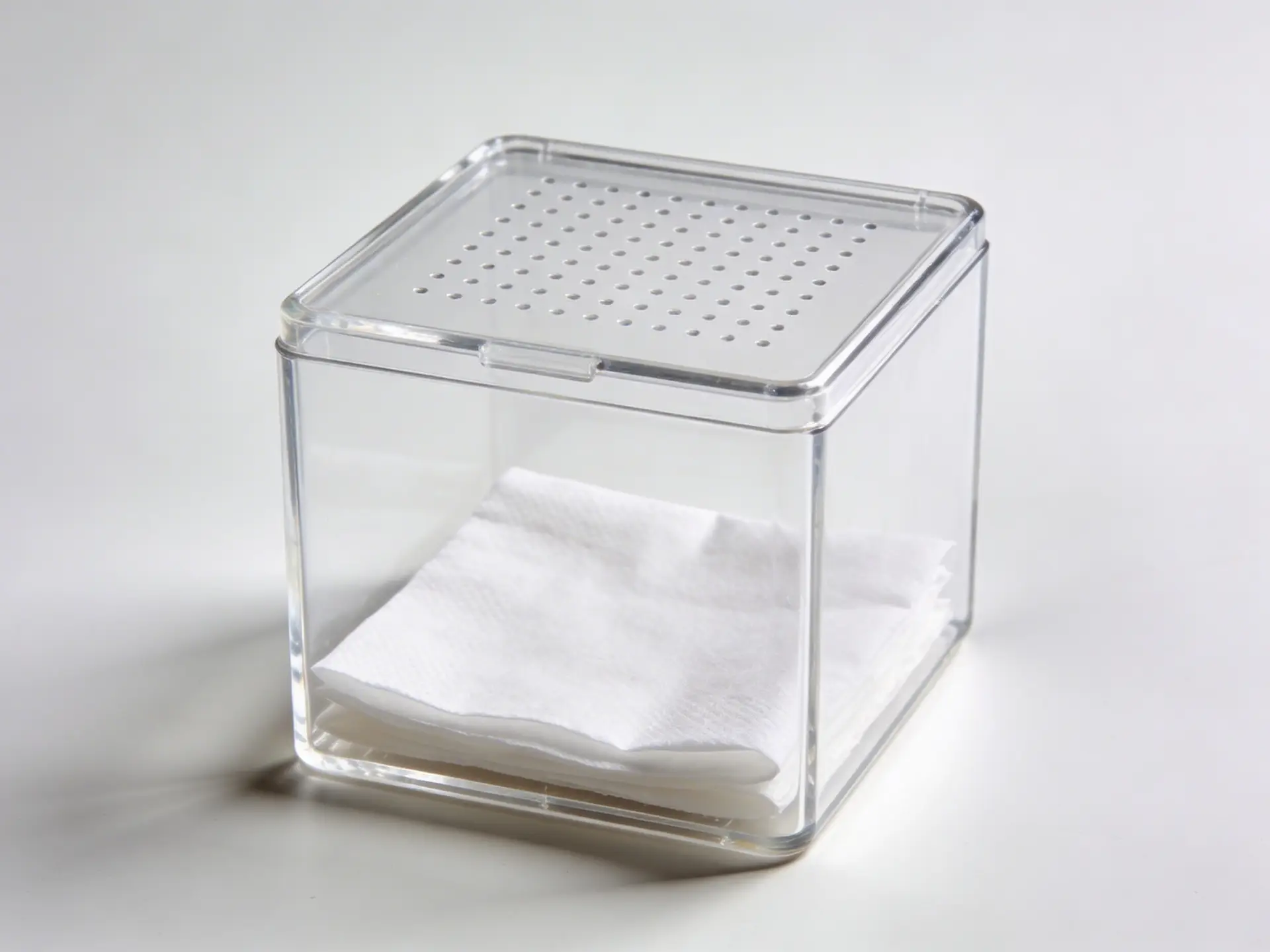
When I find eggs I wish to protect or raise, I follow a gentle collection method to minimize disturbance. I cut a small section of the leaf containing the egg, leaving ample surrounding tissue for the future caterpillar. Because I utilize live potted milkweed in my habitat, I place the clipped leaf section onto a fresh leaf of one of the plants in the rearing enclosure. Alternatively, you may place the leaf piece in a clean, small, ventilated container (such as a clear plastic cup with tiny holes in the lid) lined with a dry paper towel to absorb any excess moisture. Keep the container out of direct sun and check it daily, ensuring the leaf section remains fresh but not overly damp to prevent mold. Once the eggs near hatching or the tiny caterpillars emerge, transfer them to the main rearing setup with fresh milkweed. This careful approach helps increase survival rates during the vulnerable early stages.

Setting Up a Simple Rearing Enclosure for Beginners

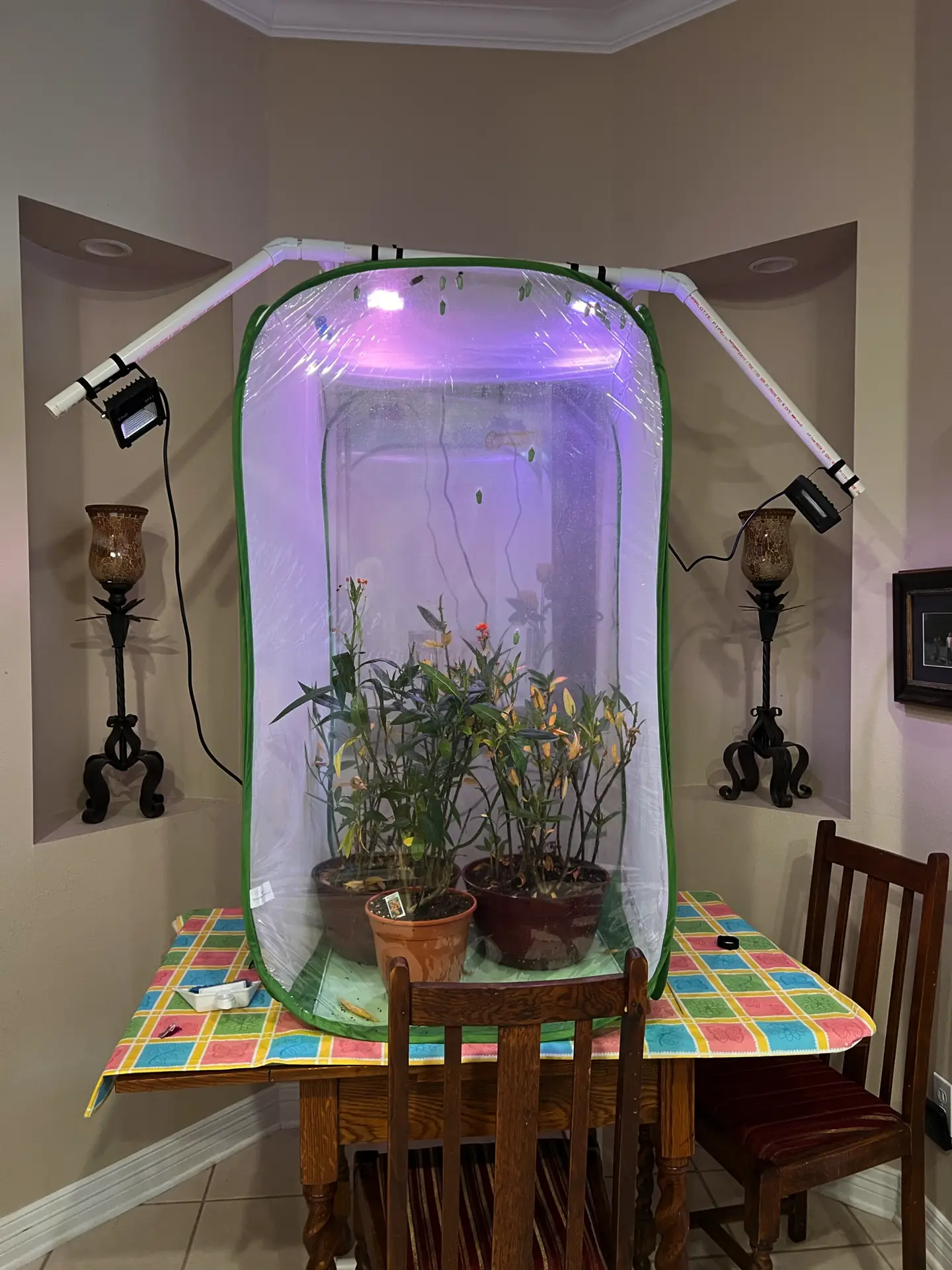
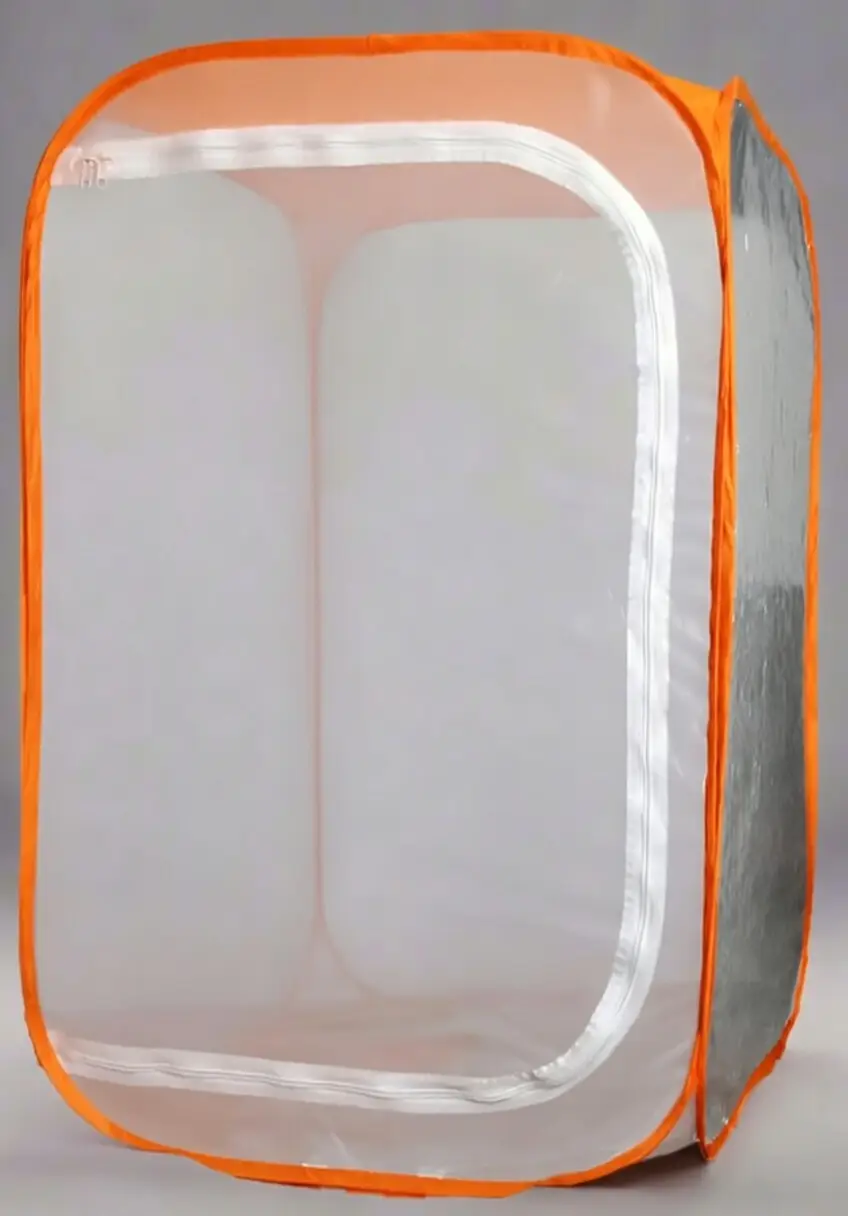
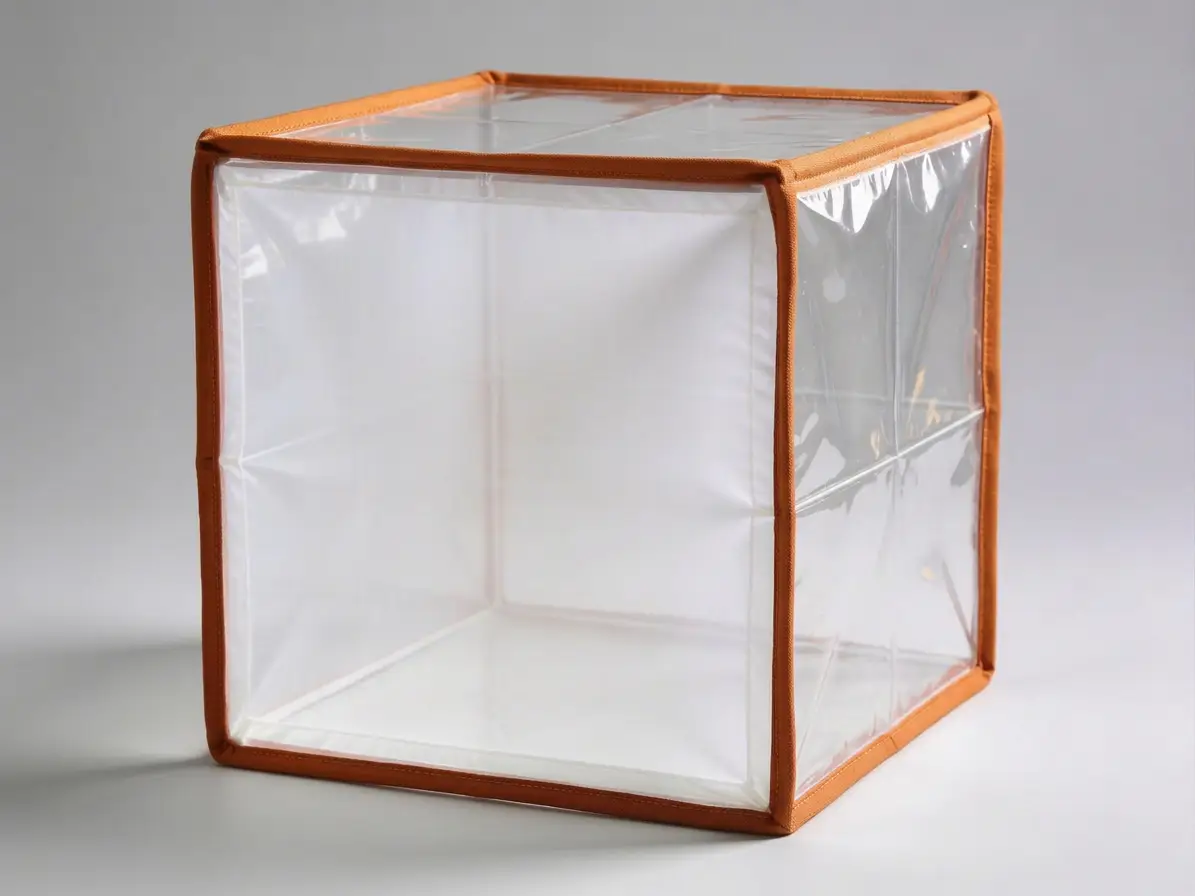
For those new to raising monarchs, a basic enclosure works well. I use a mesh pop-up cage or a large, ventilated plastic container with breathable sides to ensure good airflow while preventing escape. Place the setup in a shaded indoor or protected outdoor location to avoid extreme temperatures. Provide fresh milkweed daily—rinse it gently and pat dry—and maintain basic hygiene by removing frass (caterpillar waste) regularly. Keep the environment clean and dry, with moderate humidity. Such a simple system allows beginners in Northwest Louisiana to support a few eggs or larvae through to adulthood with minimal equipment.

What Happens Next: Hatching, Tiny Caterpillars, and Release Plans

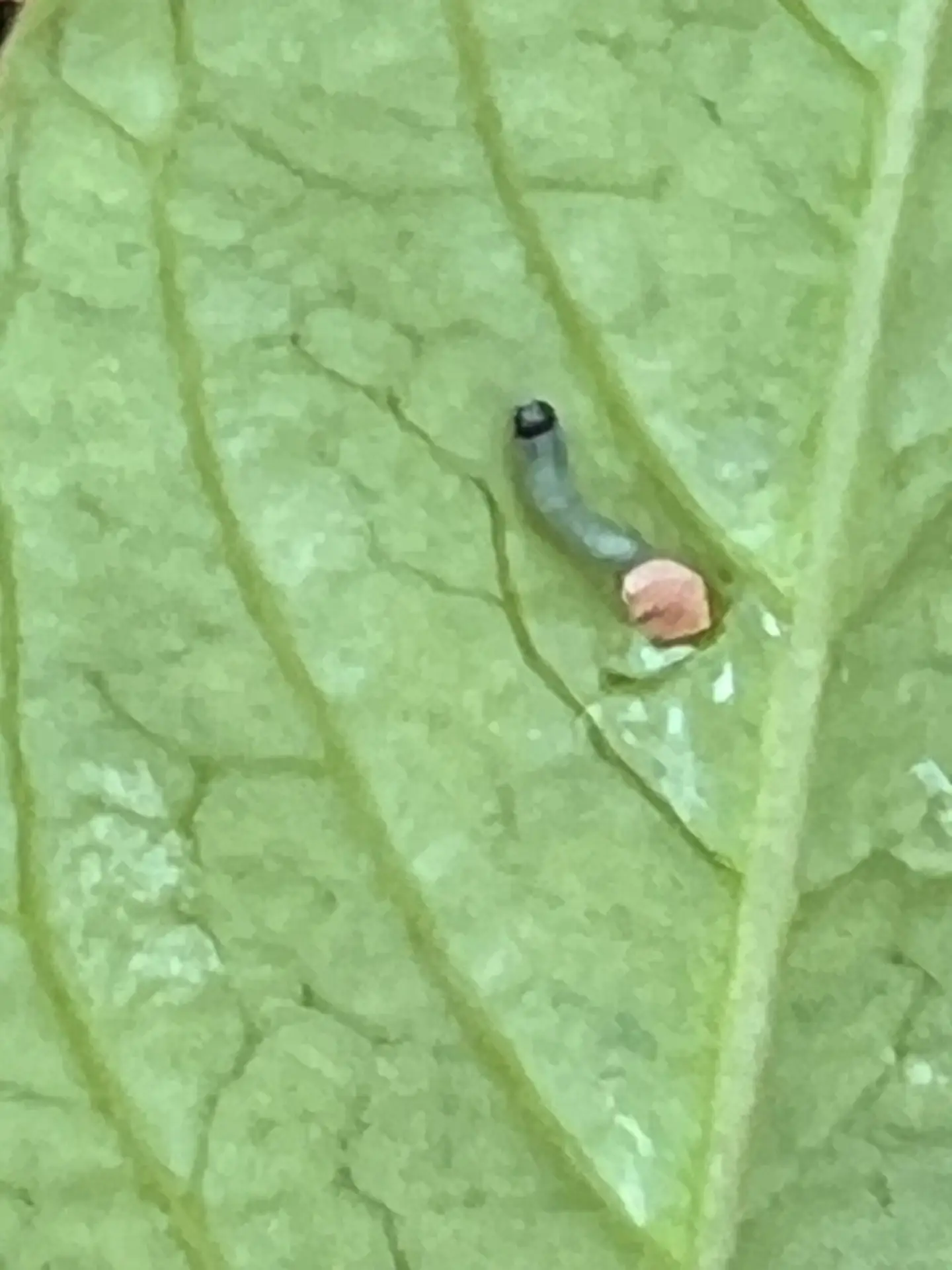
The eggs typically hatch in 3 to 5 days under warm spring conditions, producing tiny first-instar caterpillars that are initially pale and very small. They will begin feeding immediately on the milkweed. Over the following 10–14 days, they will grow through five instars before forming a chrysalis. Once the adult butterflies emerge, I plan a gentle release in my garden during favorable weather, allowing them to continue the migration northward.

For a complete step-by-step guide to the Rescue–Raise–Release process, refer to my earlier posts on this site or consult the detailed instructions in my book on monarch butterfly gardening: *Rescue, Raise, Release: Create Your Own Monarch Butterfly Experience*.

Call to Action

With the stronger 2026 population wave now producing visible breeding activity, this is an excellent time to inspect your own gardens. If you discover eggs, caterpillars, or adult monarchs, please report your observations to Journey North or Monarch Watch. Your contributions help track the migration’s progress and strength.

Have you found monarch eggs or early caterpillars in your garden yet this season? Please share your experiences, locations, or photos in the comments—I read every one and enjoy connecting with fellow monarch stewards in our region.

Happy gardening and monarch watching,  

**Flutter and Float with the Monarchs**  

Monarch Butterfly Wrangler 

Comments (0)

Your email address will not be published. Required fields are marked *

*