Habitat Update: Flowerbed Maintenance, Potted Milkweed Inspections, Multi-Instar Caterpillar Rearing, and Practical Gardening Hacks
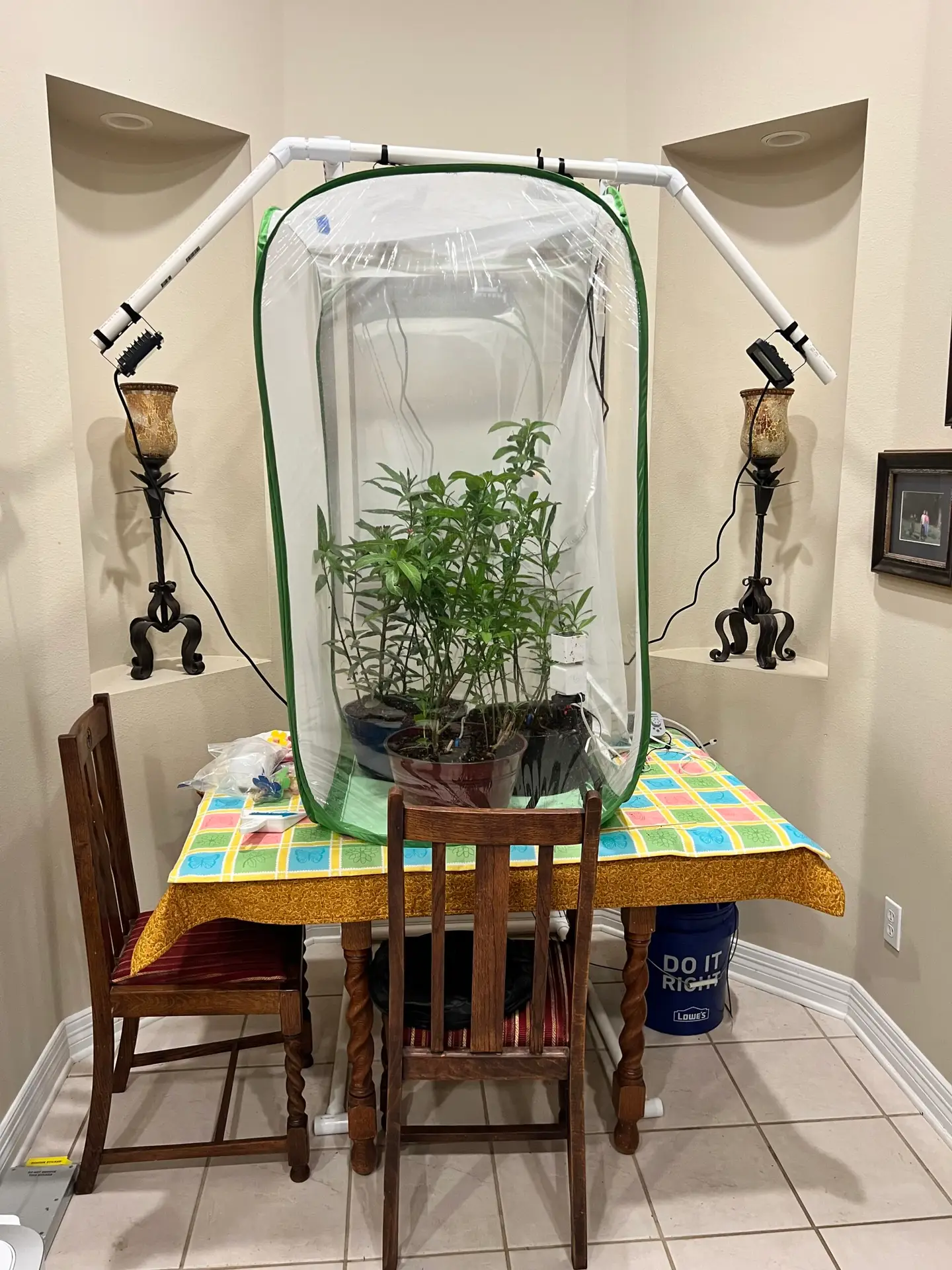
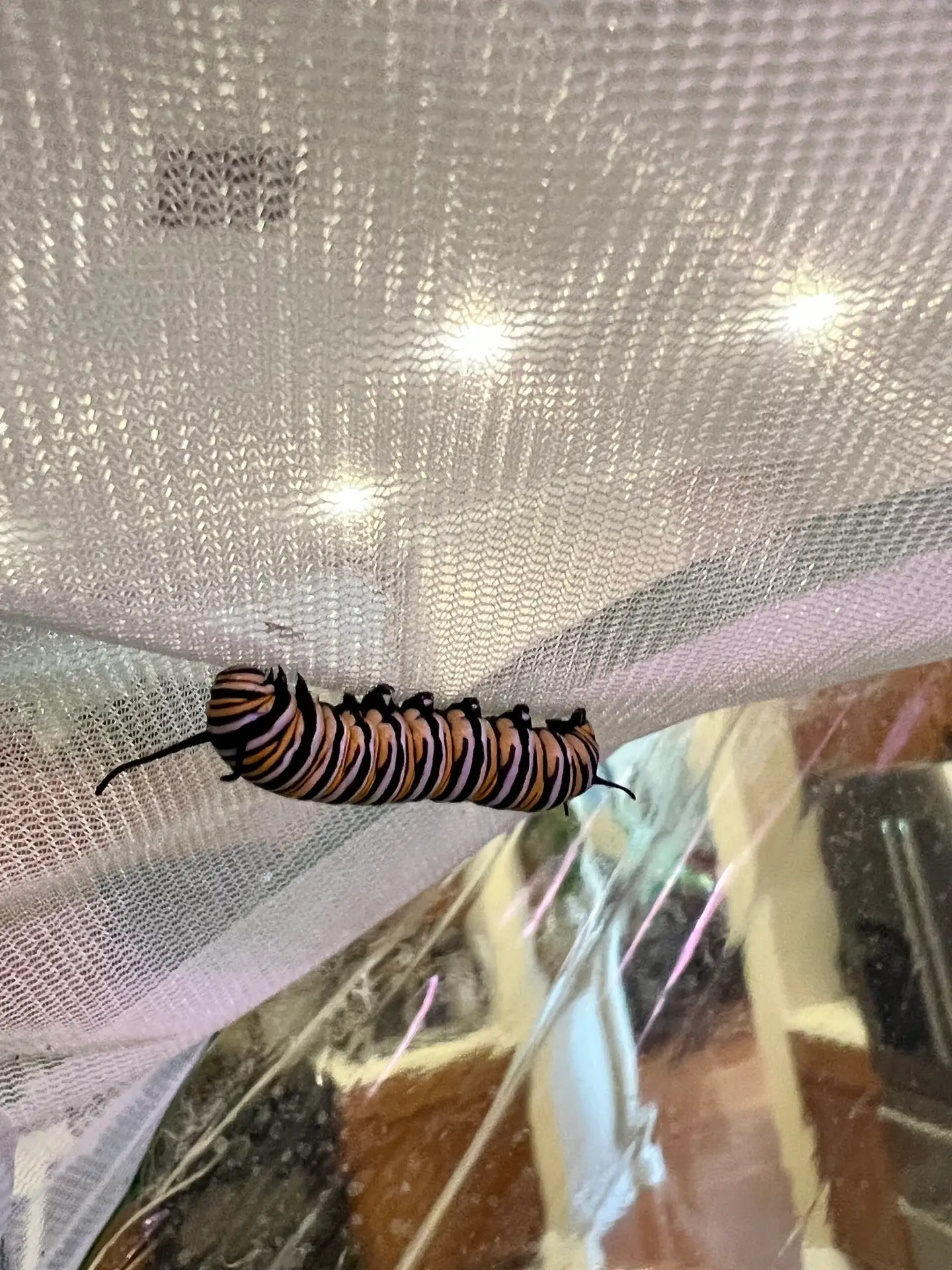
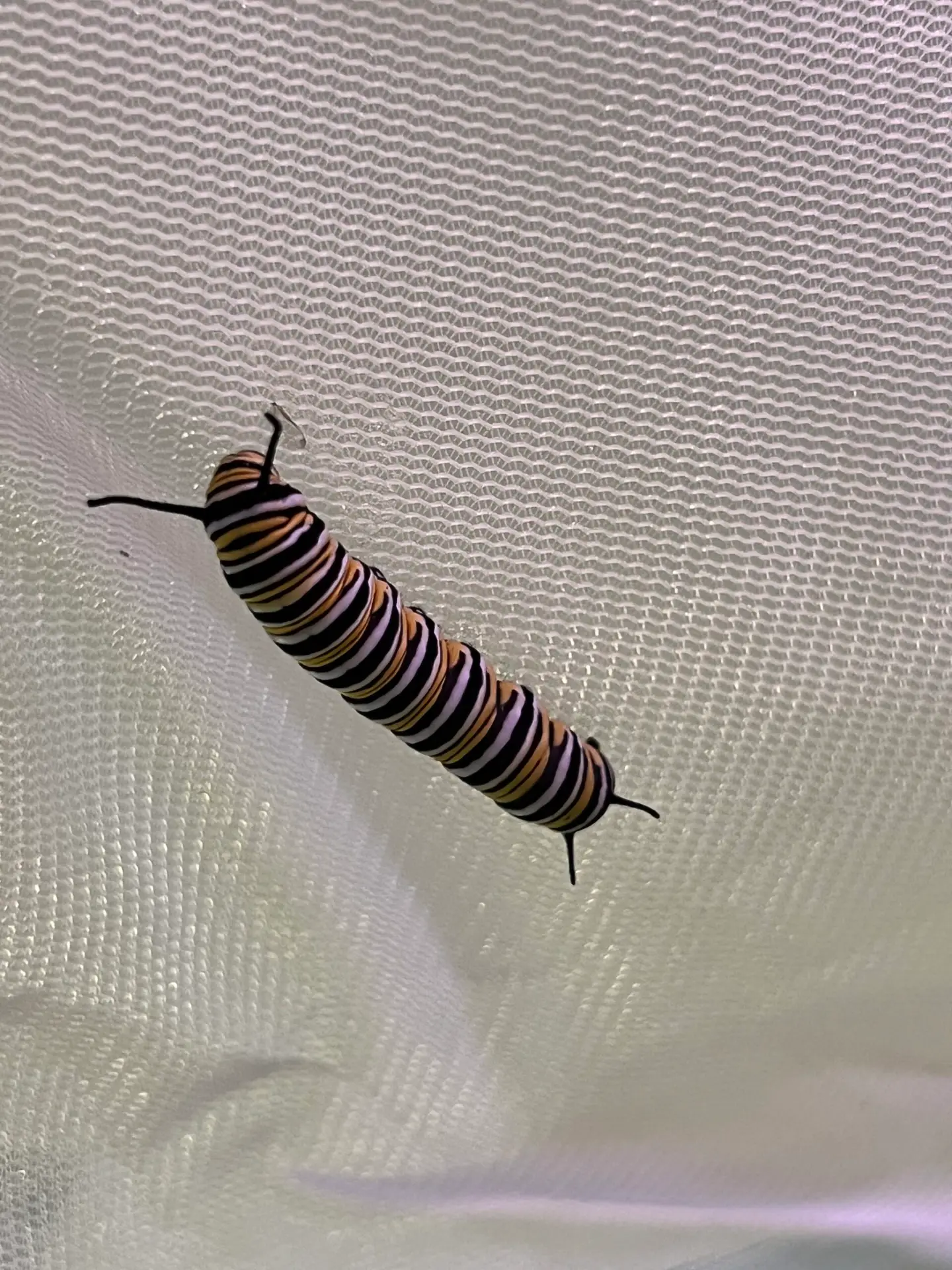
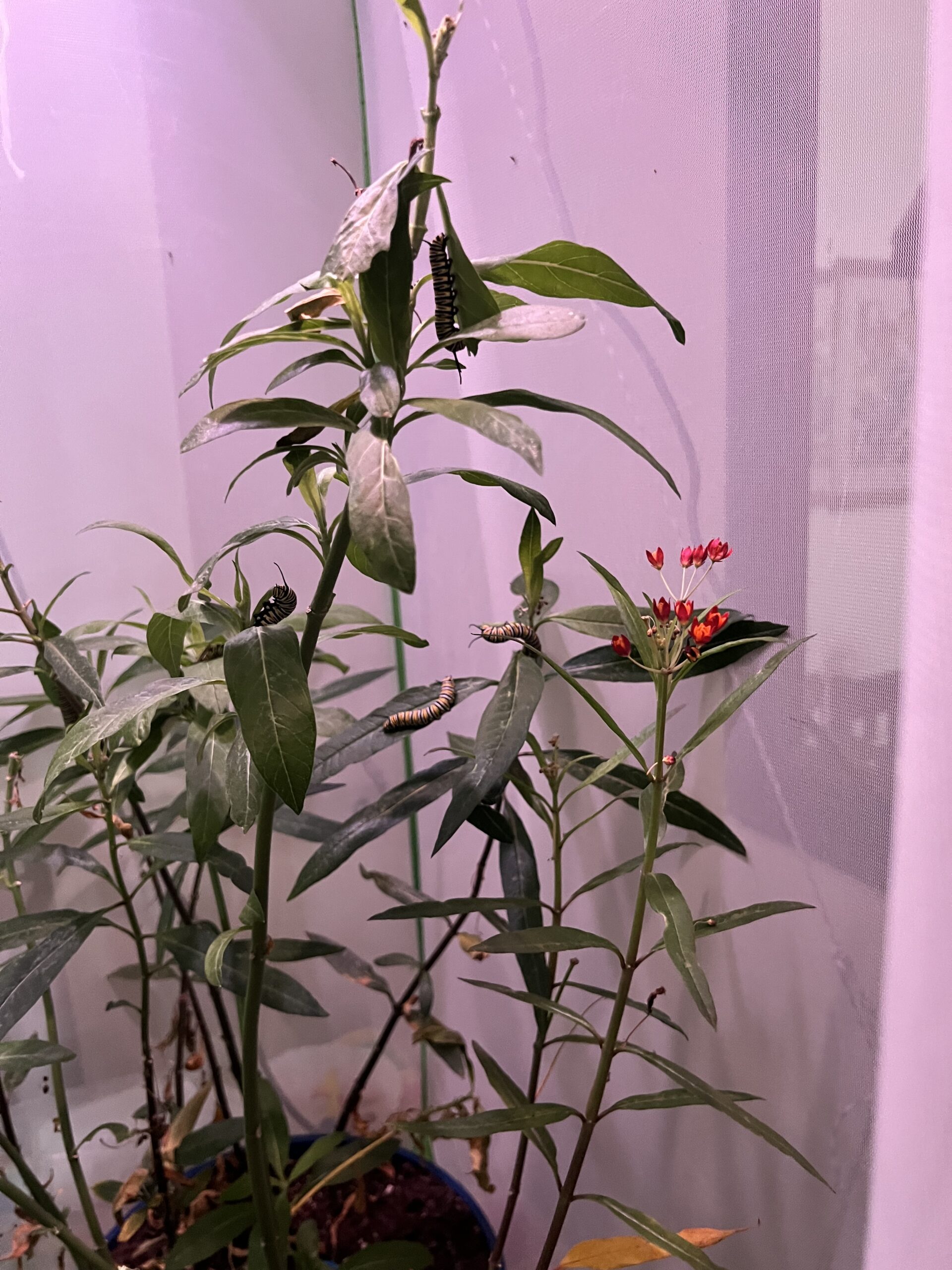
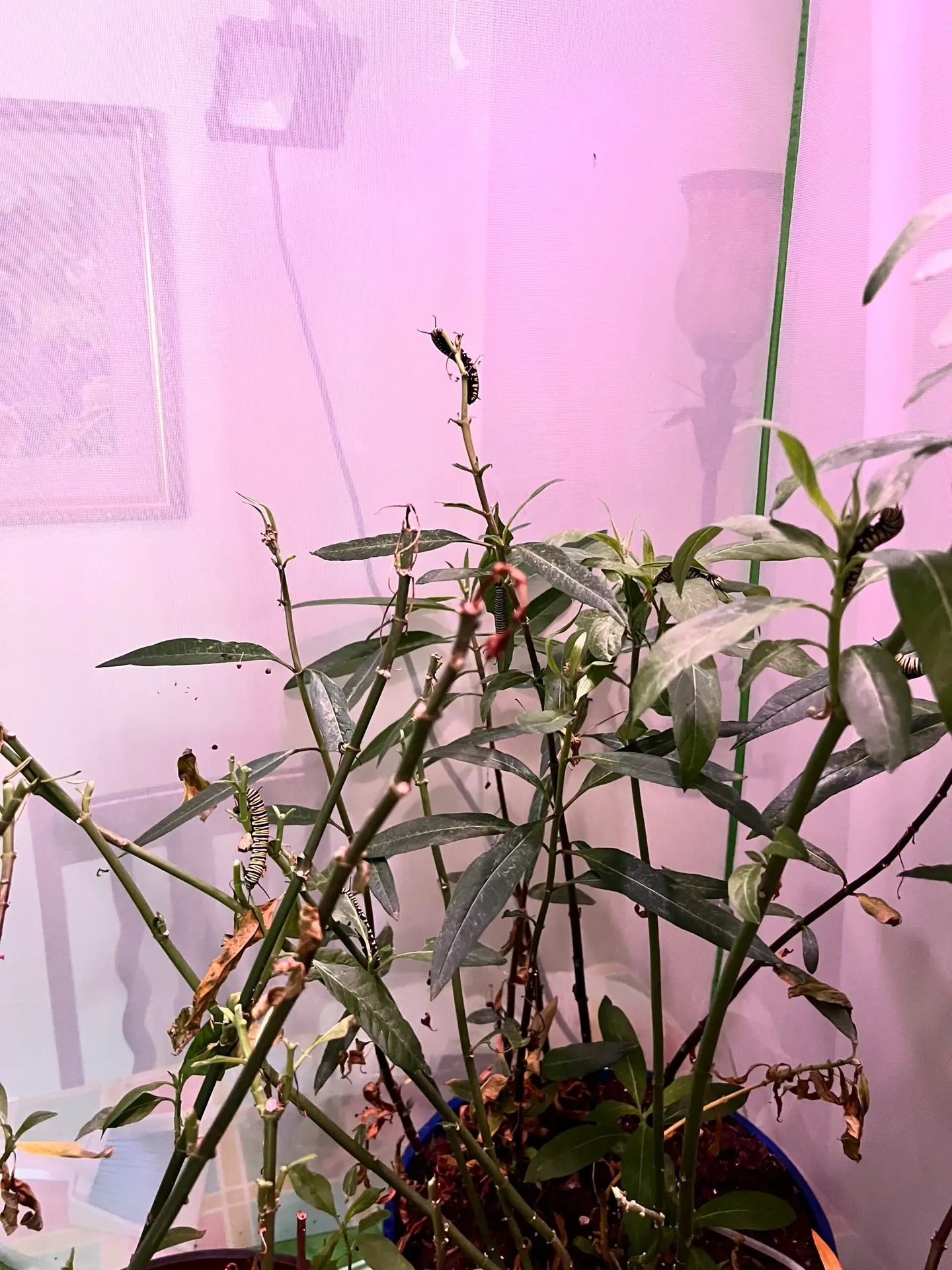
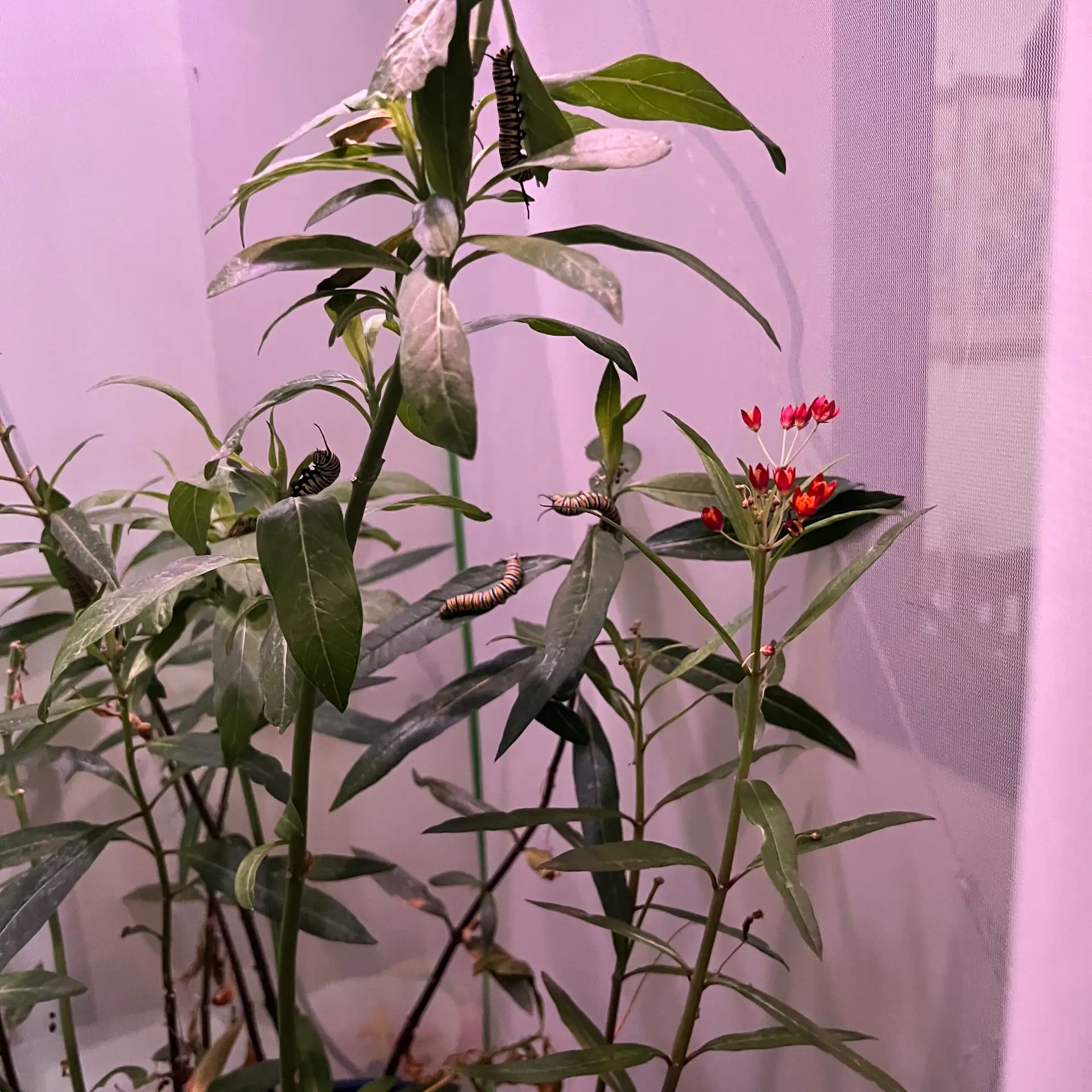
Greetings, fellow monarch enthusiasts and wranglers. This week in Northwest Louisiana continued the steady advancement of the 2026 monarch wave. Regular patrols of the milkweed garden and flowerbeds yielded several caterpillars across multiple instar stages. These have been carefully collected and transferred to the controlled rearing habitat, where they are actively feeding on fresh potted milkweed plants and undergoing molts. Sustained maintenance of the potted milkweed stock and surrounding pollinator areas has supported both the current rearing cohort and potential wild-laid eggs.
Rearing Habitat Progress
The collected caterpillars—spanning early to later instars—exhibit healthy feeding behavior and successful molting cycles. By utilizing live potted milkweed plants rather than individual leaves, the larvae benefit from sustained fresh foliage. As plants show signs of heavy defoliation or reduced vigor, they are promptly swapped with healthy replacements from the maintained stock. This method ensures consistent nutrition while minimizing stress on the developing monarchs. Daily monitoring continues, with releases of eclosed adults scheduled as they reach maturity to bolster the local breeding population.
Garden Care: Maintenance Ideas and Hacks for Potted Milkweed and Monarch Habitats
Stewardship of potted milkweed and pollinator gardens demands attentive plant management to promote robust growth and support monarch life cycles. The following maintenance ideas and household hacks emphasize practices suited to container-grown plants:
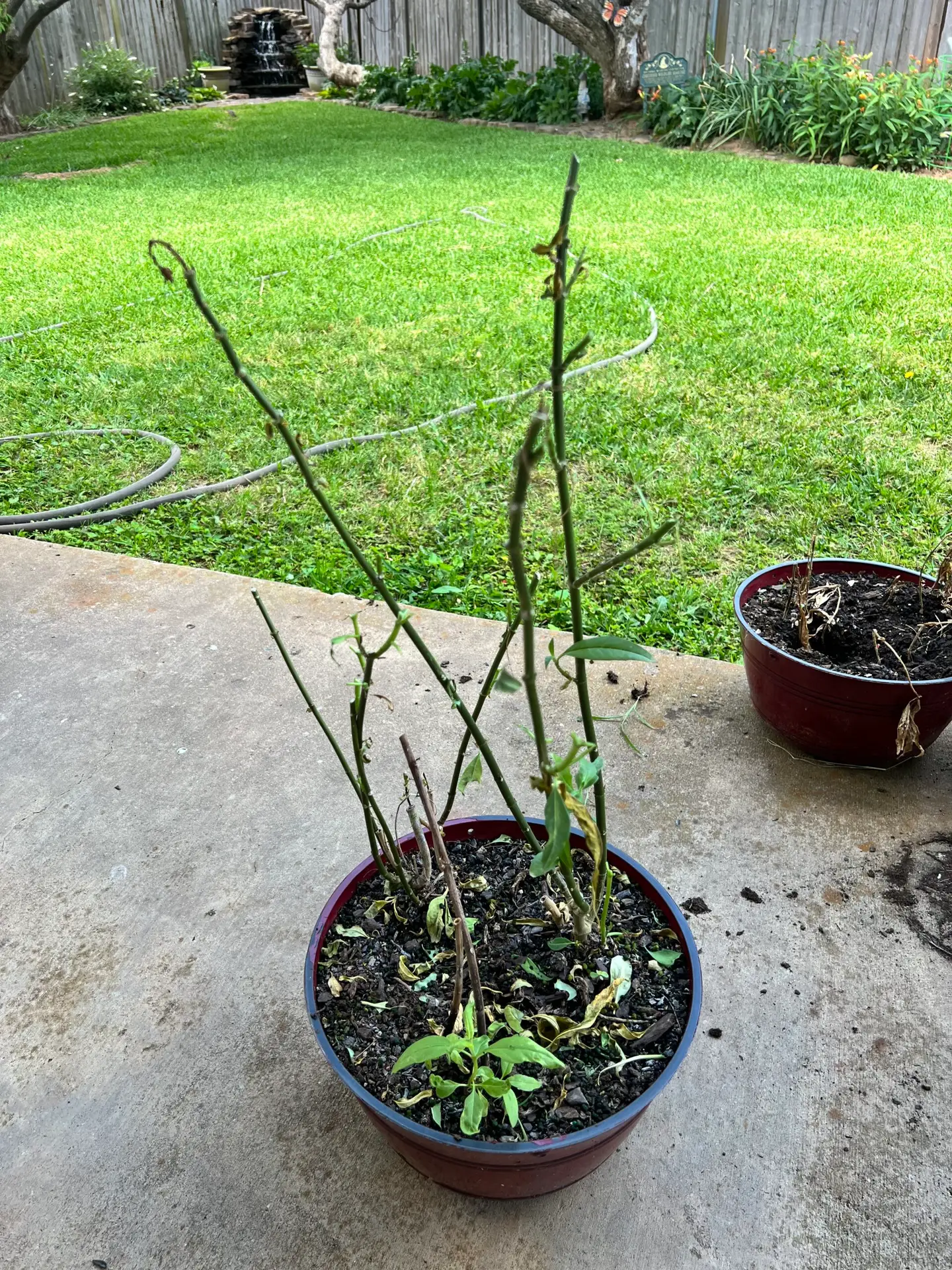
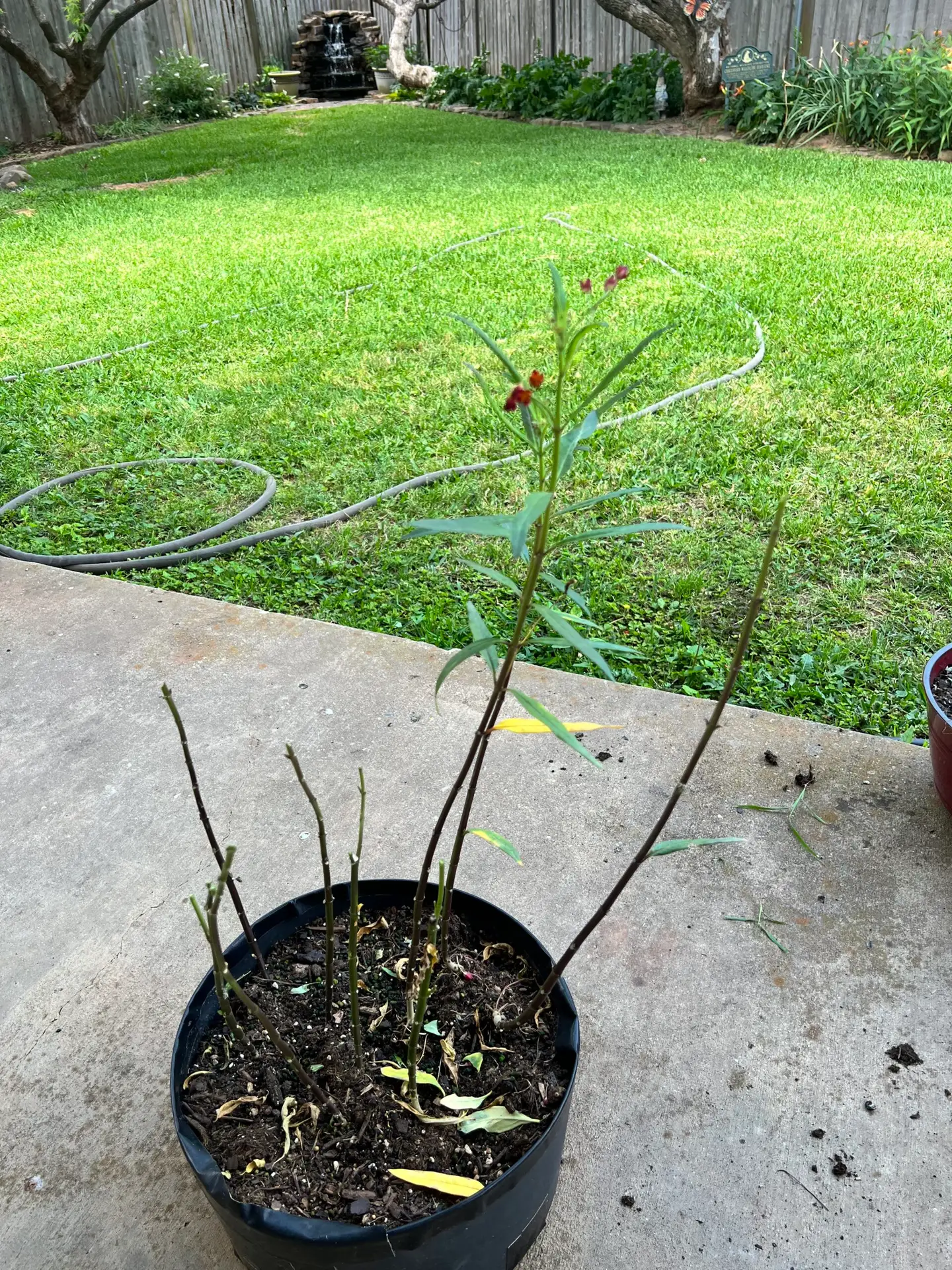
- Potted Plant Rotation and Swapping: Maintain a rotation of healthy potted milkweed plants in the rearing habitat. Inspect pots daily for defoliation, soil moisture, and plant health. Swap out depleted pots with vigorous ones from your stock to provide continuous fresh foliage. Allow used plants to recover outdoors in partial shade with appropriate watering before reuse.
- Soil and Pot Maintenance: Refresh the top layer of soil in pots periodically with organic compost to replenish nutrients without over-fertilizing, which can alter milkweed chemistry. Ensure pots have adequate drainage holes to prevent root rot; elevate them slightly during heavy rains. Repot larger specimens as needed into bigger containers to accommodate root expansion.
- Mulching in Containers: Apply a thin 1–2 inch layer of organic mulch (such as shredded leaves or pine straw) around the base of plants in pots. This conserves moisture, suppresses weeds, and moderates soil temperature, benefiting both garden and rearing setups.
- Gentle Pruning and Deadheading: Trim spent stems or faded flower heads on potted milkweed to encourage bushier regrowth and extended leaf production. Perform pruning in the early morning or evening, taking care not to disturb any eggs or small caterpillars on the plants.
- Natural Pest Management with Household Sprays: For aphids or similar pests on potted plants, apply a mild dish soap solution (1 tablespoon gentle liquid dish soap in 1 quart water, optionally with a teaspoon of vegetable oil). Spray in the evening and rinse lightly the next day if necessary. Garlic or hotichier pepper infusions, prepared by steeping and diluting with a dash of soap, offer additional safe repellents.
- Deep, Infrequent Watering: Water potted milkweed thoroughly until drainage occurs, allowing the soil to dry slightly between sessions. This promotes stronger root systems and drought resilience in container environments.
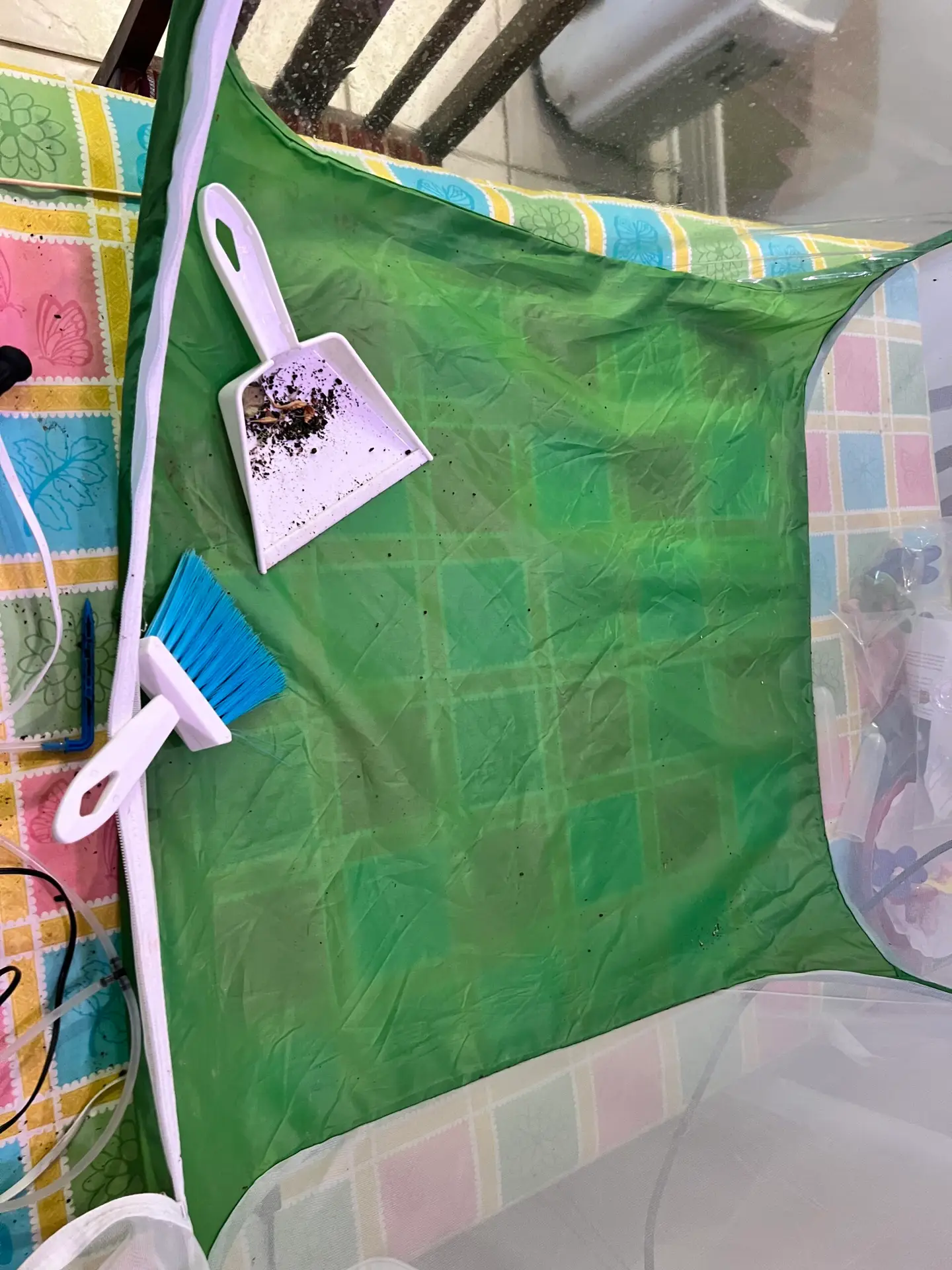
- Sanitation Between Batches: Disinfect rearing enclosures, tools, and recovered pots with a 5% bleach solution (1 part bleach to 19 parts water). Soak for 15–30 minutes, rinse thoroughly, and air-dry completely to prevent parasite transmission such as OE.
These techniques, combined with regular weeding and monitoring, sustain a balanced habitat for reared and wild monarchs alike.
Our dedicated habitat stewardship plays a vital role in supporting local monarch populations. Thank you for following these updates and for your own conservation efforts. Please share sightings, photographs, or questions in the comments section, or submit images to the community photo album.
Flutter and Float with the Monarchs,
The Monarch Butterfly Wrangler



Comments (0)