
From Egg to Rescue: A Weekend of Watching, Searching, and Finding
Greetings, fellow wranglers!
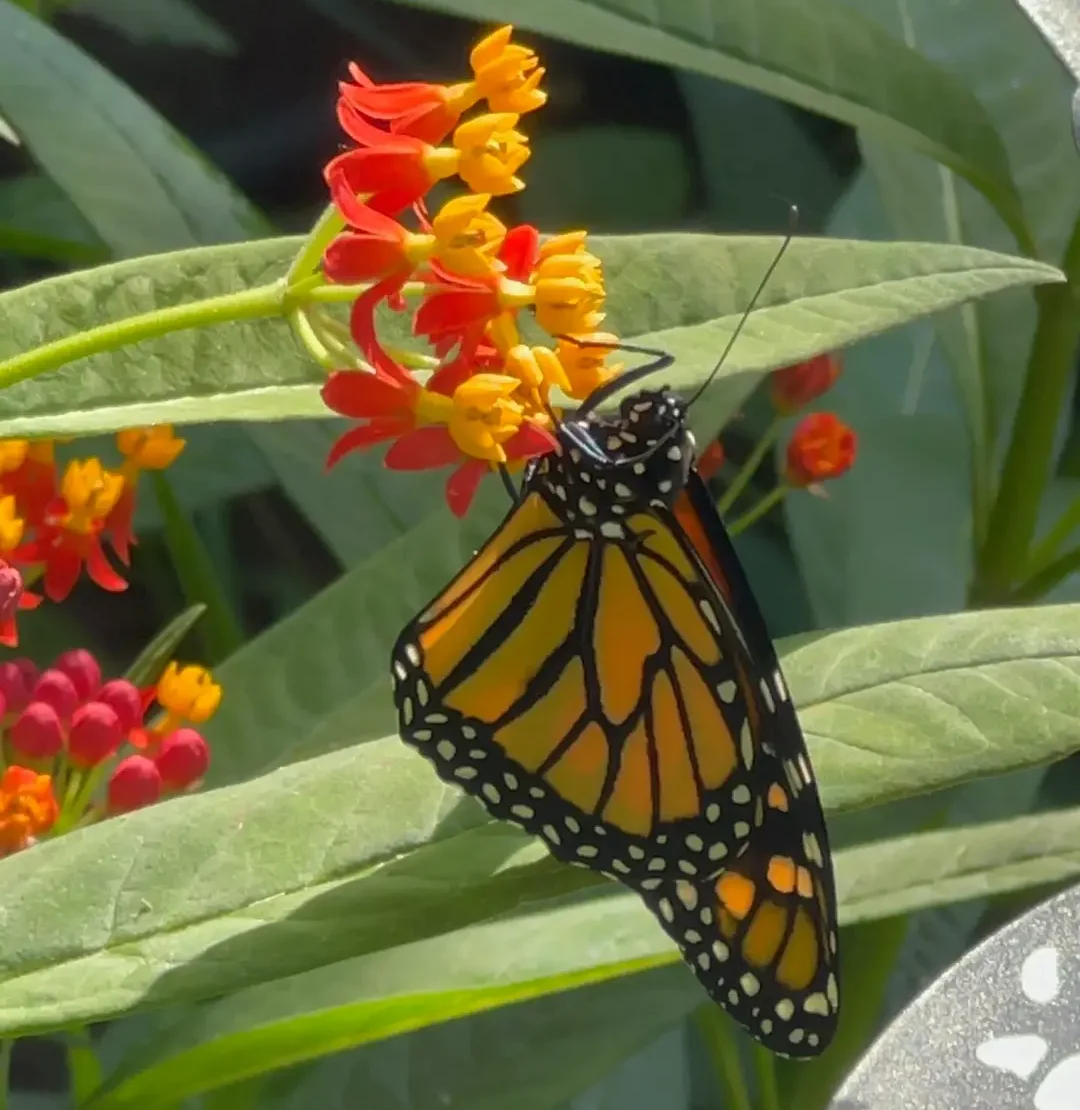
This wave of monarchs kept me busy — and it started before a single caterpillar was even on my radar. This week I had the chance to watch a female monarch doing what she does best: scouting the ranch for the right place to lay.
Watching Her Work
If you’ve never taken the time to just stand and watch a female monarch move through a milkweed patch, I’d encourage you to try it. She doesn’t just land on the first plant she finds. In the footage I captured this week, you can see her hovering low, drifting from plant to plant, circling around leaves almost like she’s window shopping. That’s exactly what’s happening — she’s evaluating.
Females are remarkably selective. They’re checking leaf texture, plant health, and likely picking up on chemical cues that tell them whether a plant is a good nursery for her eggs. She’ll often tap a leaf with her front legs — a behavior called “drumming” — which helps her confirm she’s found true milkweed before committing to a spot. Only when she’s satisfied does she curl her abdomen under a leaf, usually on the underside, and deposit a single tiny egg before moving on to repeat the whole process somewhere else.
Watching this play out is a good reminder of why having a healthy, varied stand of milkweed matters so much. She’s not going to lay eggs just anywhere — she’s looking for the best possible start for her offspring.
The Result: A Big Week for Rescues
That scouting and egg-laying activity translated into results. This week I collected — rescued, really — more than 20 caterpillars, all of them 1st and 2nd instars. Tiny. The kind of early-stage cats that are easy to miss if you’re not looking closely, and unfortunately also the kind that face the steepest odds in the wild.
All 20+ have been rehomed onto healthy milkweed within the habitat, where they’ve got clean leaves, protection from predators, and a much better shot at making it through to chrysalis. That’s the whole philosophy here — minimum interference, maximum opportunity. I’m not raising them in isolation or micromanaging their environment; I’m just giving this wave a safer, more reliable food source than what they might have found on their own out in the garden.







How to Spot Them: Reading the Signs
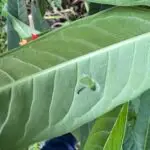
Finding a 1st or 2nd instar caterpillar isn’t like spotting a fat 5th instar chewing through a leaf in plain view. Early instars are small, pale, and easy to overlook — so you have to learn to read the evidence they leave behind rather than looking for the caterpillar itself.
Here’s what tips me off:
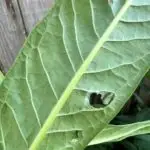
- Tiny “shot holes” in the leaves — small, round or irregular holes, often clustered close together. This is classic early-instar feeding damage, very different from the larger ragged tears older caterpillars leave.
- Frass on lower leaves — caterpillar droppings on a leaf below a feeding site are a dead giveaway that something is actively feeding above it.
- Slight notching along leaf edges, especially on new growth near the top of the plant, where young caterpillars often prefer to feed.
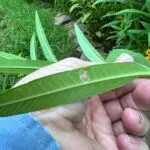
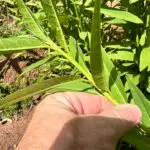
Once I spot one of these signs, the technique is simple: check the undersides of nearby leaves first, then work outward from the damage. I included some clips this week of exactly this process — a plant showing clear feeding signs, and then the moment of finding the caterpillar tucked on the underside of a leaf. See if you can spot it before the reveal!
Eggs, Too
While I was out searching, I also came across several eggs — a nice reminder that a single plant check often turns up multiple stages at once. Eggs are small, off-white, and slightly ridged, usually tucked on the underside of a leaf near the top of the plant, which lines up exactly with what we watched that female doing earlier in the week. If you look closely as an egg nears hatching, you’ll often notice it darken slightly — that’s the tiny caterpillar visible through the shell just before it emerges.
Putting It All Together
This week felt like watching the whole early life cycle play out in real time — from a female carefully choosing her spots, to eggs tucked under leaves, to a wave of newly hatched caterpillars needing a safer home. It’s a good reminder of just how much work goes into those first few days of a monarch’s life, long before it’s the caterpillar most people picture.
I’ll have more updates as this wave continues through its instars, so stay tuned.
Flutter and Float with the Monarchs
Wrangle the Wonders