
April Kickoff: Eggs, Caterpillars, and Your First Raising Batch
Hey folks, the 2026 wave is rolling! We found nineteen eggs in the Butterfly Garden last week—clear signs of a stronger breeding season ahead in northwest Louisiana.
Migration Update
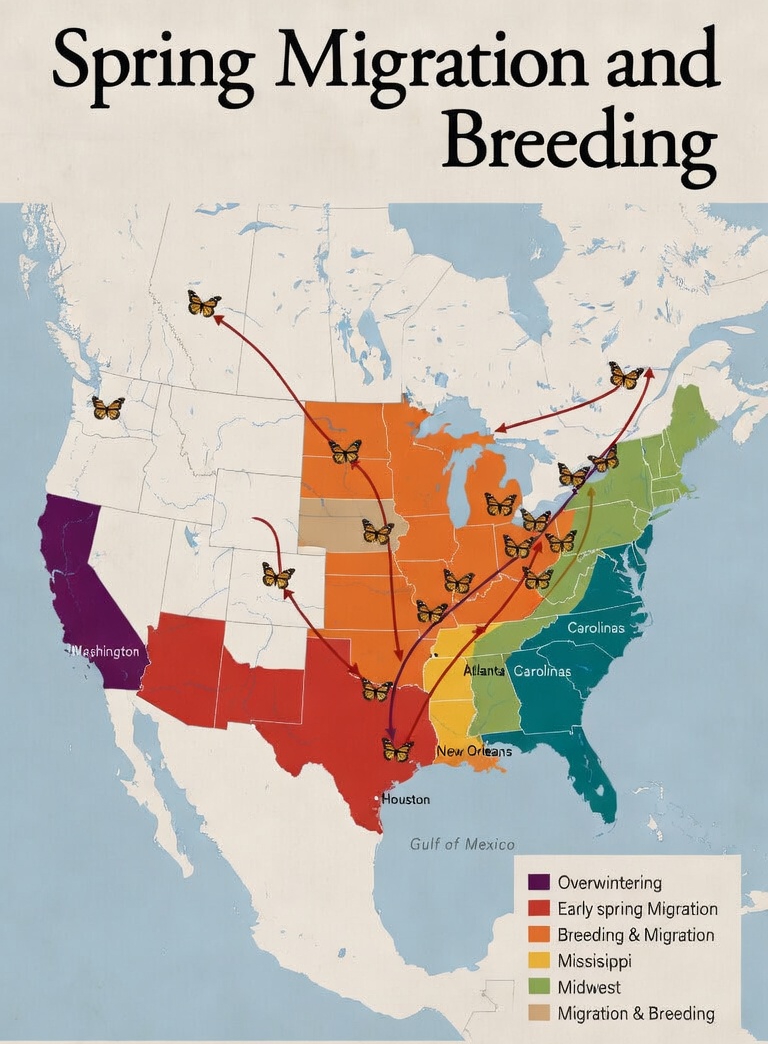
We are squarely in the spring breeding zone. Overwintering monarchs have moved north from Mexico, with early reproduction already underway in Texas and adjacent areas. The latest reports confirm active egg-laying and the appearance of tiny first-instar caterpillars. This sets the stage for multiple generations throughout the spring and summer. Keep an eye on Journey North maps for real-time progress across the region.
What to Look For This Weekend
Check your milkweed closely:
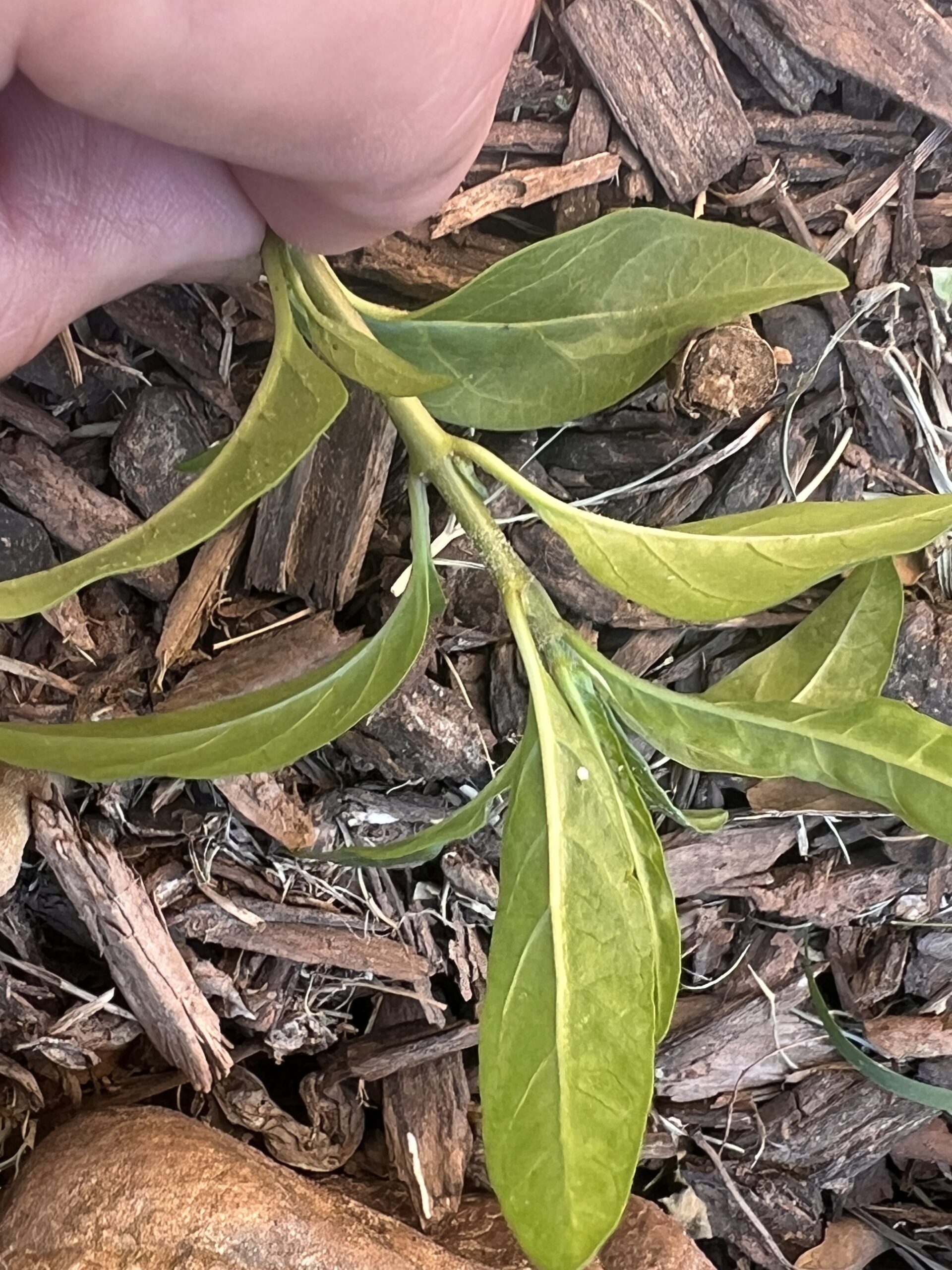
– **Eggs** appear as tiny, creamy-yellow dots on the undersides of leaves, often near the top.
– **Tiny caterpillars** are small, striped, and may create characteristic feeding circles around the remaining egg shell.
– Look for females actively laying eggs on fresh growth.
If you spot any, note the date, location, and stage. Snap clear photos if possible—these details help track the season’s strength and support accurate documentation.
Weekend How-To: Raising Monarchs
Now is an excellent time to support the next generation. Understanding the complete life-cycle timeline helps you plan ahead:
– **Egg stage**: 3–5 days until hatching.
– **Caterpillar (larval) stage**: 9–14 days, during which the larva grows through five instars.
– **Chrysalis (pupal) stage**: 10–14 days.
– **Total from egg to adult**: approximately 28–35 days.
During the caterpillar stage, pay close attention to **frass** (caterpillar droppings). Early instars produce tiny black specks; as the caterpillar grows, frass pellets become noticeably larger. Remove frass daily and replace the milkweed to keep the habitat clean and prevent mold or bacterial buildup. A simple cage or netting helps contain everything while allowing good airflow.
The caterpillar will molt four to five times. Signs that molting is imminent include a temporary pause in feeding and the larva hanging in a characteristic “J” shape. During the actual molt, the old skin splits and is shed; the new skin appears soft at first and then hardens. **Note:** It is important not to disturb the caterpillar during the molting process or for approximately one hour afterward, as it is extremely vulnerable while the new skin hardens. Watch carefully for any difficulty shedding the old skin or signs of lethargy—these may indicate stress or the need for fresh, pesticide-free milkweed. Successful molts are a positive indicator of healthy development.
Plan ahead: once the adult emerges (after the full 28–35 days), you will need to choose a sunny, calm day with temperatures comfortably above 65 °F for release in a sheltered spot with nectar sources nearby.
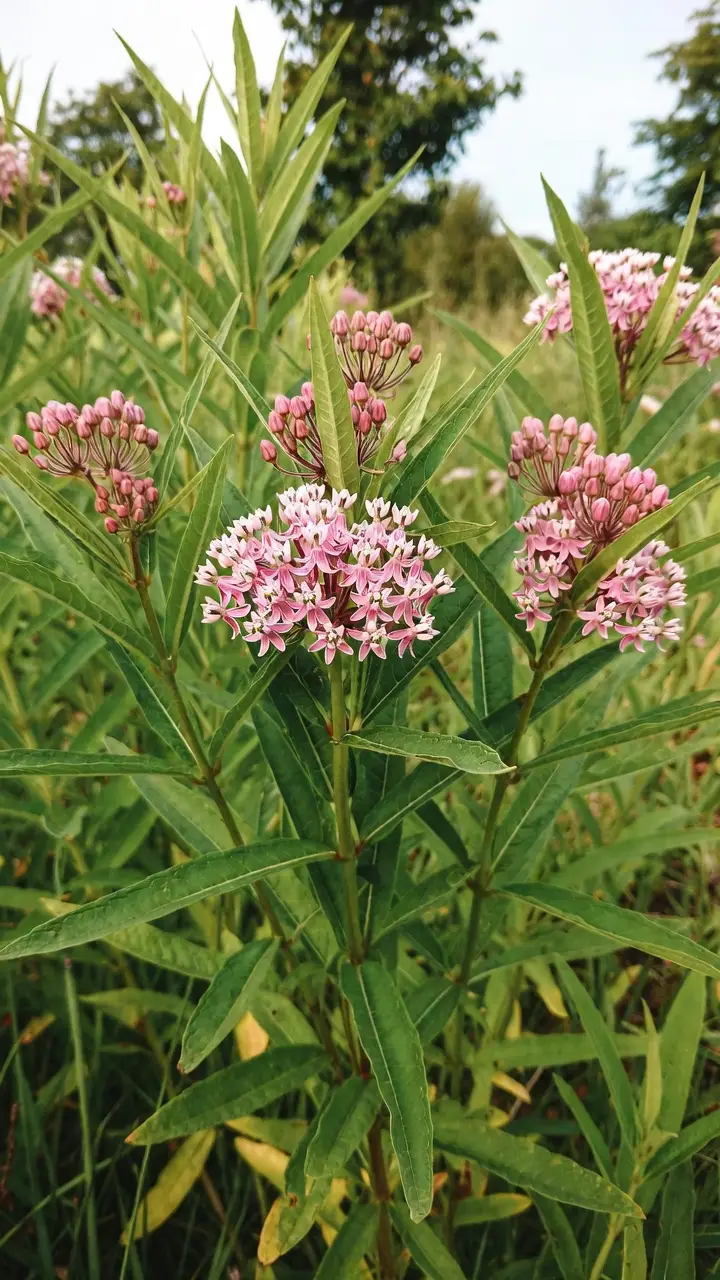
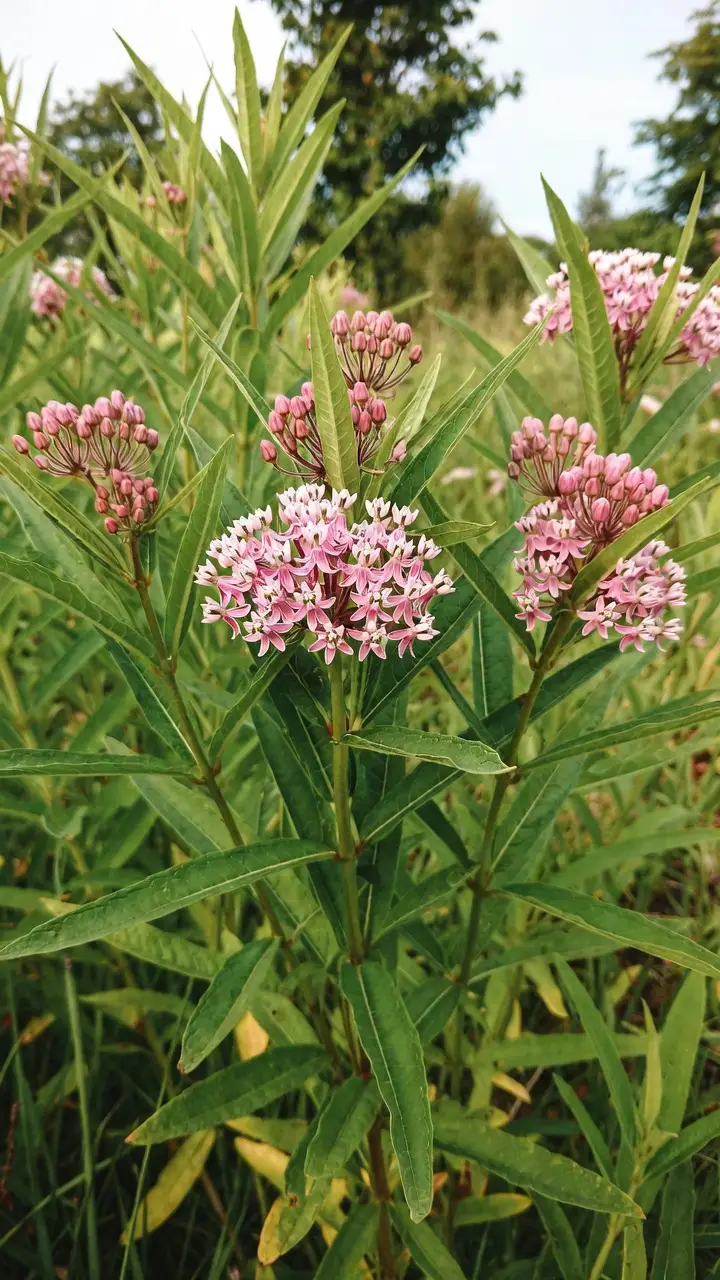
In our neck of the woods, swamp milkweed continues to thrive and serves as an outstanding host plant. If you have space, consider adding more this spring; it handles moist soils and provides reliable foliage for monarch larvae.
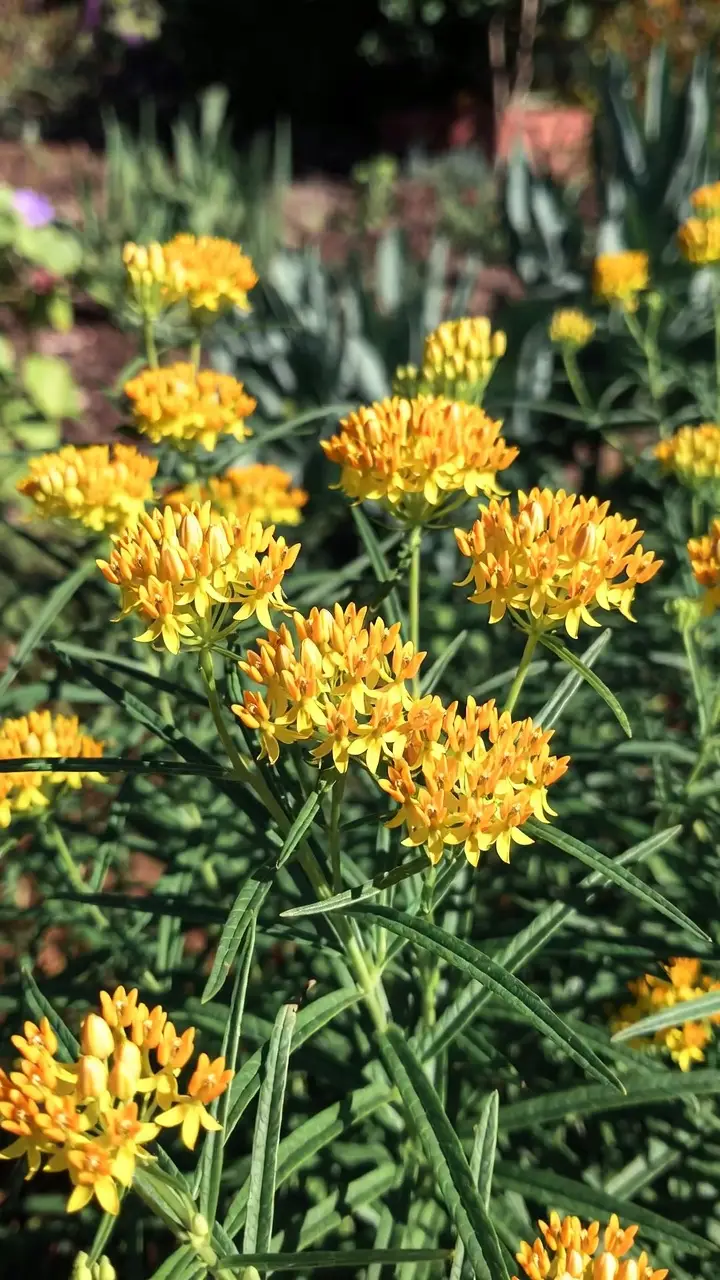
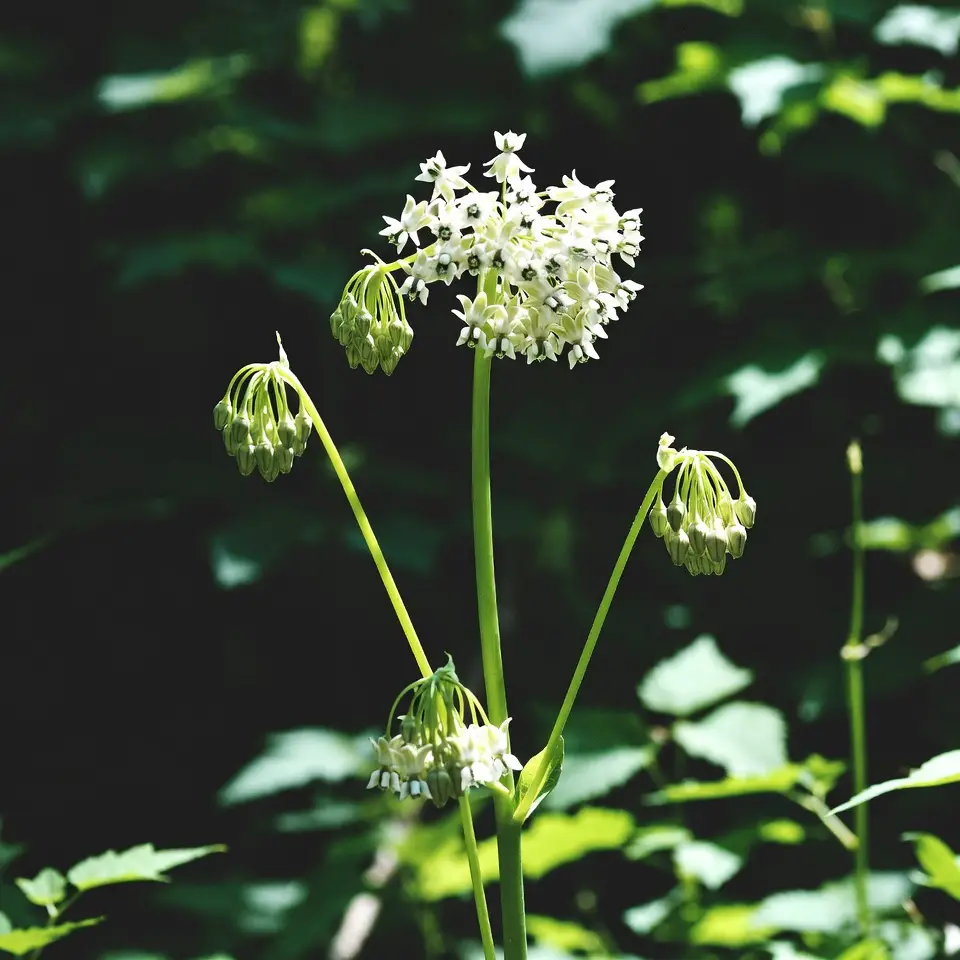
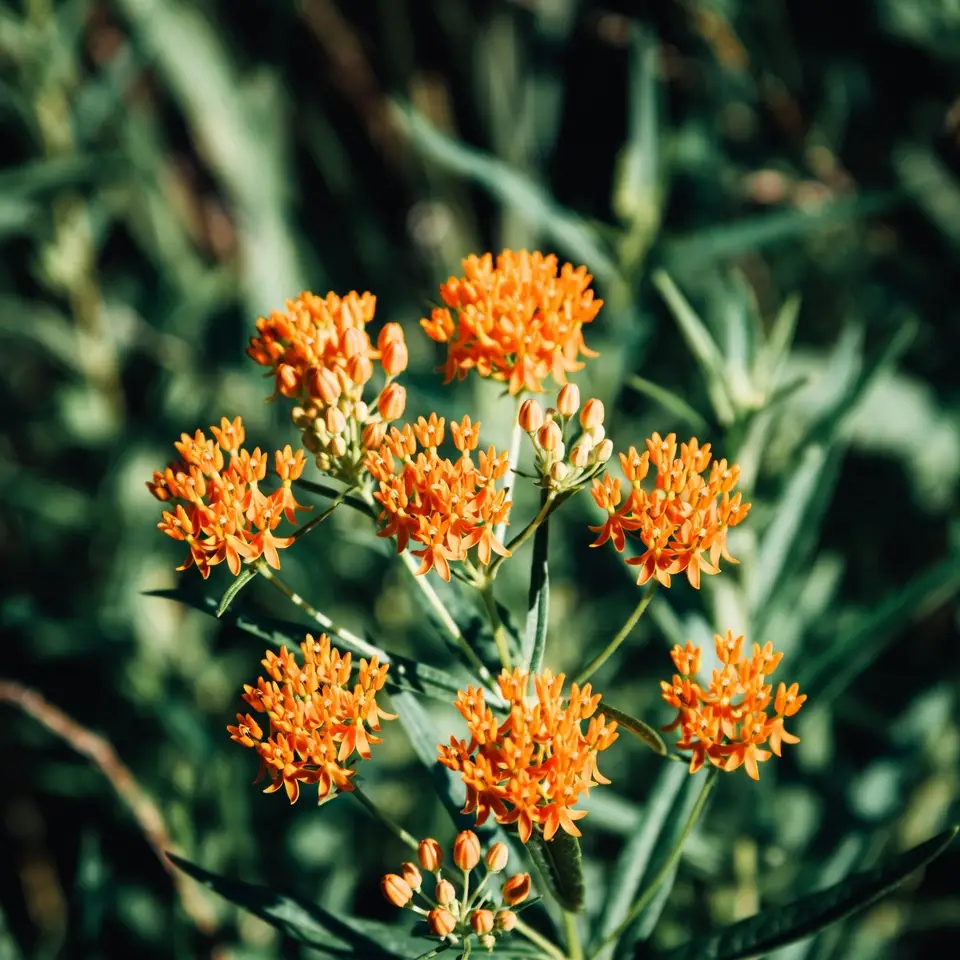
If you have mostly full sun or sunny beds, you can plant “Butterfly Weed” (*Asclepias tuberosa*) and/or “Hello Yellow Milkweed”. For areas with more shade or dappled light, “Poke Milkweed” (*Asclepias exaltata*) is an excellent native choice that performs well in woodland edges while still serving as a reliable host plant.
Local nurseries are stocking native milkweed varieties—pick some up soon while fresh plants are available.
Join the Effort
Log your finds—dates, locations, eggs, caterpillars, or adults—on the site. Your reports help build a clearer picture of this season’s wave. Share photos or notes in the comments, or submit directly via the sighting form.
Thank you for wrangling alongside us. Let’s give this generation the best possible start.
Safe gardening and happy monarch watching!
“Flutter and Float with the Monarchs”![]()

Plan ahead: once the adult emerges (after the full 28–35 days), you will need to choose a sunny, calm day with temperatures comfortably above 65 °F for release in a sheltered spot with nectar sources nearby.


Comments (0)