Mid-April 2026 Monarch Migration Update: Multiple Caterpillars of Various Instars, Five Chrysalises, and One in “J” Position – Progress in Northwest Louisiana, Raising Tips, and Community Photo Album
Mid-April 2026 Monarch Migration Update: Multiple Caterpillars of Various Instars, Five Chrysalises, and One in “J” Position – Progress in Northwest Louisiana, Raising Tips, and Community Photo Album
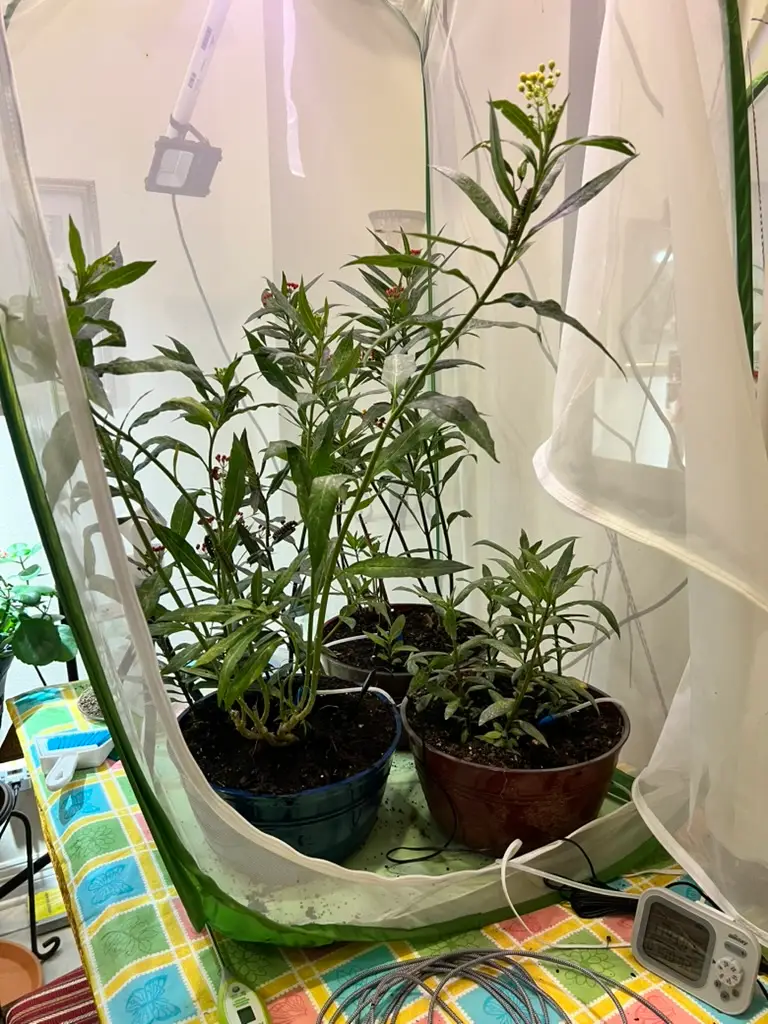
The 2026 spring monarch migration through northwest Louisiana continues to show promising momentum. Building on the April 5 post that reported the season’s initial eggs and early caterpillars, garden activity has advanced significantly over the past week. The “Pinckard Monarch Butterfly Ranch” in the Bossier City area now supports the original twenty-five caterpillars plus several new finds and rescues, five formed chrysalises, and one caterpillar suspended in the characteristic “J” position, signaling imminent pupation.

This year’s mid-April counts represent a clear increase compared with the corresponding period in 2025, indicating a stronger breeding wave progressing northward through the region.

Current Garden Observations and Life-Cycle Progress

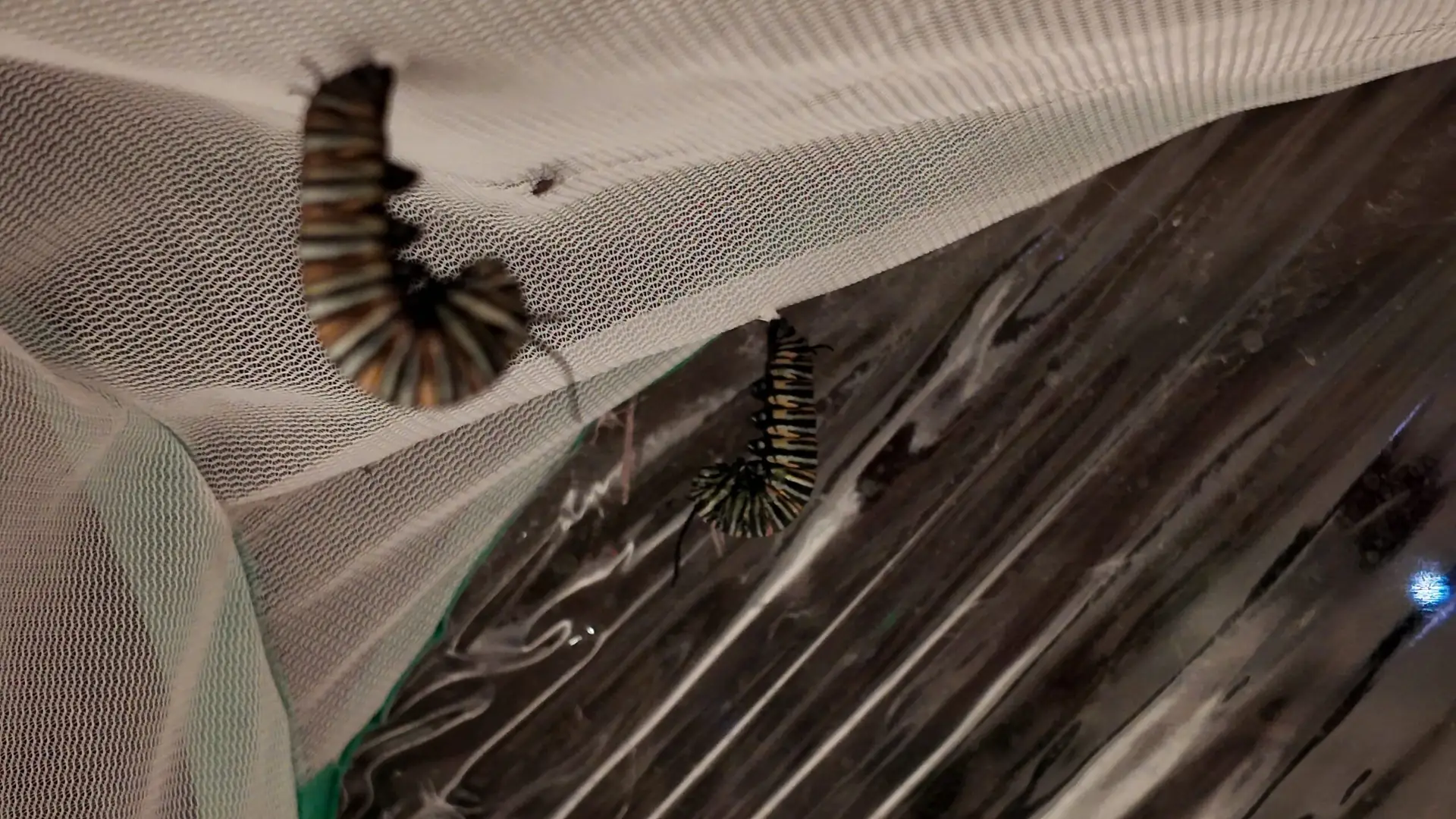
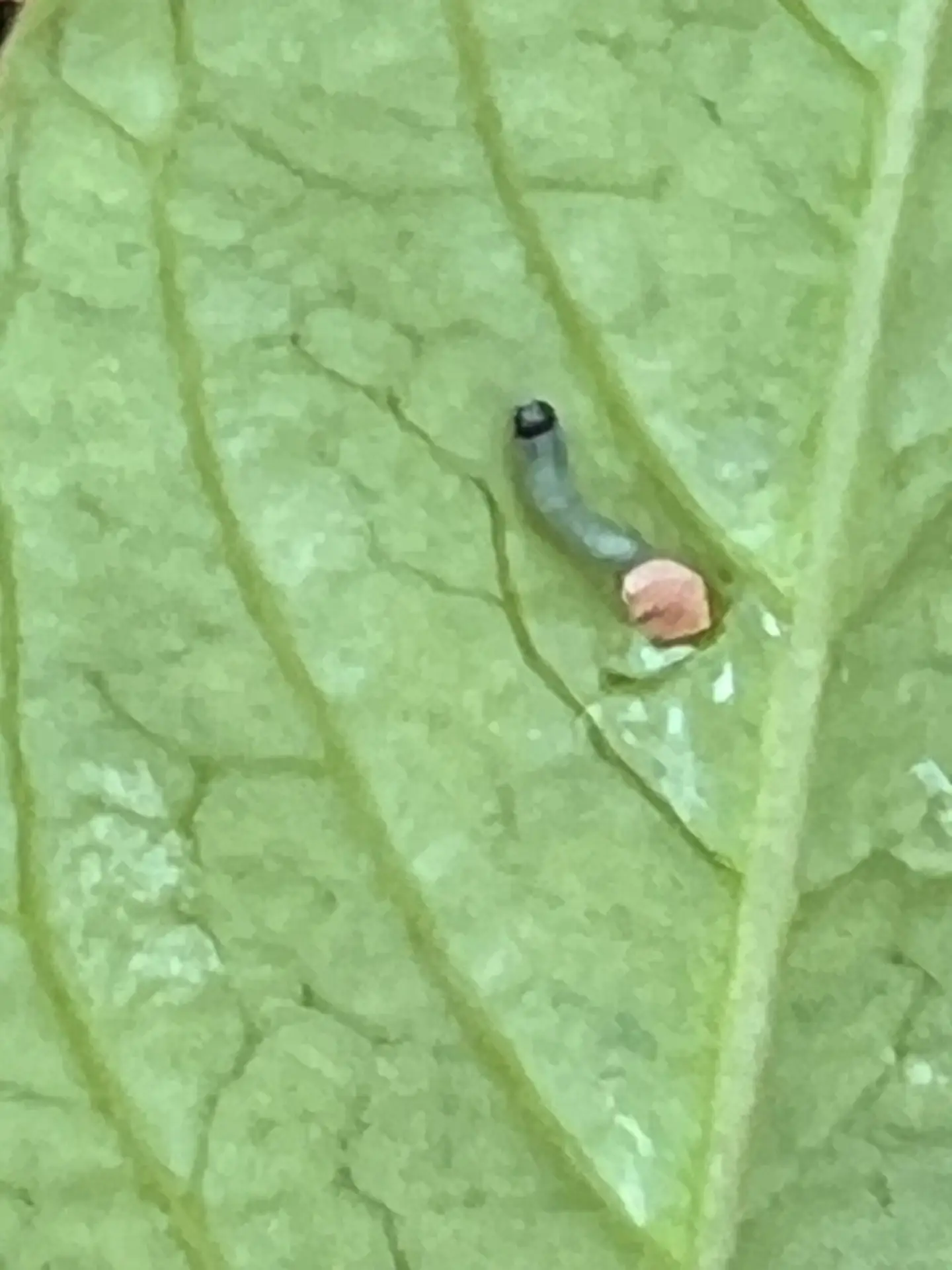
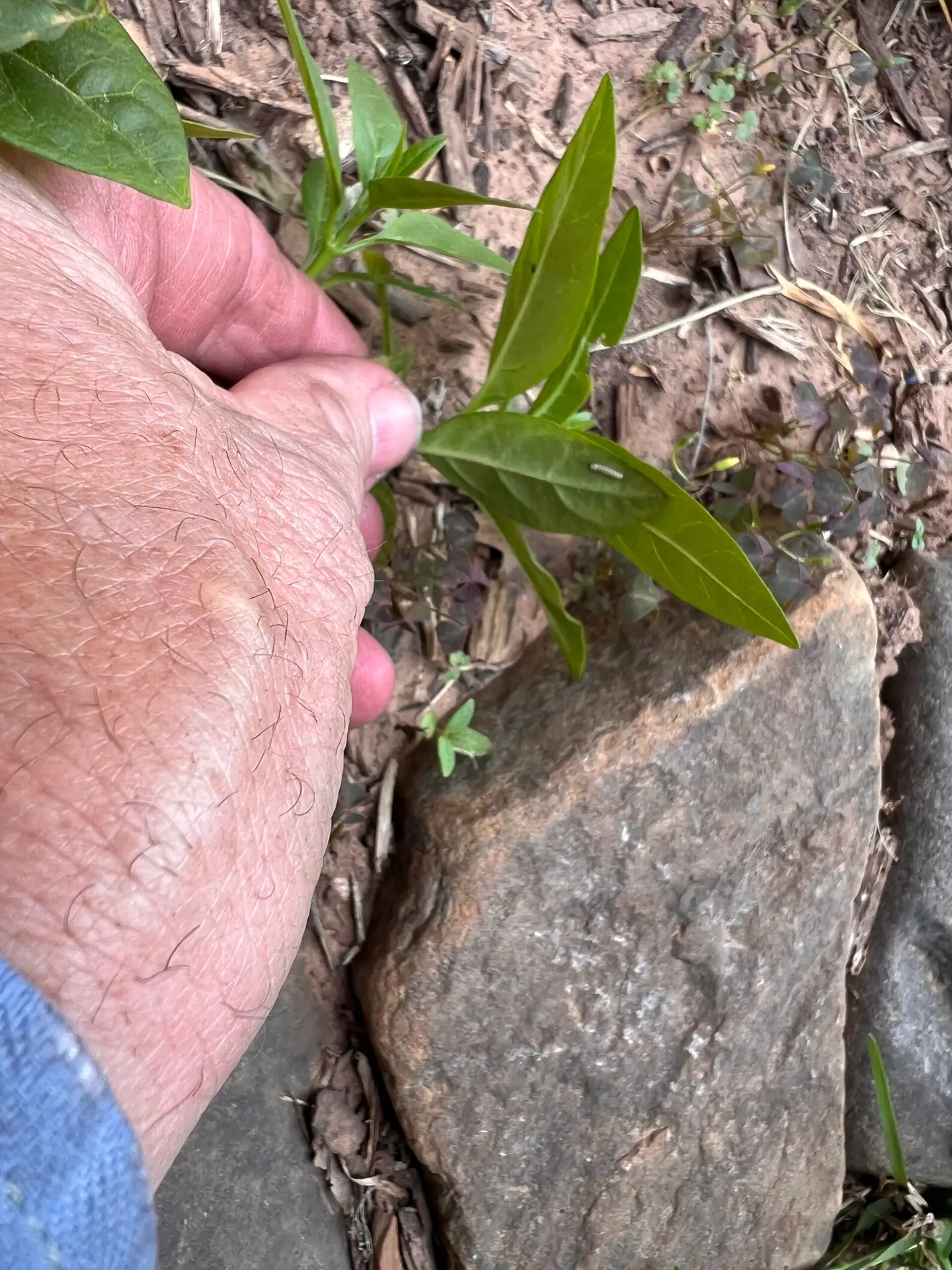
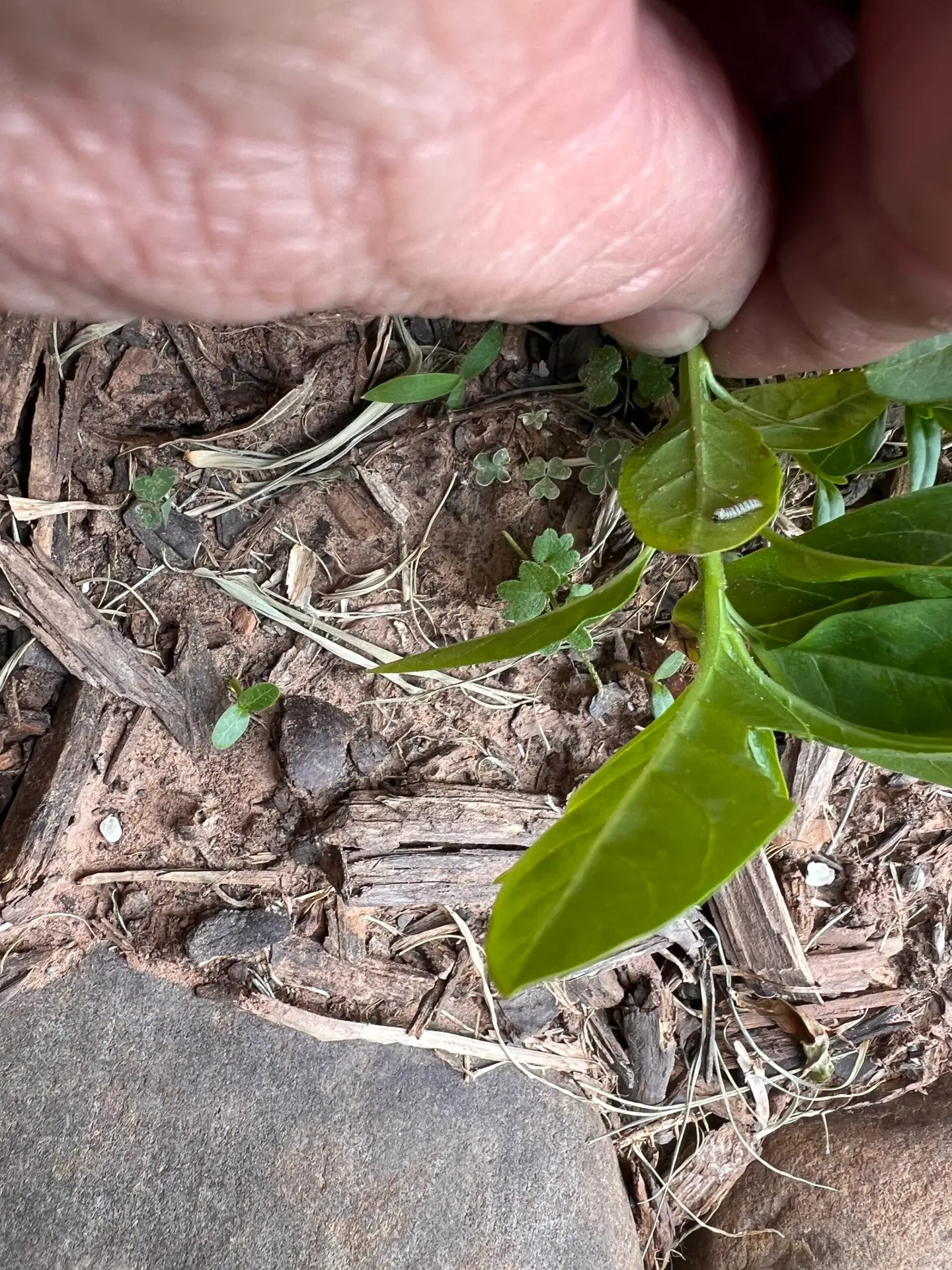
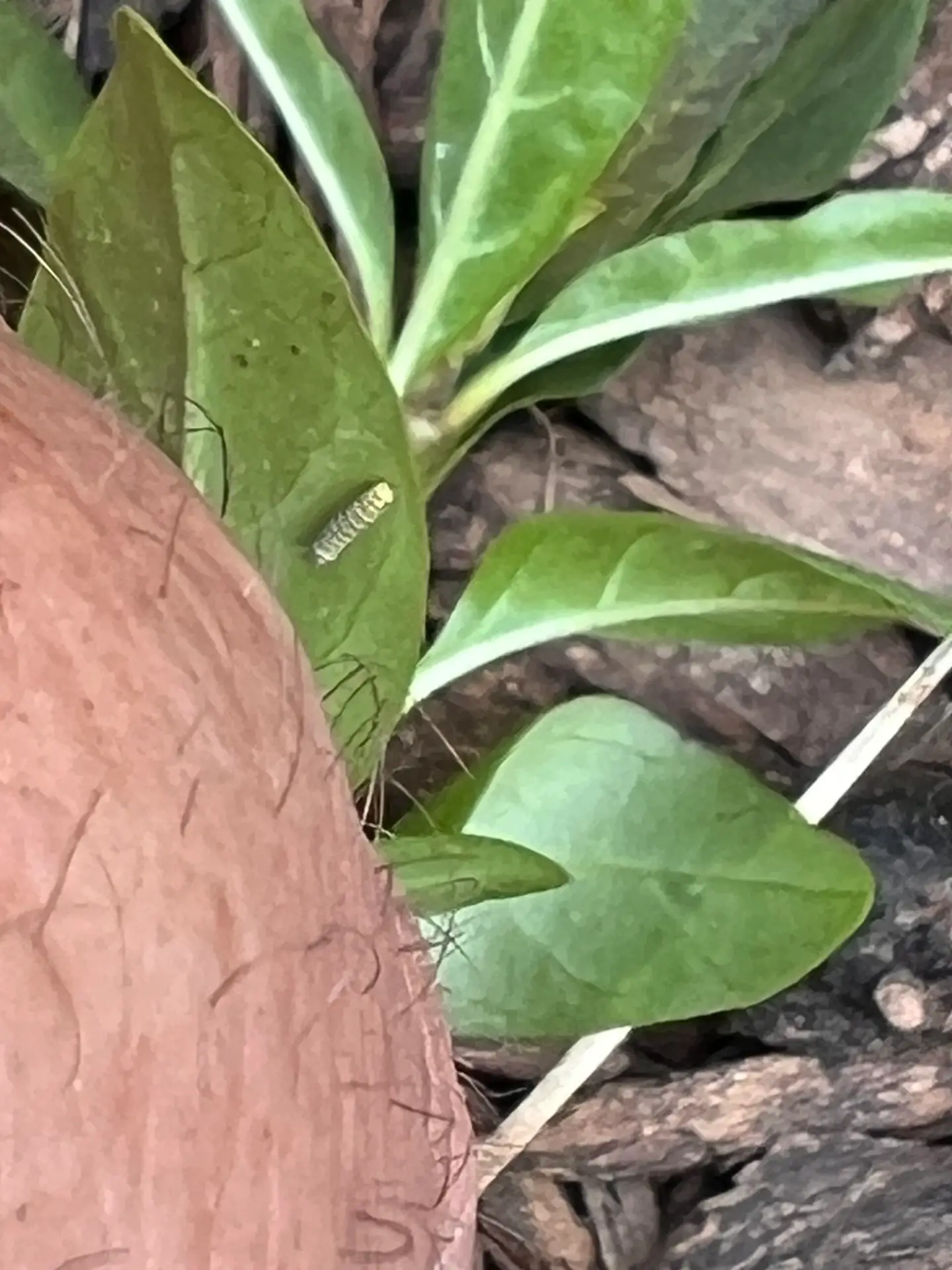
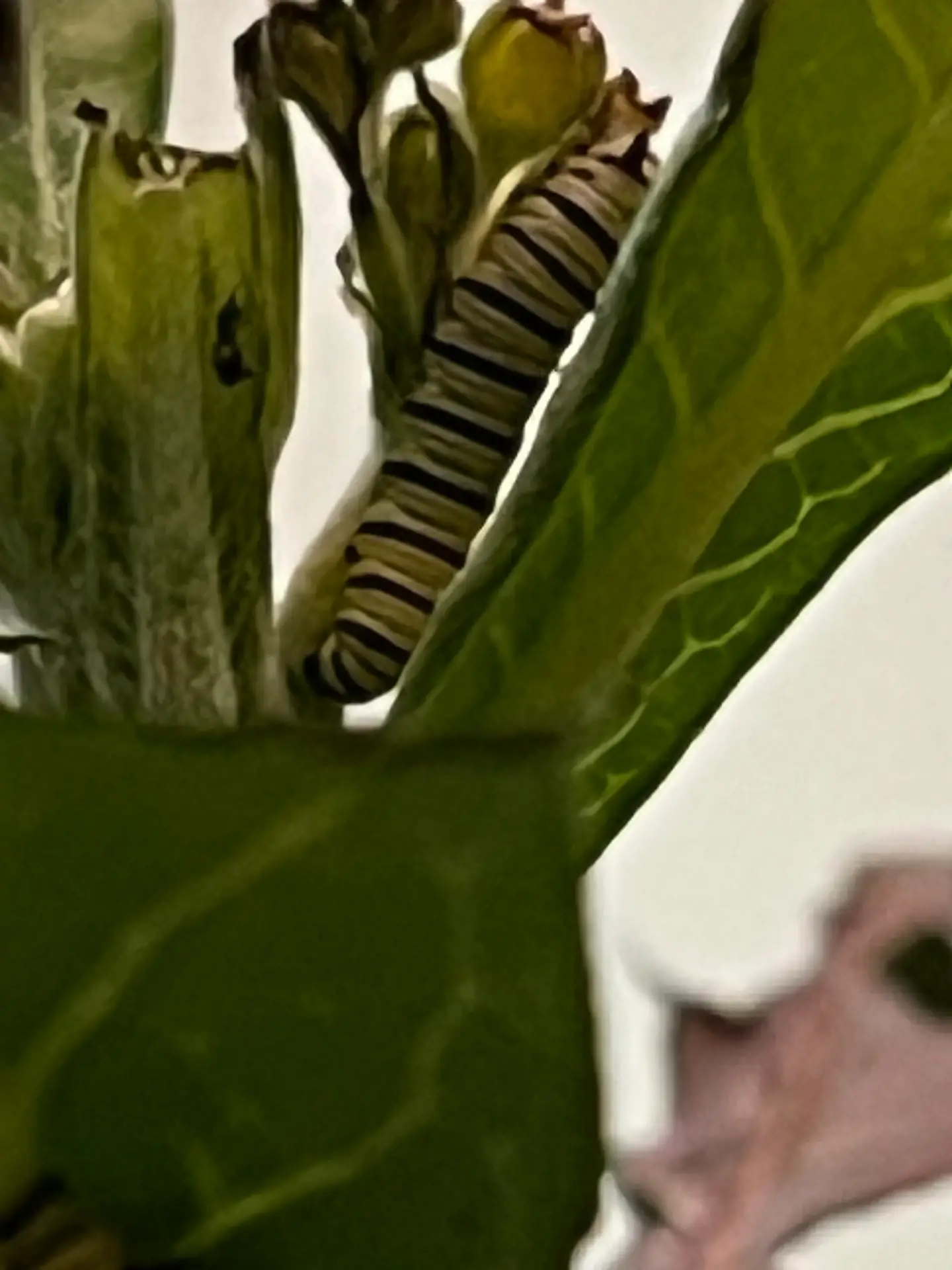
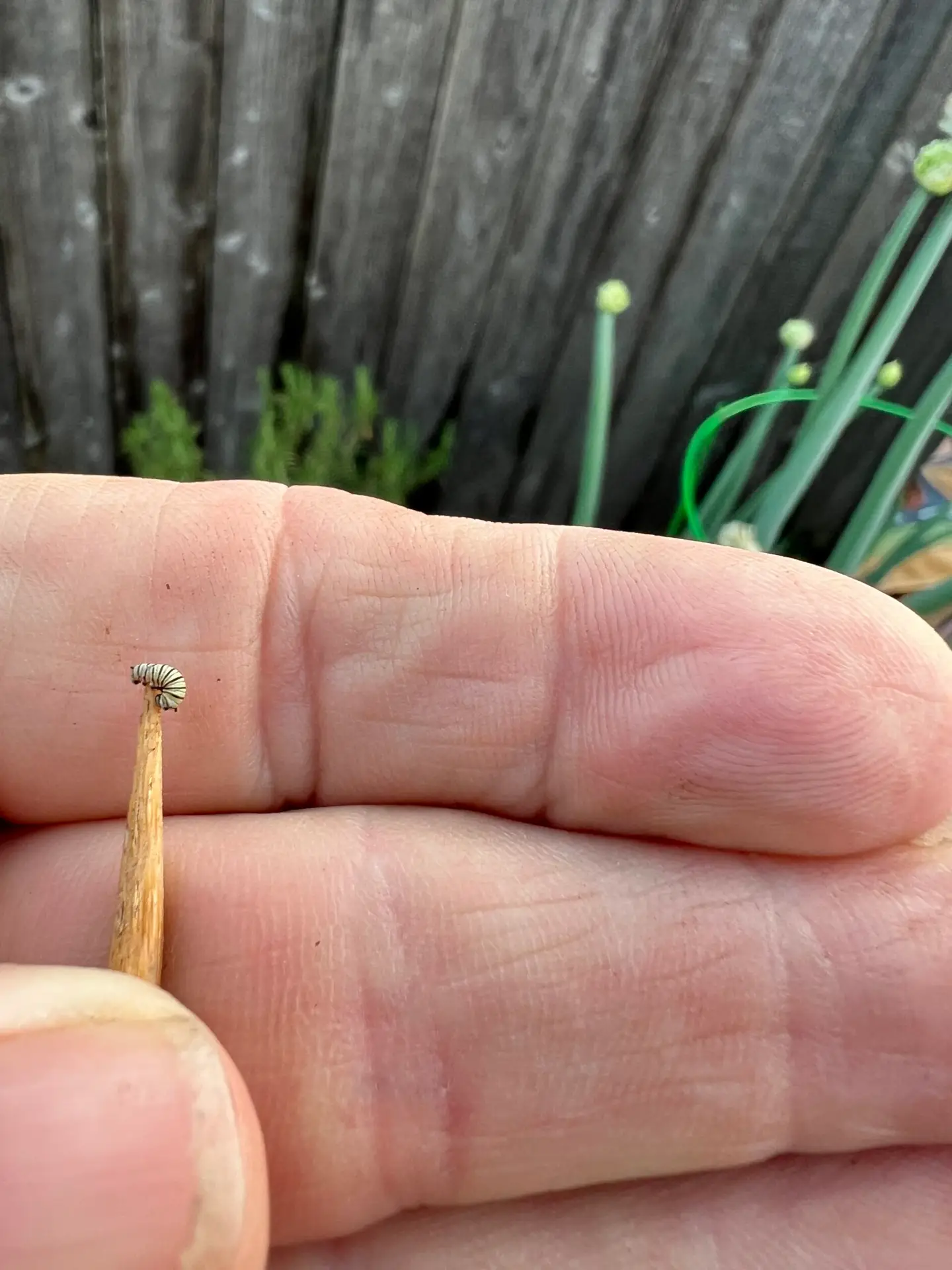
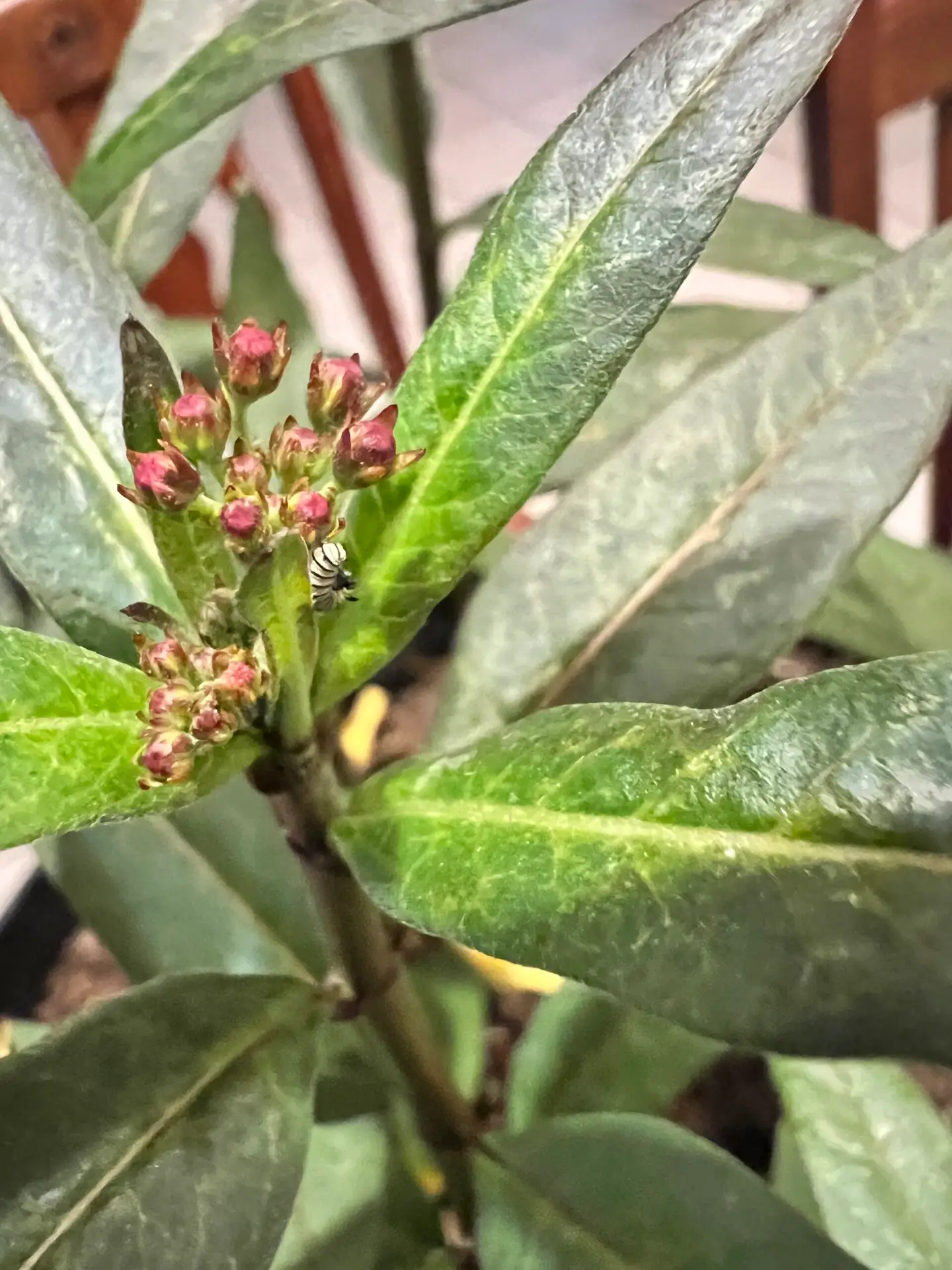
The primary cohort of twenty-five caterpillars ranges from approximately three to seven days of age, corresponding primarily to the second through fourth instars. These larvae exhibit active feeding and visible growth, with increasing size, more pronounced black, yellow, and white banding, and greater consumption of milkweed foliage.

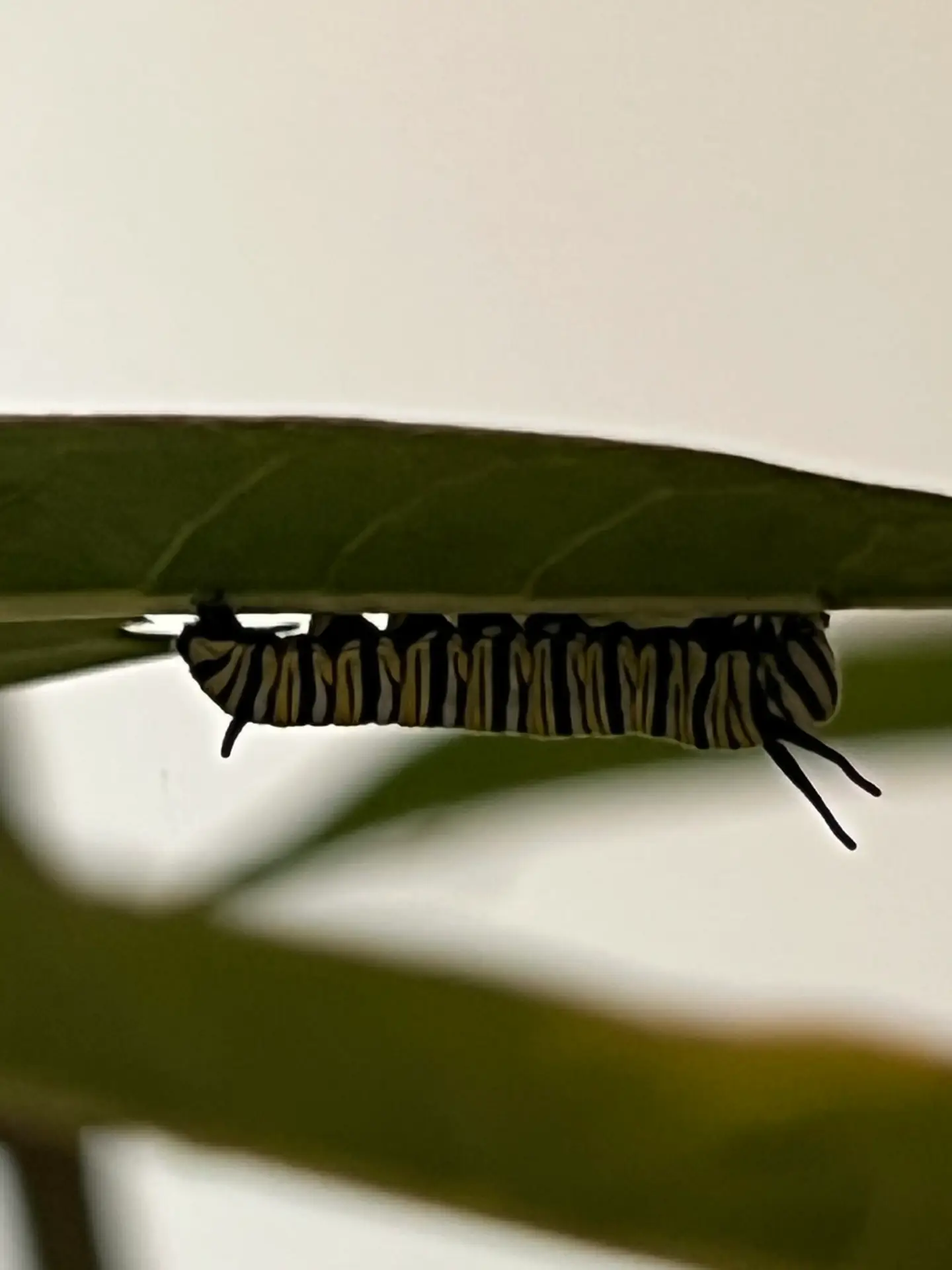
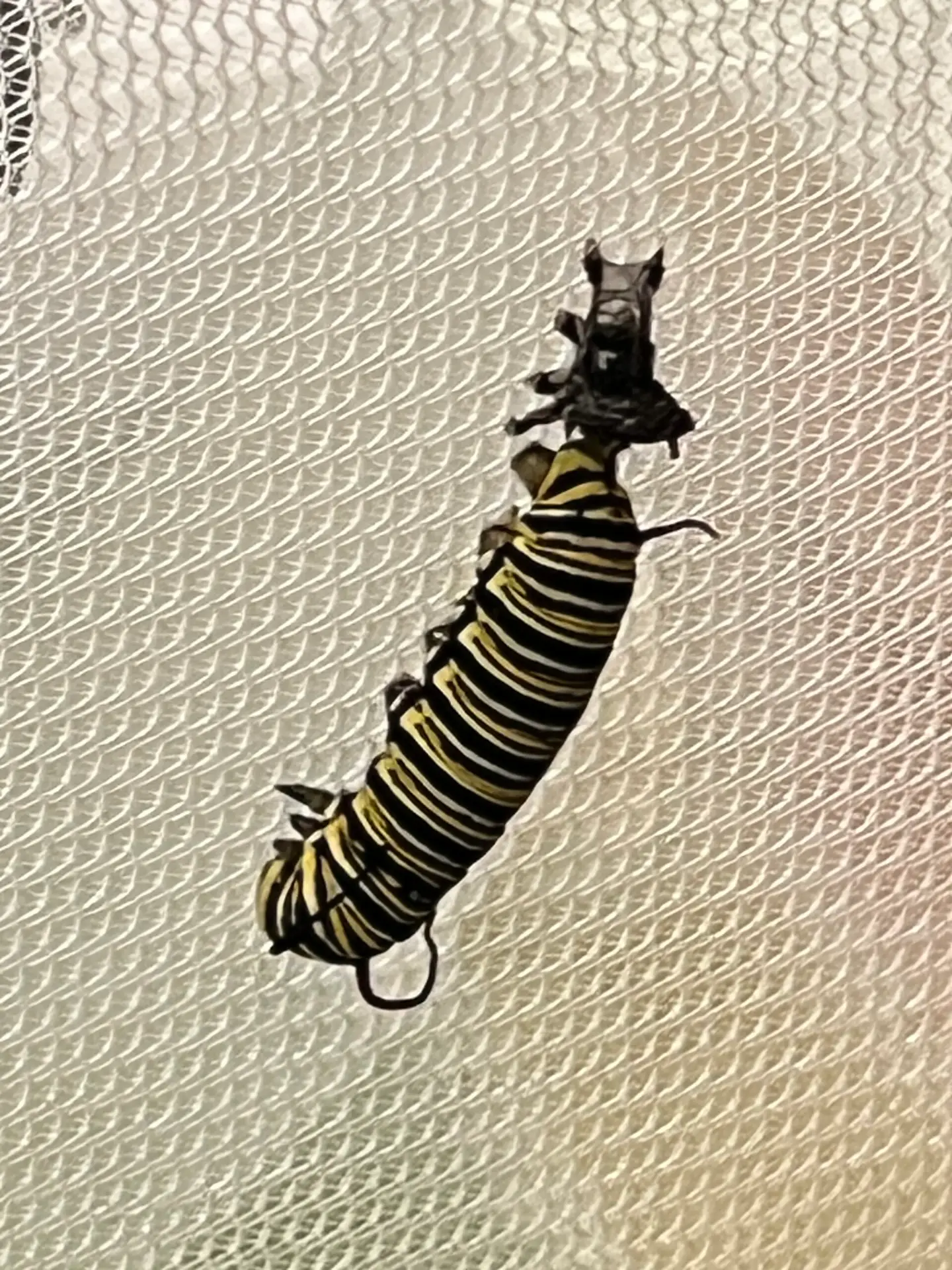
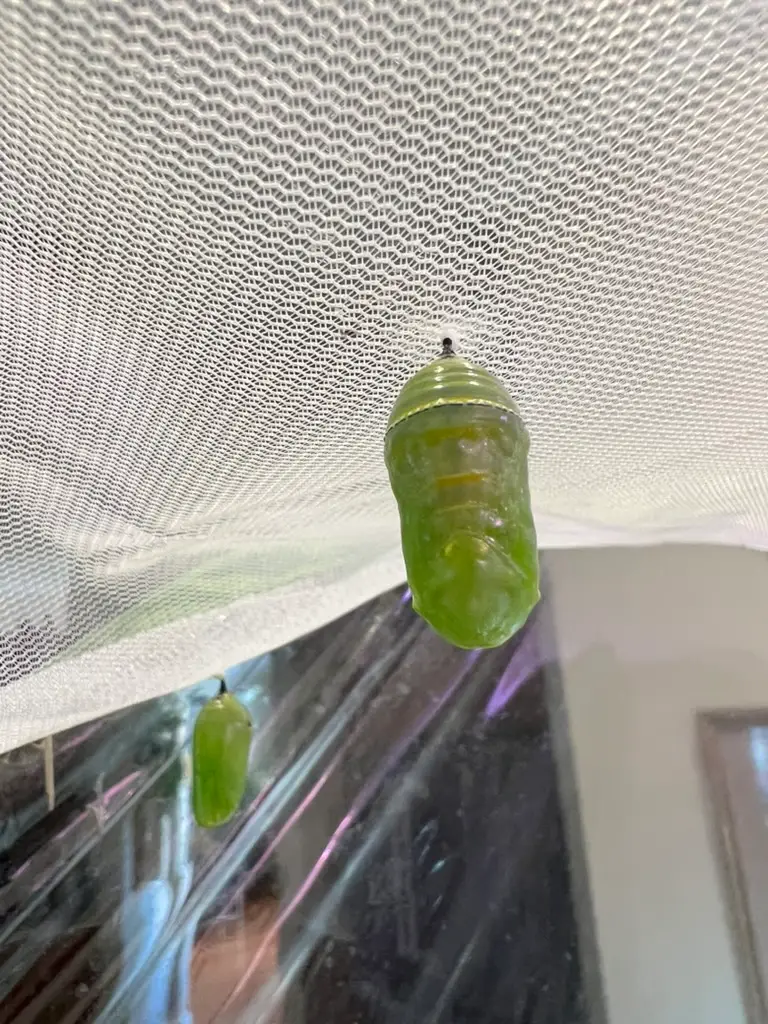
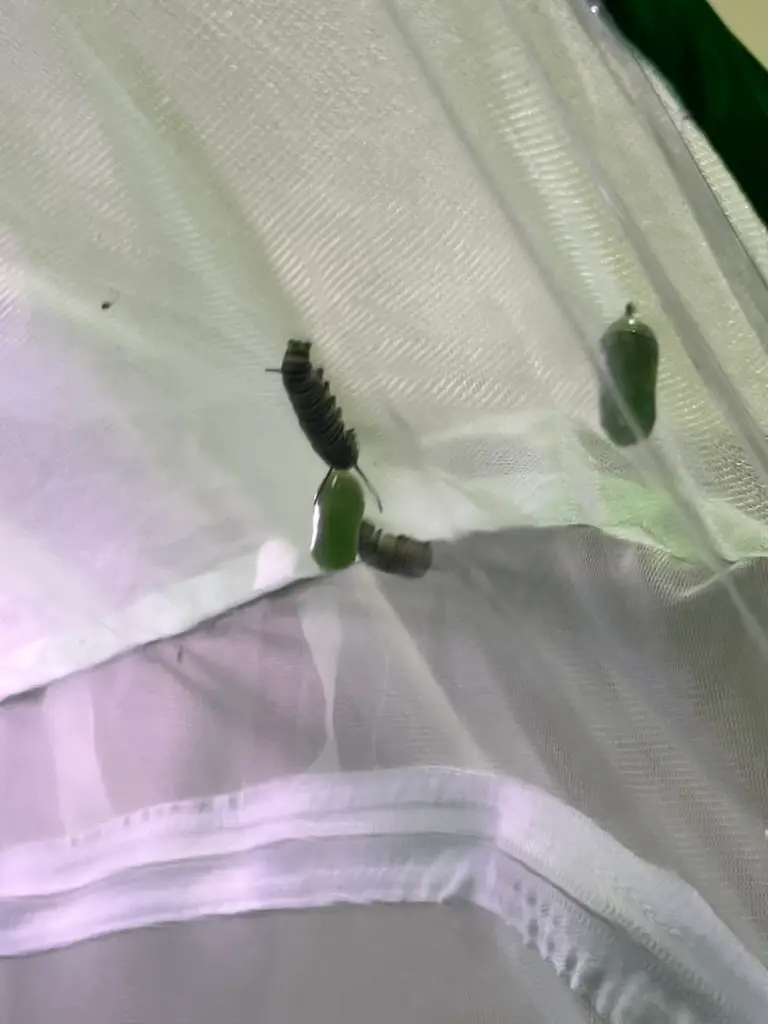
Development has progressed further: five individuals have successfully pupated into green chrysalises, while one late-stage caterpillar has entered the “J” position—hanging upside down from a silk pad in preparation for its final molt. This vulnerable stage typically lasts 10–24 hours, during which the antennae may shrivel before the caterpillar sheds its skin to reveal the pupal casing. These observations confirm healthy conditions and effective hosting practices in the local garden.

Selected photographs illustrating the various stages—including active caterpillars across instars, the “J” position, and early chrysalises—will be added to the Photo Album page to serve as visual references for readers.

Practical Weekend Raising Strategies for Mid-April

Enthusiasts undertaking rescue, raise, and release activities this weekend may find the following guidance particularly relevant given the current developmental stages in northwest Louisiana:

Support for Active Caterpillars (2nd–4th Instar):

Continue providing fresh, pesticide-free milkweed daily. Monitor consumption rates, as larvae in these stages steadily increase intake. Maintain enclosures at approximately 70–80°F (21–27°C) with good airflow to promote consistent growth.

Monitoring the “J” Position and Pupation:

A caterpillar in the “J” shape should remain undisturbed. Avoid moving or handling it during this sensitive transition. Once the chrysalis forms, it will harden over several hours and typically remain green with gold markings for 10–14 days before adult emergence.

Chrysalis Care:

Position formed chrysalises in a secure, well-ventilated area with moderate humidity. Do not disturb hanging chrysalises.

Weekend Garden Checklist:

Inspect milkweed patches for new eggs or larvae, refresh nectar sources to attract adult monarchs, and document findings for potential submission to the community album. Record dates and observations to track local migration patterns.

These low-effort steps allow meaningful participation while aligning with the natural progression observed this season.

Introducing the Photo Album Community Feature

A dedicated Photo Album page has been established to document the 2026 monarch season collaboratively:

Photo Album

Initial sample photographs from the garden, including images of the current caterpillars, the “J” position specimen, and chrysalises, are being prepared for addition to the page.

Readers are encouraged to contribute their monarch observations. Submissions may include photographs of eggs, caterpillars (with instar notes if known), chrysalises, the “J” position, adult butterflies, or supporting garden habitats. Please include a brief description with the date, approximate location, and any relevant details.

To submit, use the “User Submitted Photo” button (sidebar menu) or email photographs and accompanying information to MonarchButterflyWrangler@pelicanprose.com. Selected images will be added to the album with credit to the contributor. This growing visual archive will help illustrate seasonal patterns and inspire greater community involvement in monarch stewardship.

Broader Context and Call to Action

The presence of advancing life stages—active caterpillars, a “J” position individual, and multiple chrysalises—underscores the positive impact of localized milkweed hosting and conservation efforts during the northward migration. Such observations contribute to the collective understanding of monarch population trends in the Gulf South region.

Please visit the Photo Album page to view emerging images and consider submitting your own mid-April sightings. Additional resources include the April 5 post titled “April Kickoff: Eggs, Caterpillars, and Your First Raising Batch,” along with the Garden and Monarch Butterfly category archives.

For real-time updates, follow @PelicanProse on X. Site subscriptions provide notifications for future migration reports.

Your ongoing engagement through gardening, raising, and documentation supports meaningful monarch conservation. Thank you for your stewardship this spring.

Flutter and Float with the Monarchs

Comments (0)

Your email address will not be published. Required fields are marked *

*