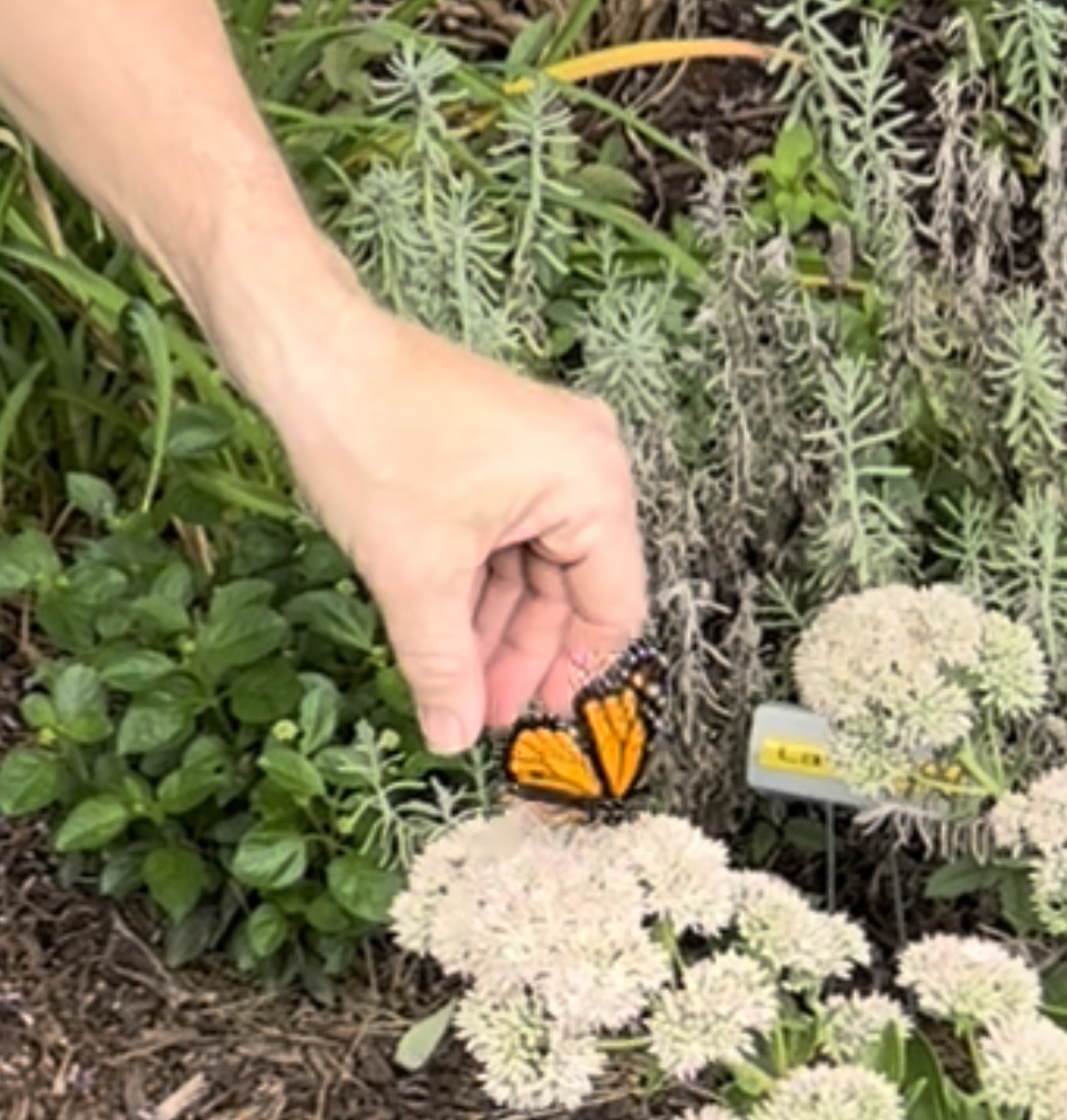
Late April Habitat Update: 3 Butterflies 16 Chrysalises and 5 Caterpillars – The 2026 Wave Is Thriving in Northwest Louisiana
Migration Update
We remain squarely in the active spring breeding zone. Overwintering monarchs continue their northward movement from Mexico, with early reproduction well underway across Texas and adjacent areas. Recent reports show a 64% increase in the overwintering population area in Mexico compared to last year, which bodes well for this season. The latest citizen-science observations confirm ongoing egg-laying and the presence of young caterpillars across the region. Keep an eye on the Journey North spring migration maps for real-time progress.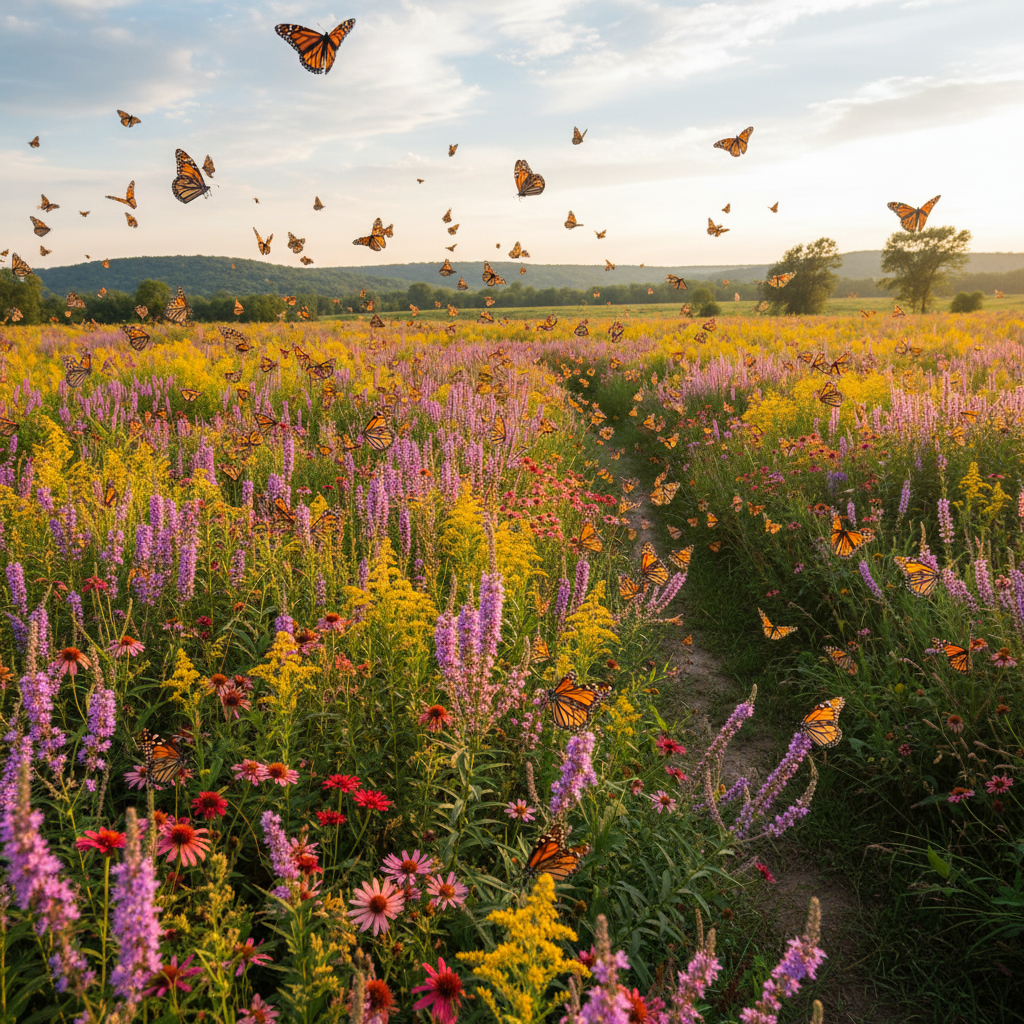
Current Habitat Snapshot
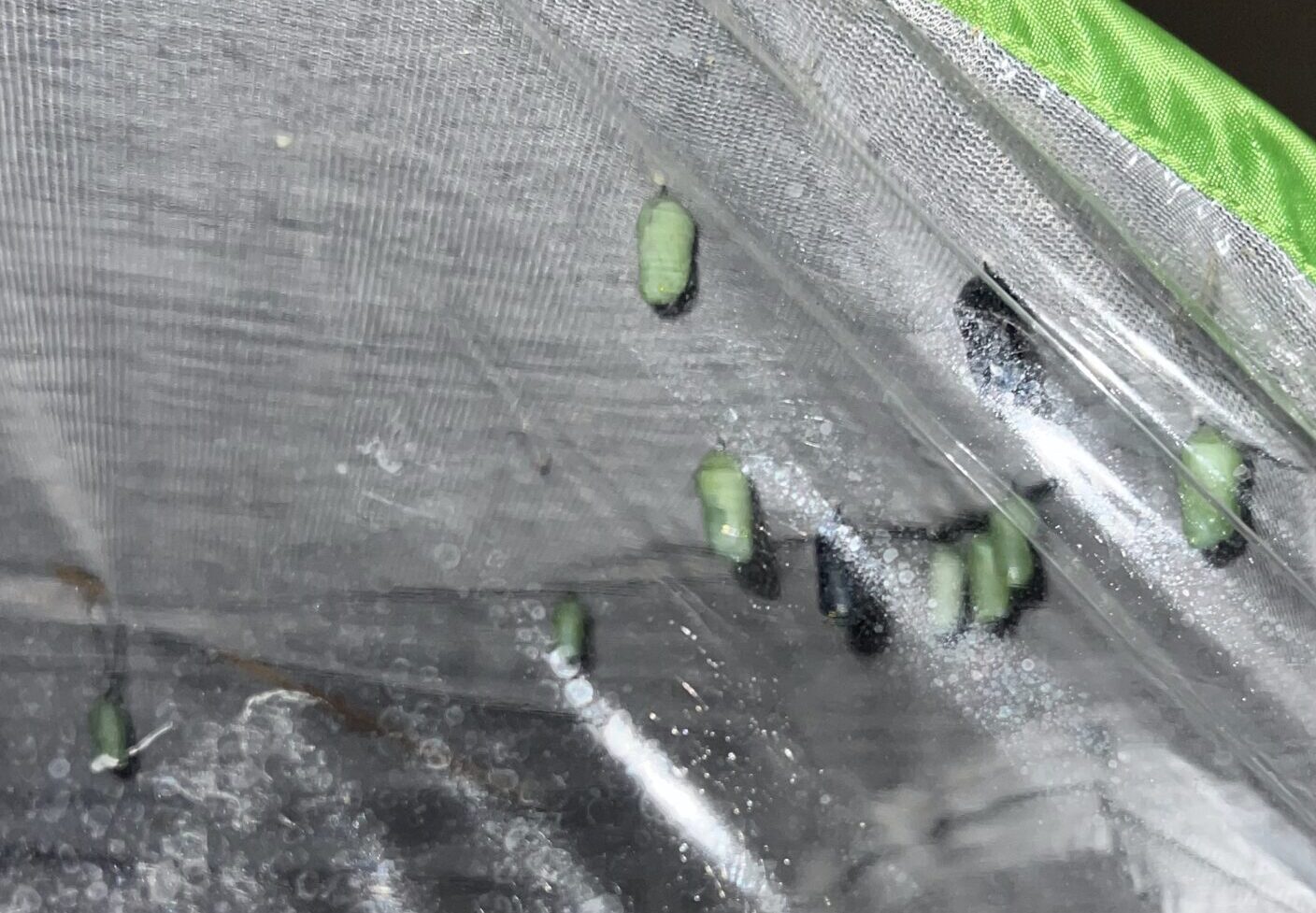
**16 chrysalises** — Various stages of development; some are beginning to darken, signaling they are nearing adult emergence.
**5 caterpillars** — A mix of 3rd, 4th, and 5th instars actively feeding and growing.
This progress reflects successful egg hatching, healthy larval development, and a smooth transition into the pupal stage. The numbers also highlight the importance of consistent fresh milkweed and clean habitat conditions.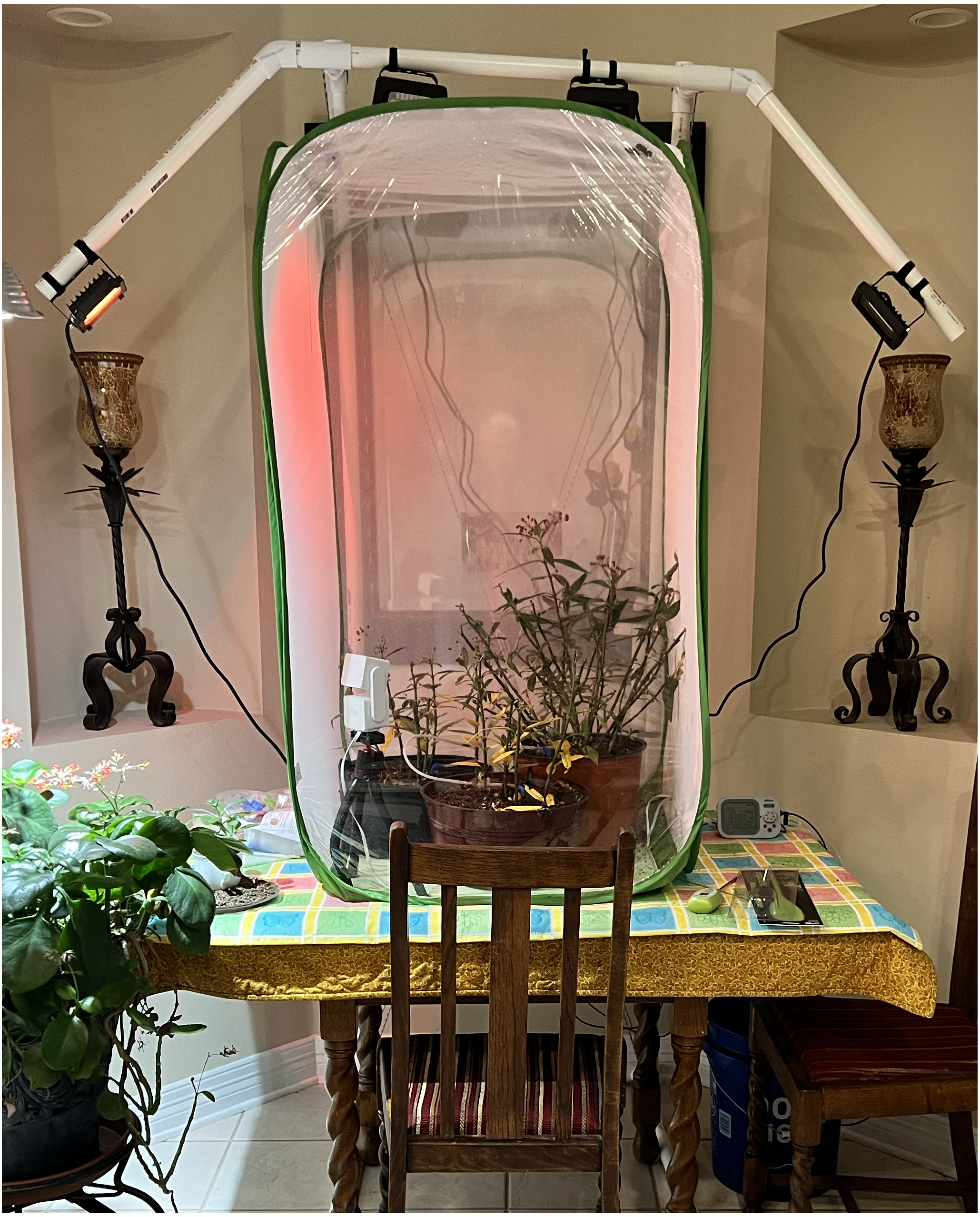
Weekend How-To: Caring for Chrysalises and Late-Stage Caterpillars
Now is an excellent time to support the next generation. Here are practical tips for this stage:
**For chrysalises**: Keep them in a protected spot with good airflow and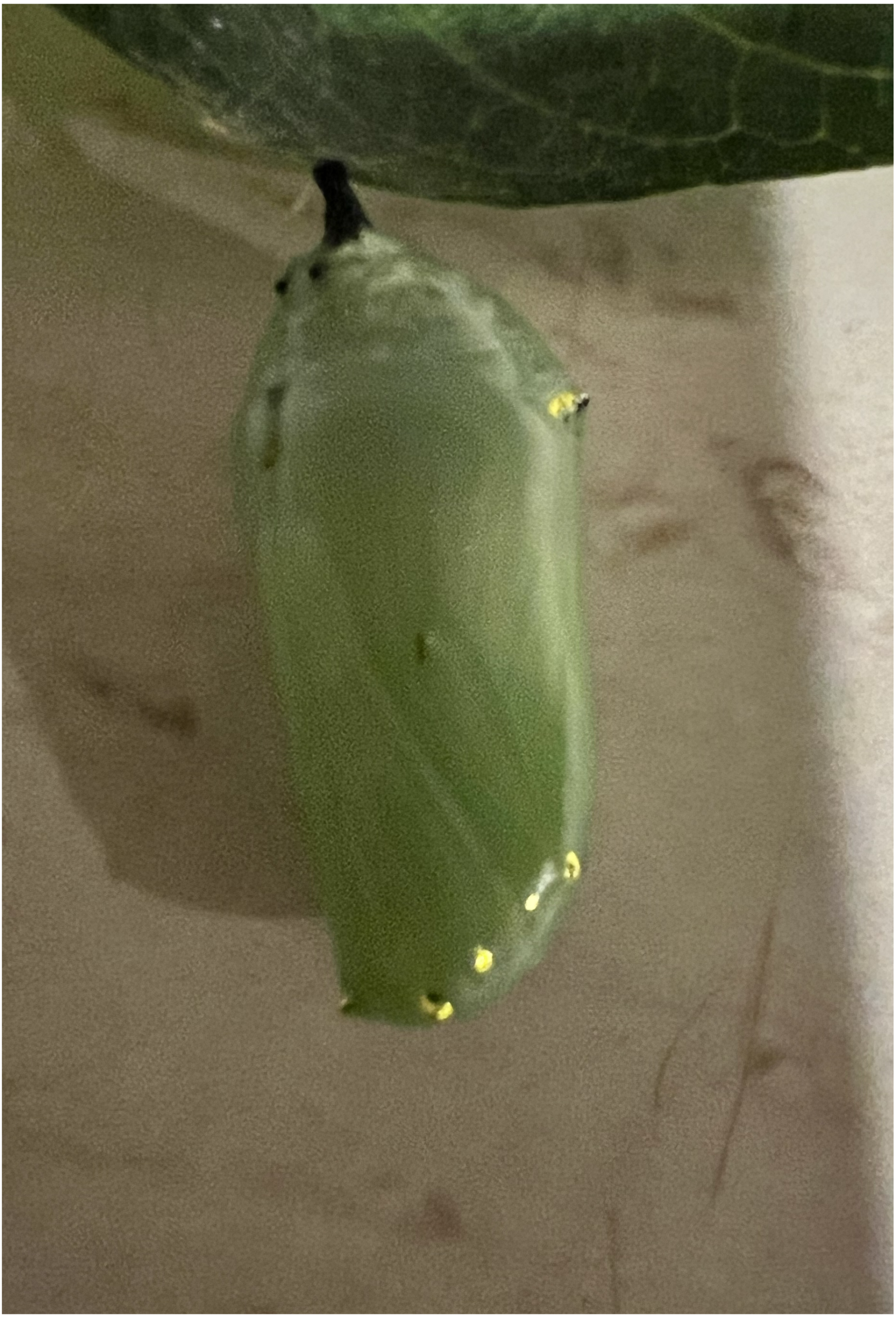 indirect light. Avoid direct hot sun or excessive moisture. Do not disturb hanging chrysalises. When they darken and become transparent, adult emergence is usually within 24–48 hours.
**For remaining caterpil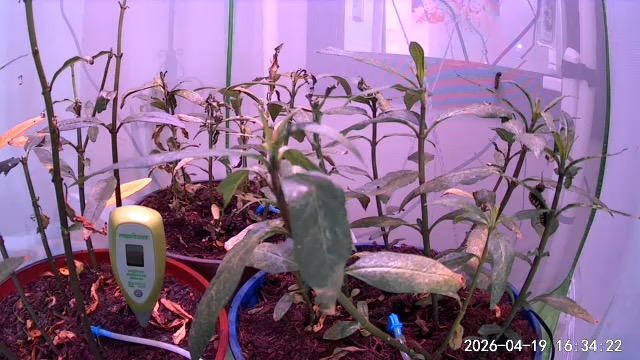 lars**: Continue providing fresh, pesticide-free milkweed daily. Remove frass (droppings) regularly to prevent mold or bacterial issues. A simple cage or netting helps contain everything while allowing ventilation.
**Signs to watch for**: Late-stage caterpillars may pause feeding before hanging in the characteristic “J” shape to form a chrysalis. Successful molts and healthy feeding are positive indicators of 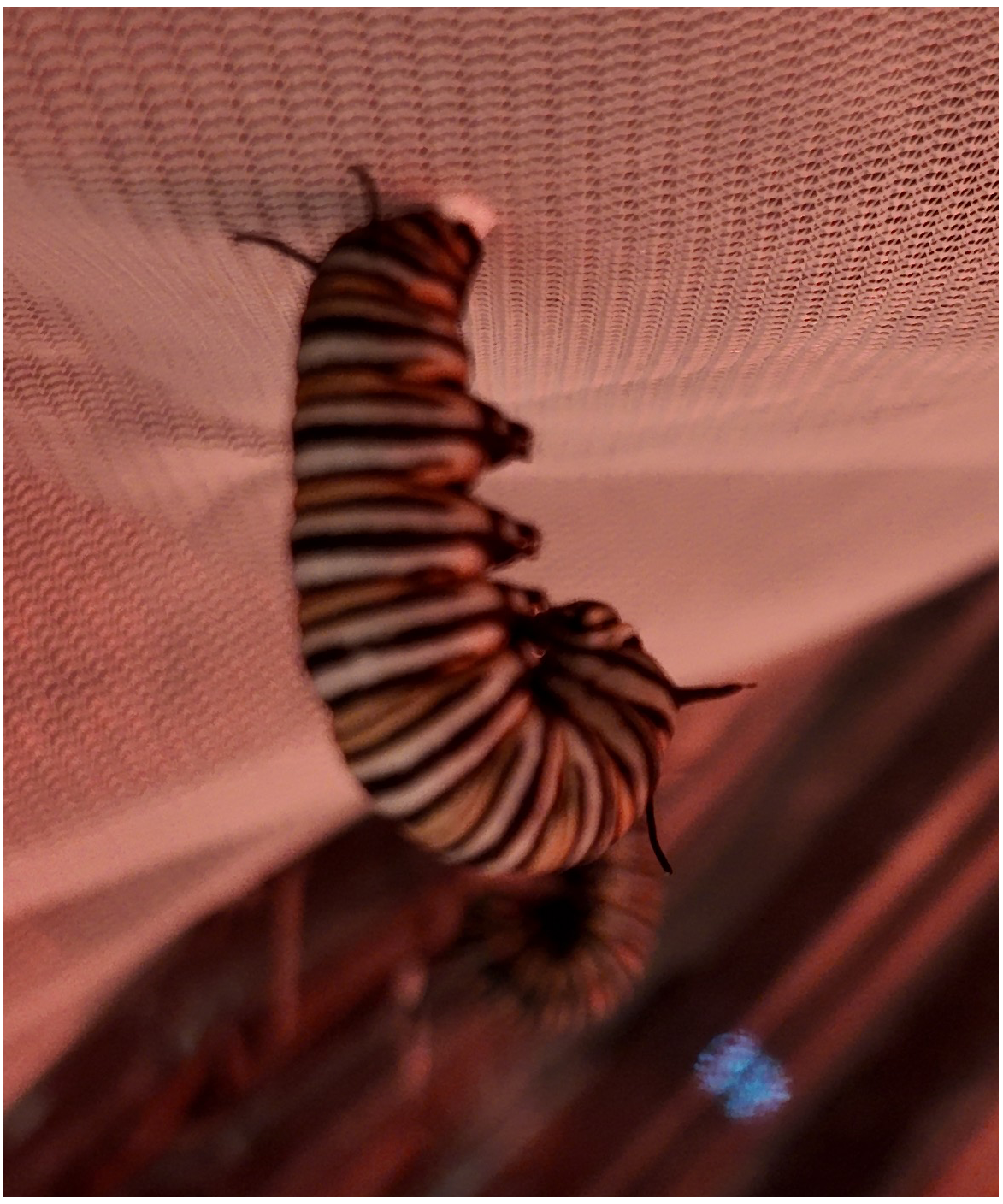 strong development.
Plan ahead for releases: Once adults emerge, choose a sunny, calm day with temperatures comfortably above 65 °F. Release them in a sheltered spot with nearby nectar sources so they can feed and begin their journey.