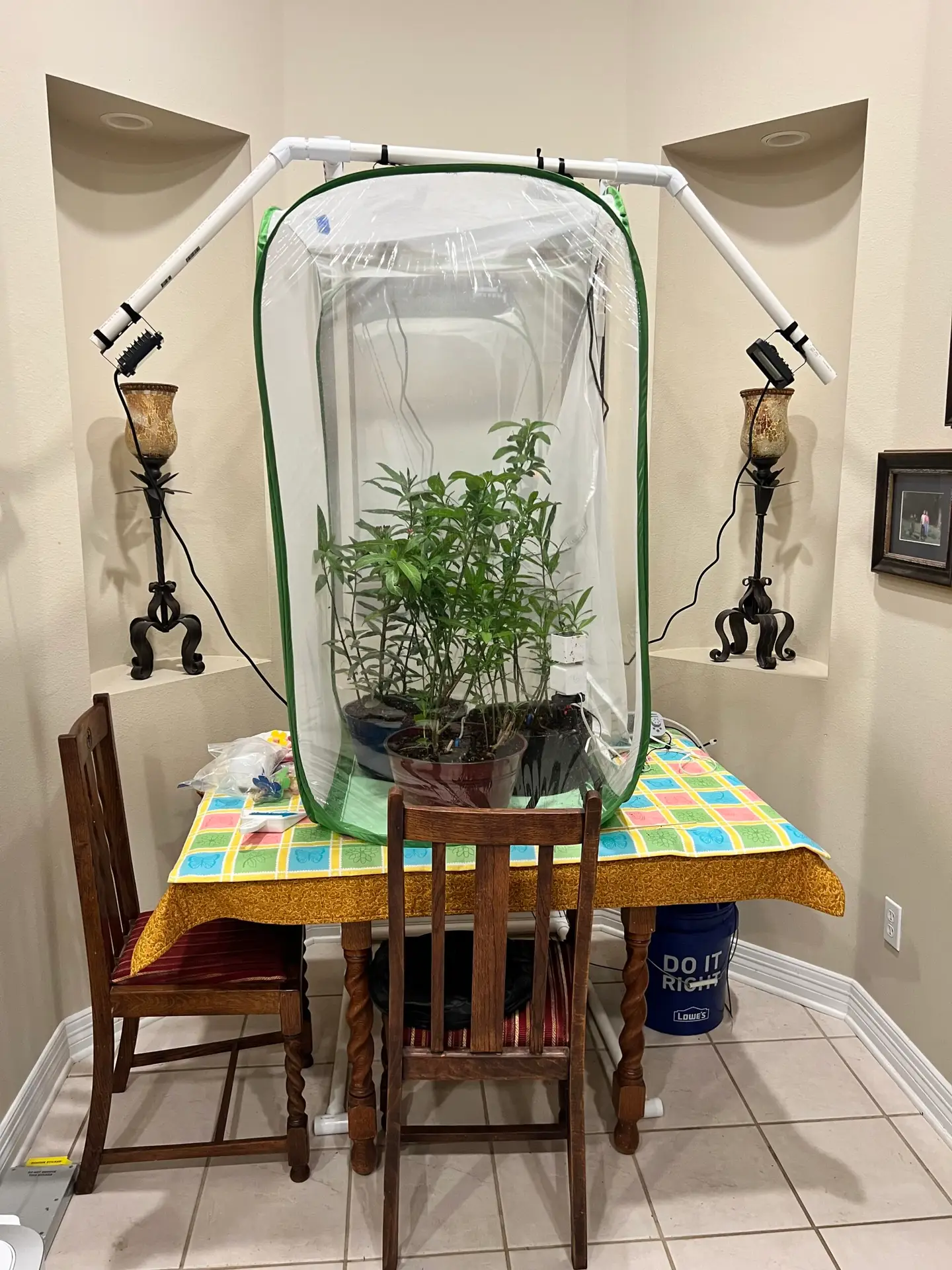
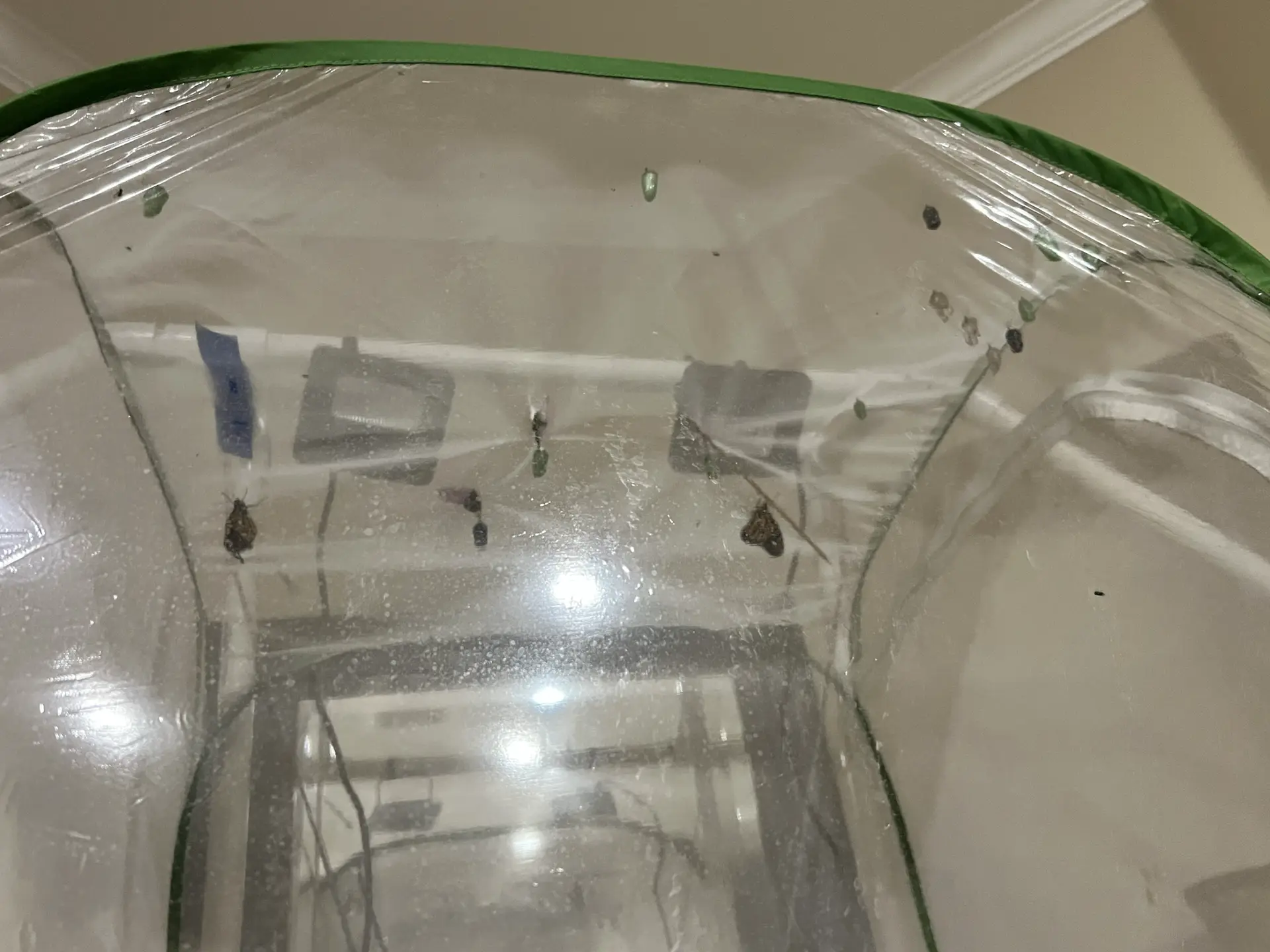
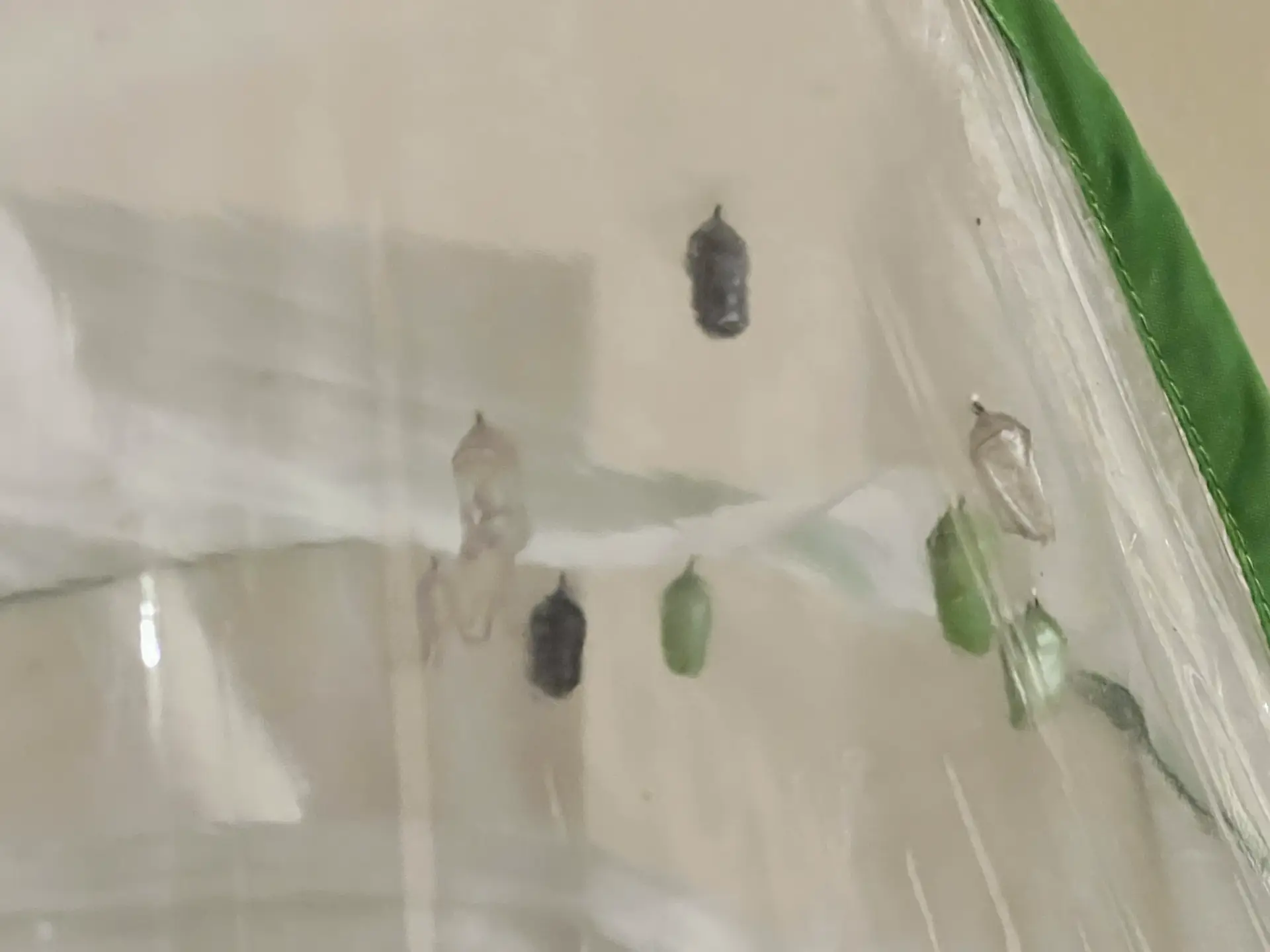
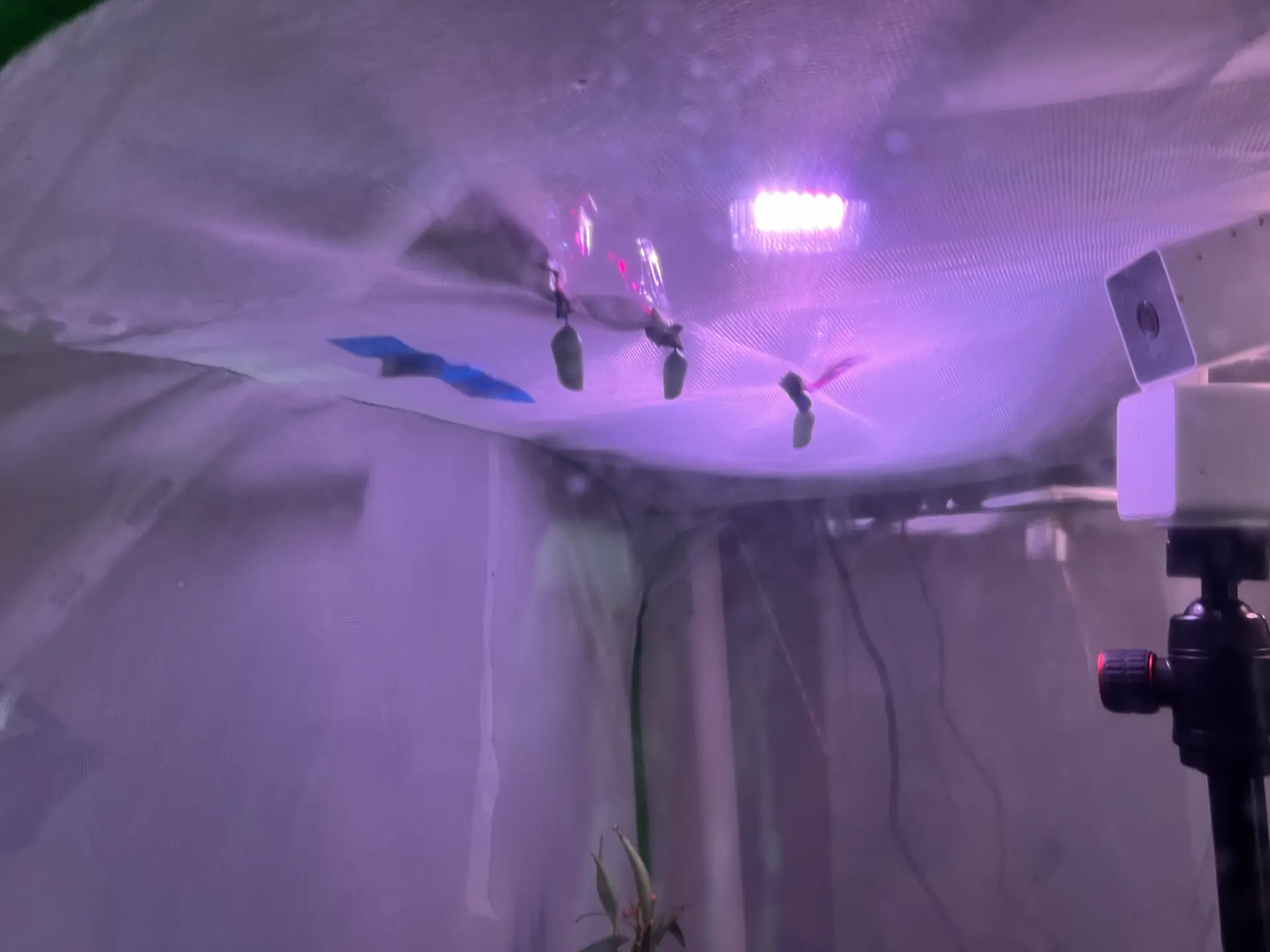
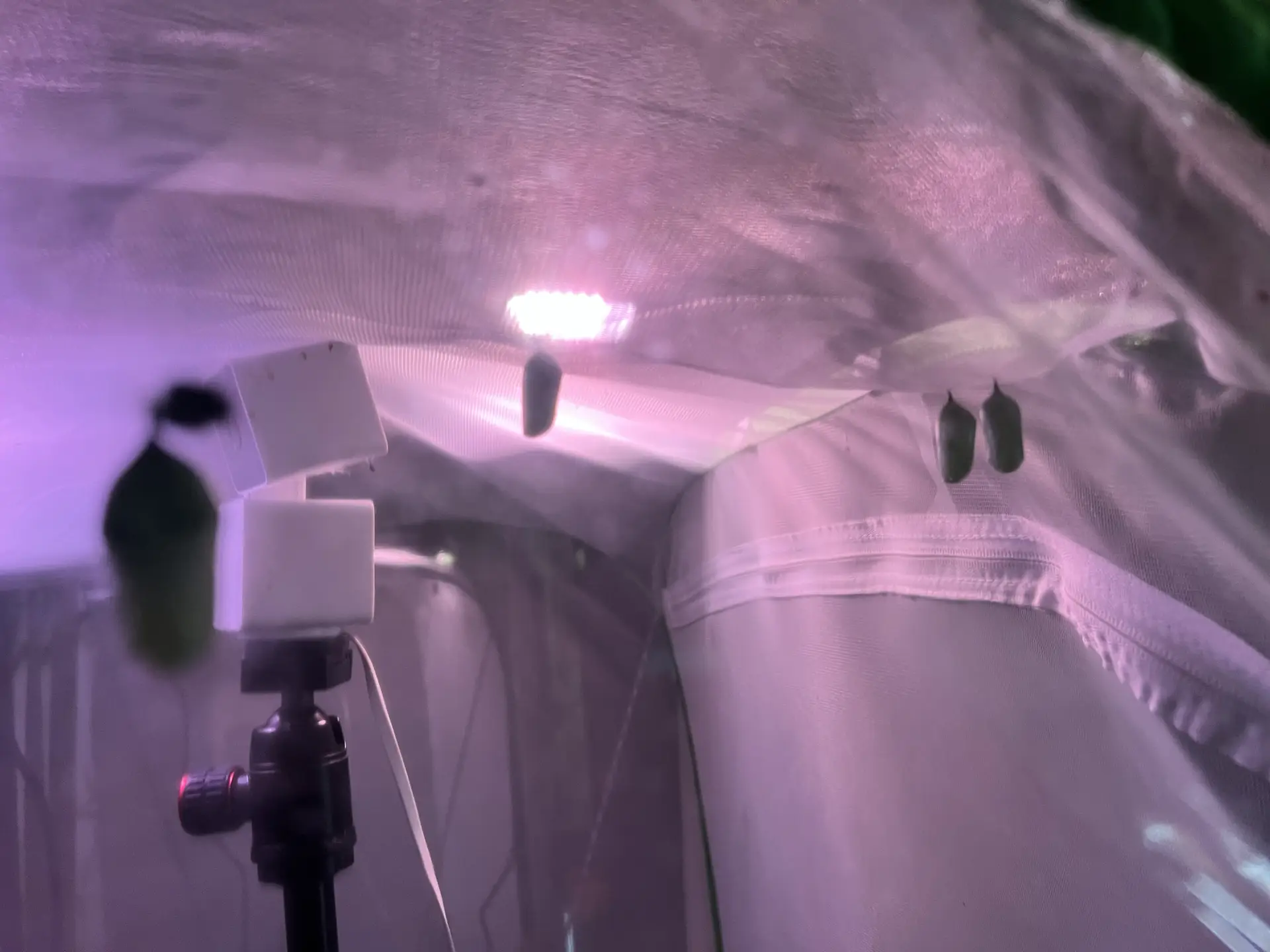
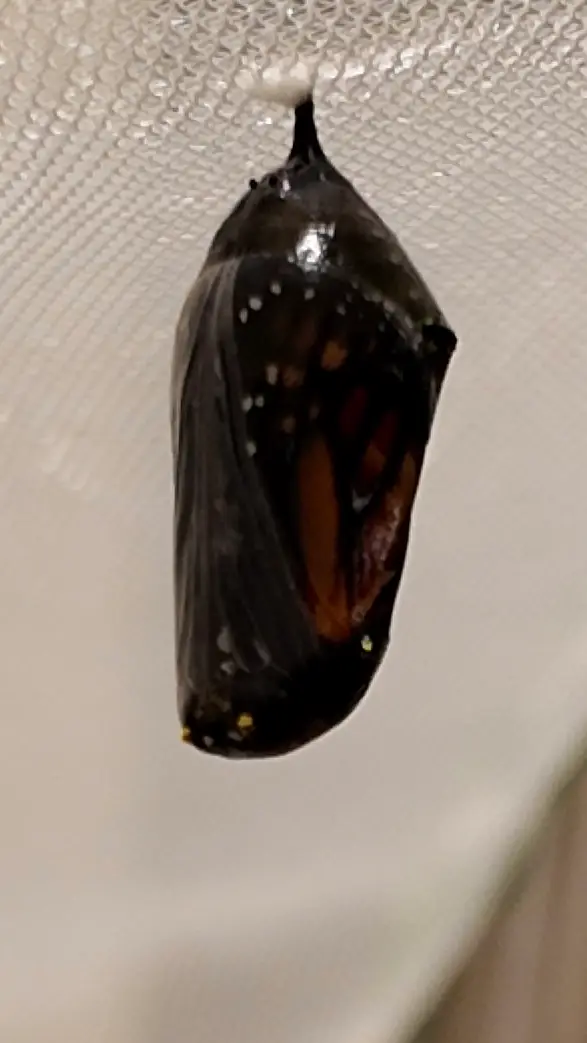
Greetings, fellow monarch enthusiasts and wranglers. As we head into the Memorial Day weekend in late May 2026, the rearing habitat is quietly buzzing with potential. This week features twelve healthy chrysalises hanging in the controlled environment—each one a small jade-green capsule holding a future migrant.
If you walked into my workspace right now, you might not even notice them at first. They have a way of disappearing against the mesh until the light catches that little band of gold at the top. Then suddenly you see them everywhere, like ornaments on a tree you didn’t know was decorated. These twelve represent strong progress in the second generation of the season, currently ranging from approximately five to eight days old.The chrysalis stage is the part of monarch wrangling that asks the most of us and shows the least. The caterpillars eat voraciously and demand fresh milkweed daily. The butterflies emerge, fly, and dazzle us with their beauty. But the chrysalises just hang—and hang. Our work here is mostly patient observation, trusting the remarkable process of complete metamorphosis unfolding inside.
What a Healthy Chrysalis Looks Like
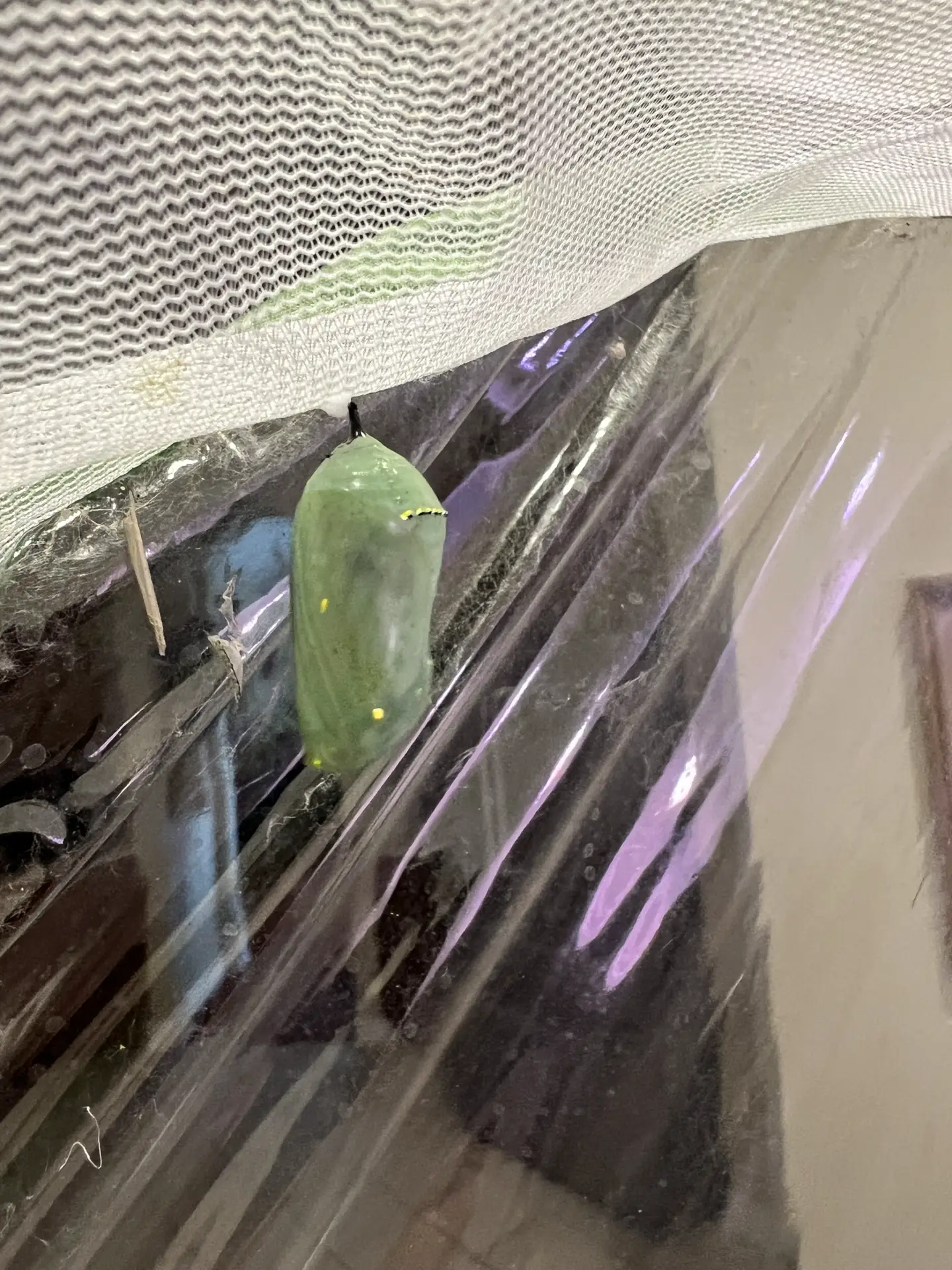
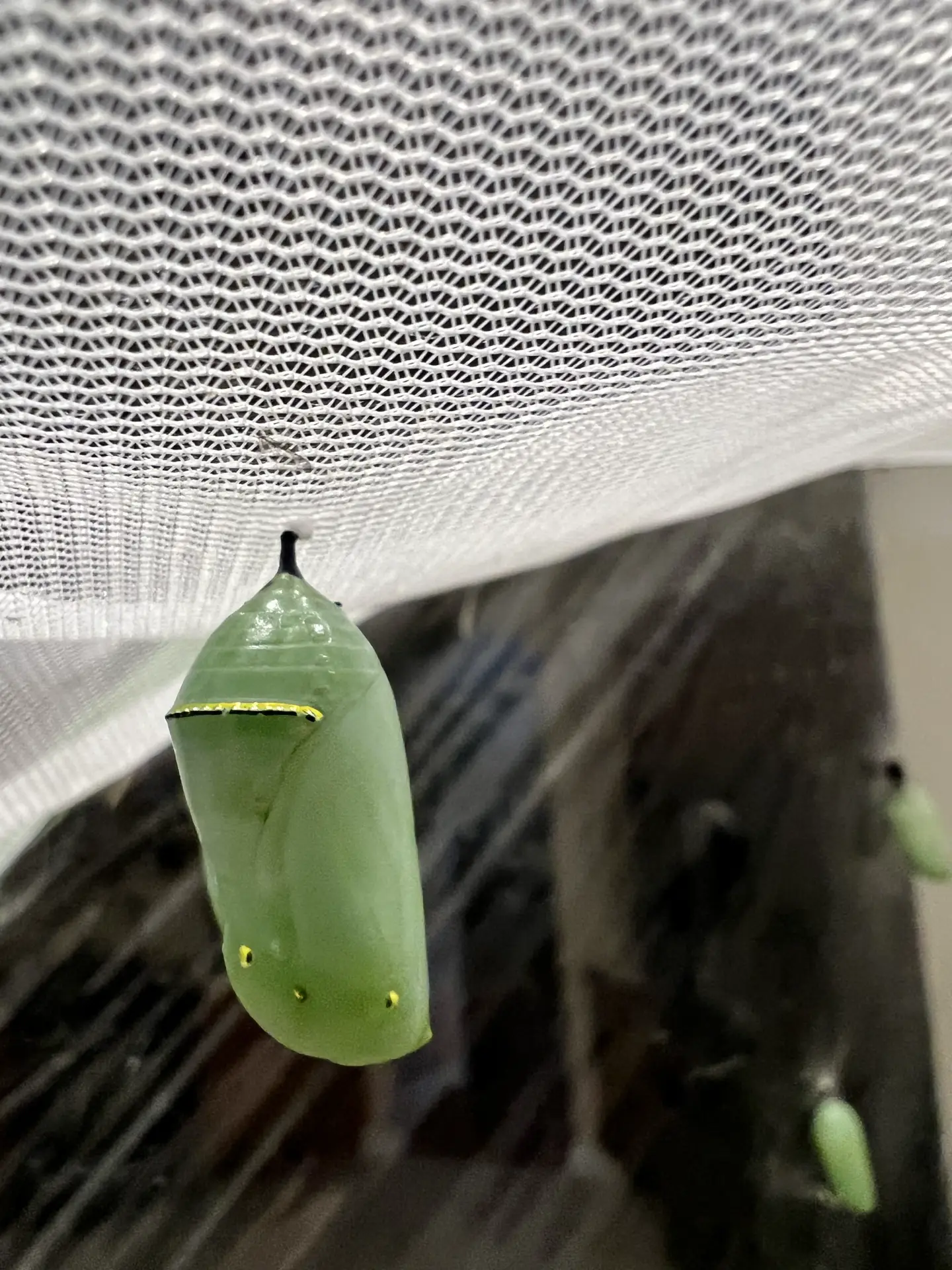
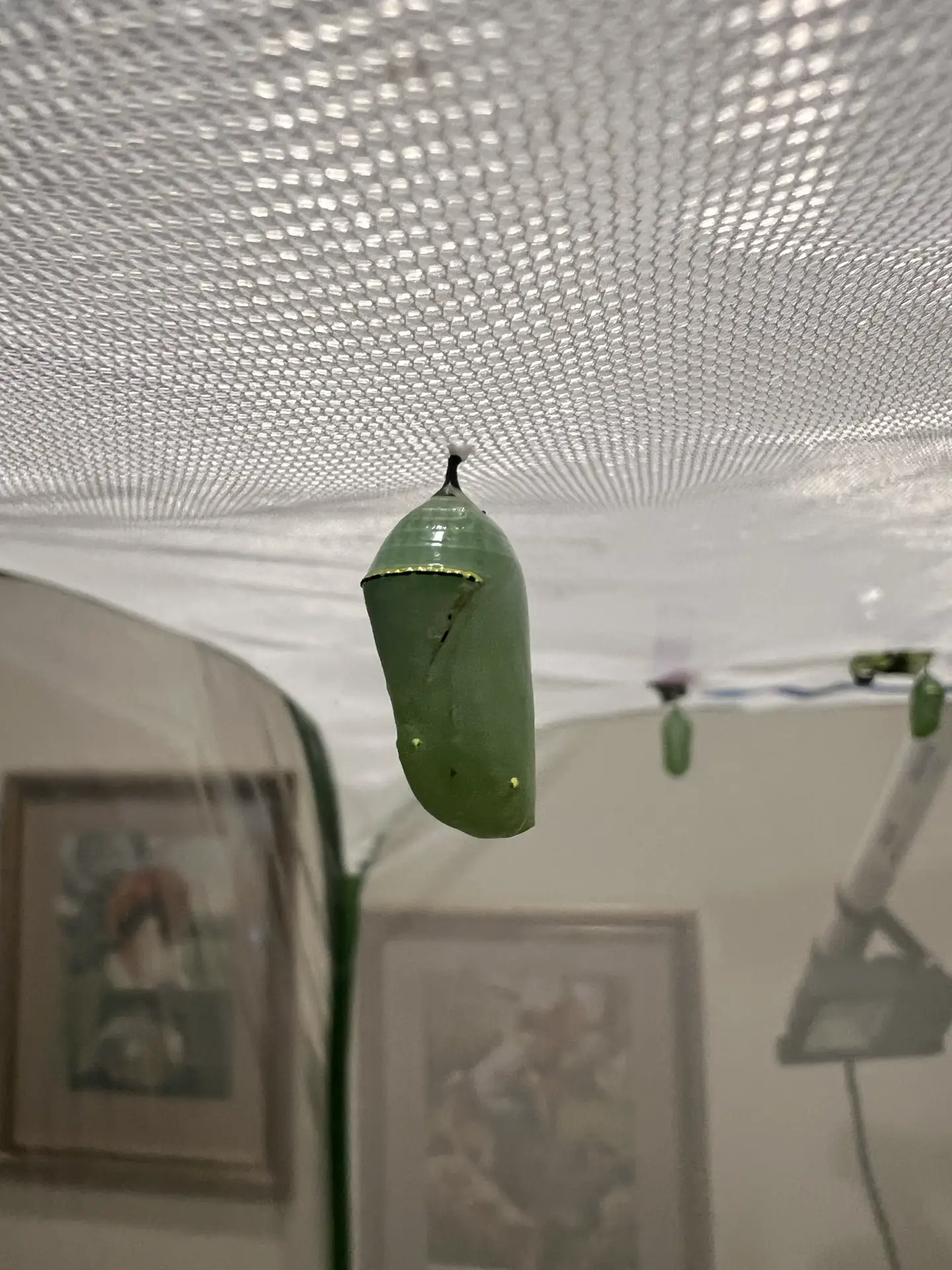
A healthy monarch chrysalis displays a particular shade of jade—somewhere between a green apple and a piece of sea glass—with a row of metallic gold dots circling the top like a crown. The surface should feel firm, smooth, and slightly waxy to the touch. The overall shape is plump and rounded, narrowing gently toward the cremaster (the sturdy attachment point at the top).In my current group of twelve, most show this vibrant, consistent jade coloration with clear golden accents, reflecting good conditions and uniform health. Minor natural variations appear due to factors such as slight differences in temperature, humidity, or genetics—some may have subtly deeper green tones or more pronounced gold spotting, but all remain firm and opaque at this mid-stage.
What you don’t want to see in the early weeks: dark patches, oozing or weeping fluid, deflated or shriveled areas, or a chrysalis turning fully black prematurely (rather than the gradual transparency near emergence). These can signal issues such as OE (Ophryocystis elektroscirrha) or bacterial infection. Prevention through strong hygiene, quarantining new eggs or caterpillars, and removing any affected chrysalis promptly remains the best approach to protect the rest of the cohort.
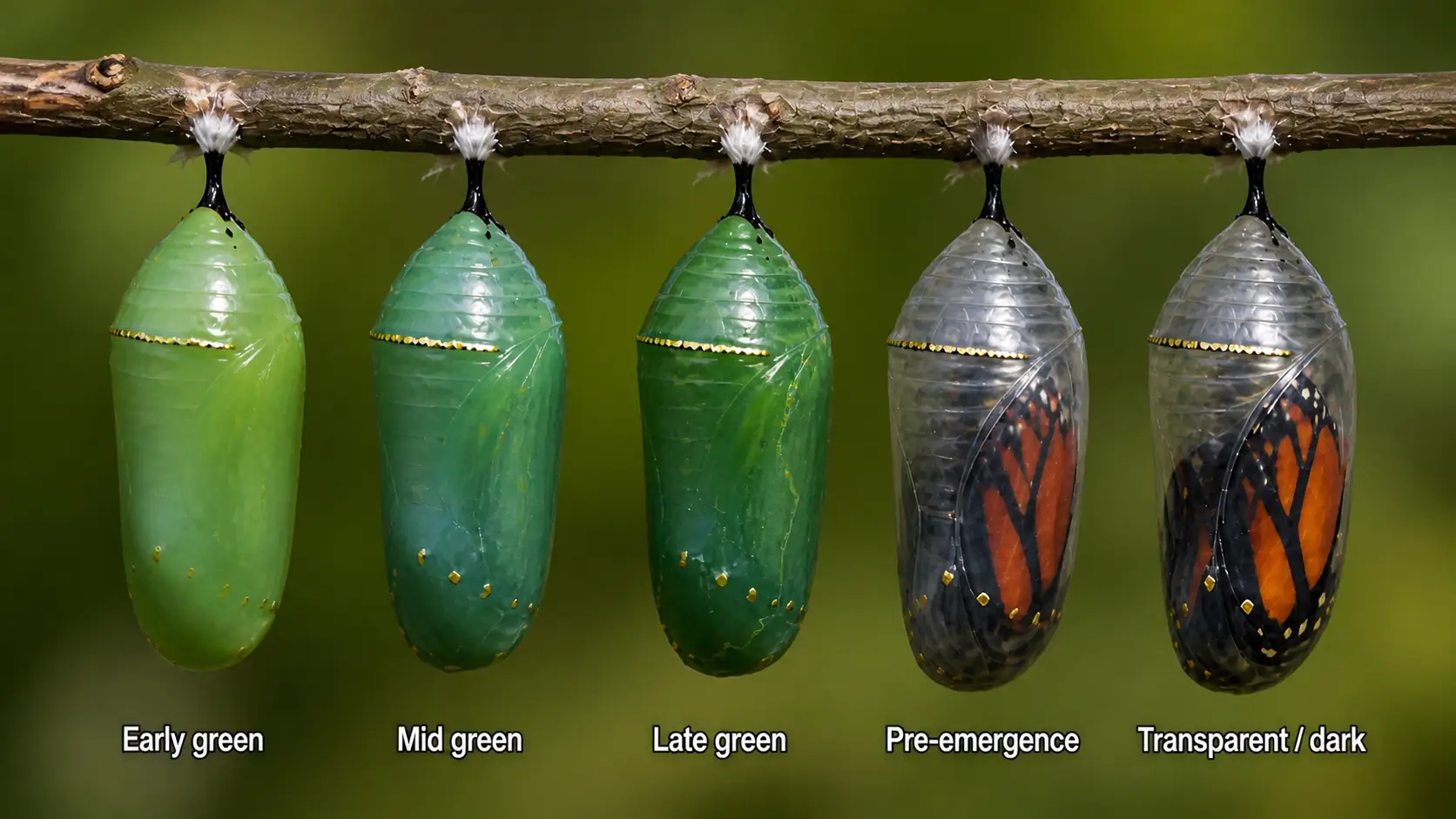
The Next Two Weeks: Stages and Color VariationsMost of my twelve are currently in the “quiet middle” phase (roughly days 5–8), appearing stable while intense internal transformation occurs. Monarch pupal development typically spans 8–15 days in summer conditions, though warmer Northwest Louisiana temperatures can gently accelerate the timeline. Here’s what to expect:Days 1–3: The freshly formed chrysalis tightens and hardens. Any remaining bumpy or soft texture from pupation smooths into the classic jade jewel shape.Days 4–8: The quiet middle stage. Externally, it looks like little is changing—the green remains vibrant and opaque.Days 9–11: Subtle darkening begins. The shell may lose some brightness as the outlines of wings start pressing against the casing.Day 12 or so: The chrysalis turns nearly transparent, clearly revealing the orange, black, and white wing patterns underneath. This serves as your reliable 24-hour warning for eclosion, which most often occurs in the morning.Think of the process like a slow Polaroid developing. You won’t see the change moment-by-moment, but each check reveals a little more of the emerging picture.
Habitat Housekeeping
While You WaitEven during this low-activity phase, consistent care makes a difference. Here are three daily practices I follow:Spot-clean frass and old leaves. Debris can invite mold or mites.Check ventilation and light. Position the habitat out of direct afternoon sun, as chrysalises can overheat quickly in Louisiana humidity. Bright, indirect light is ideal.Resist unnecessary movement. Chrysalises attached where they chose to pupate are generally best left in place. Re-hanging is a last-resort option only if necessary.
Meanwhile, Out in the Garden
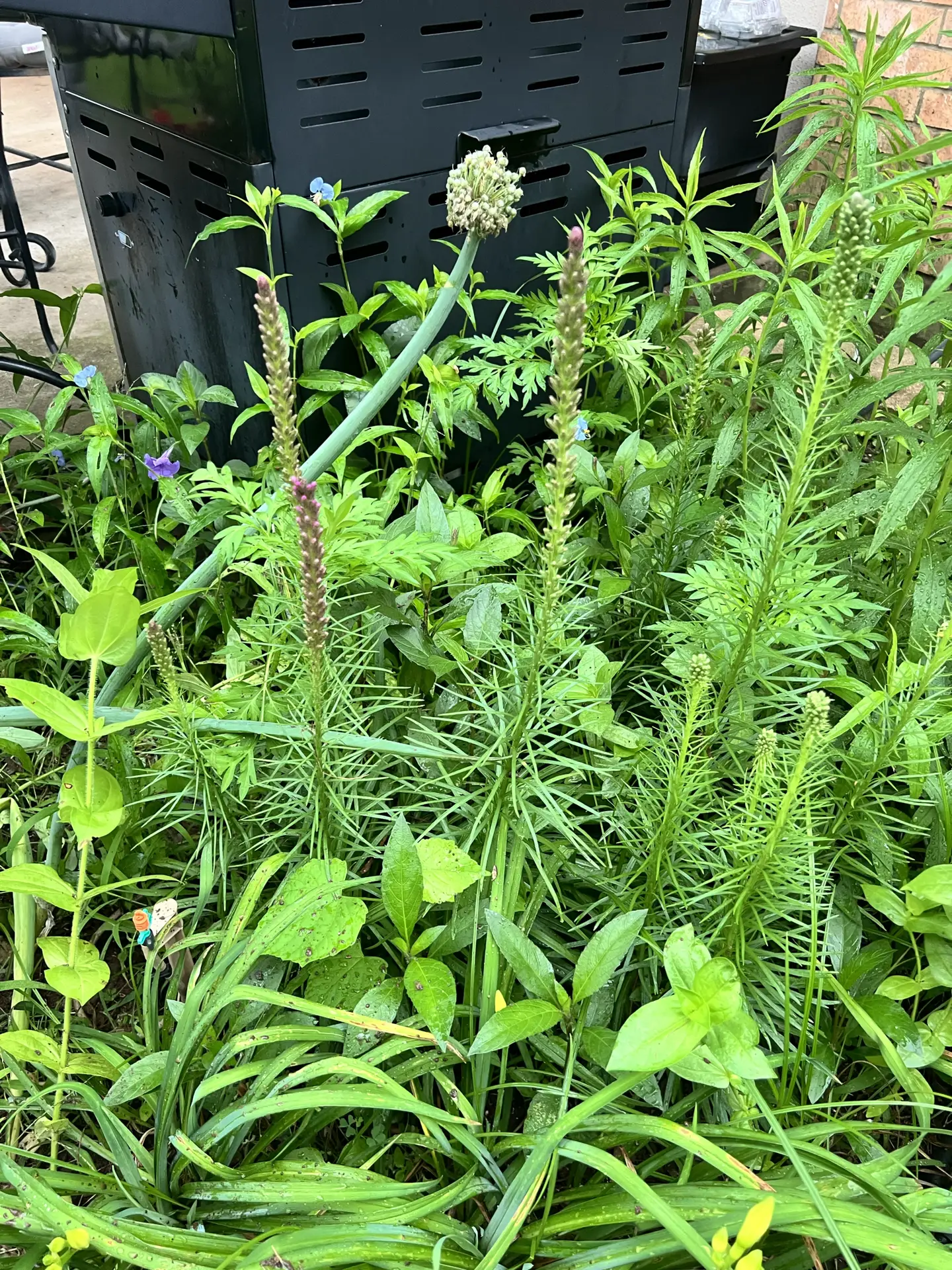
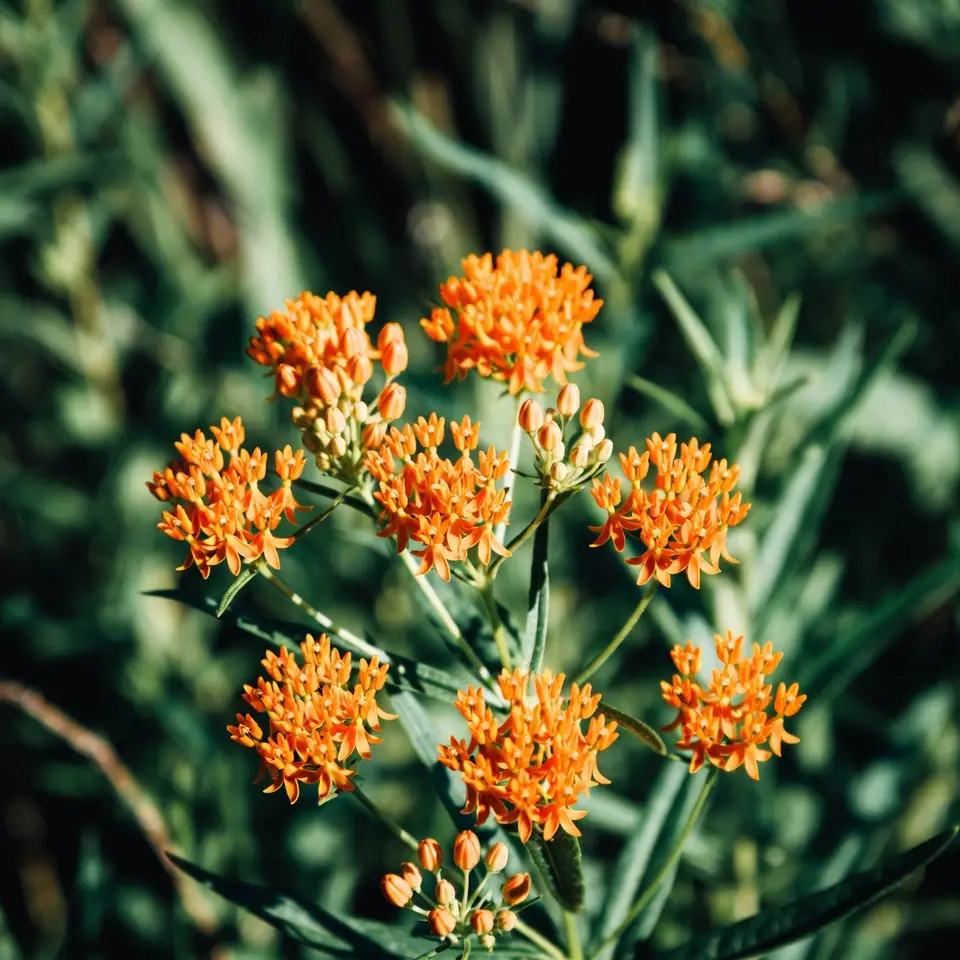
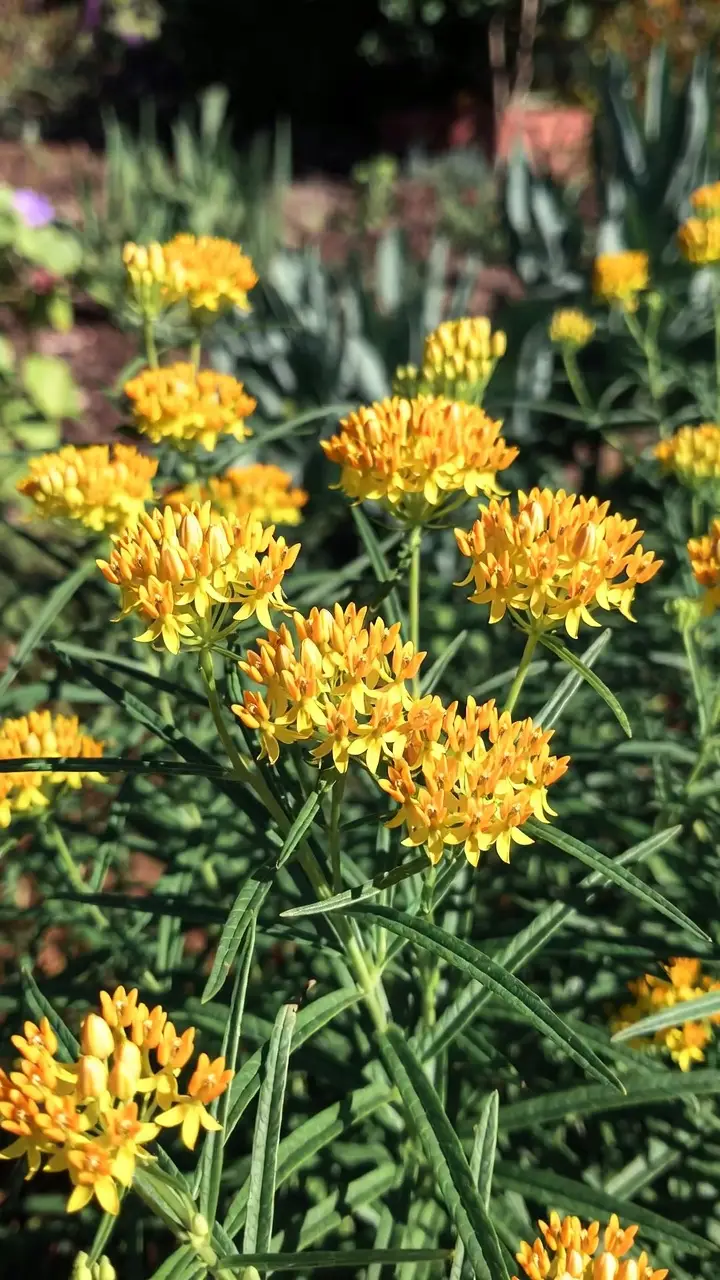
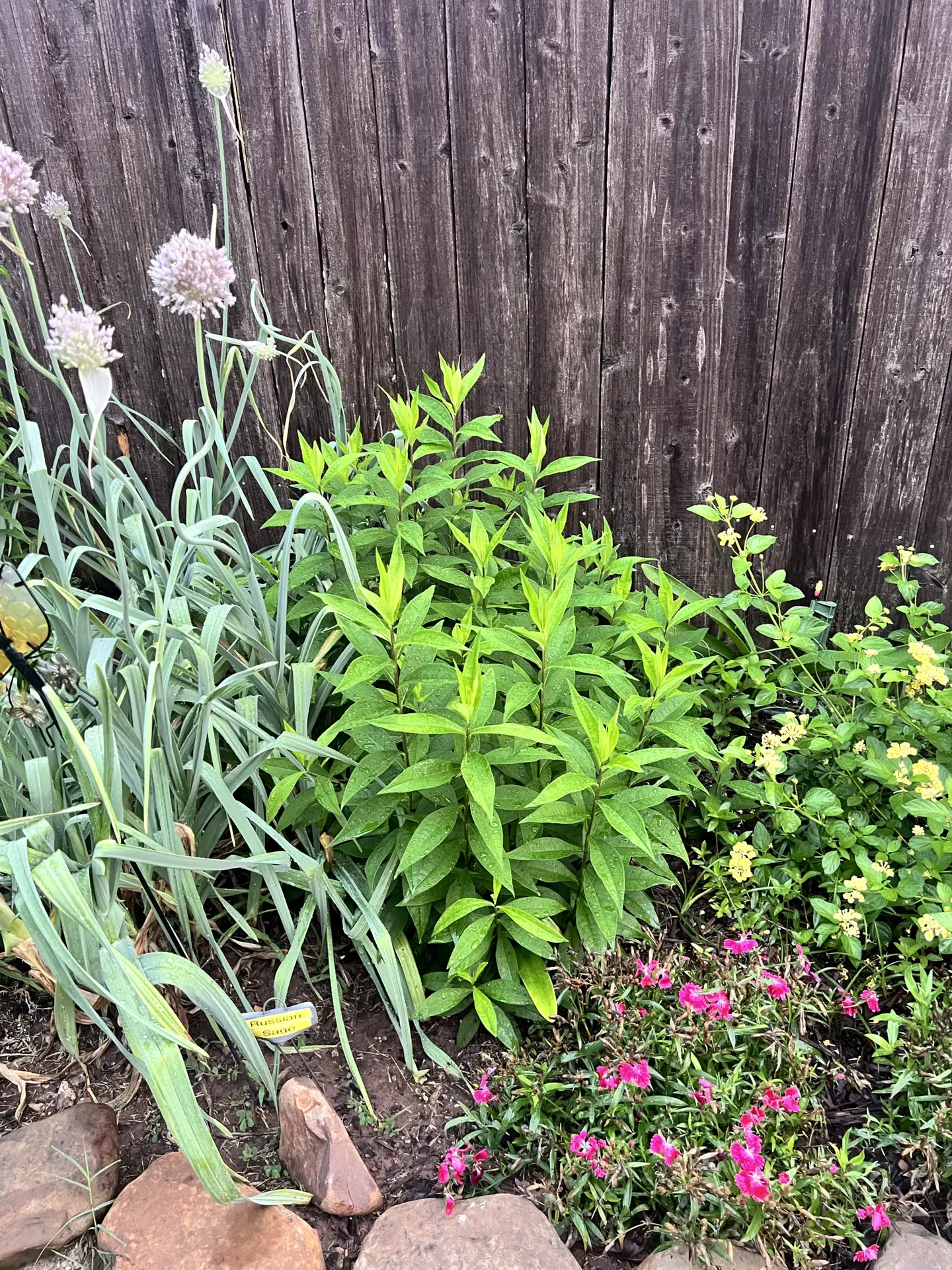
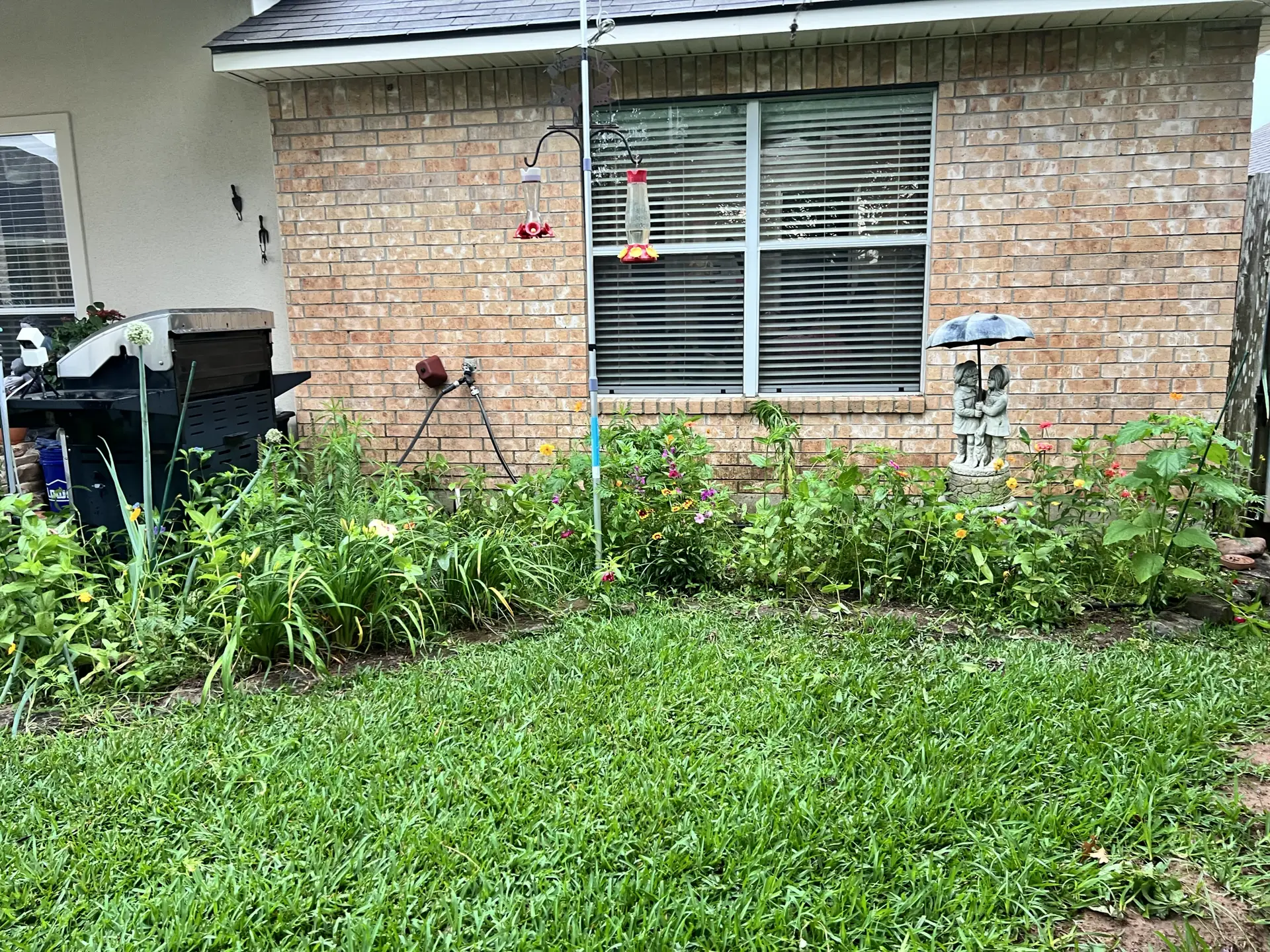
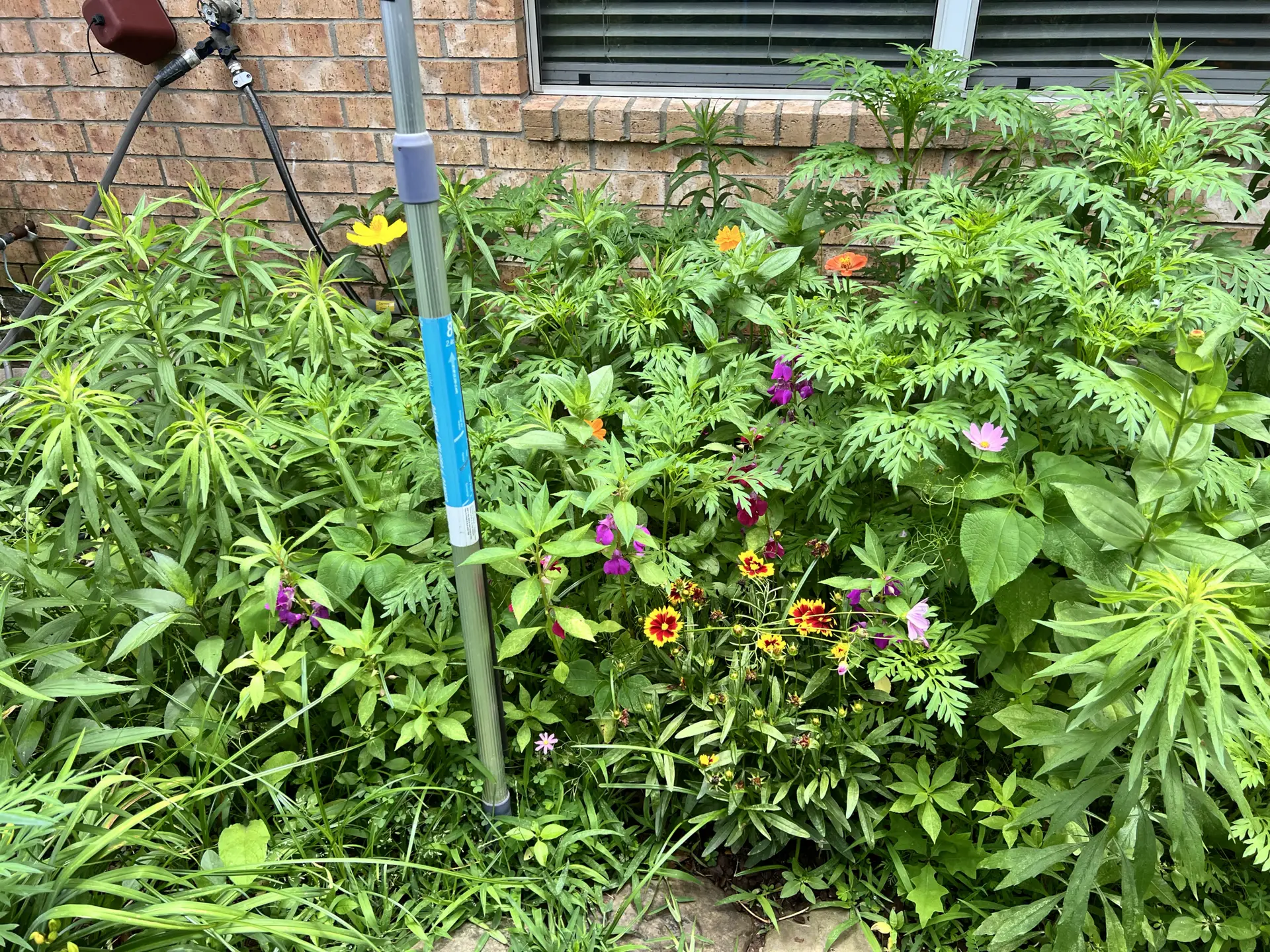
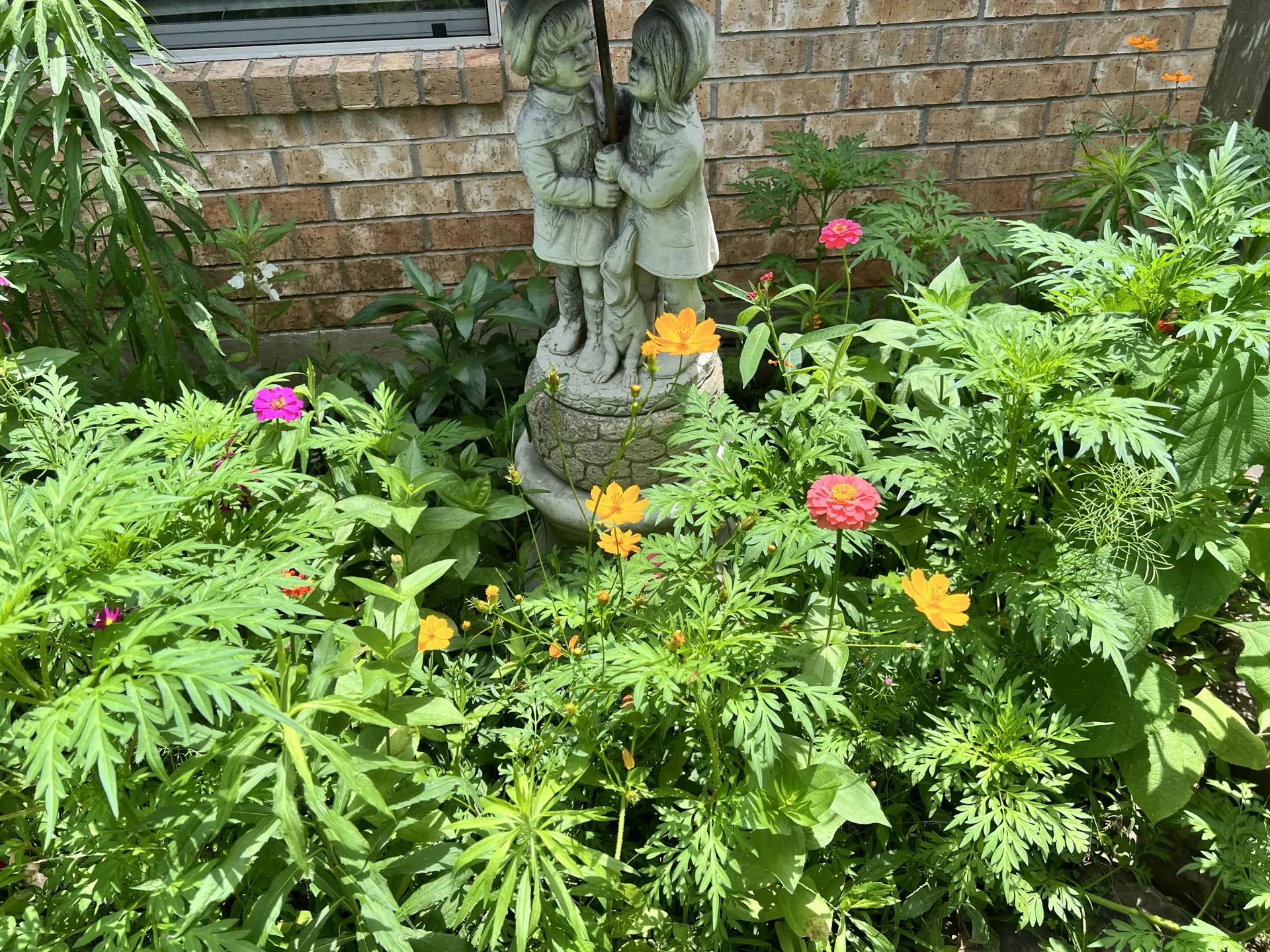
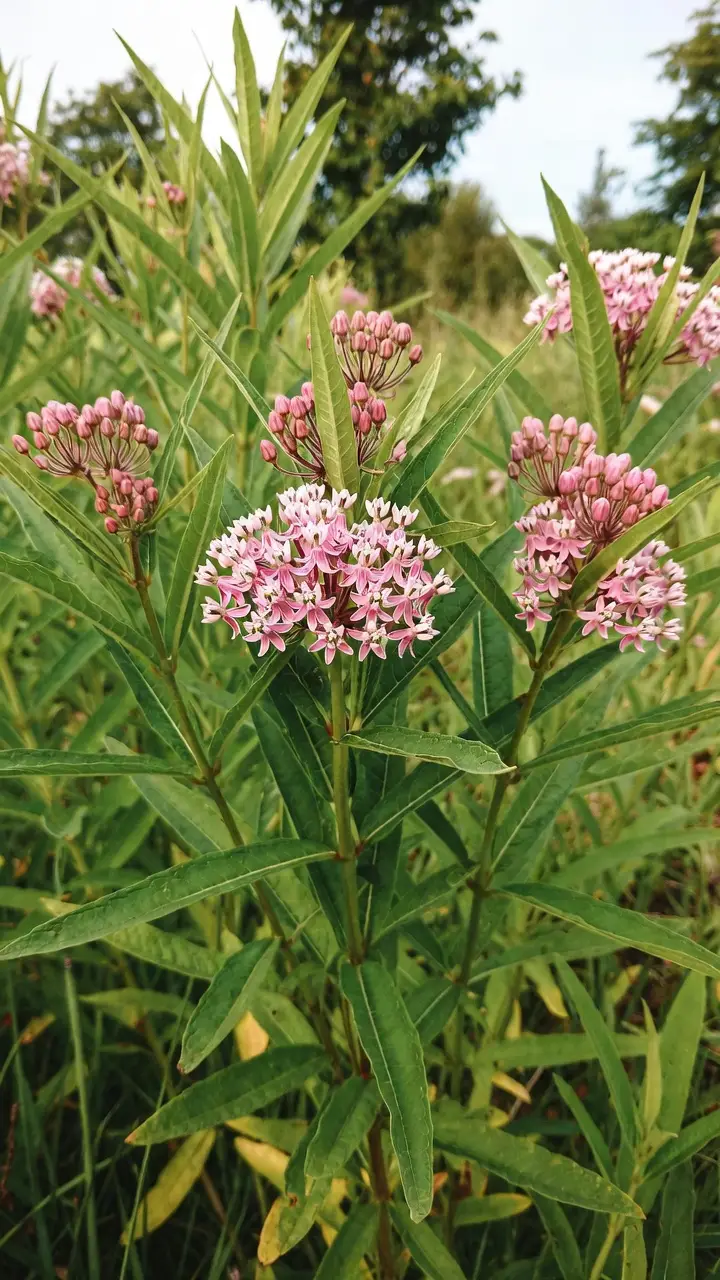
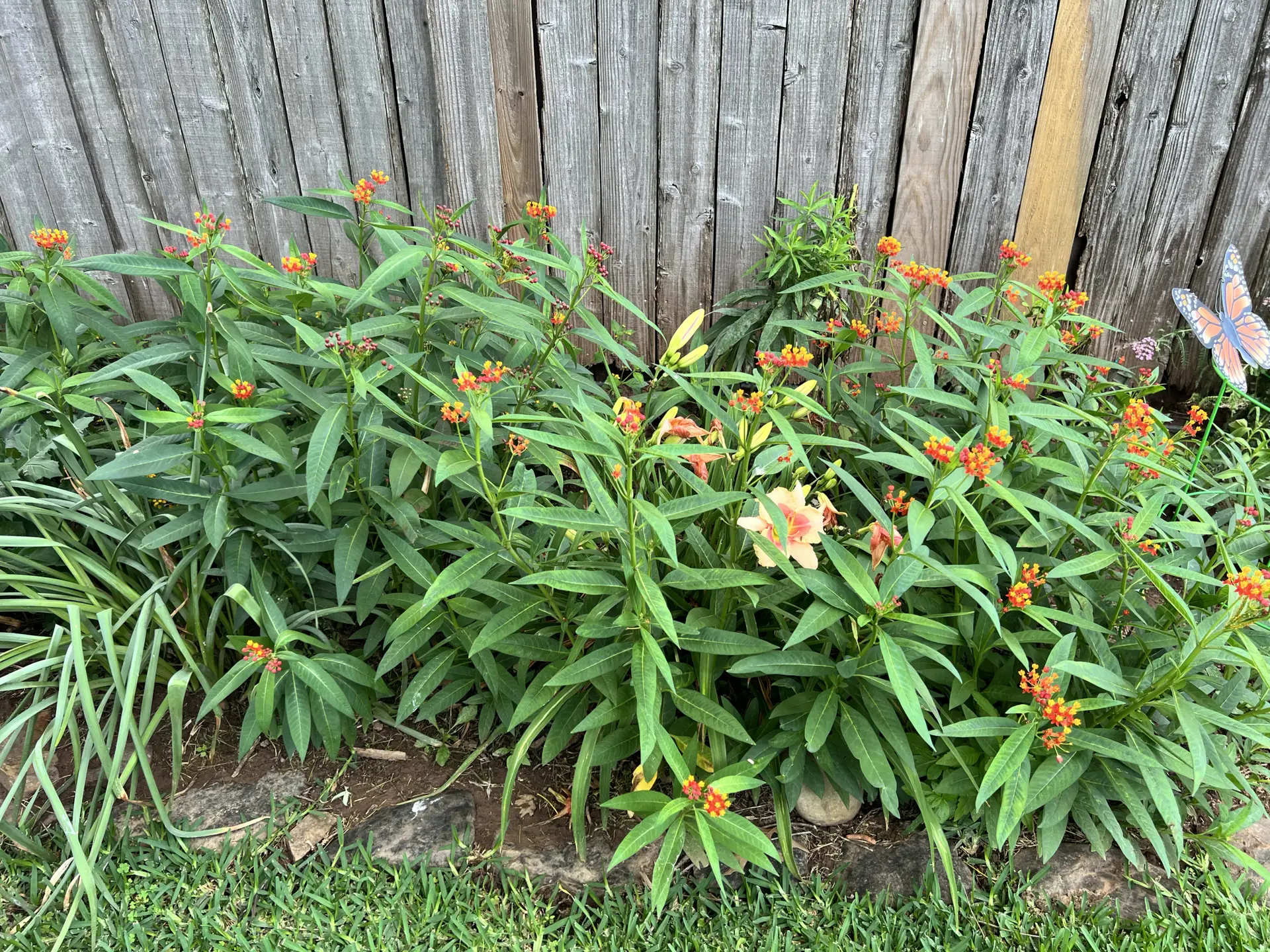
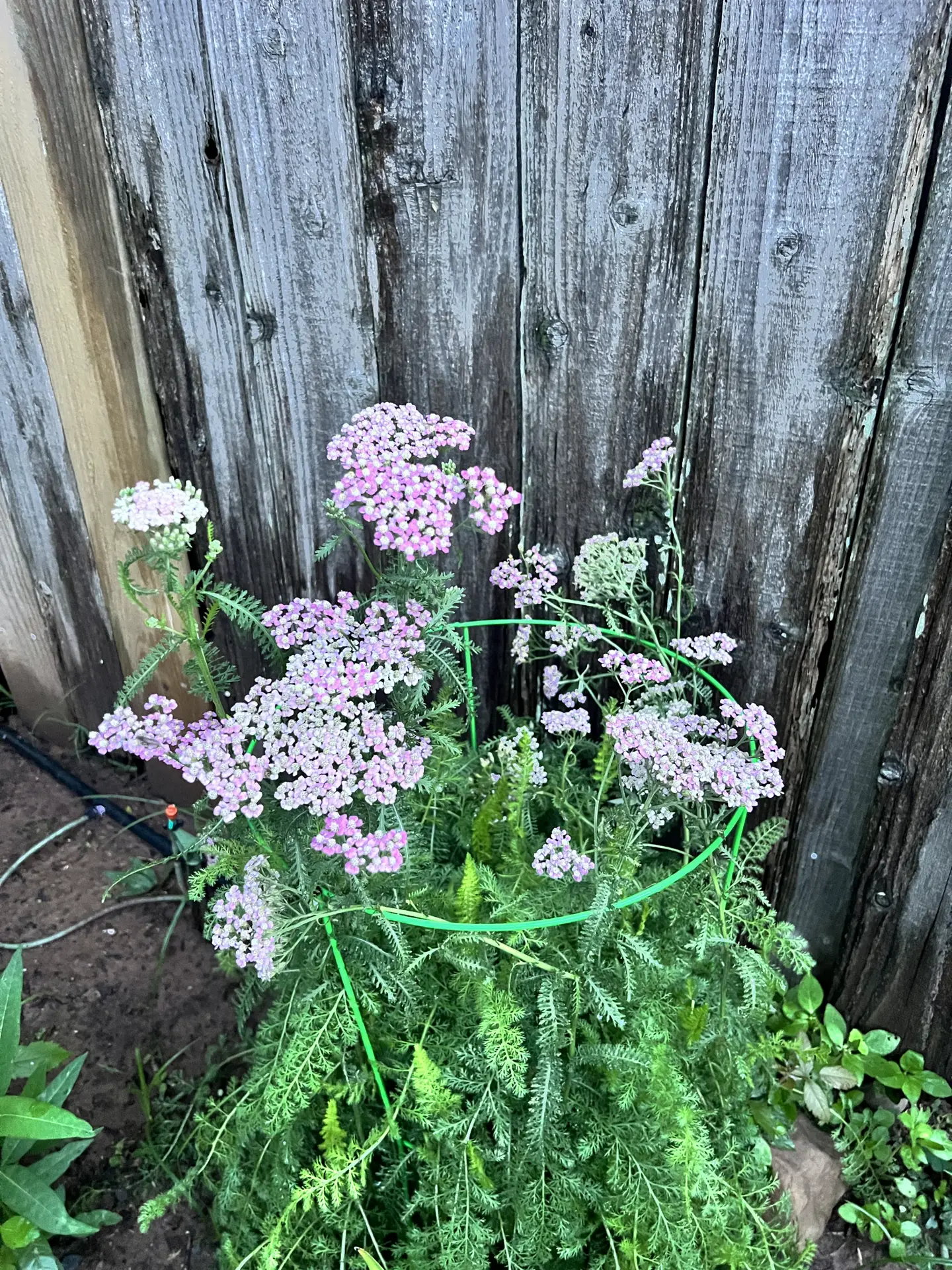
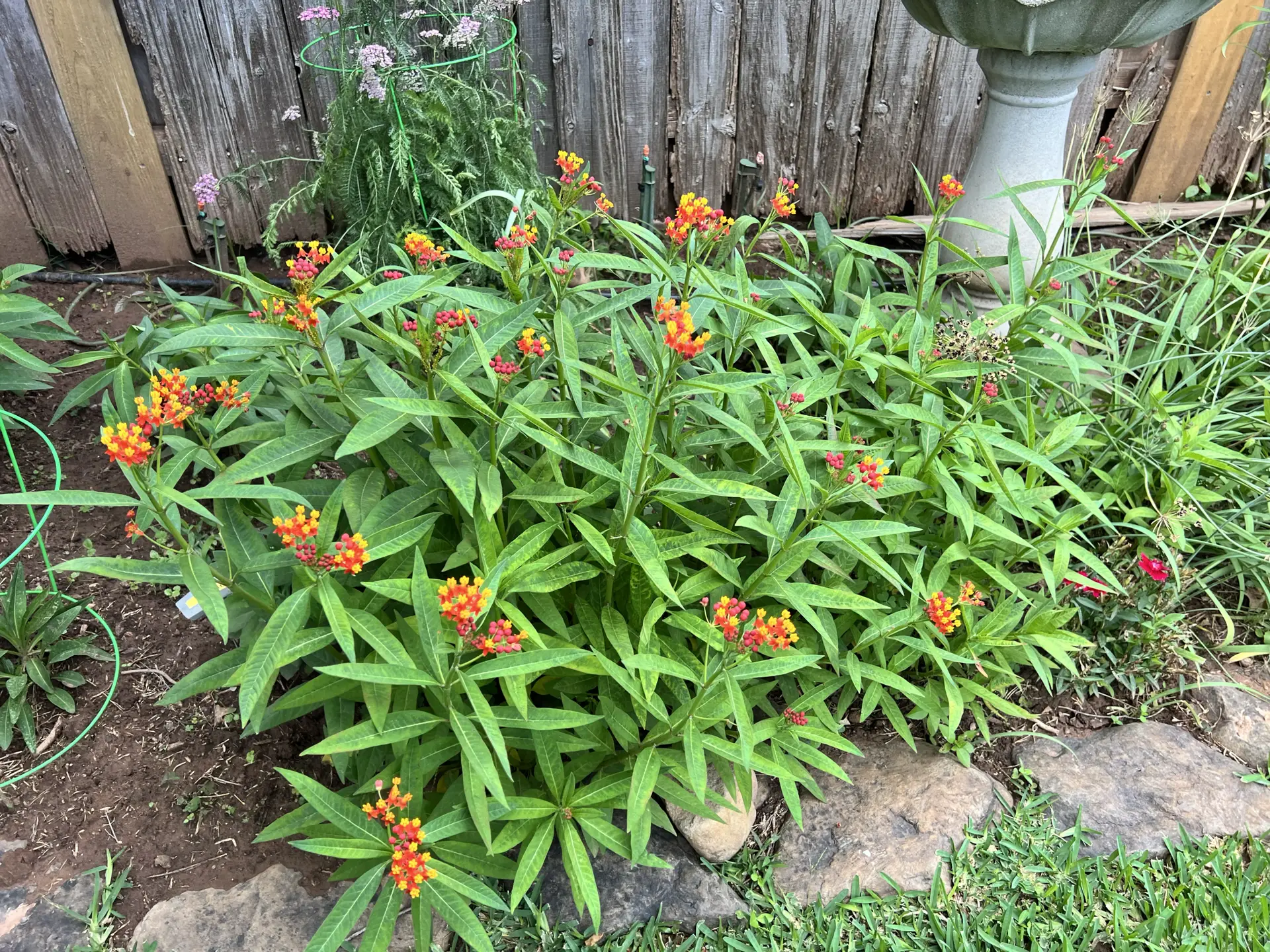
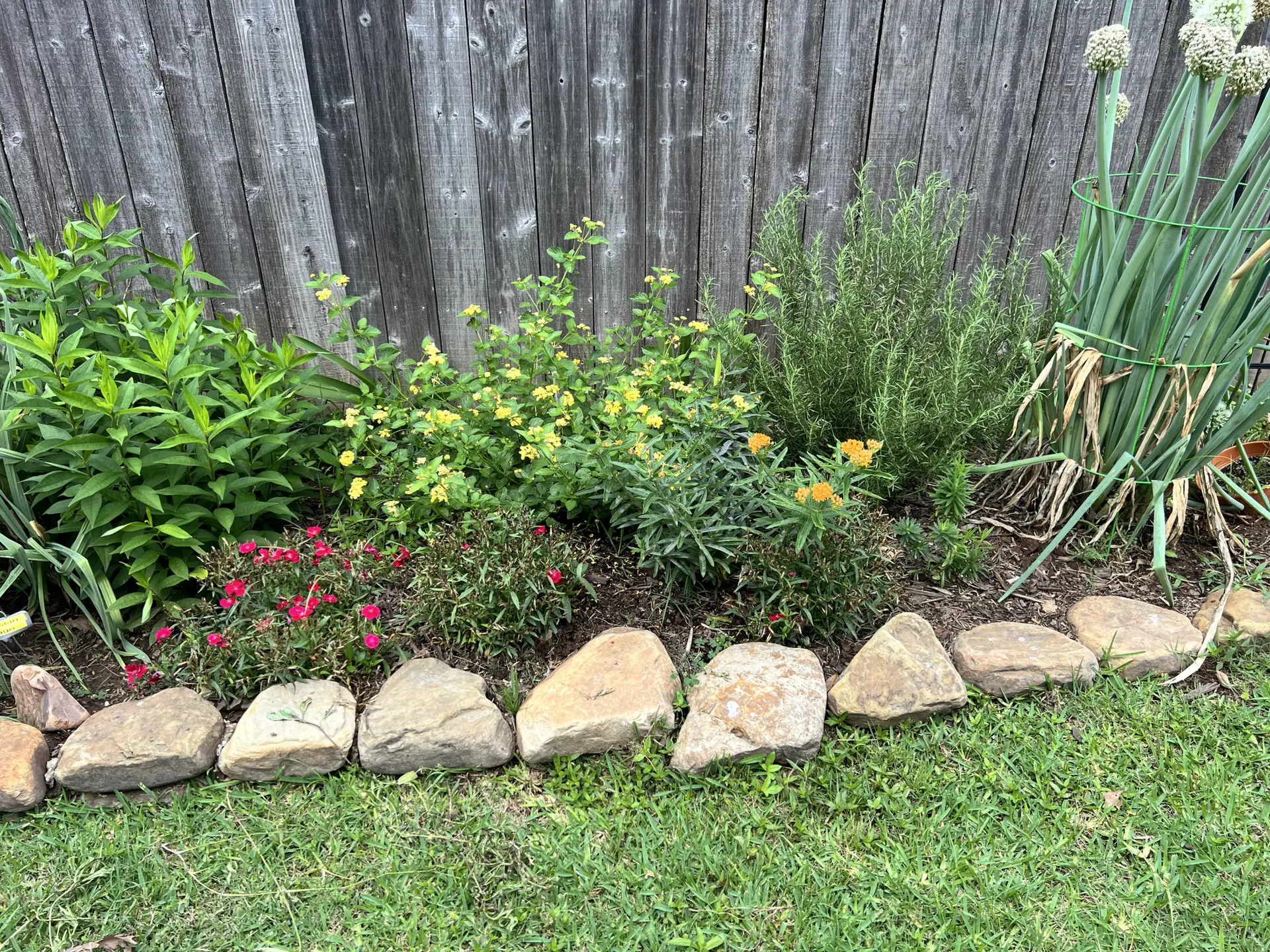
While tending the chrysalises each morning, I also step outside to the pollinator beds, where mid-season energy is building. The zinnias are blooming vibrantly, the milkweed stands lush, and the whole space hums with the promise of supporting the upcoming wave of adults.If your pollinator bed is thriving, you know the satisfaction. If you’re just getting started, now is an excellent time in Northwest Louisiana. A sunny patch, a few milkweed plants well-suited to our humidity and heat, and a handful of zinnia seeds can launch your efforts. Direct-sow zinnias this weekend; they typically sprout within a week and bloom in about six weeks, perfectly timed for the next monarch movement. Mulch well to retain moisture during warmer days.
Additional summer gardening tips for monarch support:
Milkweed management: Prune older stems strategically to encourage tender new growth, using deep, infrequent watering to strengthen roots and reduce fungal risks in humid conditions.Heat-tolerant nectar diversity: Incorporate companions like Gregg’s mistflower or Turk’s cap alongside zinnias for reliable blooms.Natural pest control: Rely on manual removal, beneficial insects, and companion planting rather than chemicals.
That’s the beautiful rhythm of this work:
we raise what’s immediately before us with patience and care, while planting ahead for what’s coming.
How many chrysalises are hanging in your habitat this weekend? Drop a count in the comments, share photos of your setups or color variations, or reach out through the contact form.
And if you’re newer to monarch stewardship, my book Rescue, Raise, & Release provides a complete guide from egg to successful release.
Thank you for joining me in this meaningful conservation journey. Wishing everyone successful emergences, healthy gardens, and rewarding observations this weekend.