
Fresh Frass and Full Milkweed: The Next Wave of Caterpillars Has Arrived
Greetings, fellow wranglers!
A week ago, the rearing habitat was a quiet cathedral — twelve empty chrysalis shells, a few stray wing scales drifting in the morning light, and that peculiar stillness that always follows release day. If you’ve raised monarchs for any length of time, you know that stillness. It’s part triumph, part hollow ache. The wings you tended through every instar are out in the world now, doing what they were always meant to do.
And then, just like that, the habitat fills again.
This week in Northwest Louisiana, the next wave is already underway. Fresh caterpillars are feeding, growing, and reminding me that in this hobby, the calendar doesn’t pause for sentiment.
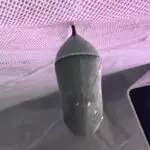
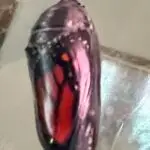
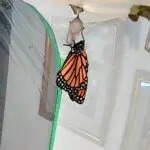
A Habitat in Full Motion
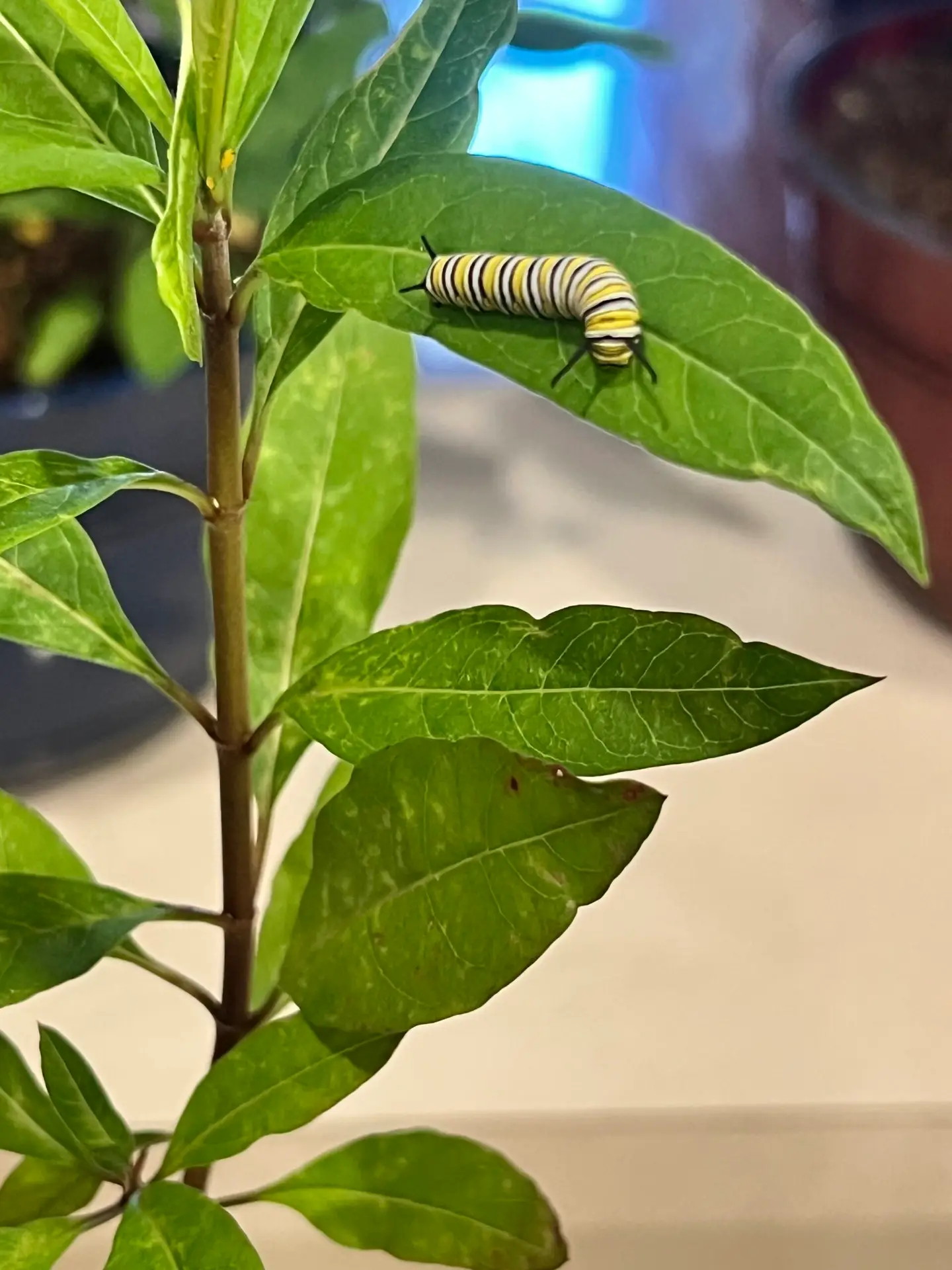
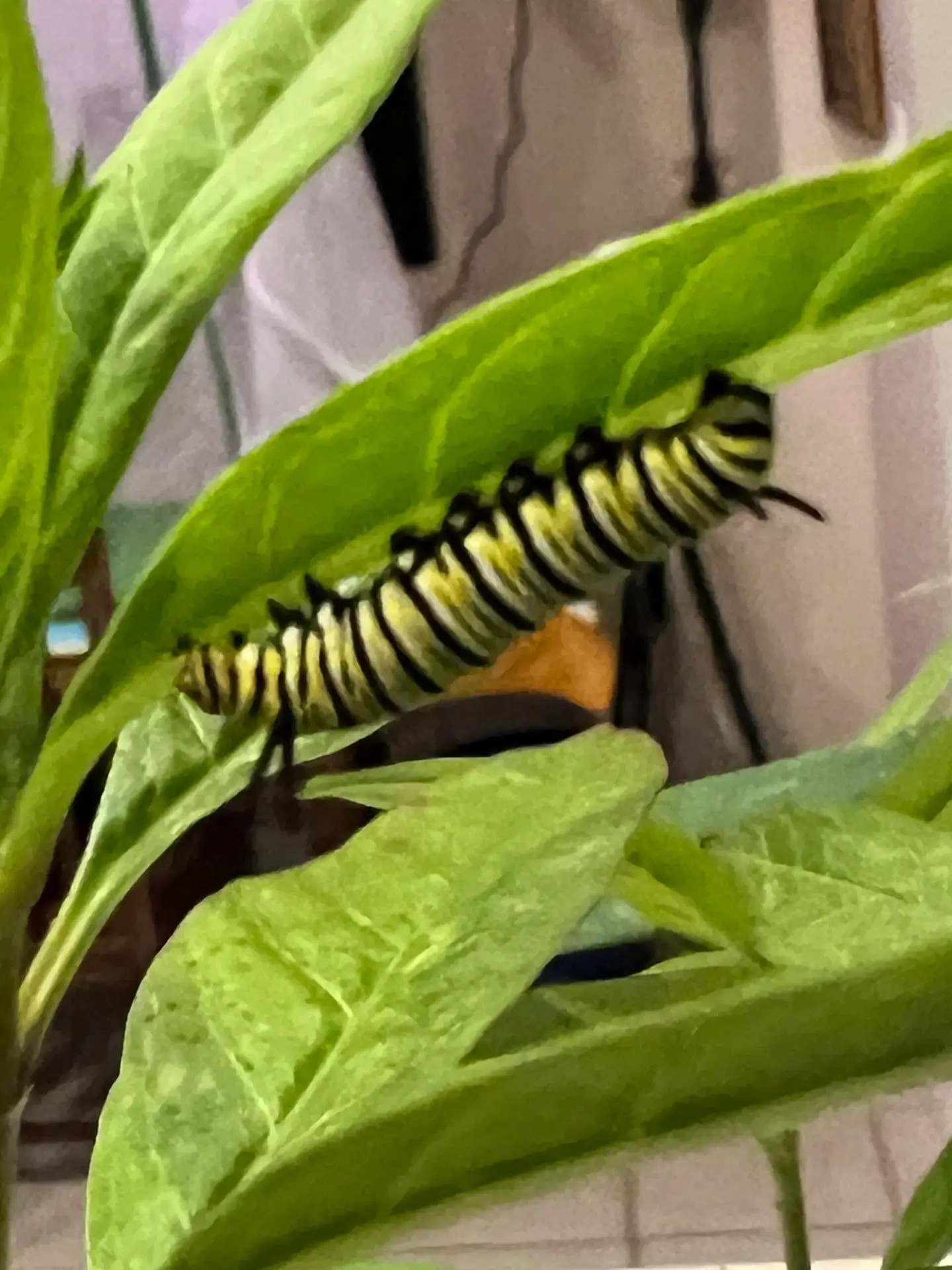
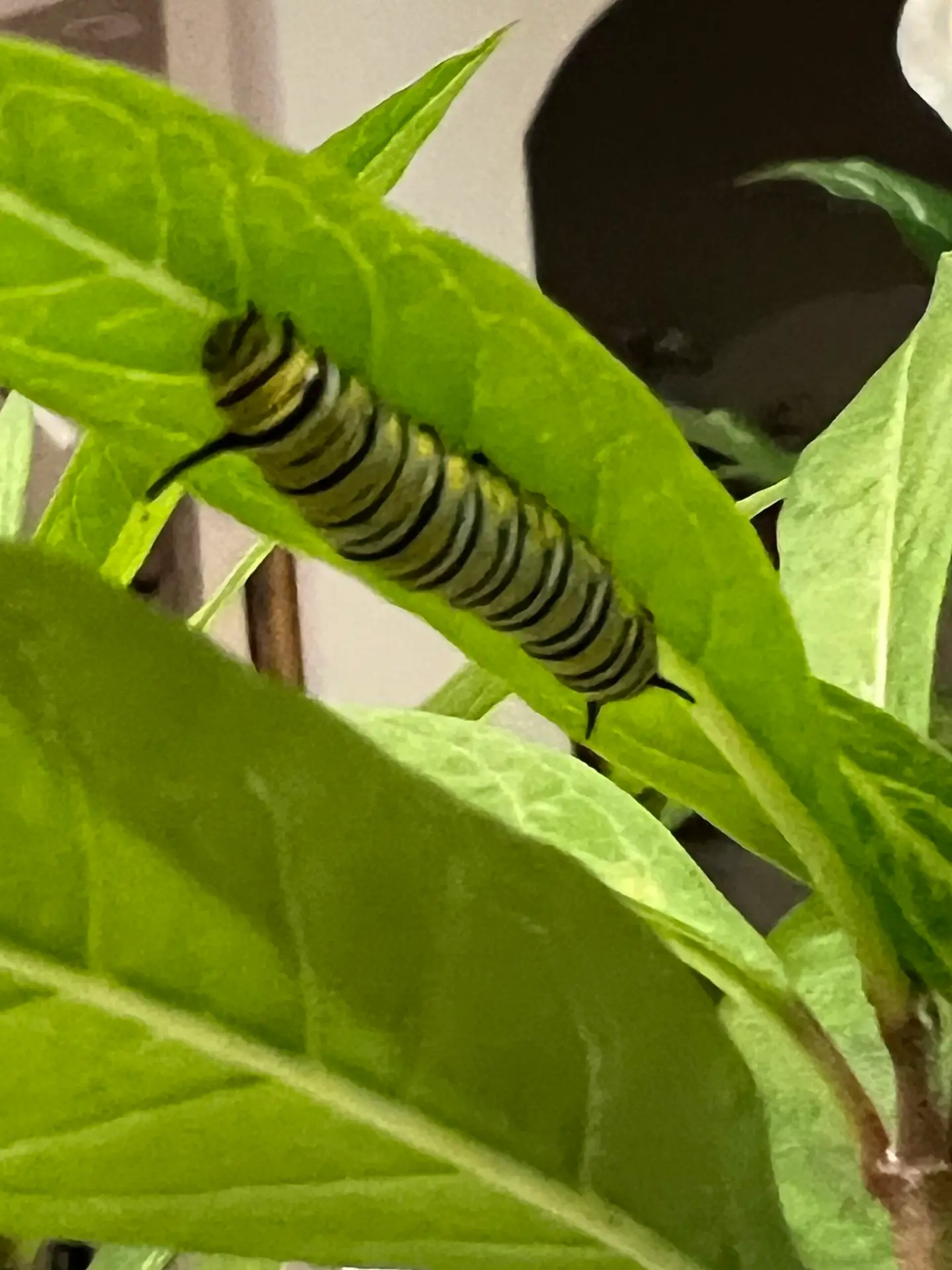
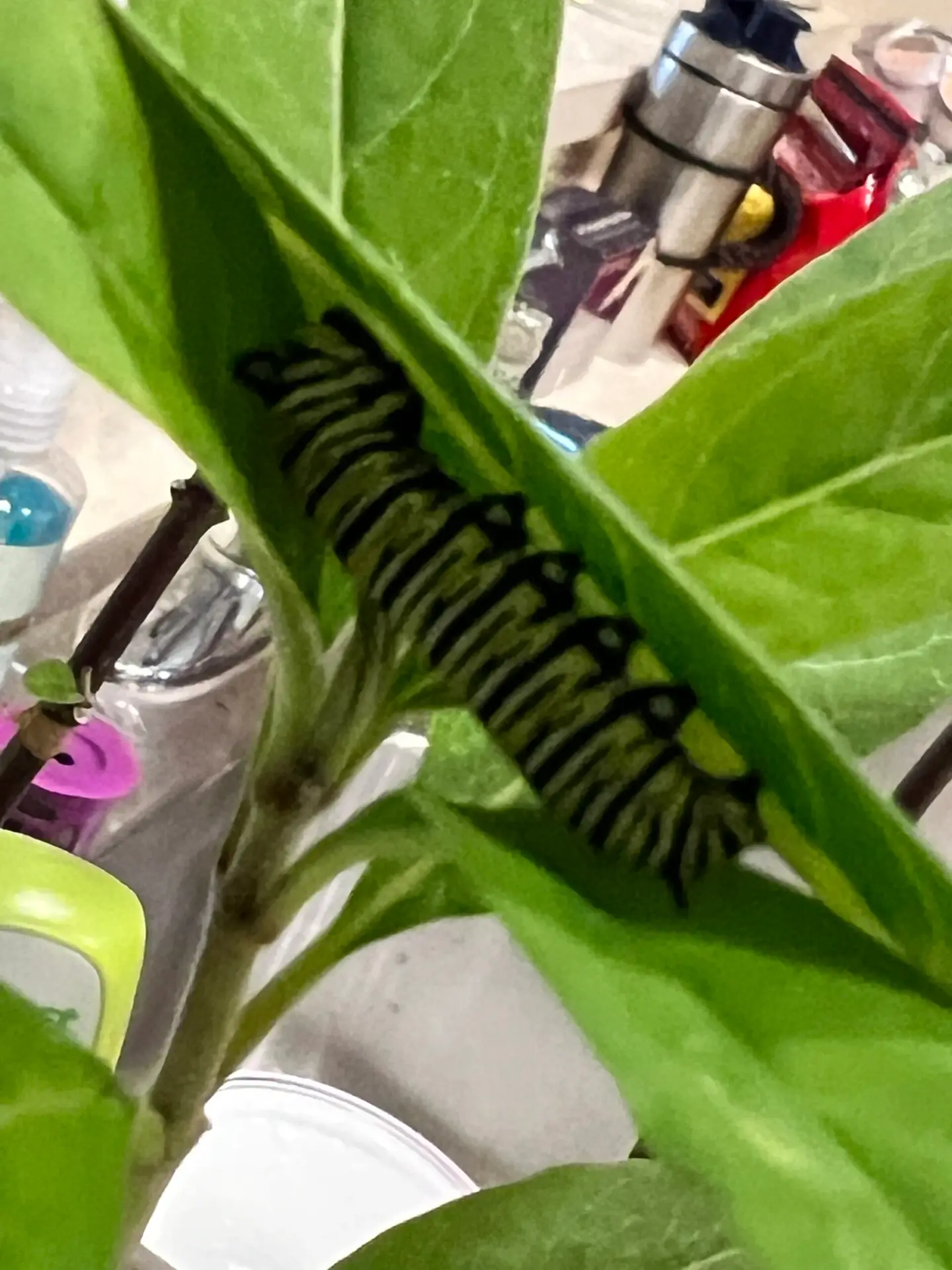
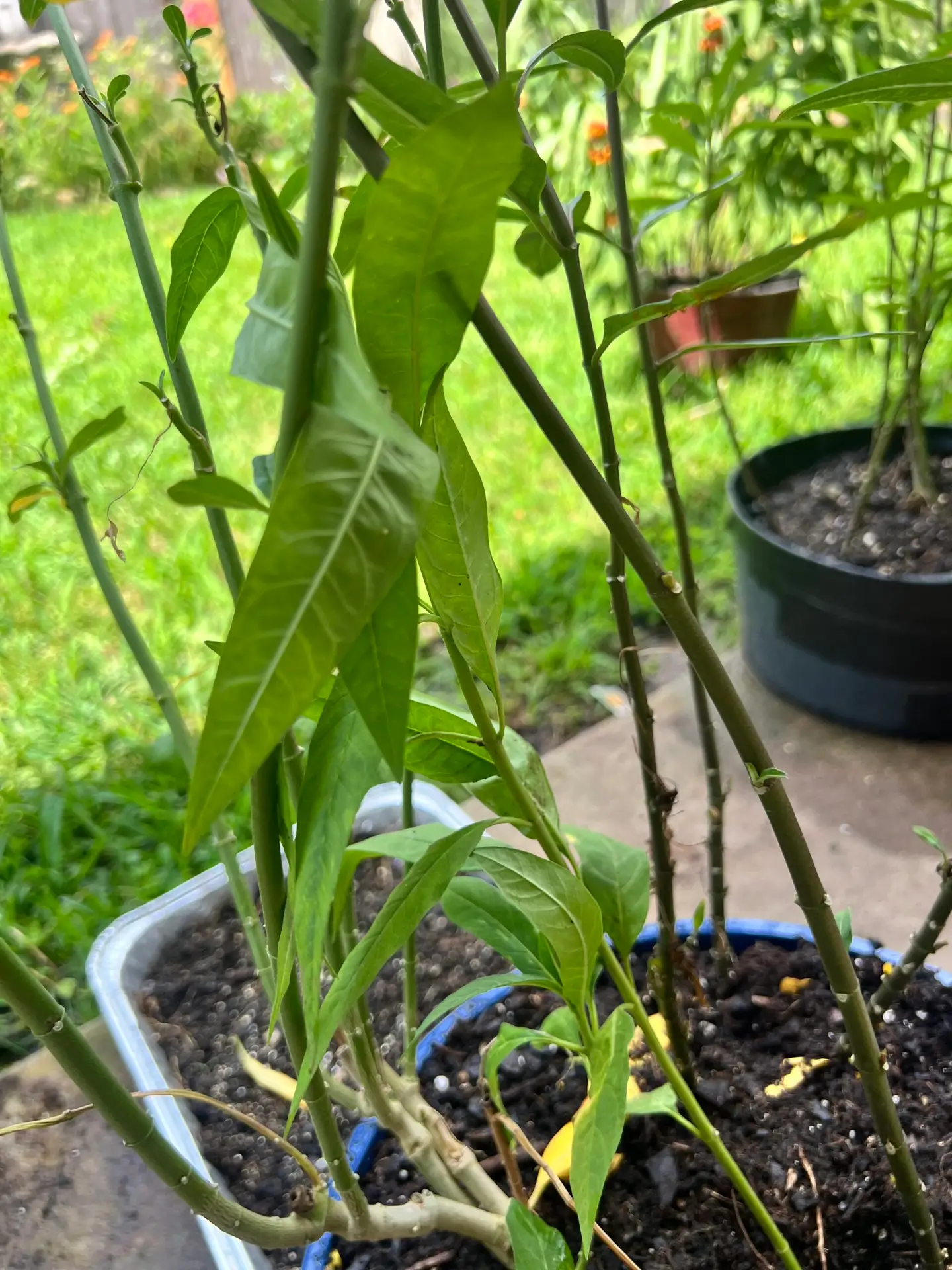
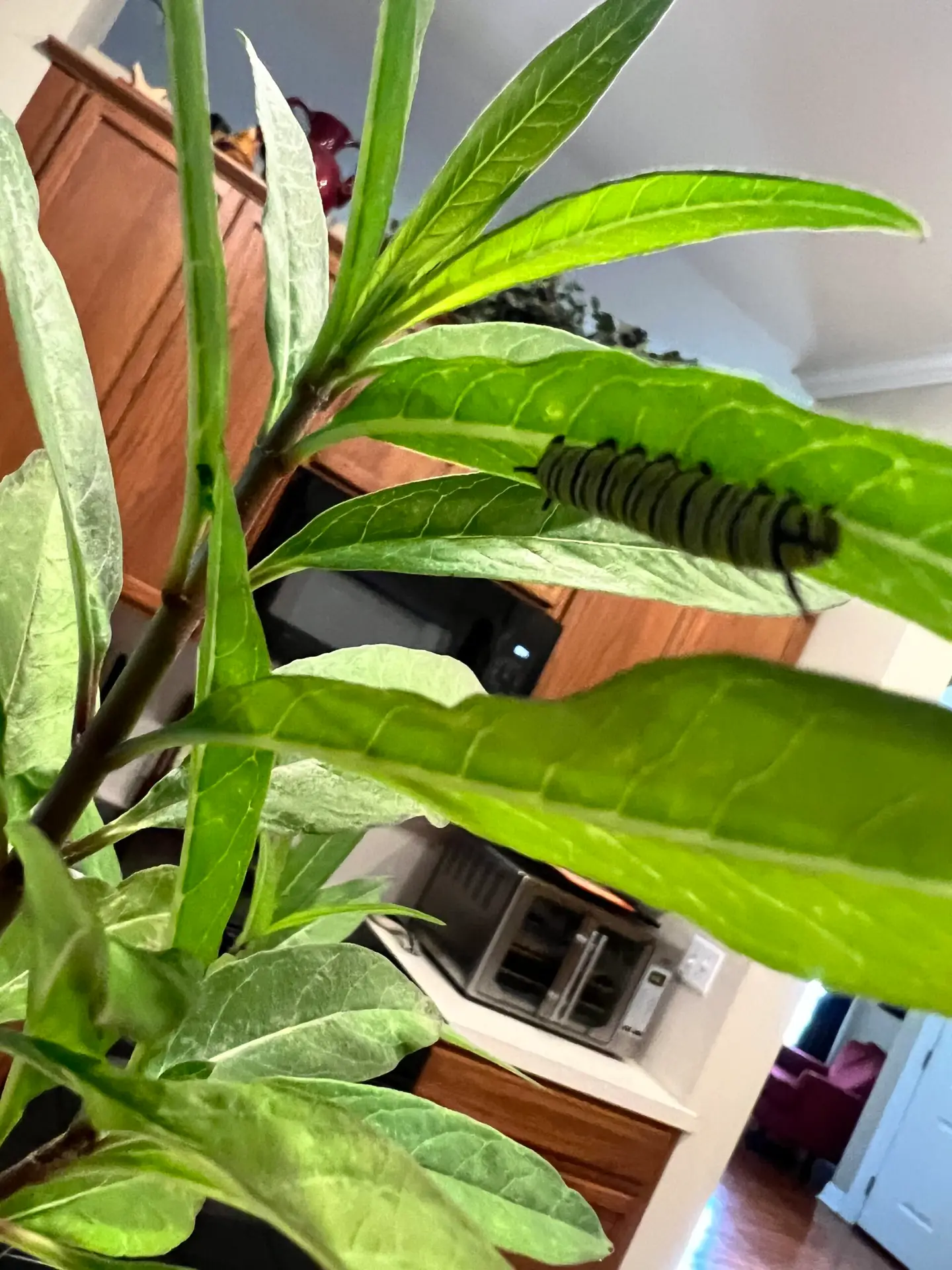
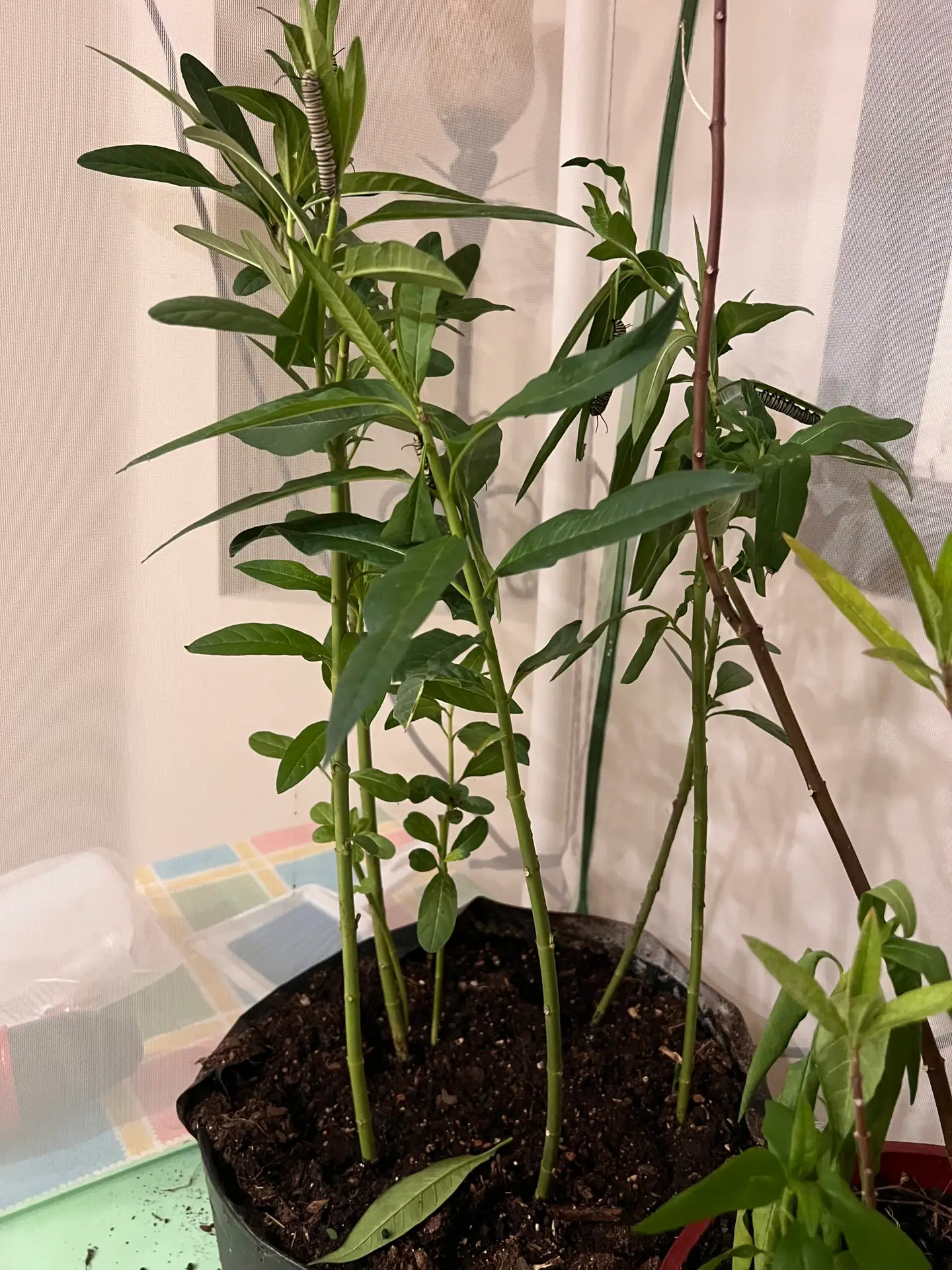
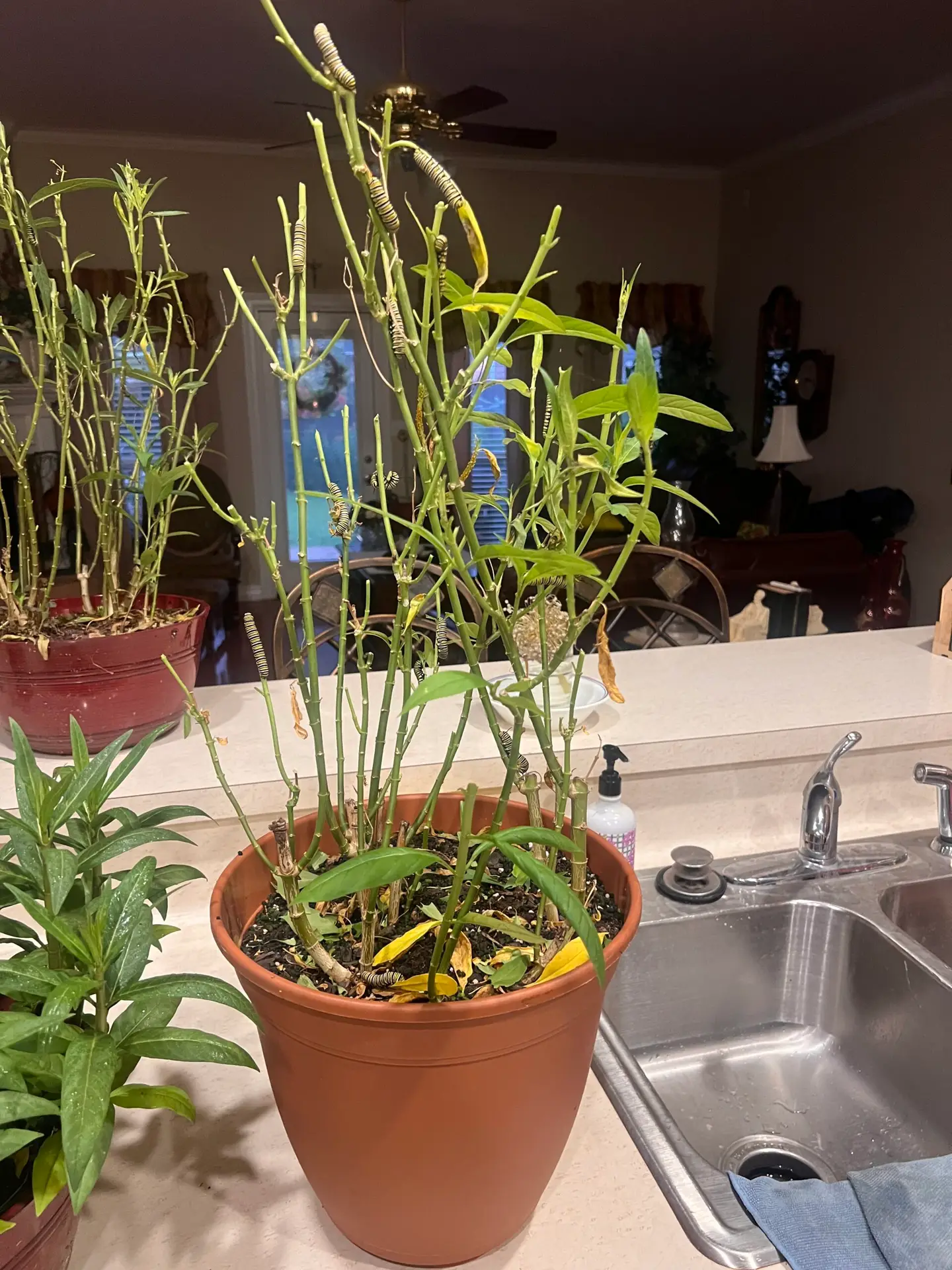
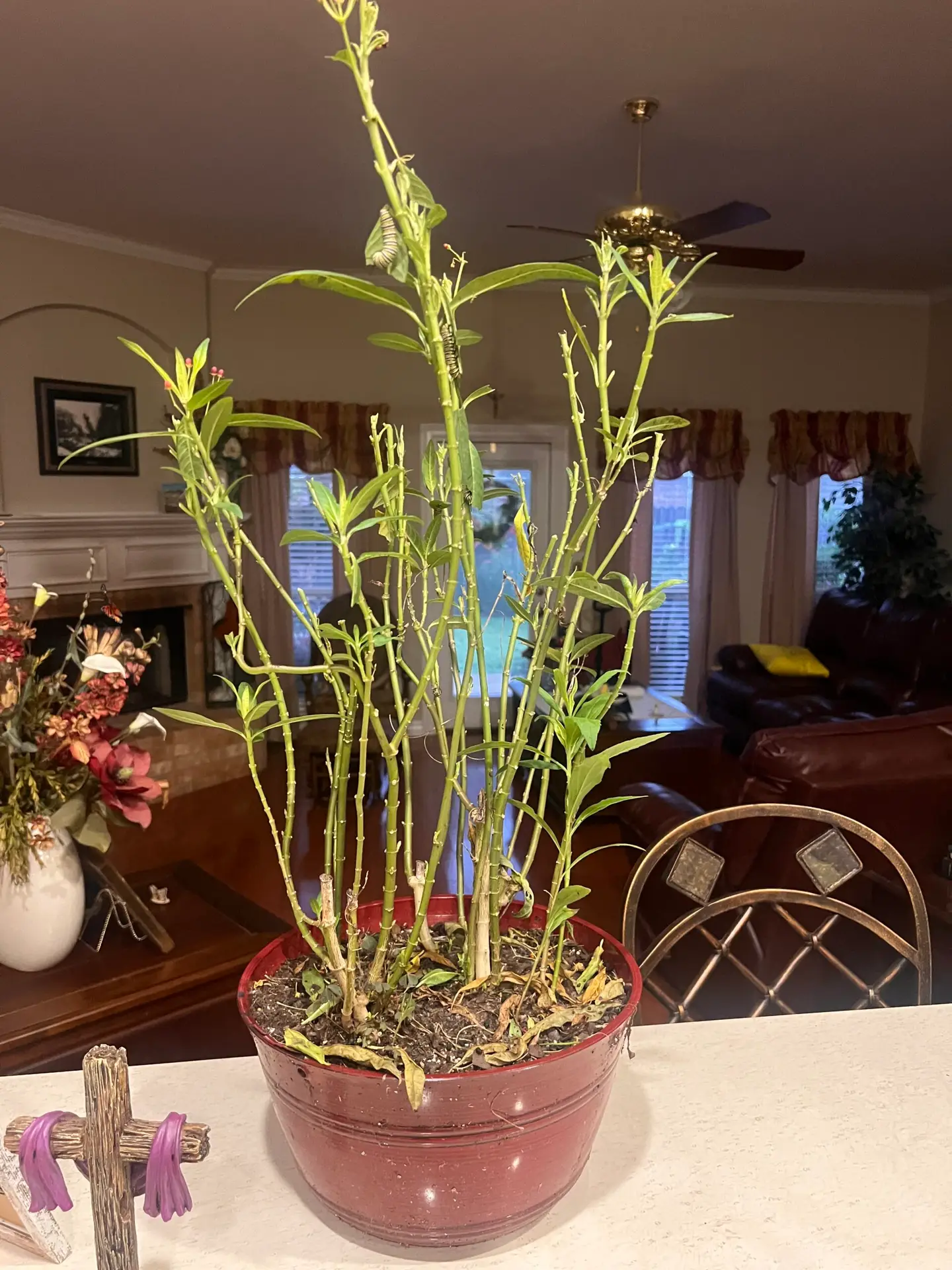
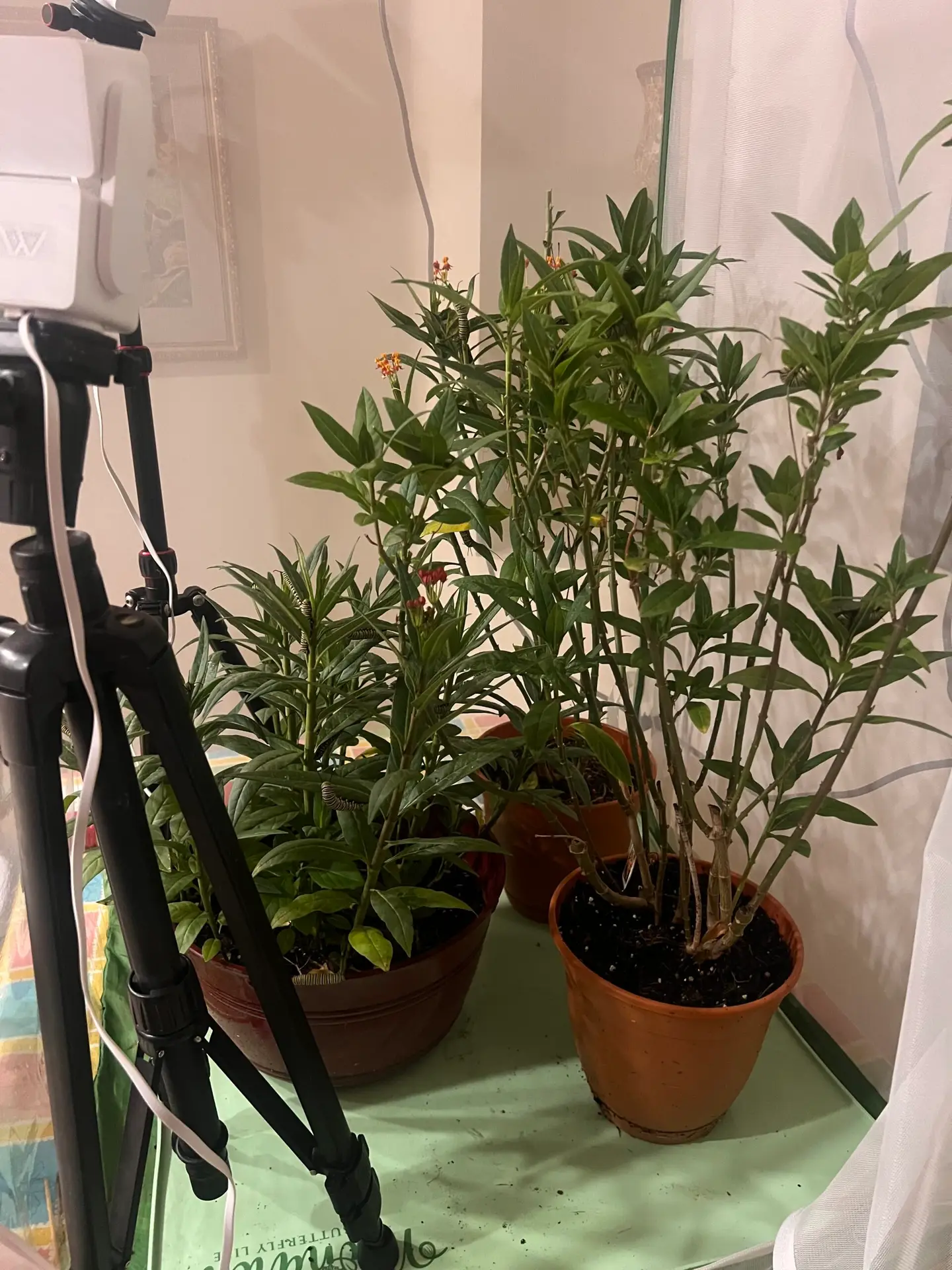
If you peeked into the rearing enclosure right now, here’s what you’d see: live potted milkweed standing upright and lush, leaves dotted with tiny black flecks of frass (the gardener’s least glamorous but most reliable sign of healthy caterpillars), and several monarch larvae moving through their early instars at the unhurried pace only a caterpillar can manage.
The smaller ones are still in their first and second instars — pale, almost translucent, with stubby tentacles and an appetite that doesn’t yet match their ambition. A few have already crossed into the third instar, where the famous black, white, and yellow banding starts to pop into focus. Within another week or so, the larger ones will begin the fourth and fifth-instar growth spurt that turns a quiet rearing habitat into a non-stop chewing operation.
For now, the population is thriving. The plants are holding up beautifully. And every morning inspection brings the same satisfying confirmation: fresh frass on the floor of the enclosure.
Why I Rear on Live Potted Milkweed
Long-time readers know I’ve moved away from cut-stem rearing for most of my caterpillars, and this wave is a good chance to revisit why.
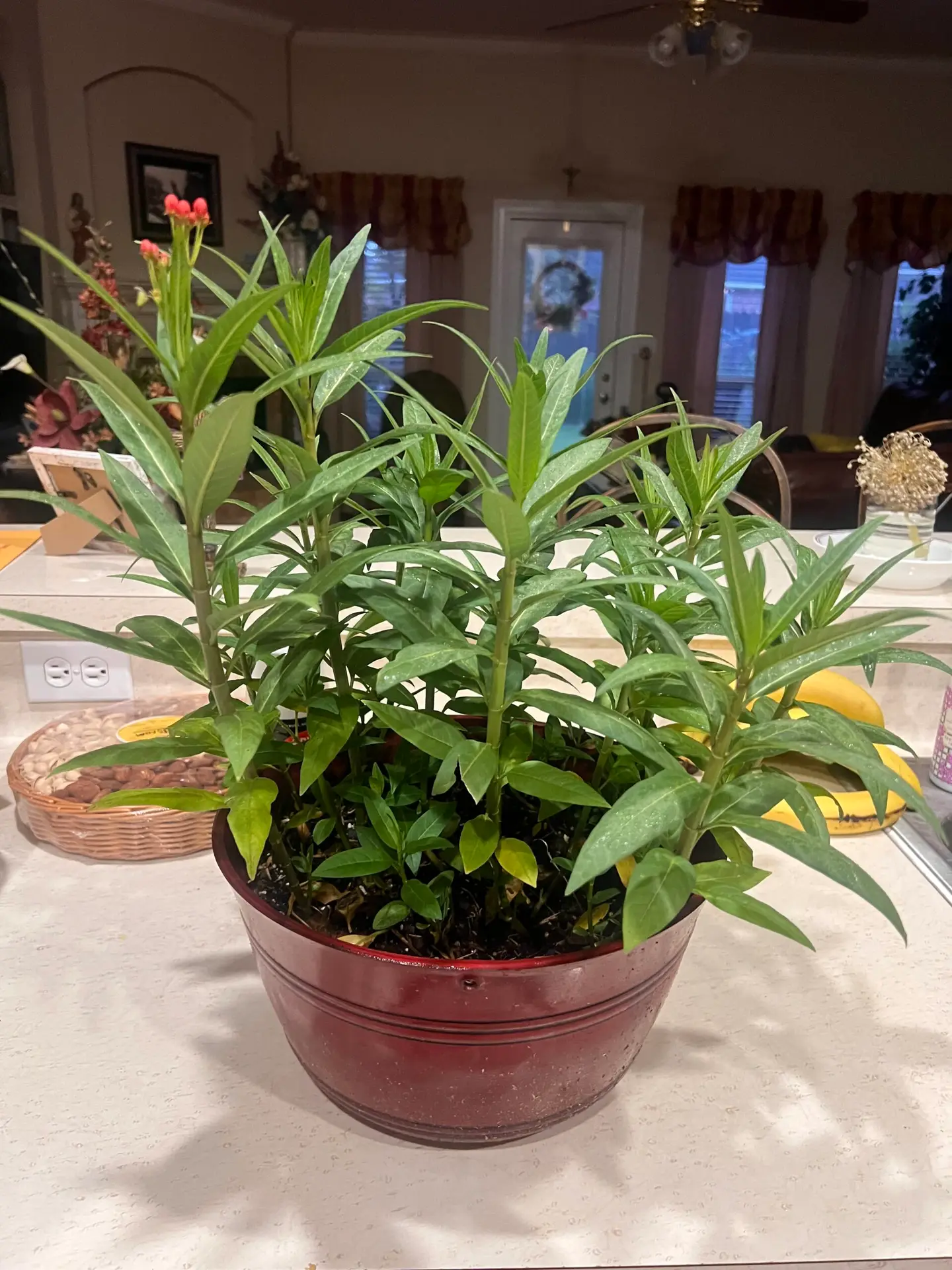
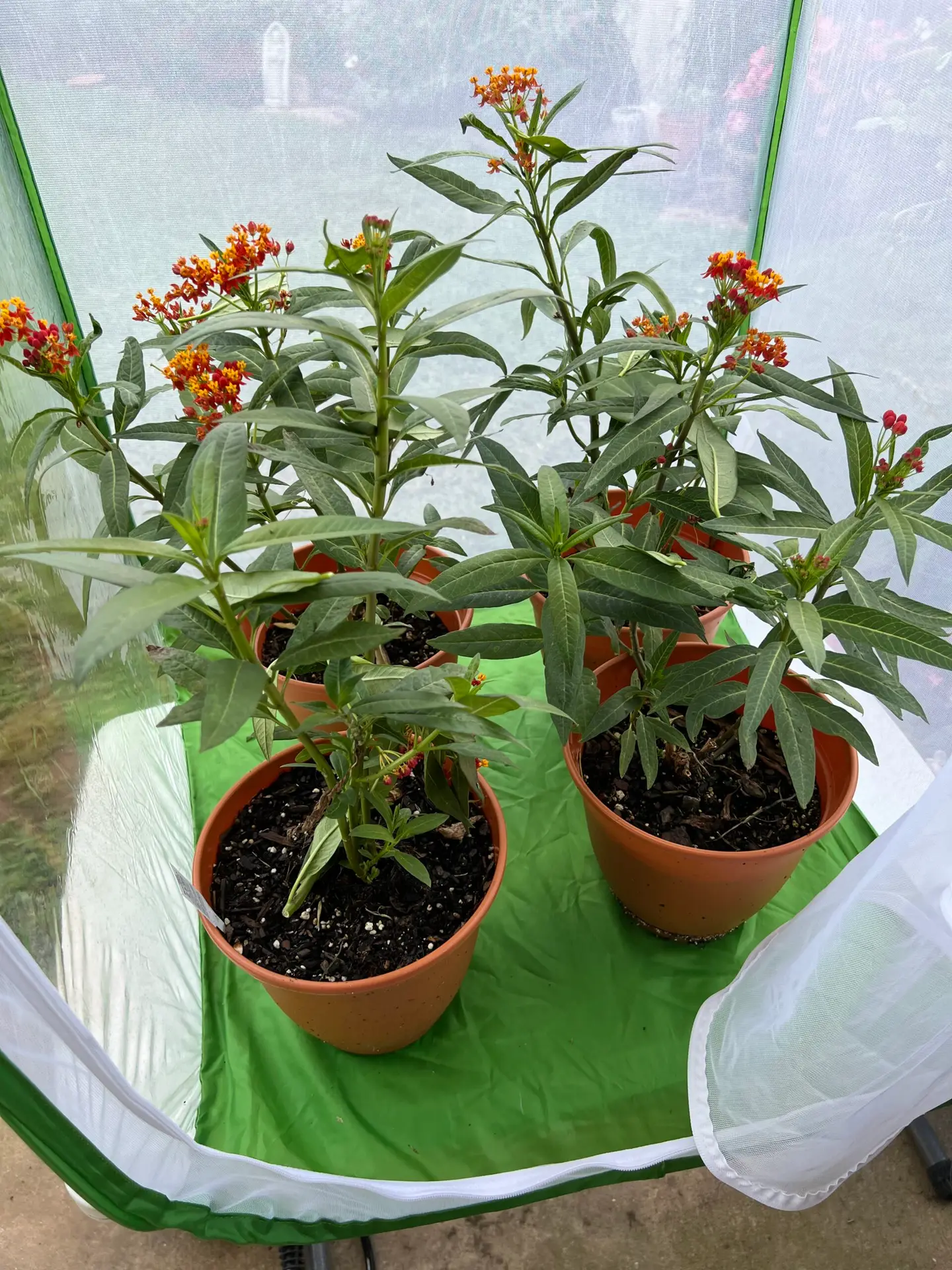
Live potted milkweed offers a few distinct advantages over cut stems in a vase:
– **Stable nutrition.** A rooted plant continues photosynthesizing and pulling water through its tissues. The leaves stay turgid, the cardenolide content remains consistent, and the caterpillars get the same nutritional profile from leaf one to leaf one hundred.
– **Lower stress on the larvae.** Cut milkweed wilts. Caterpillars don’t love wilted leaves, and a hungry cat searching for a fresh meal is a cat at higher risk of dropping, wandering, or stressing.
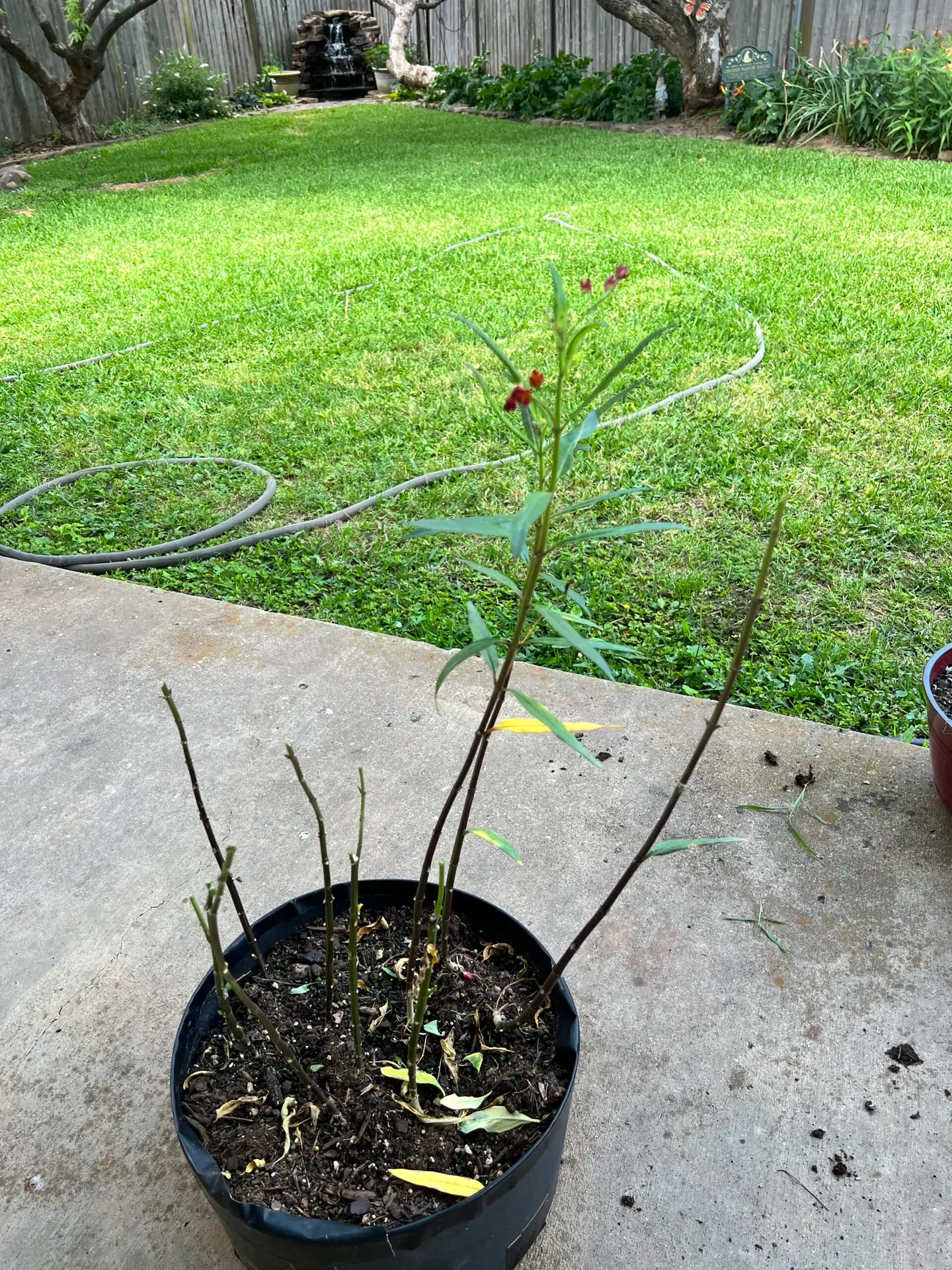
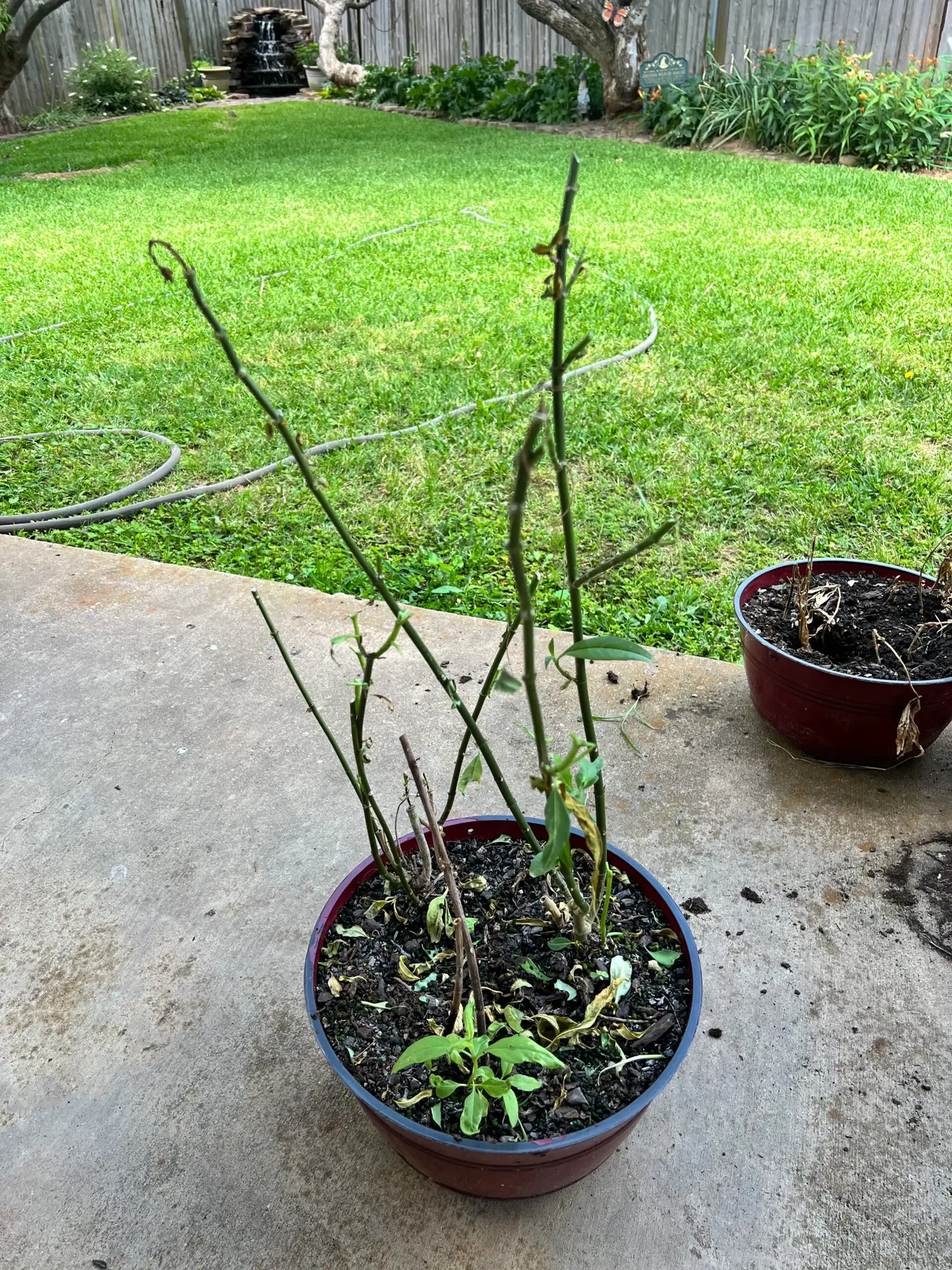
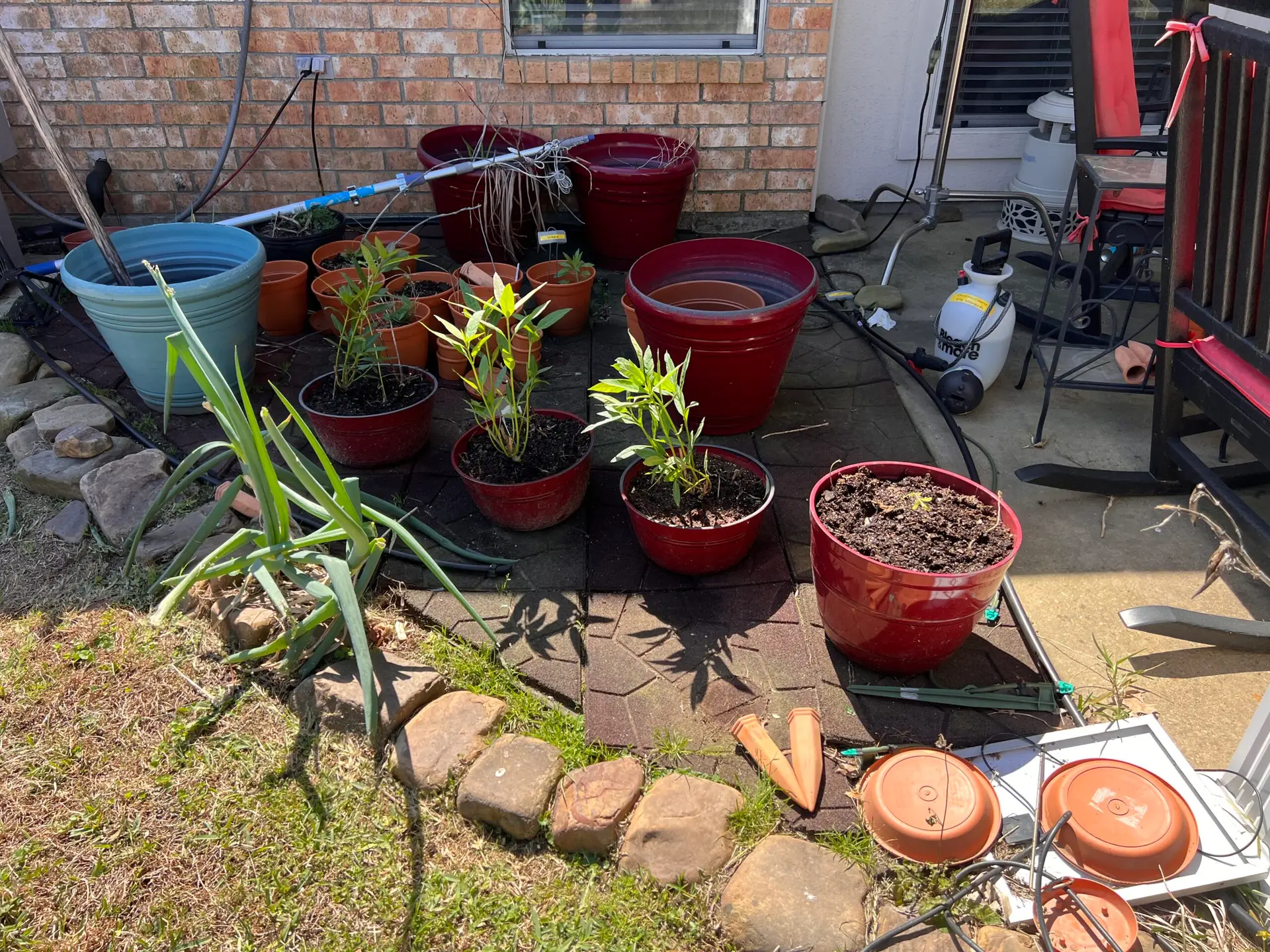
– **Plant recovery.** When a pot is stripped — and they will be stripped — I rotate it back out to the waystation to recover under full sun. Within a couple of weeks, it’s leafing back out and ready for another tour of duty.
– **No standing water hazards.** Cut-stem setups always carry the risk of a small caterpillar tumbling into the vase. Potted milkweed eliminates that problem entirely.
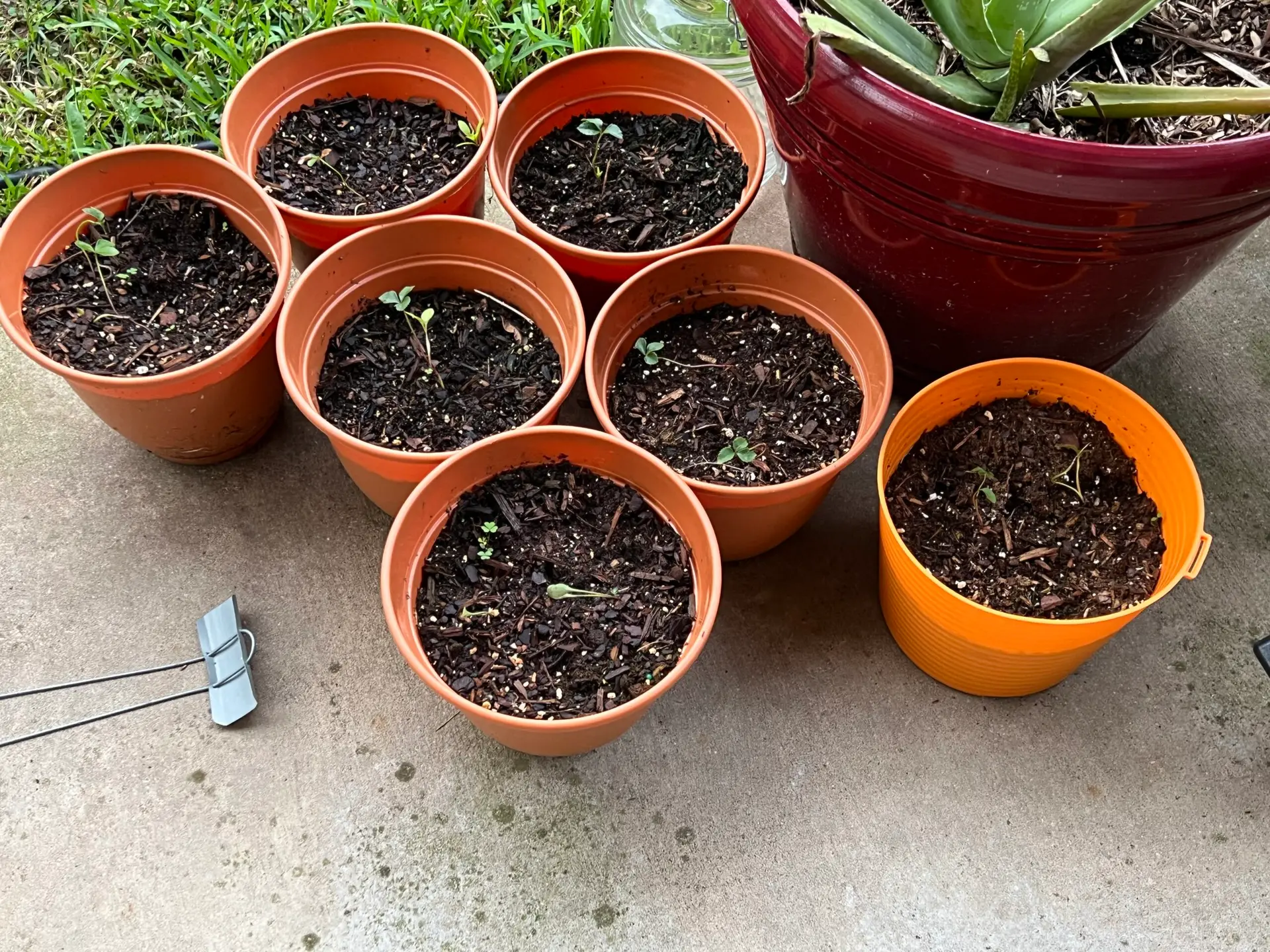
The rotation rhythm is the whole game. I keep more plants in the waystation than I do in the habitat at any given time, which means there’s always a fresh, fully-leafed pot waiting in the wings when a working plant gets eaten down. The pots that come out get a thorough inspection (more on that in a moment), a deep watering, and a few weeks of recovery time before they’re called back into service.
A Note on Inspecting Pots Before They Enter the Habitat
Every pot that crosses the threshold into the rearing habitat gets inspected first. This isn’t paranoia — it’s experience. A potted milkweed plant from the garden can carry hitchhikers: aphids, spiders, the occasional wasp scout, and, more rarely, a tachinid fly looking for a host.
The inspection routine is simple. I check the undersides of leaves, the leaf axils, the soil surface, and the rim of the pot. A soft brush handles aphids. Anything larger gets relocated outside. Only then does the plant come in.
It’s a five-minute habit that has saved me more heartbreak than I can count.
What’s Coming Next
If the current caterpillars stay on their normal nine-to-fourteen day larval timeline, the largest of them will be hanging in the J-position by the end of next week. From there, it’s roughly ten to fourteen days inside the chrysalis before eclosion — which would put the next round of releases in the back half of June.
The wave after this one may well be among those that catch the autumn cue and begin the long pull south to Mexico. Every caterpillar in the habitat right now is a thread in that thousand-mile tapestry. Stewarding them, even at this small scale, feels like a quiet privilege.
The Wrangler’s Rhythm
This is the part of the season I love most — when one wave of butterflies has just lifted off and the next is already underway, when the work inside the habitat is mirrored by the work out in the garden.
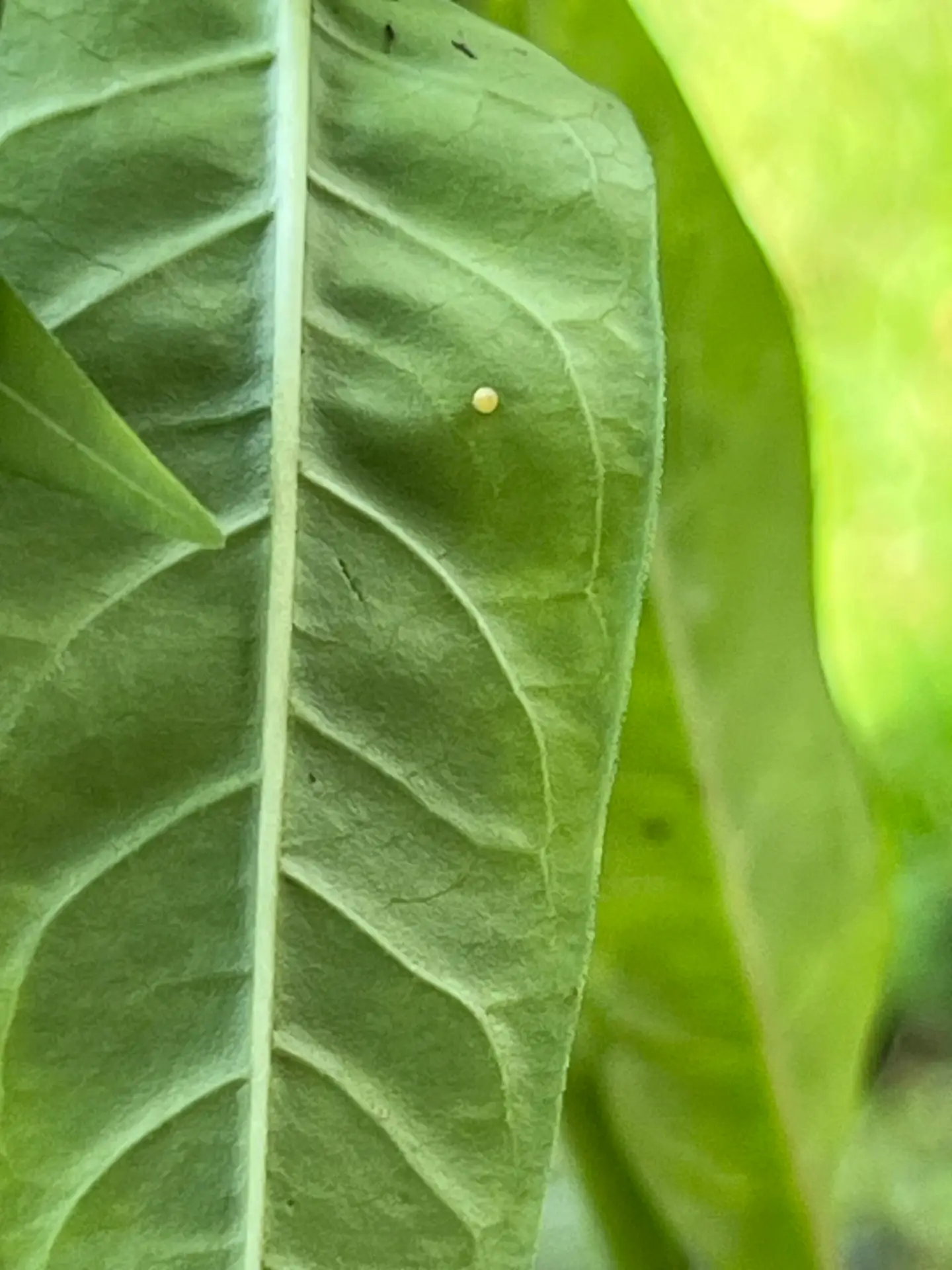
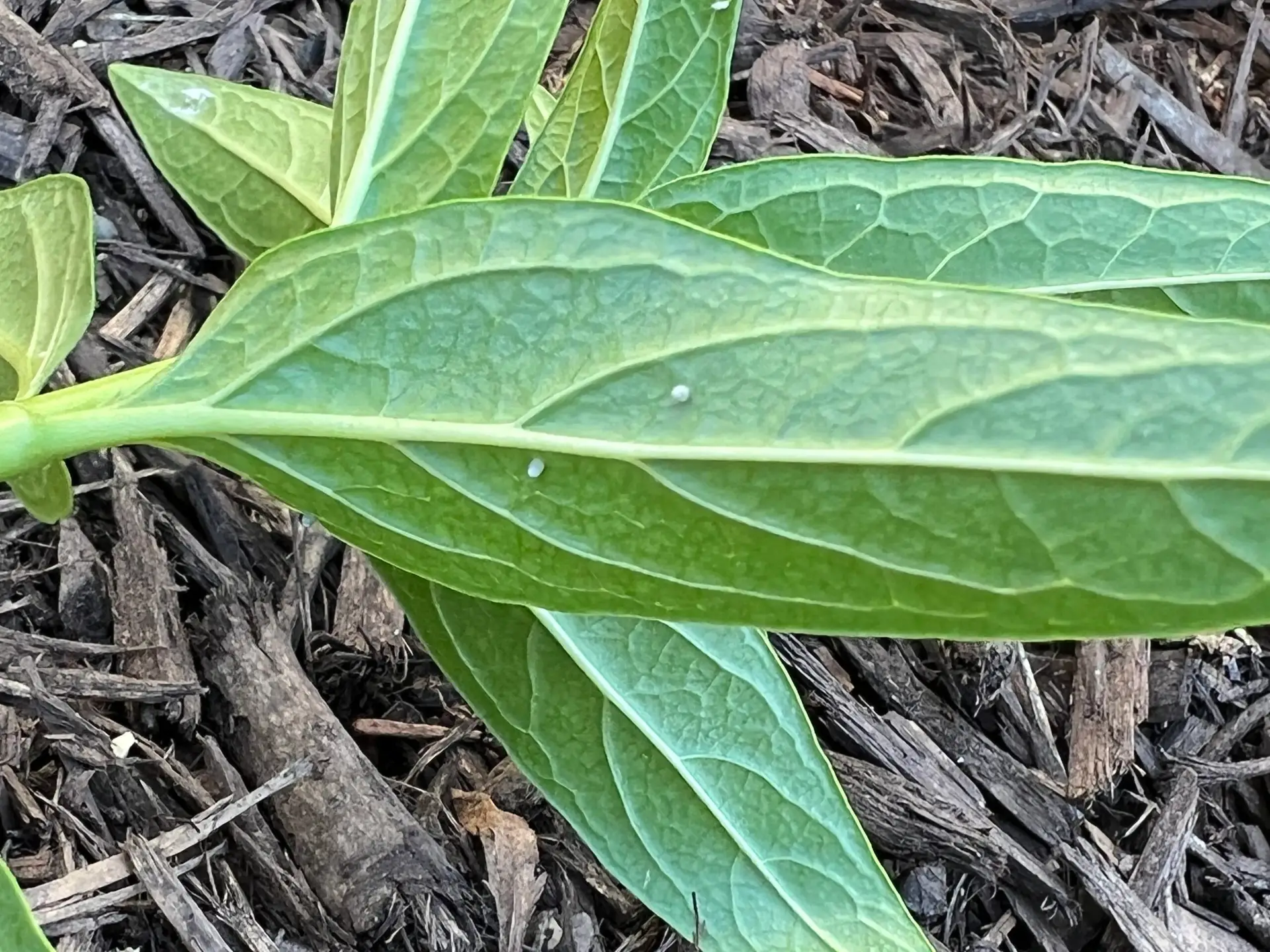
The waystation has its own rhythm right now. Pearl-white eggs appear on the undersides of milkweed leaves overnight, dropped by females who rarely linger long enough for a good photograph.
The garden visitors are constant, too. Swallowtails drift through in their unhurried way, pausing on the lantana and the zinnias before sailing off again on those broad, dark wings. The honey bees are everywhere — methodical, patient, working the blooms with the single-minded focus they’re famous for. The bumble bees, by contrast, look like they’re auditioning for a role they didn’t quite rehearse, tumbling across the petals with all the grace of a soft cannonball, and somehow getting the job done anyway.
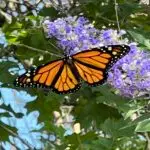
And then, low along the milkweed beds, the females. Wings angled down, abdomen curled, drifting from leaf to leaf in that distinctive scouting flight. These are the moments I try hardest to capture, because they’re the part of the cycle most people never see — the quiet handoff between this wave and the next, written in eggs no larger than a pinhead.
If you’re rearing right now, I’d love to hear what you’ve got going. How many caterpillars? What instars? Are you on live milkweed, cuttings, or a mix? Drop me a line through the contact form, or share a photo and tag “#MonarchButterflyWrangler” so the rest of the community can cheer along.
And if you’re tracking sightings, eggs, or larvae, please consider submitting your observations to Journey North or Monarch Watch. Citizen science is the spine of monarch conservation, and your backyard data matters more than you might think.
Until next weekend, friends — keep the milkweed lush, the habitat clean, and the eye sharp. The cycle keeps turning, and we get to be part of it.
Flutter and Float with the Monarchs
Wrangle the Wonders
— Butterfly Wrangler