The Lanterns Became Wings: Twenty-Four Monarchs Return to the Flowerbeds
Greetings, fellow wranglers!
Last weekend I left you with a promise. Twenty-plus jade lanterns hung silent in Habitat Two, and I told you that the next time you heard from this ranch, those lanterns would be darkening — and after that, they would be wings. Well, the wave has broken. The lanterns became wings, and this week those wings went up over the backyard flowerbeds where they belong.
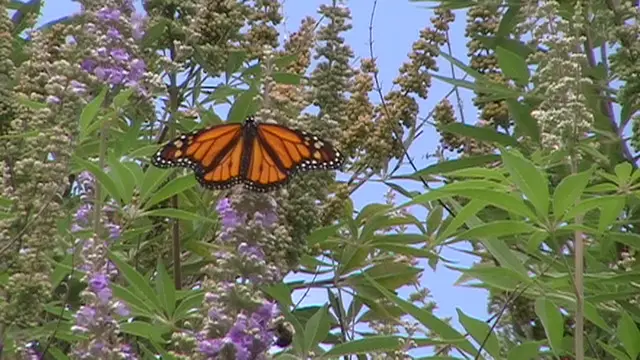
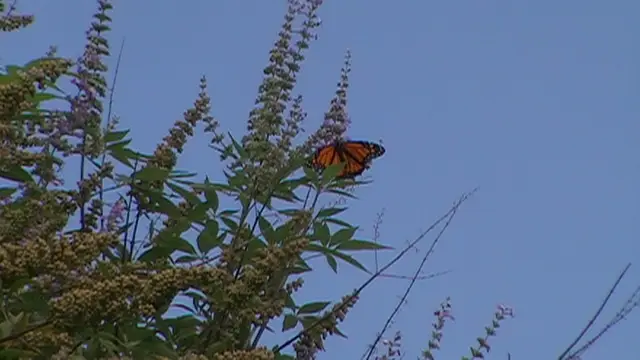
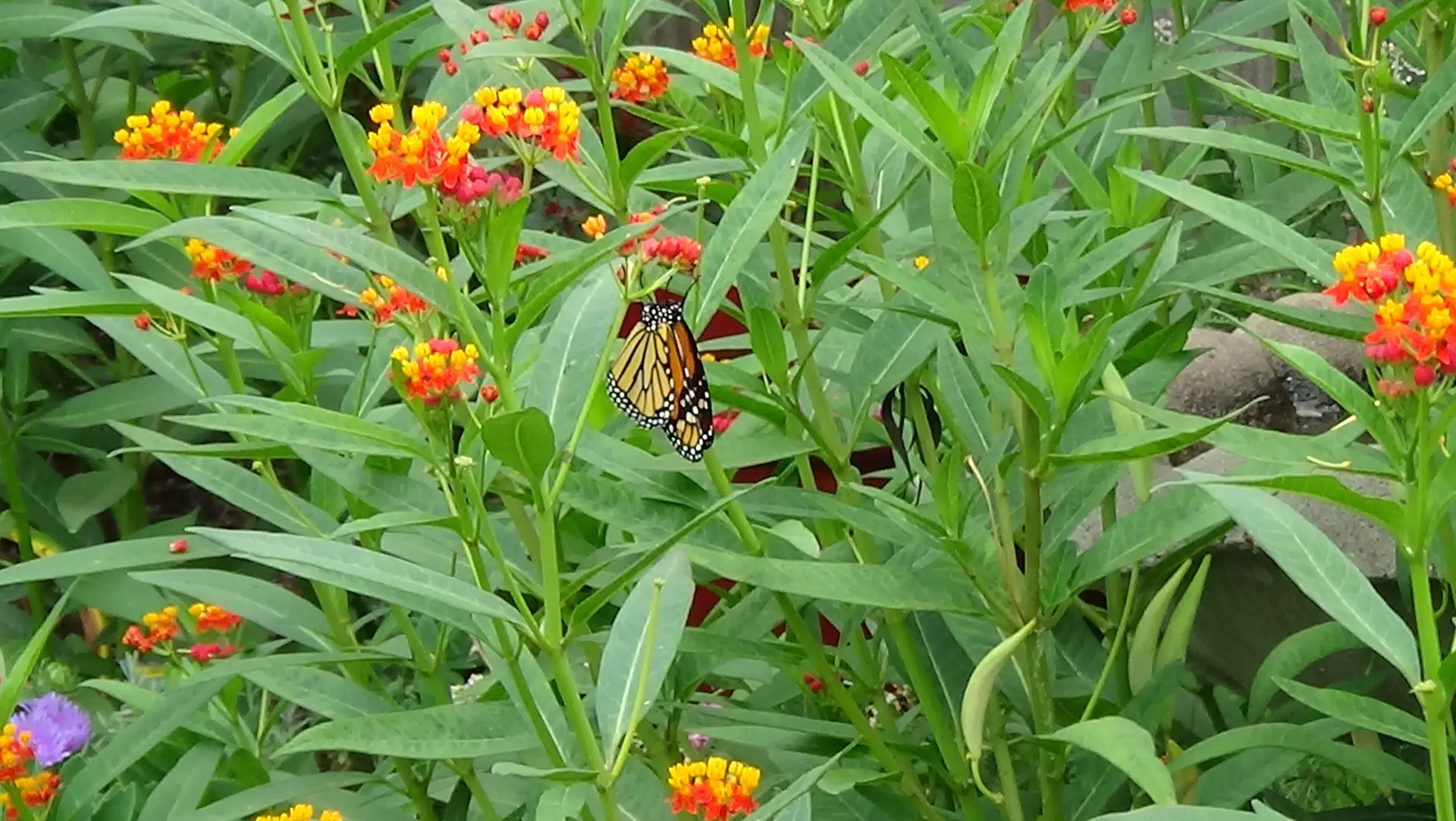
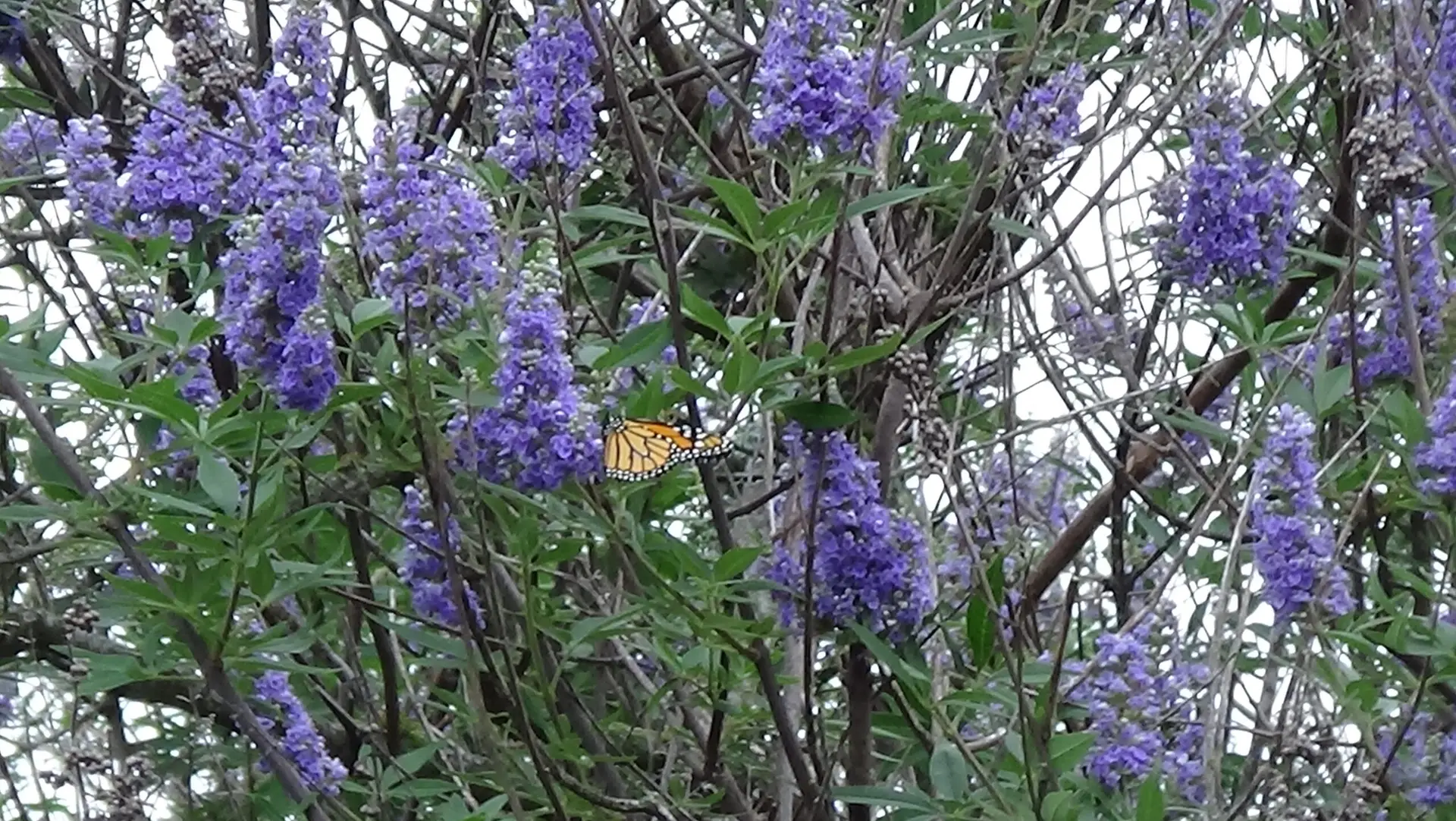
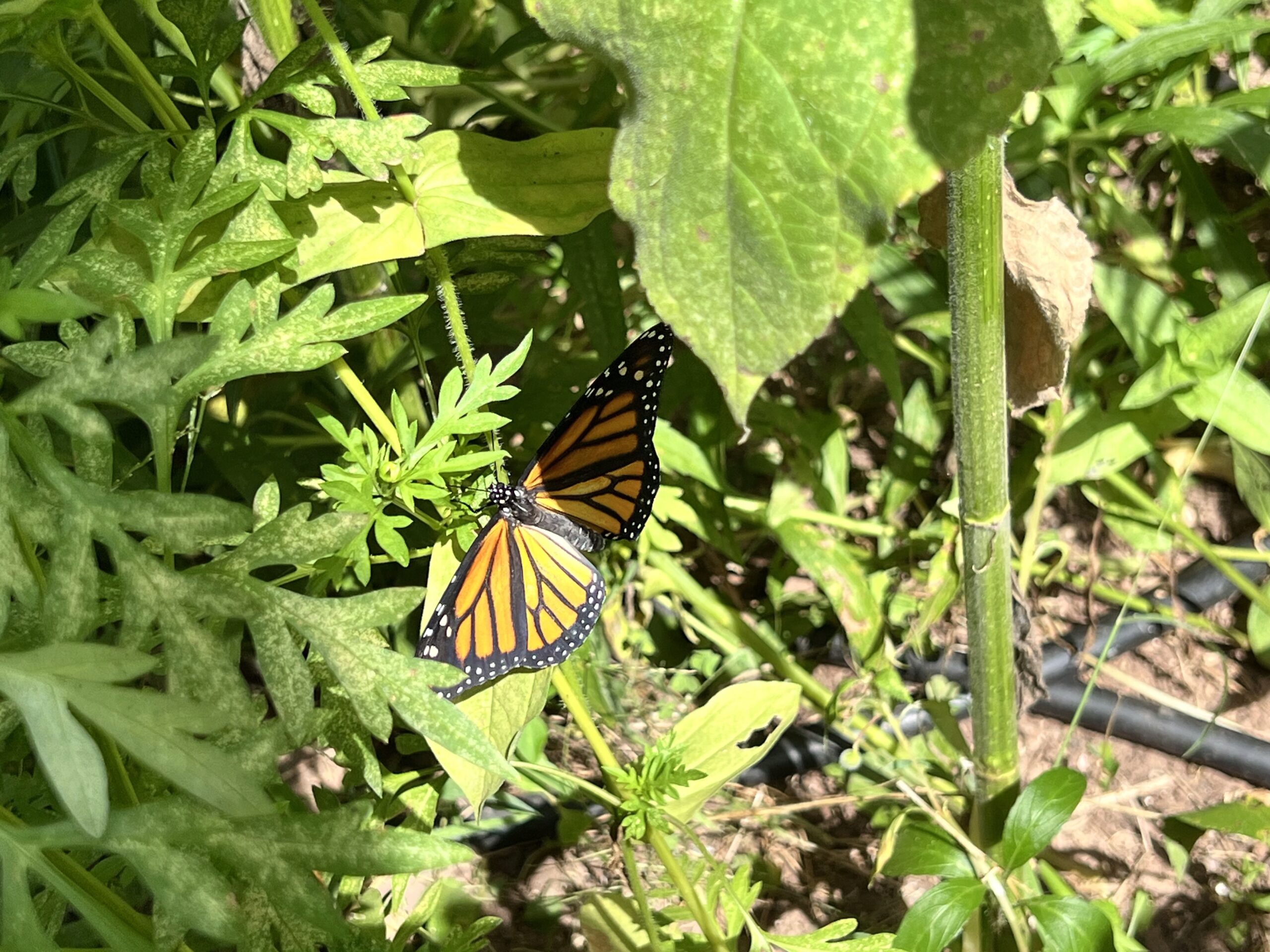
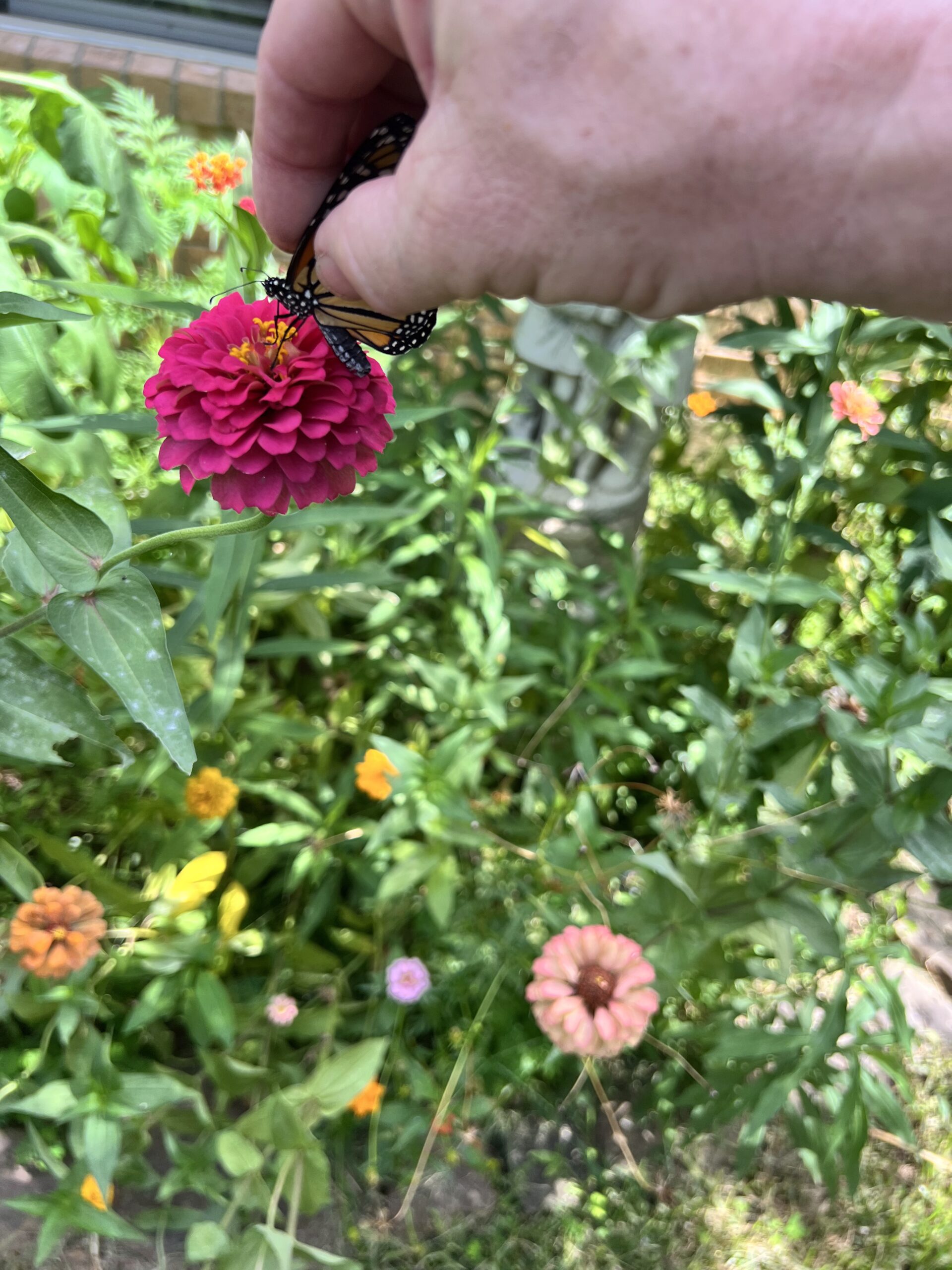
The Mornings They Darkened
There is a moment near the end of the chrysalis stage that never stops earning my attention, no matter how many seasons I have watched it. The jade shell that held its color for a week suddenly turns clear, and the folded monarch inside shows through — the orange, the black, the white points along the margin all pressed tight and waiting. By the time you see that, you are hours away, not days.
The wave did not come all at once. That is how it usually goes. A cluster darkened first, then a second group followed a day behind, each butterfly working its own timing inside its own shell. One by one the cases split from the bottom and up the side, and the monarchs eased themselves out — leaving the dome of the casing intact so there was something solid to grip. Each one climbed up and took hold, then hung crumpled, damp, and completely helpless for that first stretch while the fluid pumped out into those folded wings and set them hard.
That drying window is sacred at this ranch. Nothing gets touched, nothing gets moved. A monarch with soft wings is a monarch that is not ready, and the surest way to ruin a healthy adult is to rush it. So we wait. We let the wave finish what it started.
Release in Two Batches
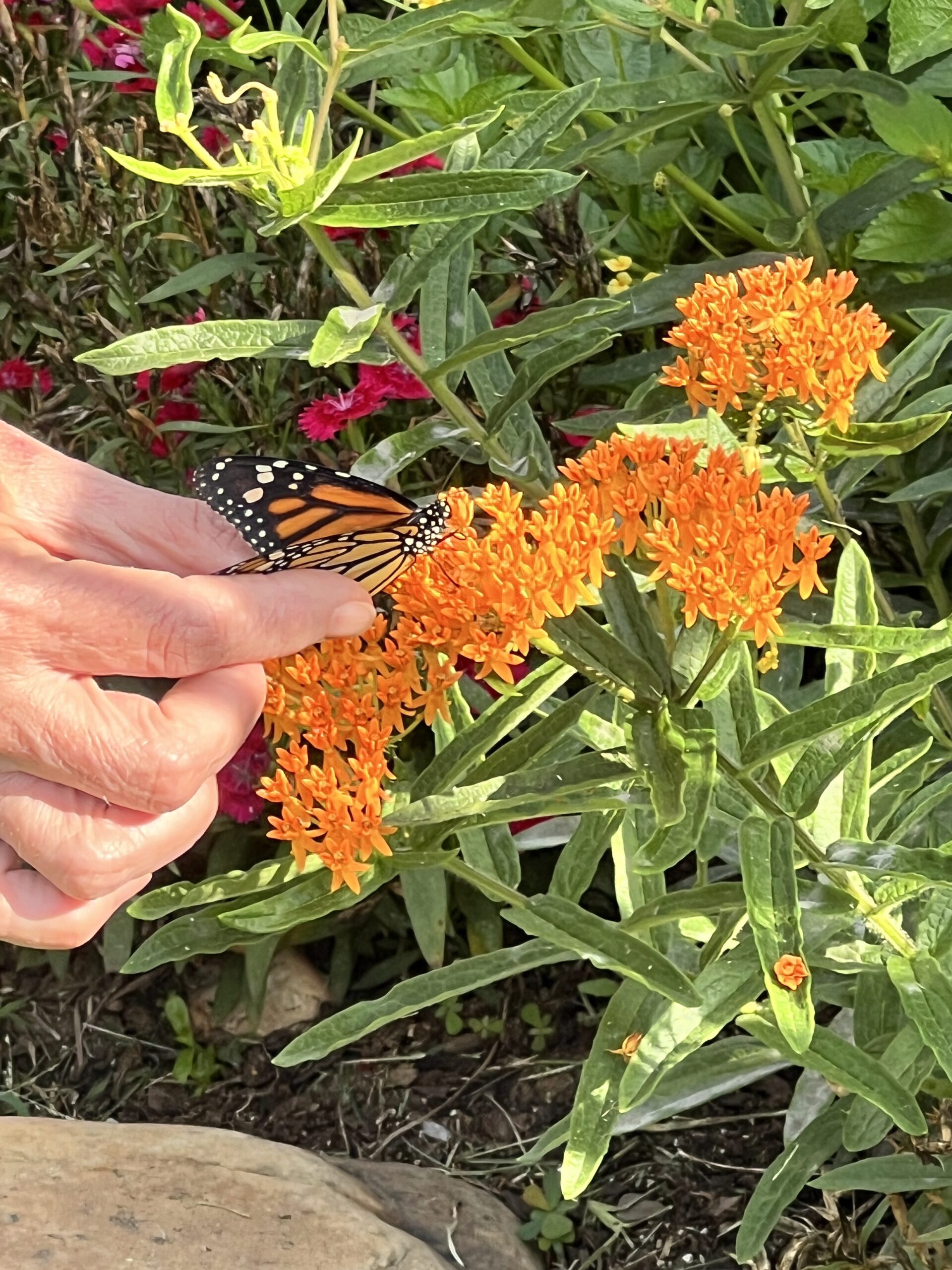
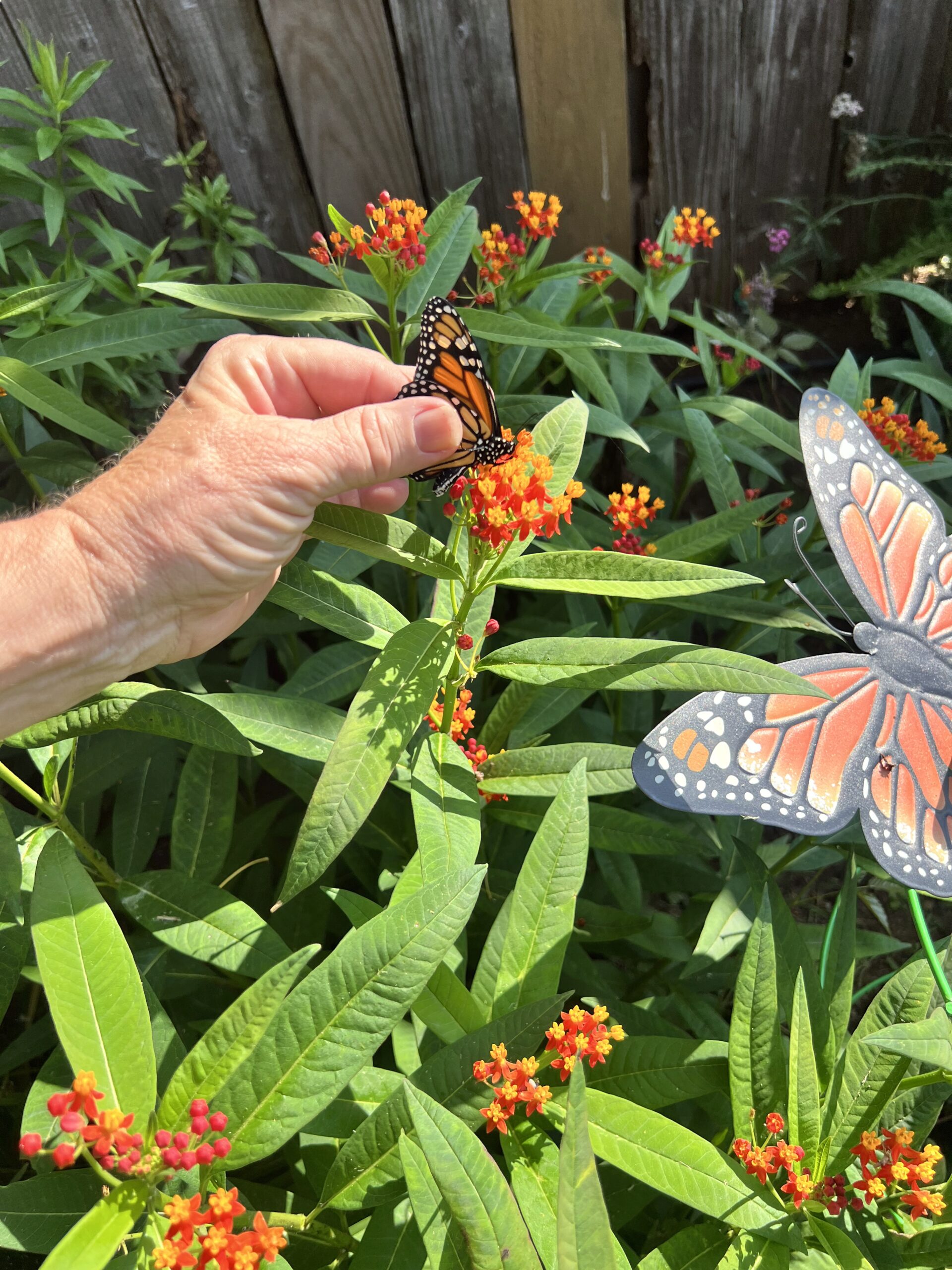
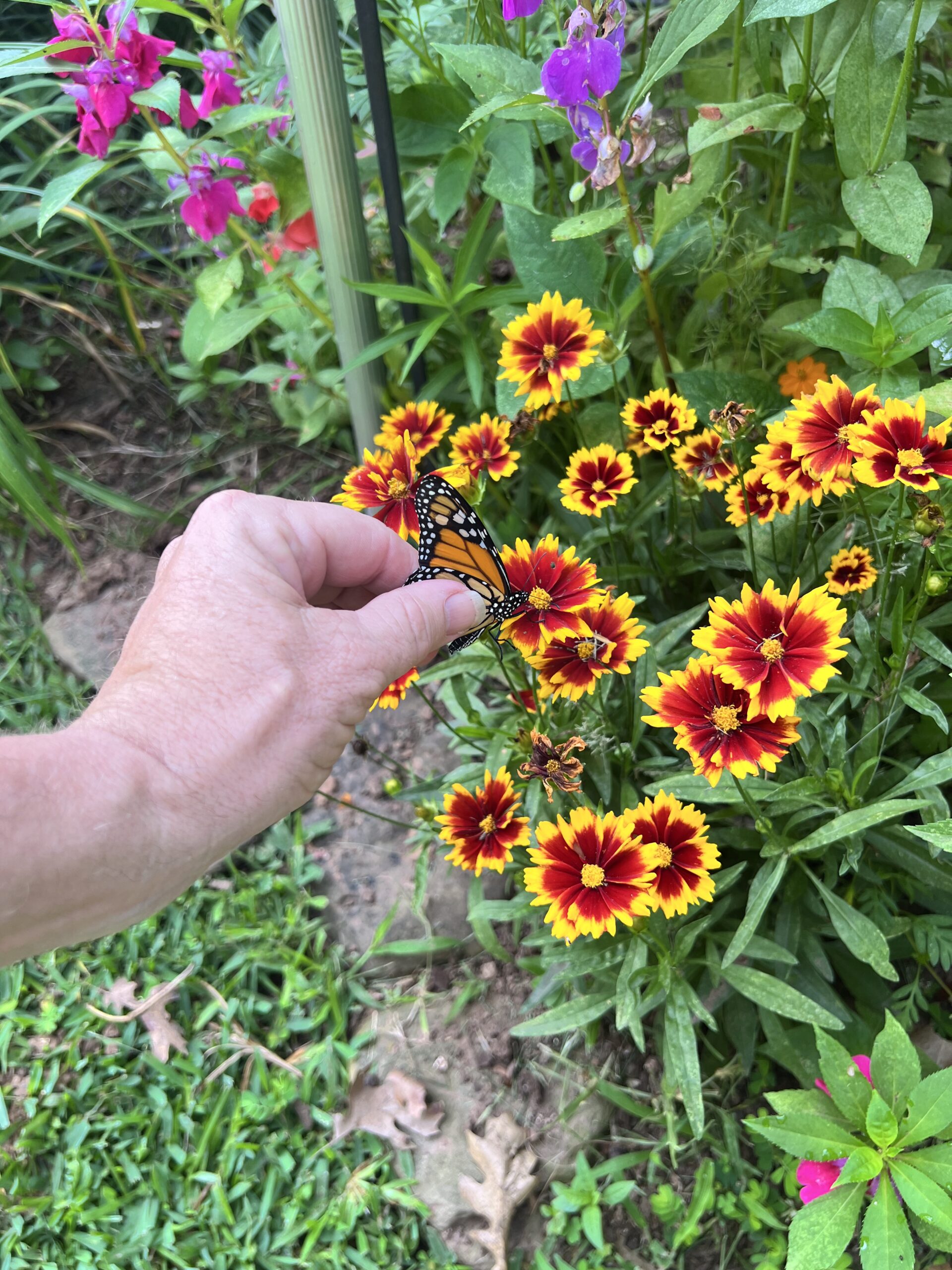
Because the eclosures came in stages, the releases did too. Rather than hold finished butterflies waiting on stragglers, I walked them out to the flowerbeds in two batches across the week — each group carried out once its wings were hard, dry, and beating with intent.
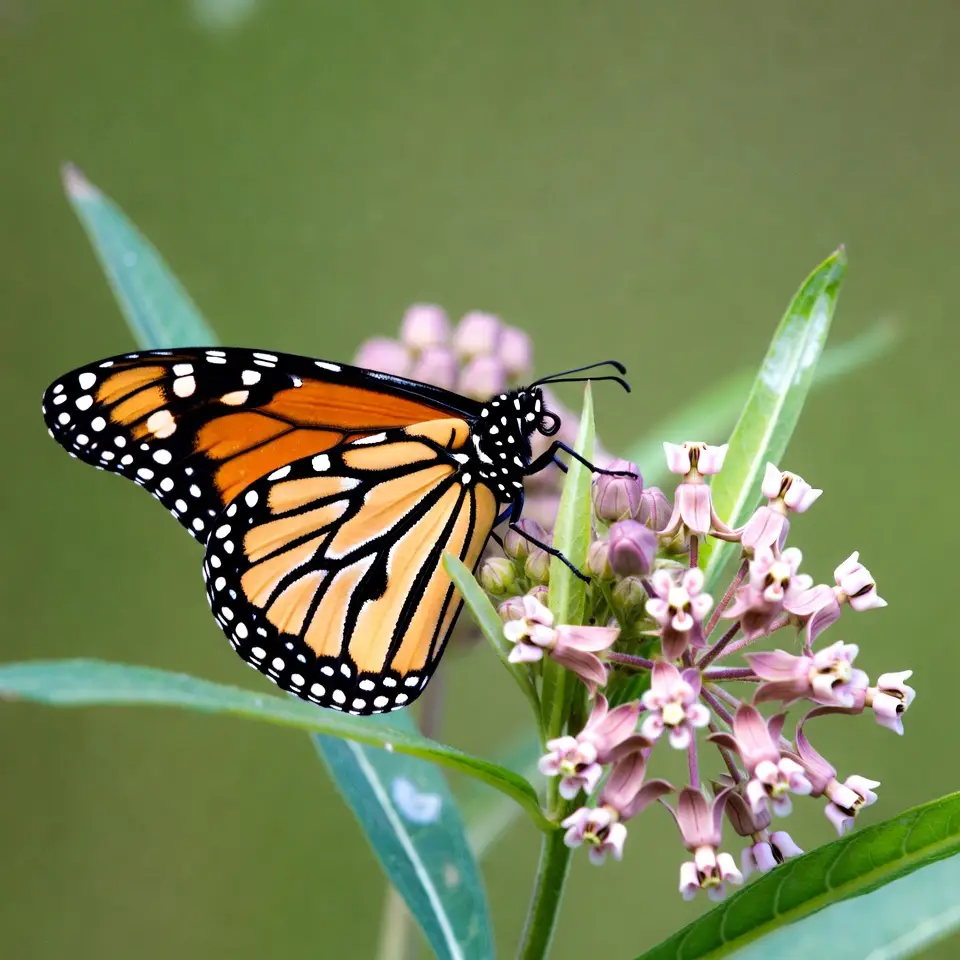
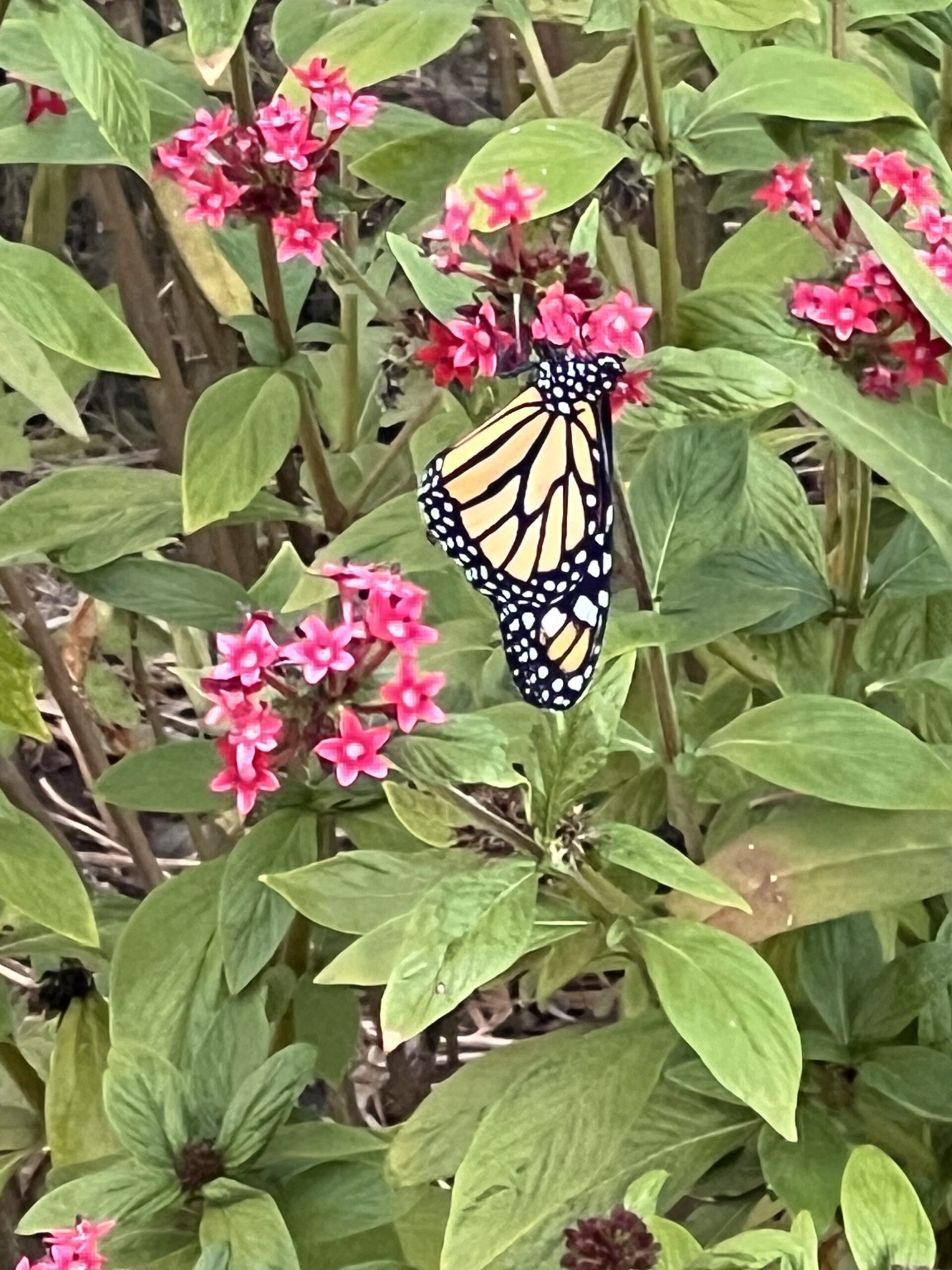
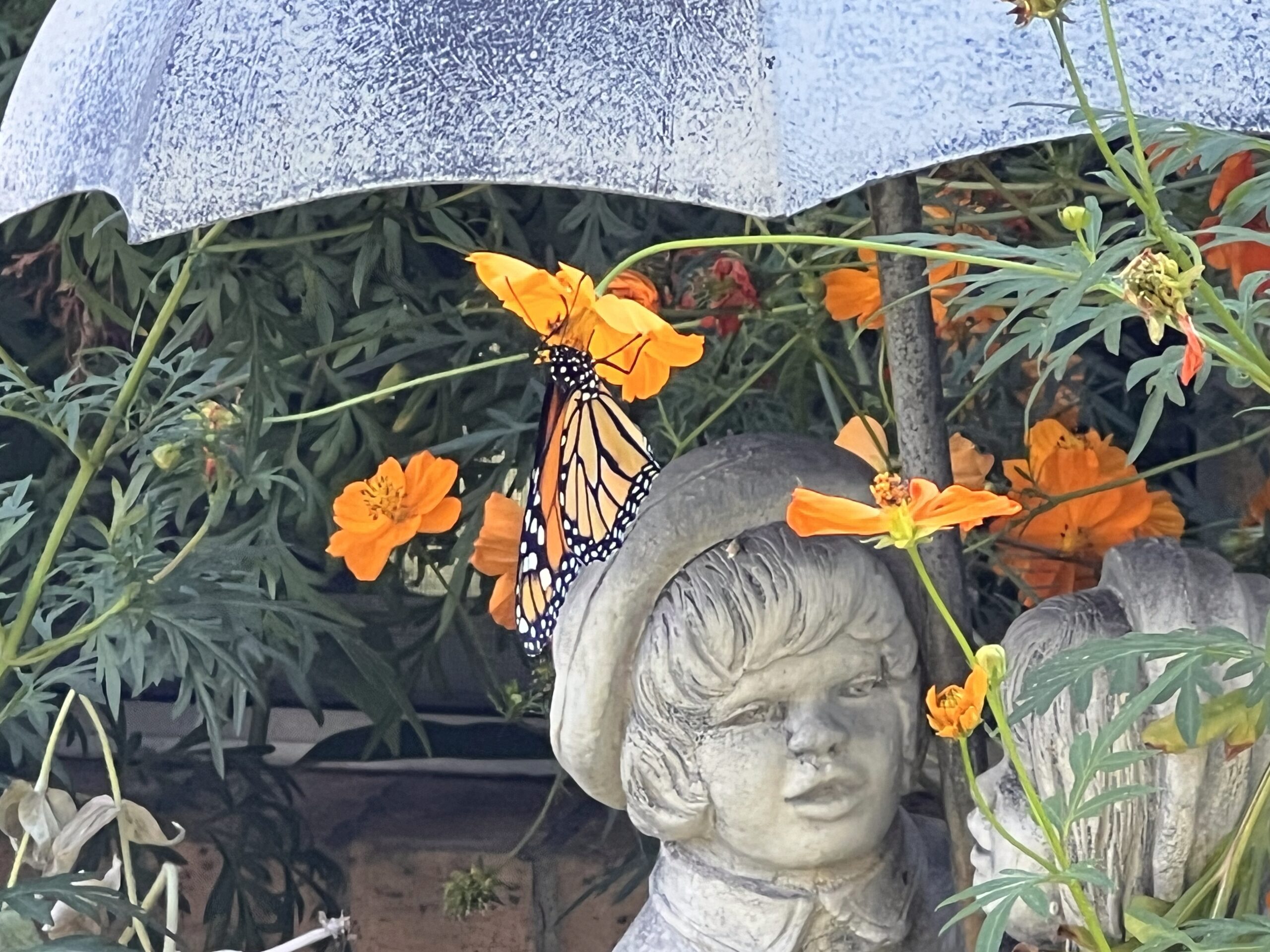
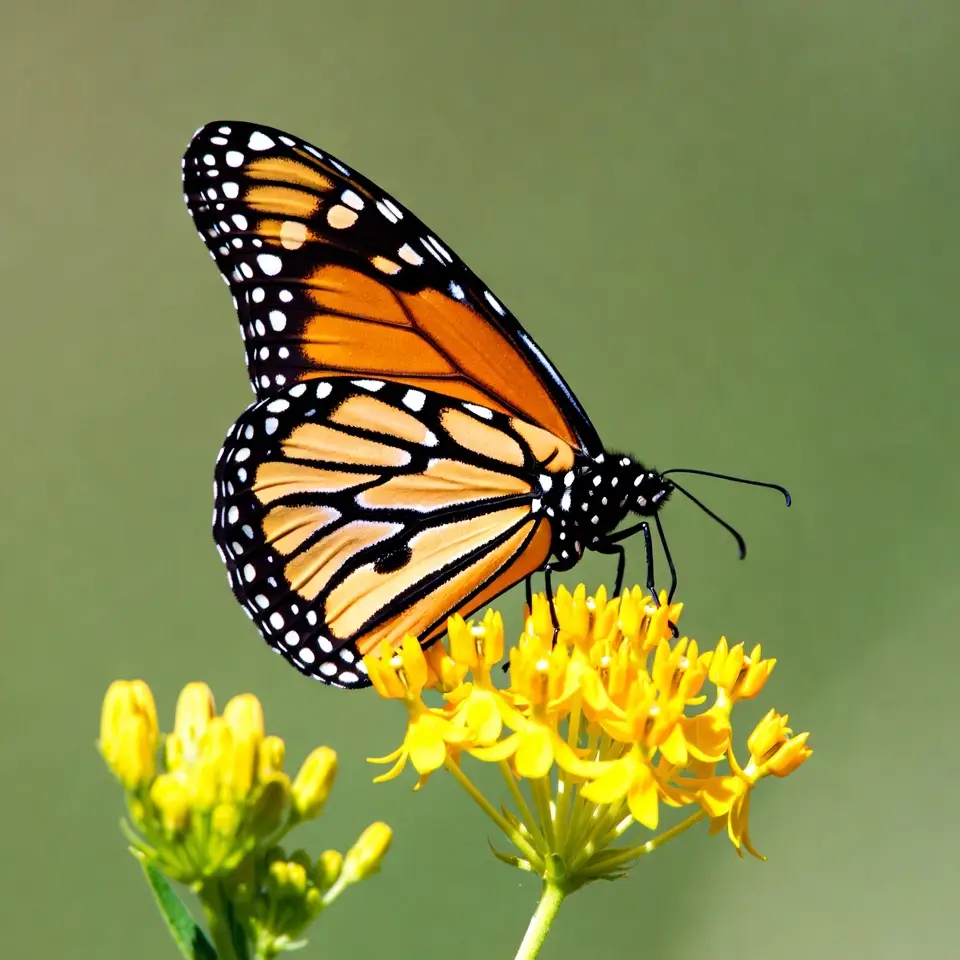
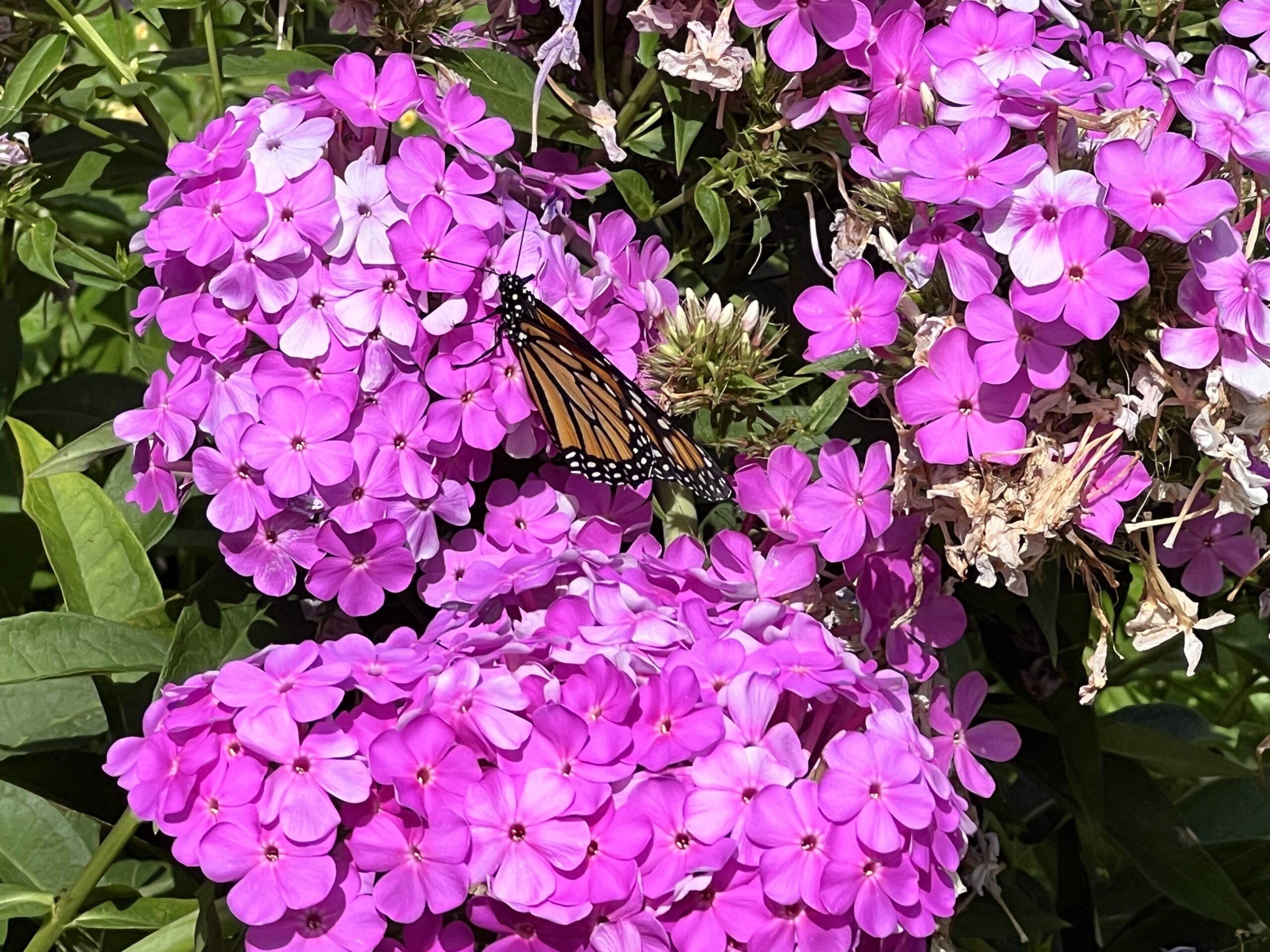
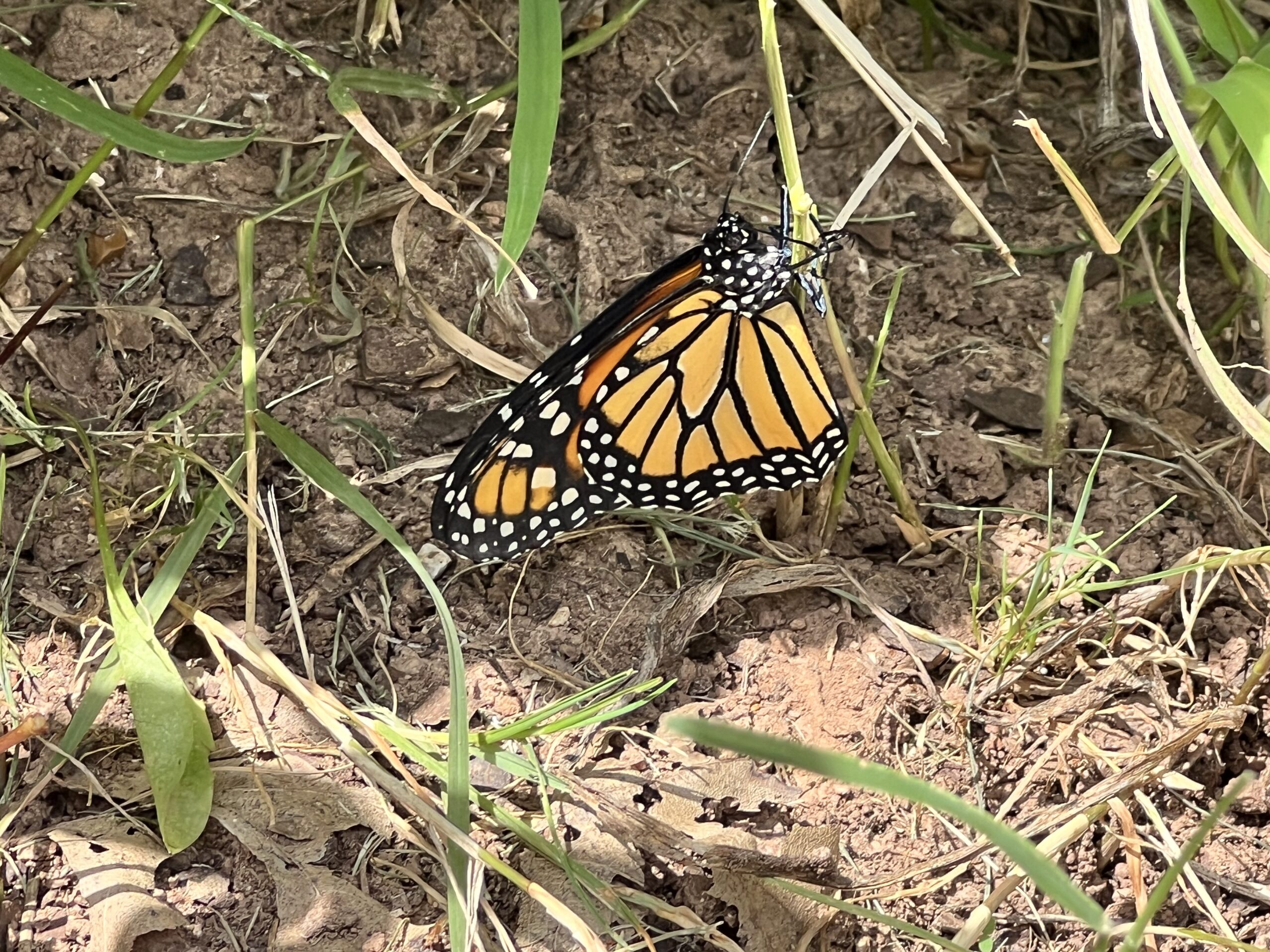
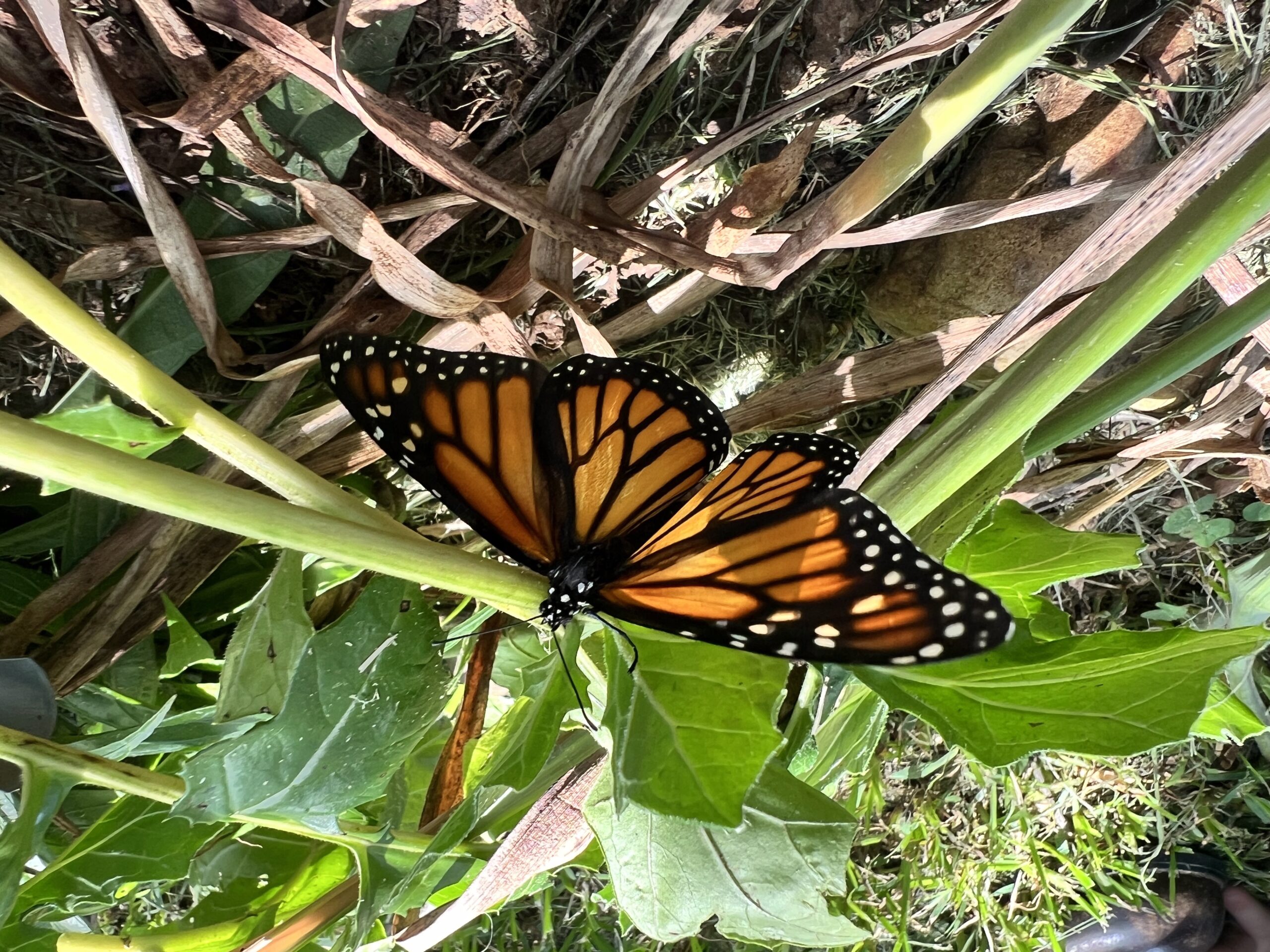
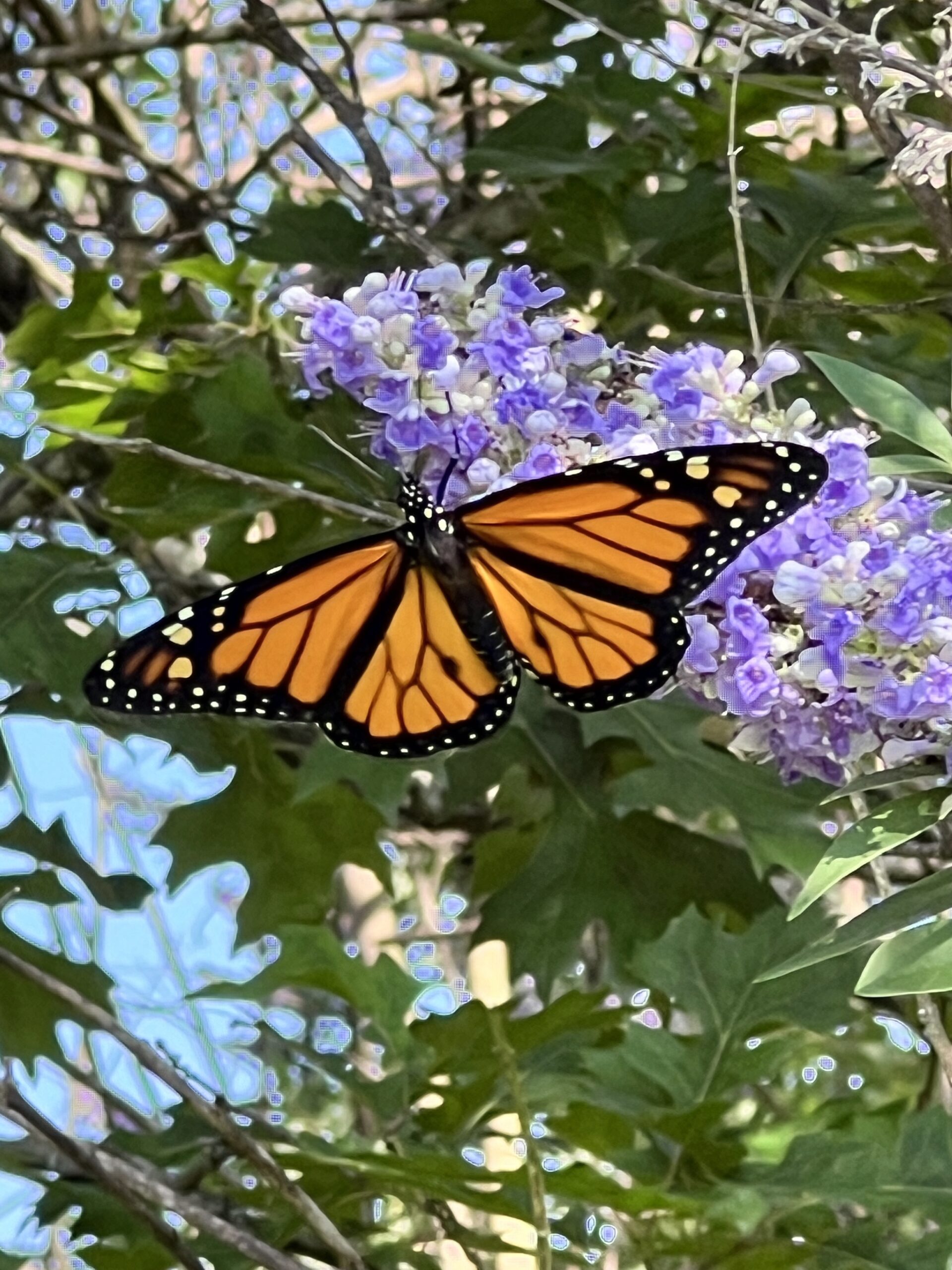
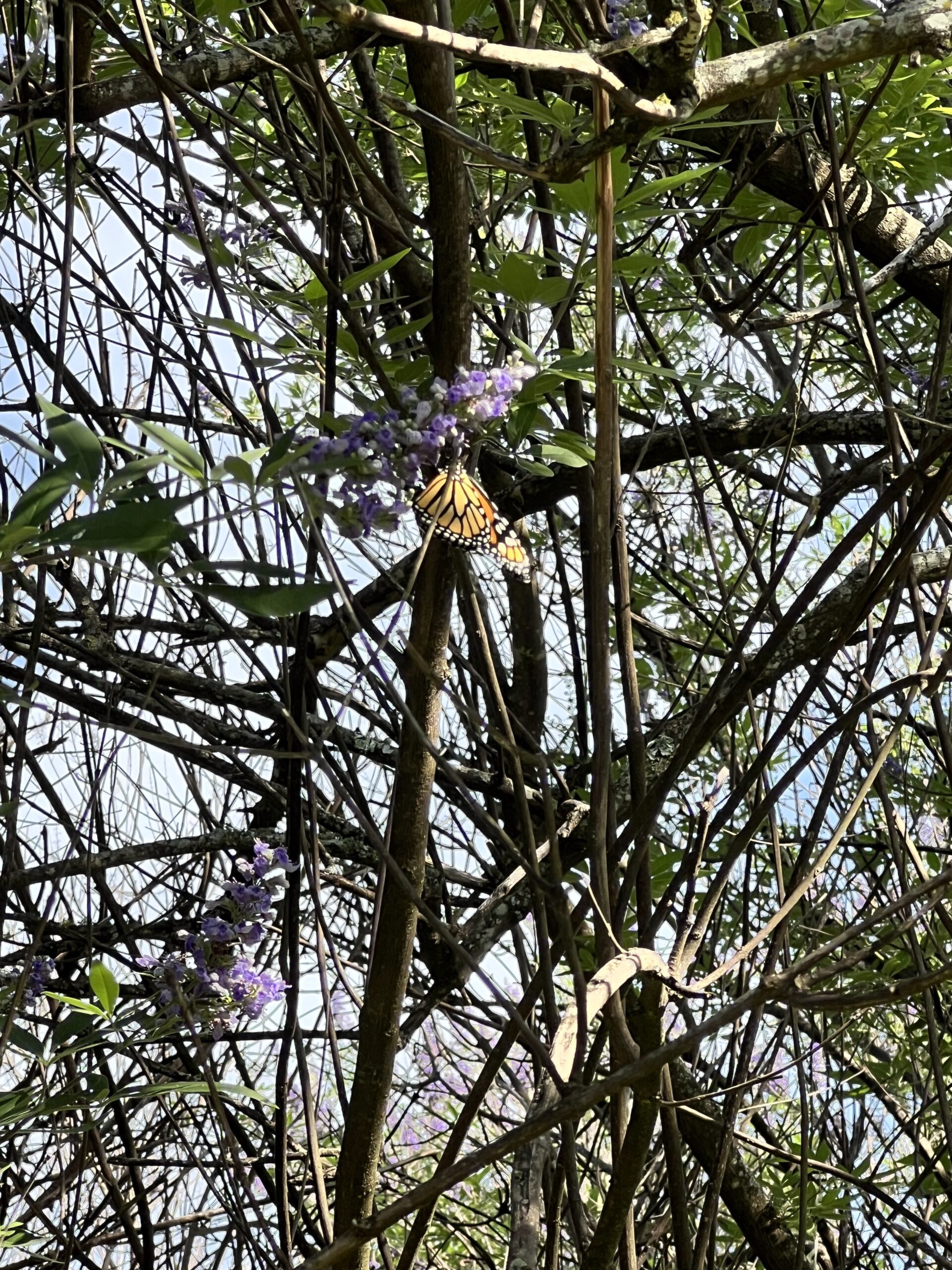
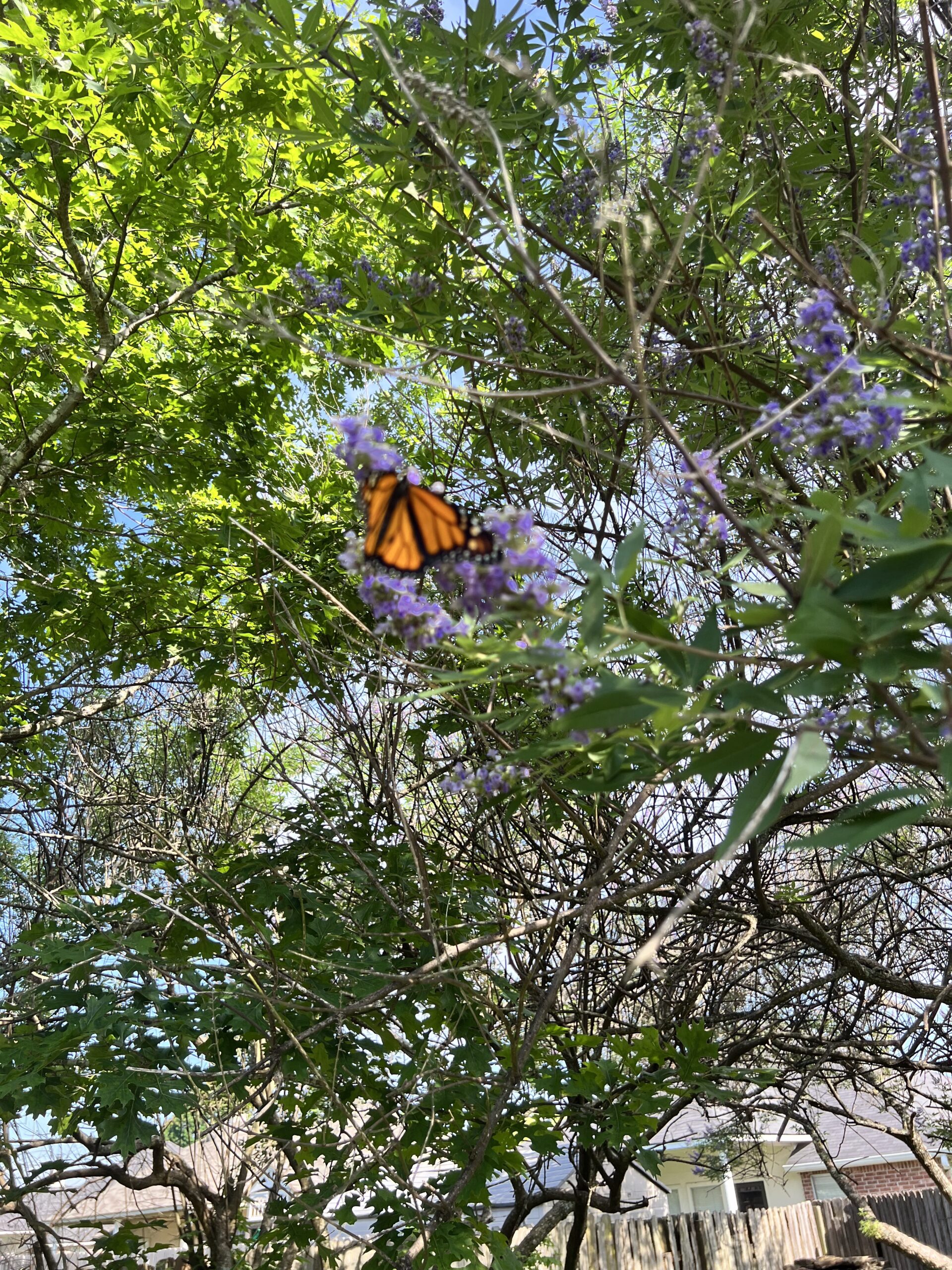
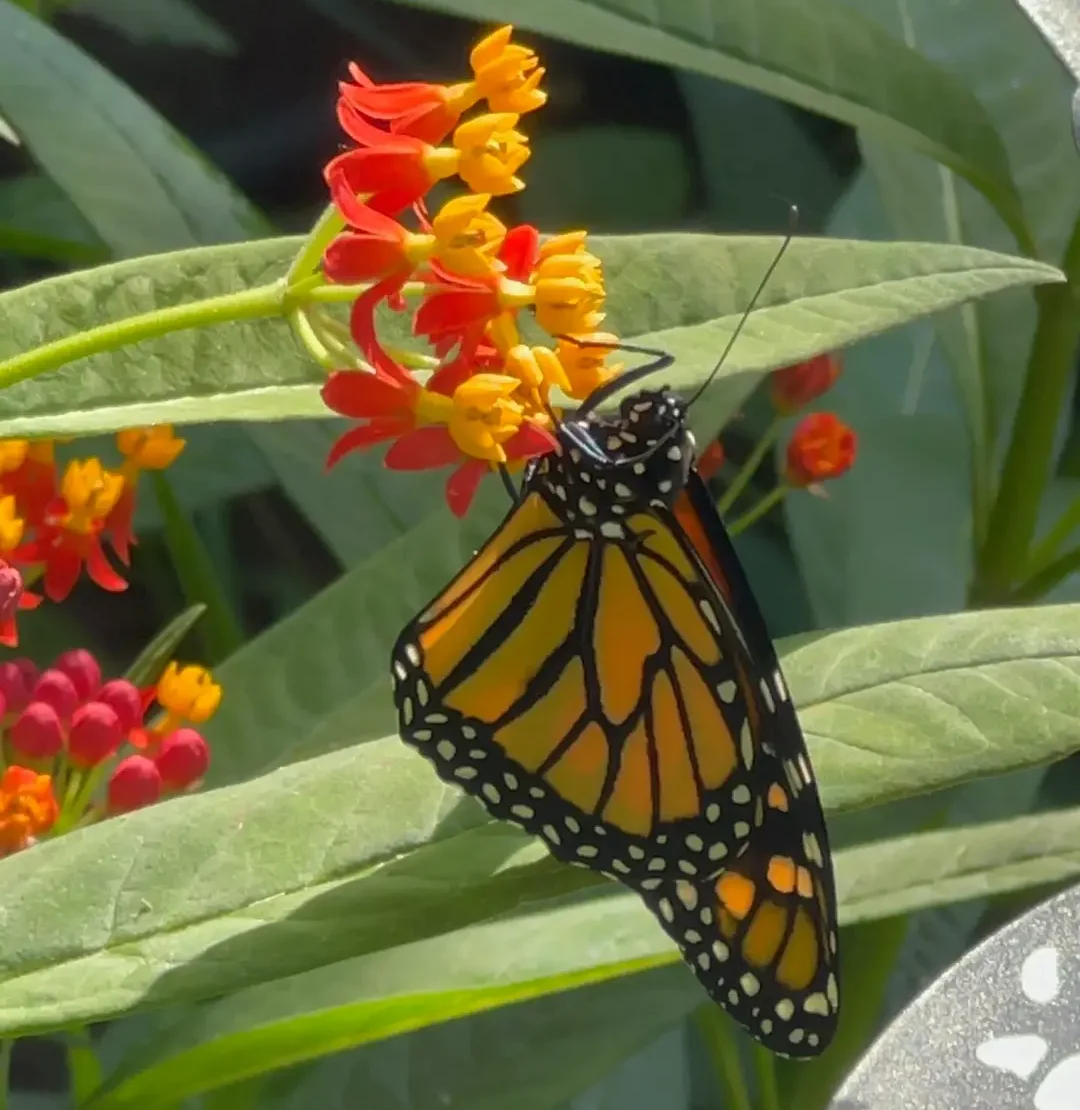
I never tire of that hand-off. You open the habitat, and for a breath they sit there deciding. Then the wings catch, and they lift — some straight up and over the fence line, some settling first onto the nearest bloom to fuel up before the real flight. This is the whole point of the operation. Rescue, raise, and release. Every step we take inside these habitats is in service of that last one, the moment we step back and hand them to the wind and the wild.
Counting the Wave
I keep an honest ledger here, the same as I did last week with the caterpillar-to-chrysalis math, and this wave earns a good one. Of the twenty-plus that pupated in Habitat Two, we carried **twenty-four healthy, mature monarchs** out to the beds and returned them to nature.
We lost one. A single butterfly fell during eclosion and could not recover — one of those hard outcomes that comes with doing this work close and hands-on. I note it because the number should be true, not tidy. But twenty-four strong monarchs out of that wave, sent off on good wings, is a result I will take gladly. Every one of them is now doing the work no habitat can do for them.
Habitat Two: Stripped, Cleaned, and Sanitized
An empty habitat is not a finished habitat. With the last of the wave released, Habitat Two came down for a full reset — stripped out, cleaned, and sanitized top to bottom. This is the least glamorous job on the ranch and one of the most important. The pressures that build up in a rearing space over a full wave — the frass, the shed skins, the invisible load of pathogens like *Oe* that ride along with a crowd of caterpillars — all of it gets scrubbed away before a single new egg comes through the door. A clean start is how the next wave stays healthy. Habitat Two is earning its quiet week.
Habitat One: Ready to Begin Again
Meanwhile, Habitat One has been holding clean and in reserve, and it is now ready to be repopulated. That is the rhythm I have been building toward with this two-habitat setup — one space resetting while the other stands ready, so the operation never has to choose between a proper cleaning and a place to put the next generation. As the beds give up their eggs and early caterpillars, Habitat One is where the next chapter of the season will begin.
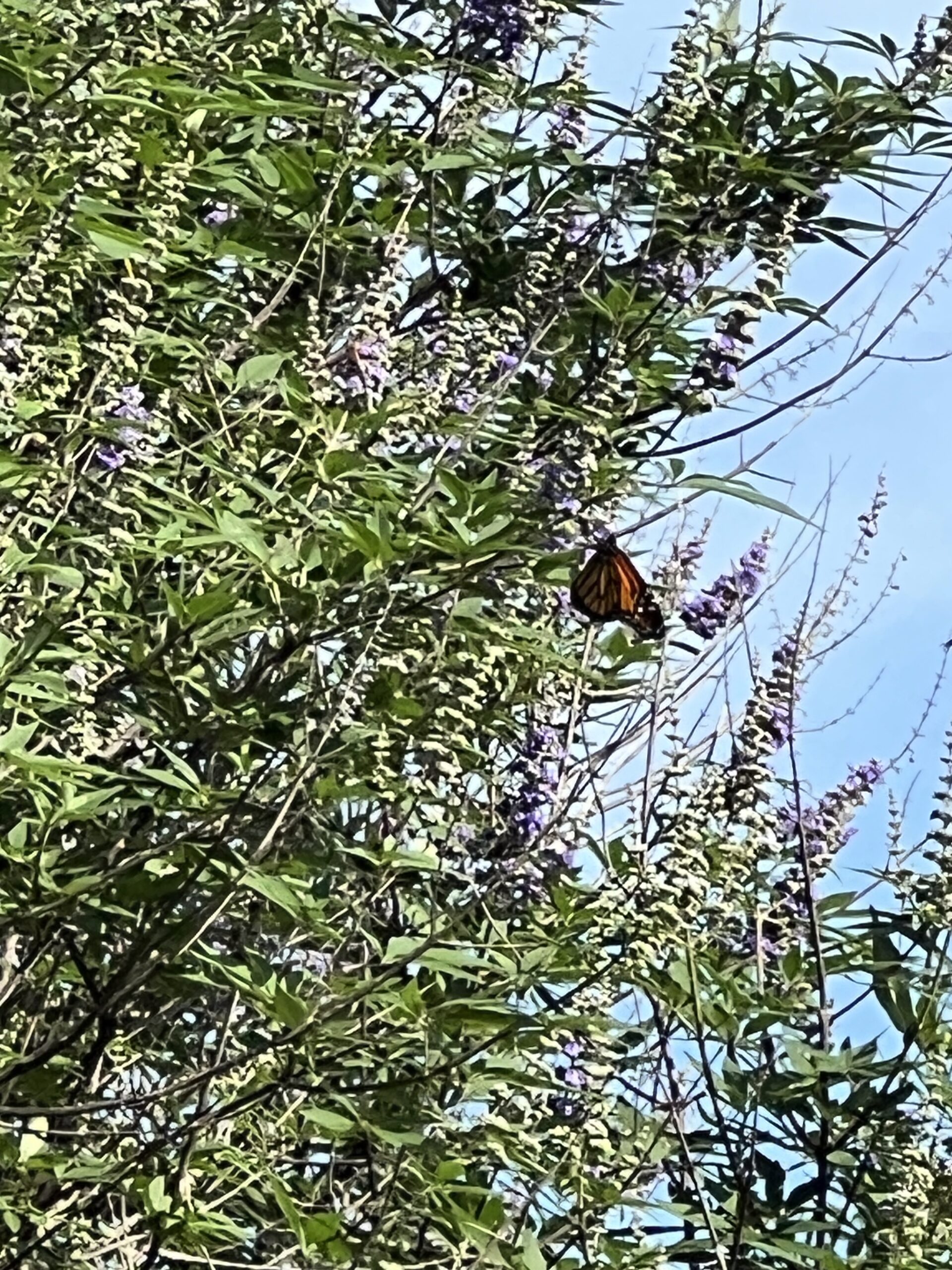
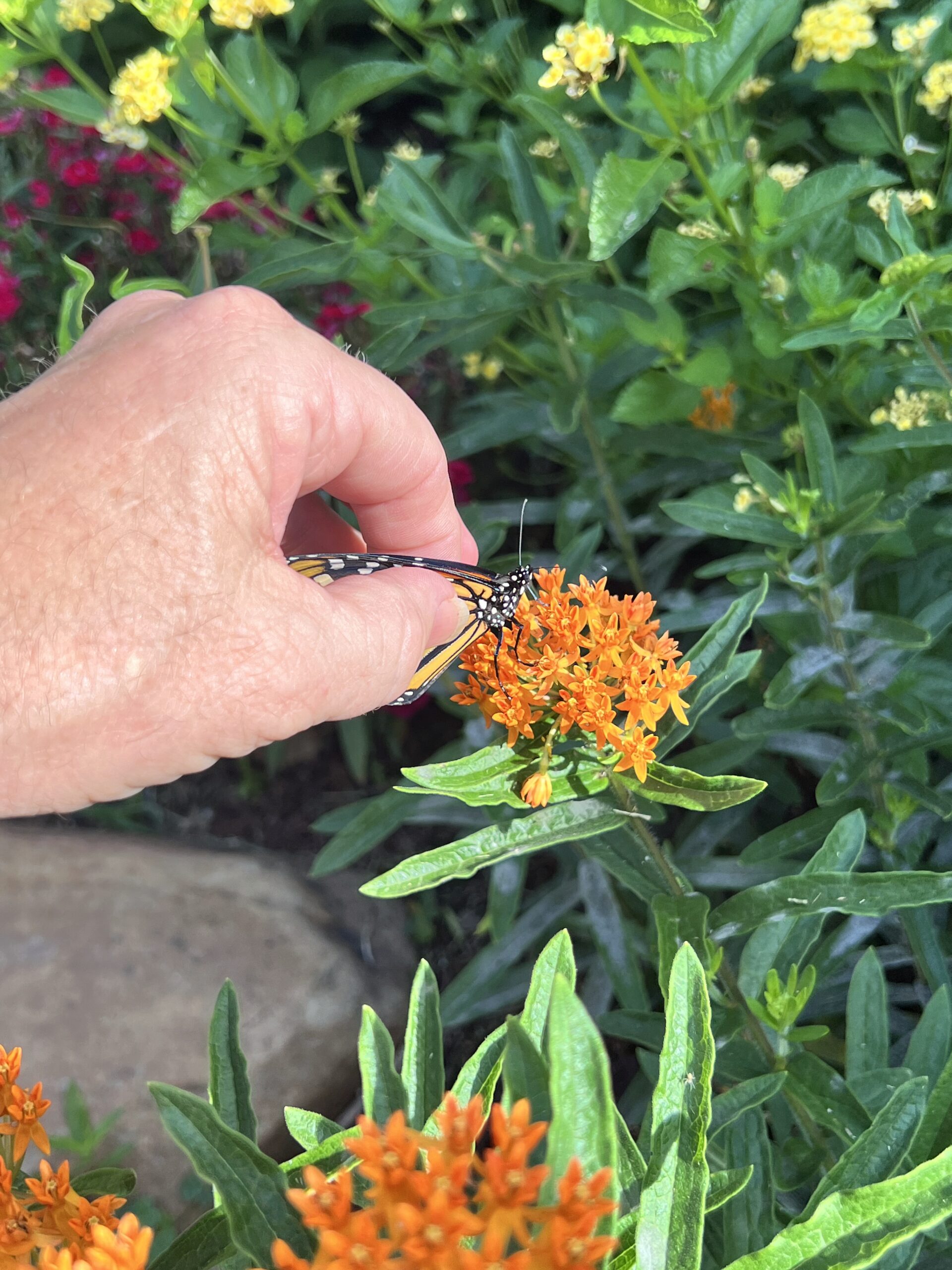
This Weekend in the Beds
So while the habitats turn over, the wranglers head outside. This weekend is a flowerbed weekend. We will be working the waystation beds and going leaf by leaf through the milkweed, checking the undersides for eggs and searching the new growth for the first small caterpillars of the coming wave.
This is where the philosophy of this ranch shows its hand. We do not force the calendar. The wild females are already at work out there, laying on the same milkweed we tend, and our job is to read what they have left us rather than to invent it. What we find on those leaves this weekend is what will fill Habitat One and carry the season forward. The beds tell us when the next wave begins — we just have to look closely enough to hear it.
For the Reader at Home
If you are rearing your own this season, let this week’s wave be a reminder about the two most patient moments in the whole cycle.
The first is **the drying window.** When your monarch ecloses, resist every urge to help. Give it a couple of hours — sometimes more — hanging undisturbed until the wings are stiff and it is opening and closing them with strength. A butterfly released too soon is a butterfly that cannot fly, and a grounded monarch is an easy meal.
The second is **the milkweed check.** Before you go looking for eggs to bring in, learn to read the leaf. Monarch eggs sit alone, usually on the underside, pale and ridged and about the size of a pinhead. The tiniest caterpillars often give themselves away by the neat little holes they chew before you ever spot the caterpillar itself. Check gently, check often, and take only what you can raise well. The goal is never to strip the wild — it is to give a handful of the next generation a safer start, then send them back out exactly where you found them.
Closing the Day
Twenty-four monarchs are out in the world tonight that were jade lanterns a week ago. Habitat Two is clean and quiet, Habitat One is ready and waiting, and the milkweed out in the beds is already writing the next wave whether we are watching or not. That is a good place to end a week. Come the next post, we should have fresh eggs and early instars to report, and the whole beautiful cycle will be turning over once more.
Until then, keep your milkweed tended and your eyes on the leaves.
Flutter and Float with the Monarchs.
Wrangle the Wonders.
#MonarchButterflyWrangler
I have began writing a series of books about Monarch Butterflies. The first book is now available, order yours now.