17 Chrysalis, 2 New Caterpillars: This Week in the Habitats
Greetings, fellow wranglers!
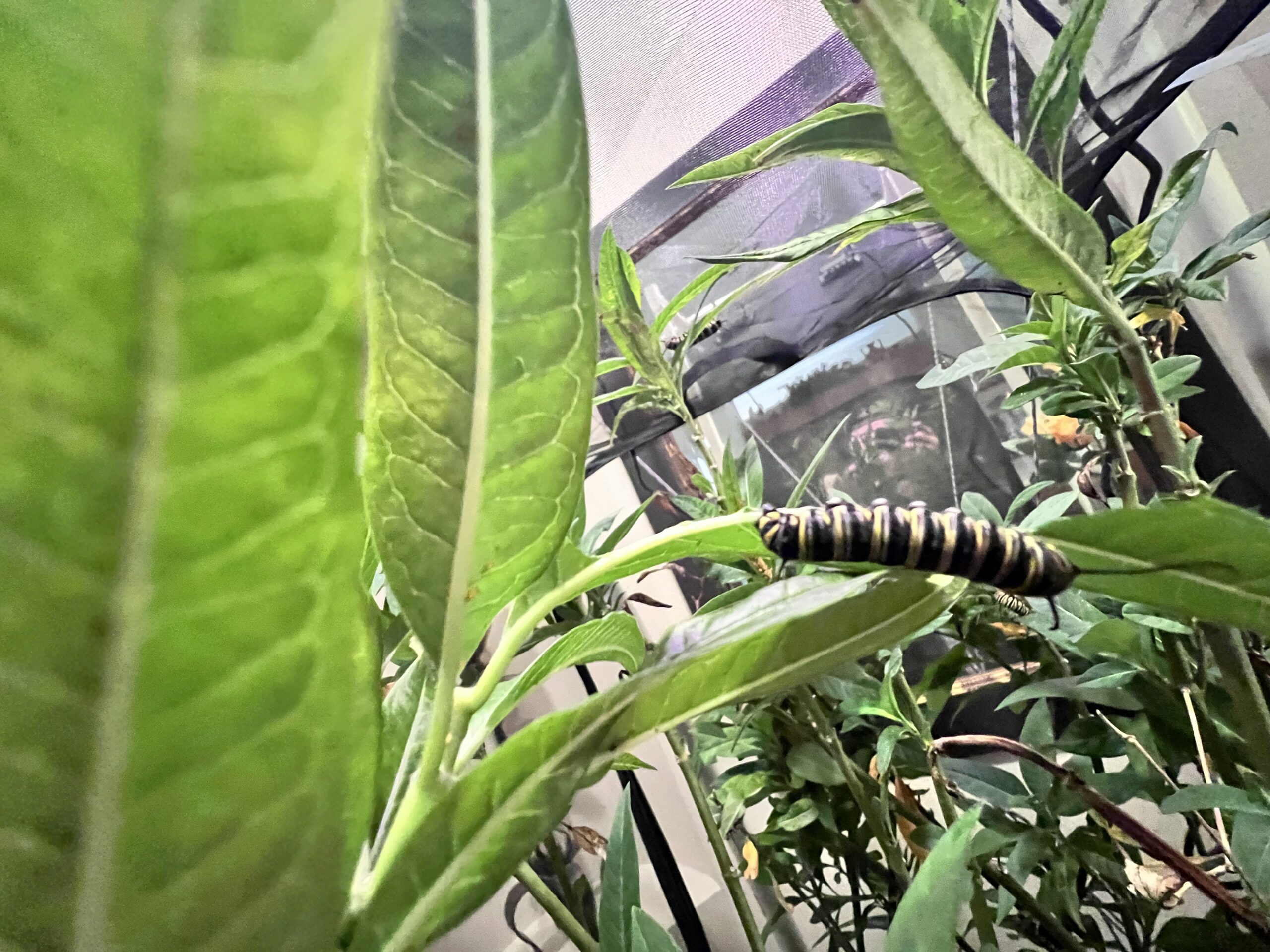
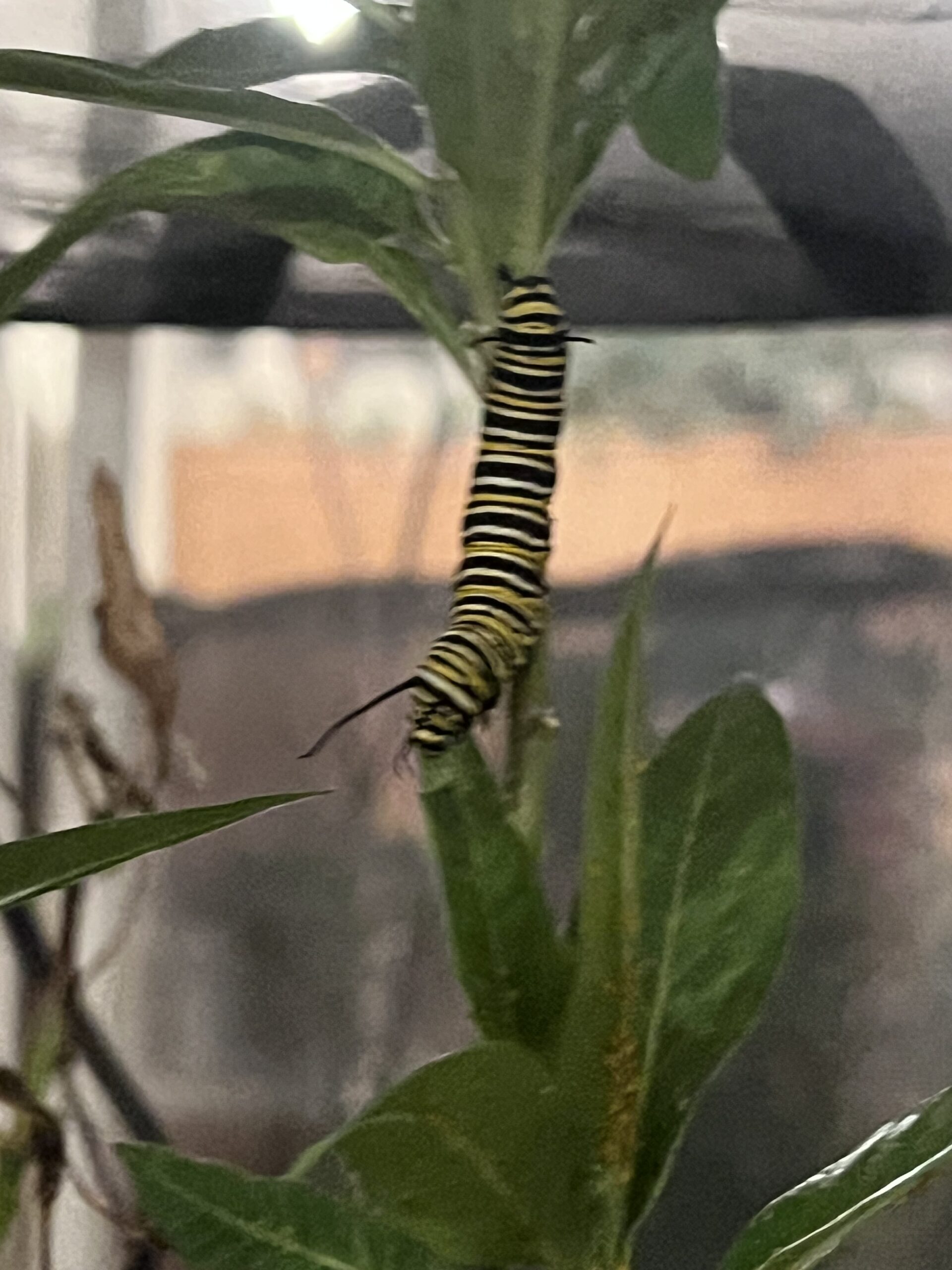
This wave is keeping both habitats busy, and honestly, that’s exactly how I like it. Habitat One and Habitat Two are each telling a different part of the story right now, and this weekend felt like a good moment to catch you up on both.
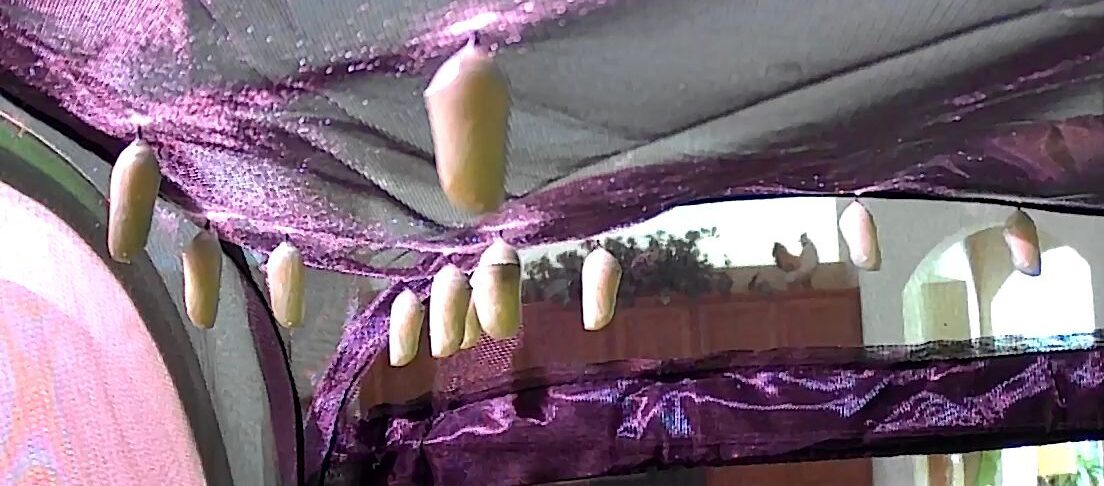
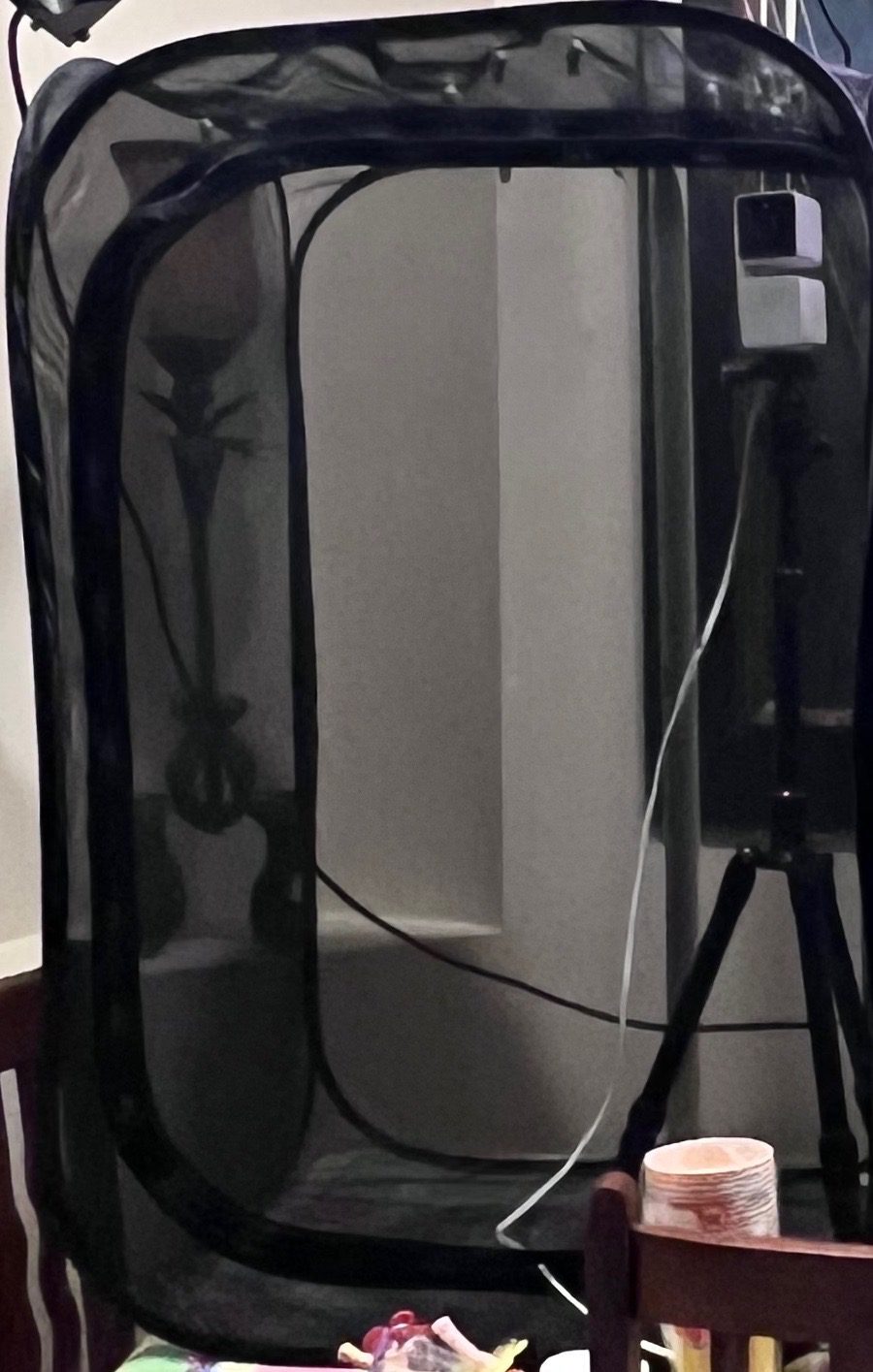
Habitat One: Seventeen and Counting
Habitat One is holding steady at 17 chrysalis, ranging from two days in progress all the way to five. If you’ve followed along for a while, you know I love this particular stretch — the early ones are still that deep jade green with the gold flecking barely settled in, while the ones further along are quietly working toward the transformation that’s still a week or so out. Nothing to do here but watch, keep the habitat clean, and let the process run its course. Minimum interference, maximum payoff.
Spacing them out across a five-day window like this also means eclosion won’t all happen on the same afternoon — which, if you’ve ever tried to photograph six emergences at once, you’ll understand is a small mercy.
Habitat Two: New Arrivals
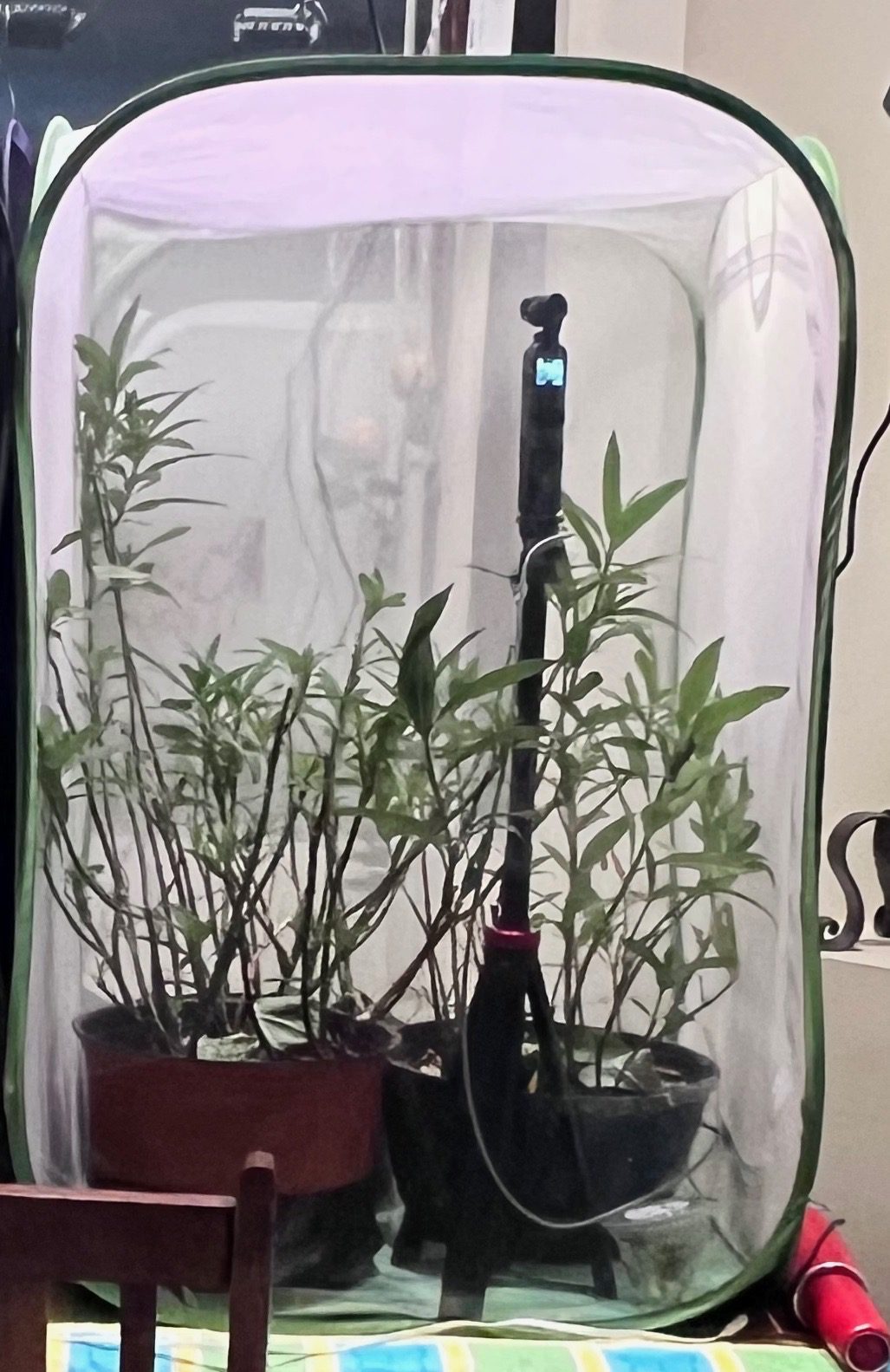
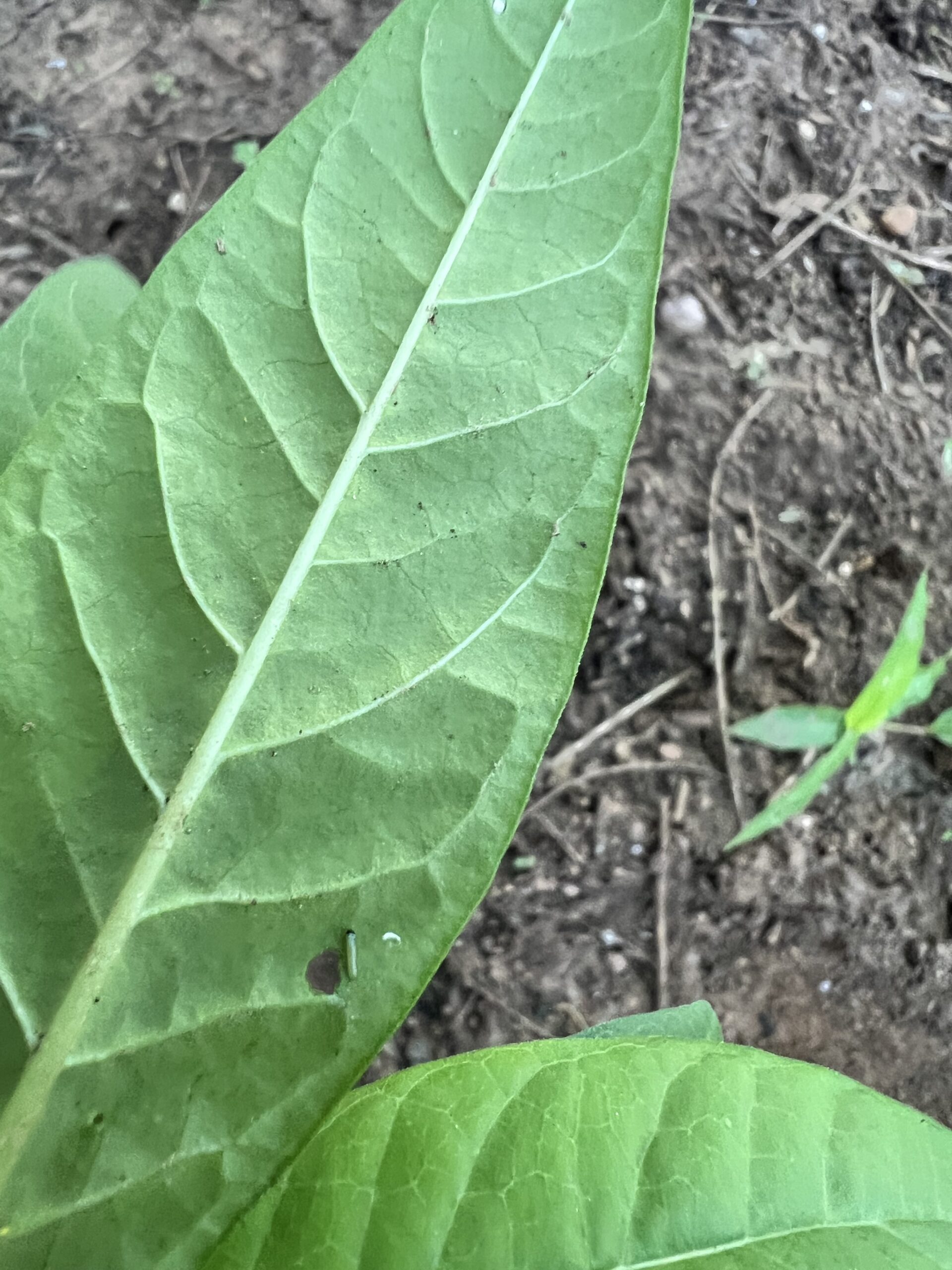
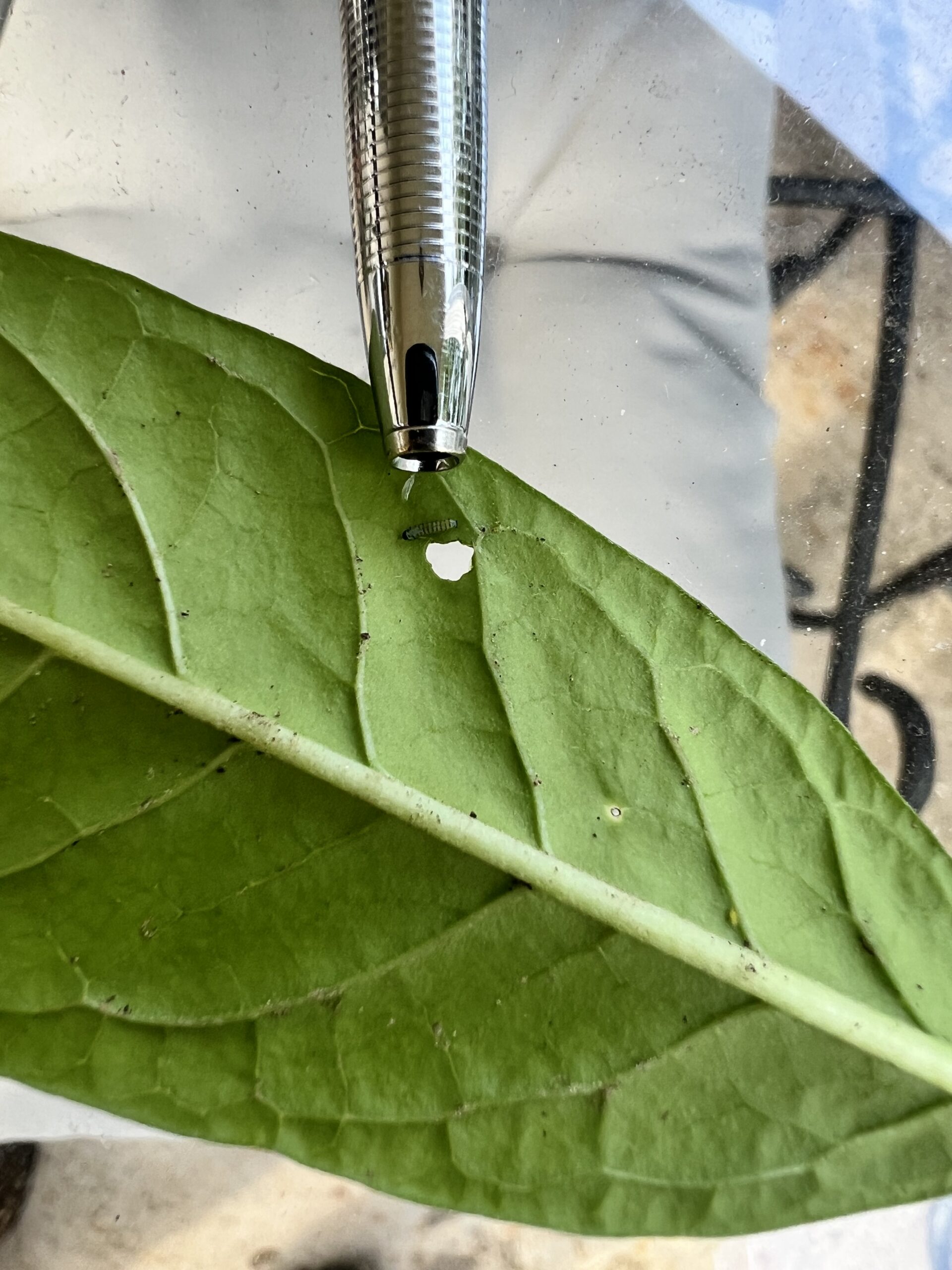
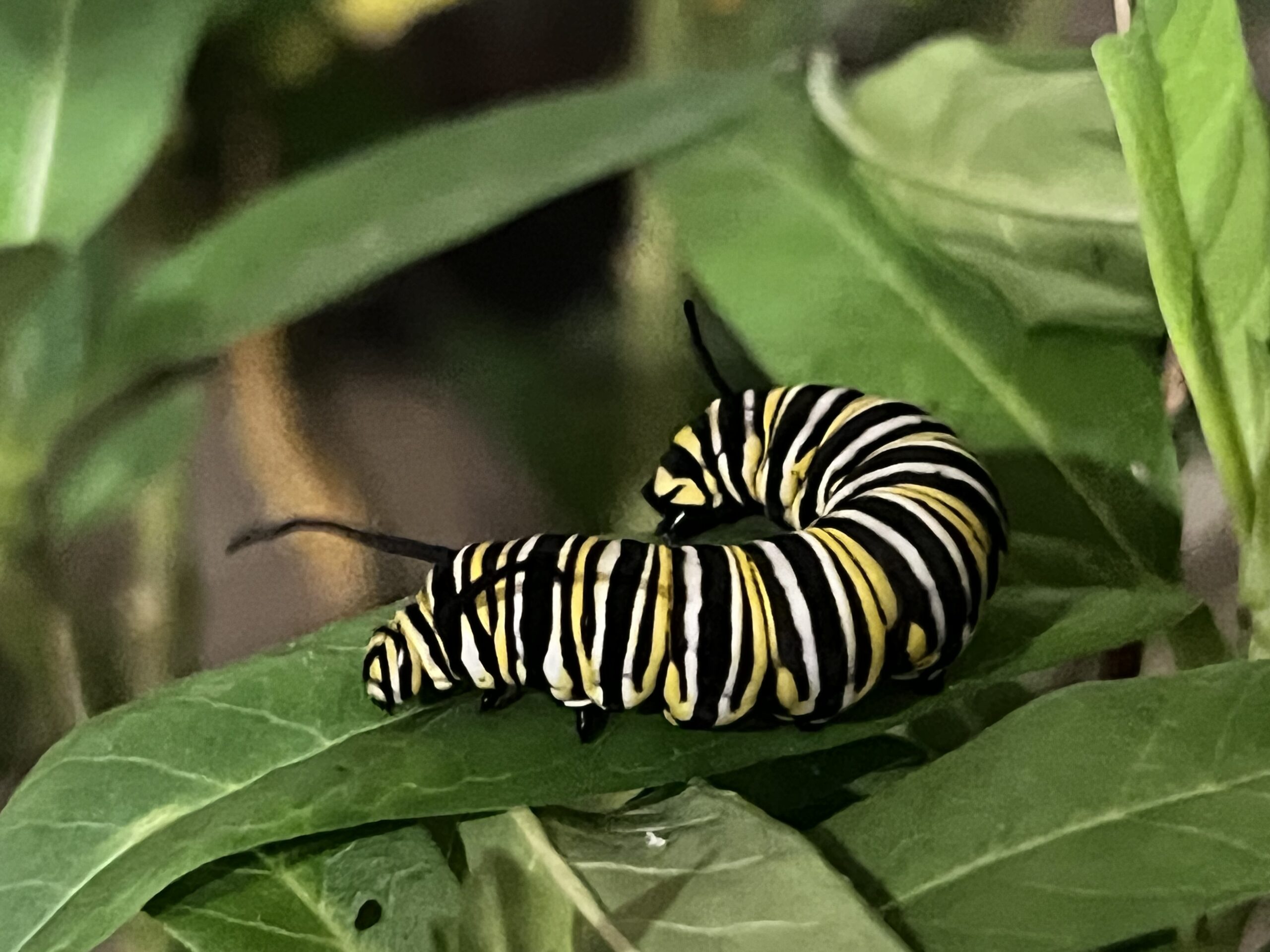
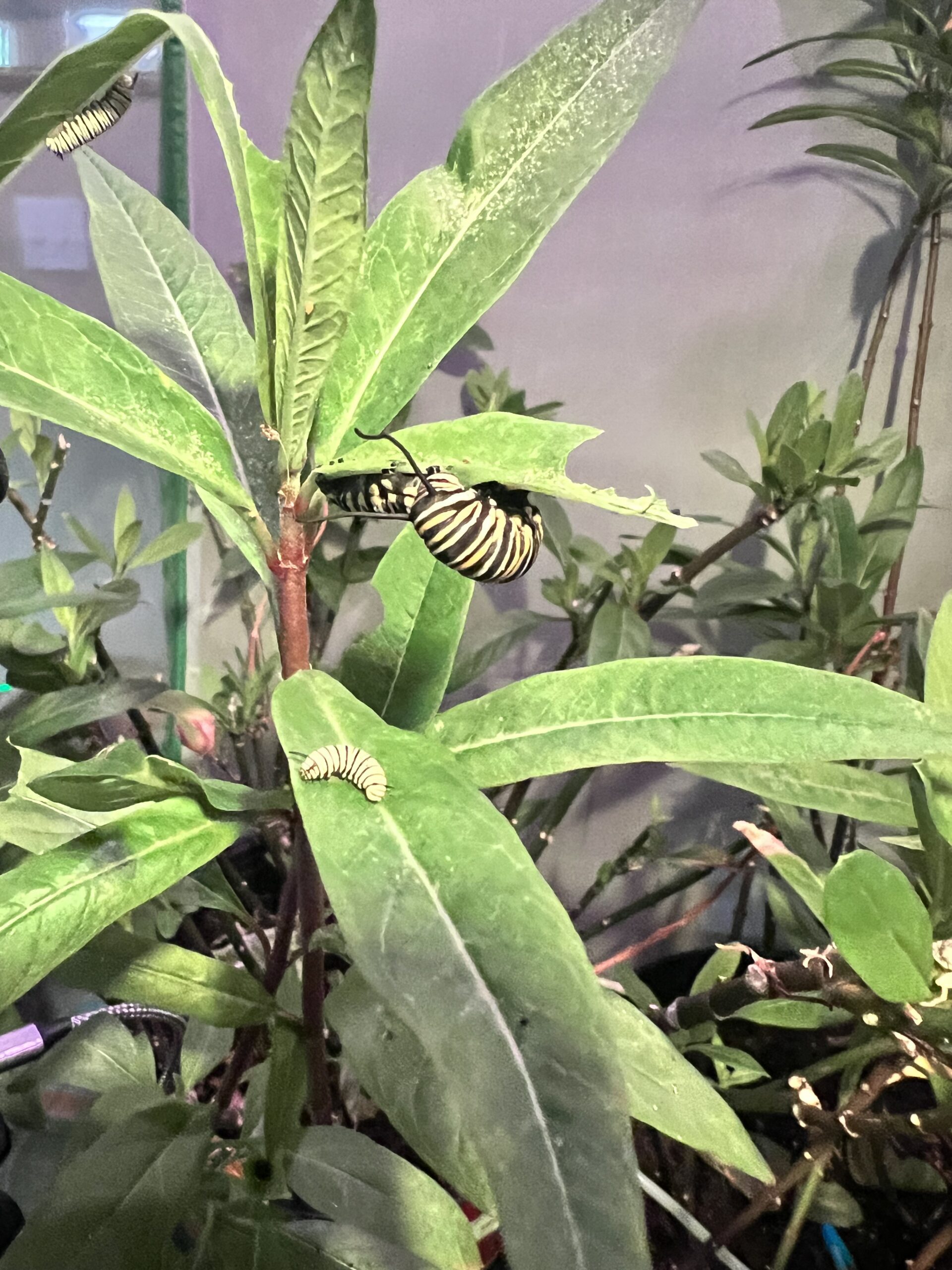
Habitat Two is where the action is. It’s currently home to caterpillars across several different instars, and this afternoon I added two brand-new first instars to the mix — freshly rehomed and already exploring their fresh milkweed. First instars are tiny, almost translucent, and easy to miss if you’re not looking closely, but they’re voracious for their size. Give it a few days and you’ll see the telltale skeletonized leaf pattern that means they’re settling in and eating well.
Keeping this habitat stocked with fresh, living milkweed (rotated in rather than cut) is the priority this week, since the caterpillars at different stages have different appetites and different leaf preferences. The younger ones want tender new growth; the older instars will happily work through tougher, more established leaves.
A Heat-Season Reminder: Keep Those Puddlers Going
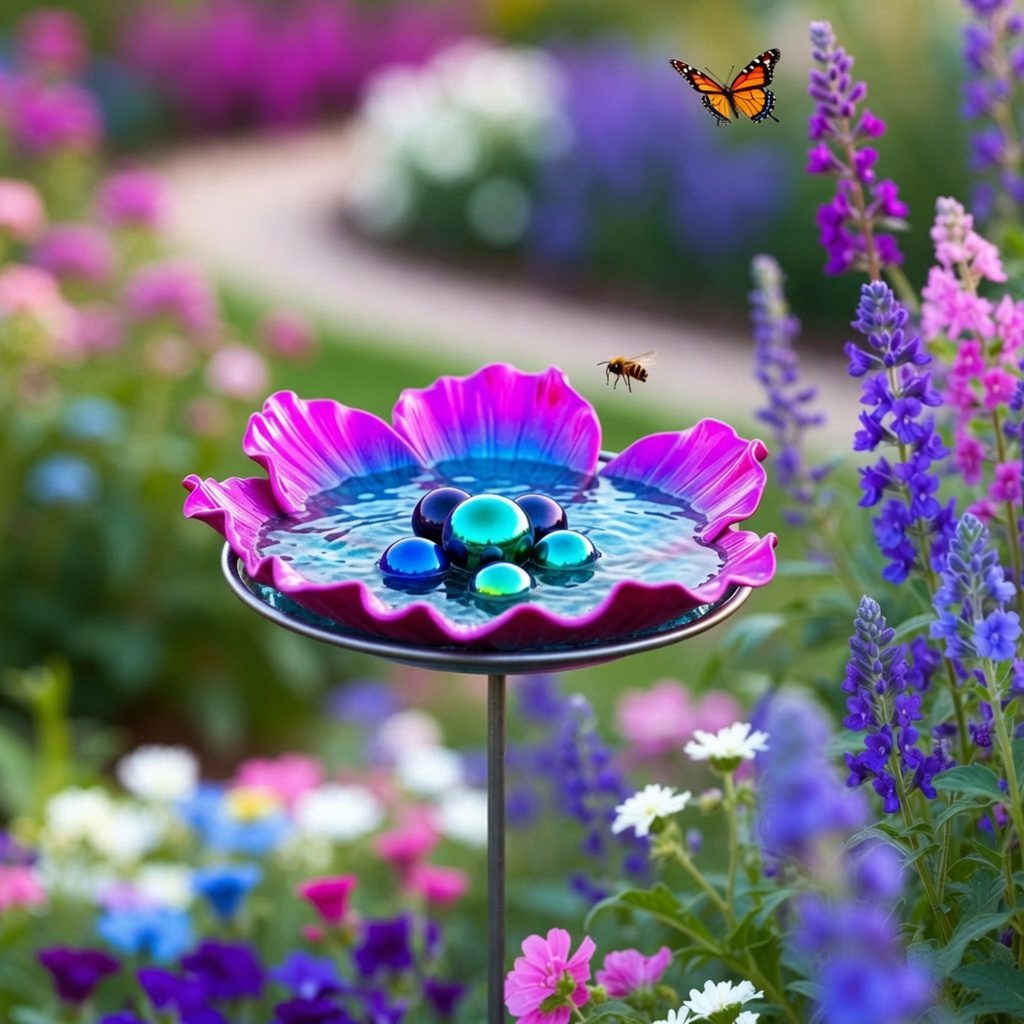
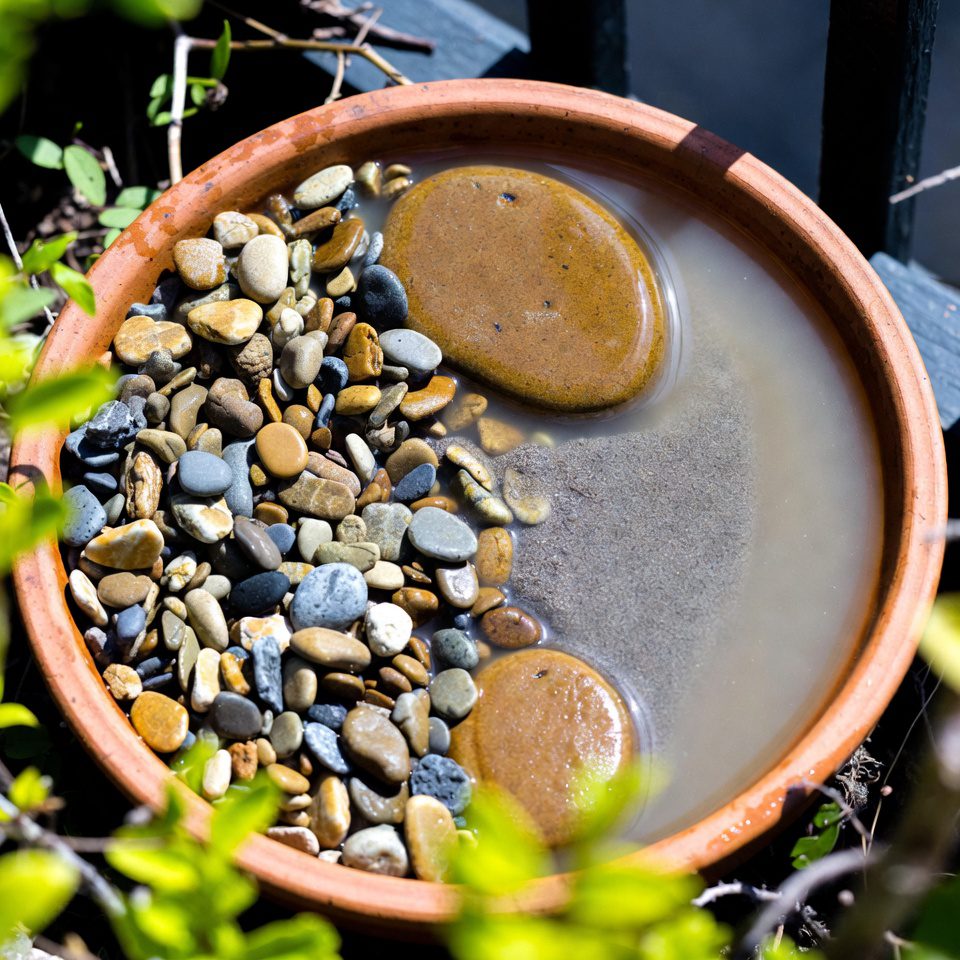
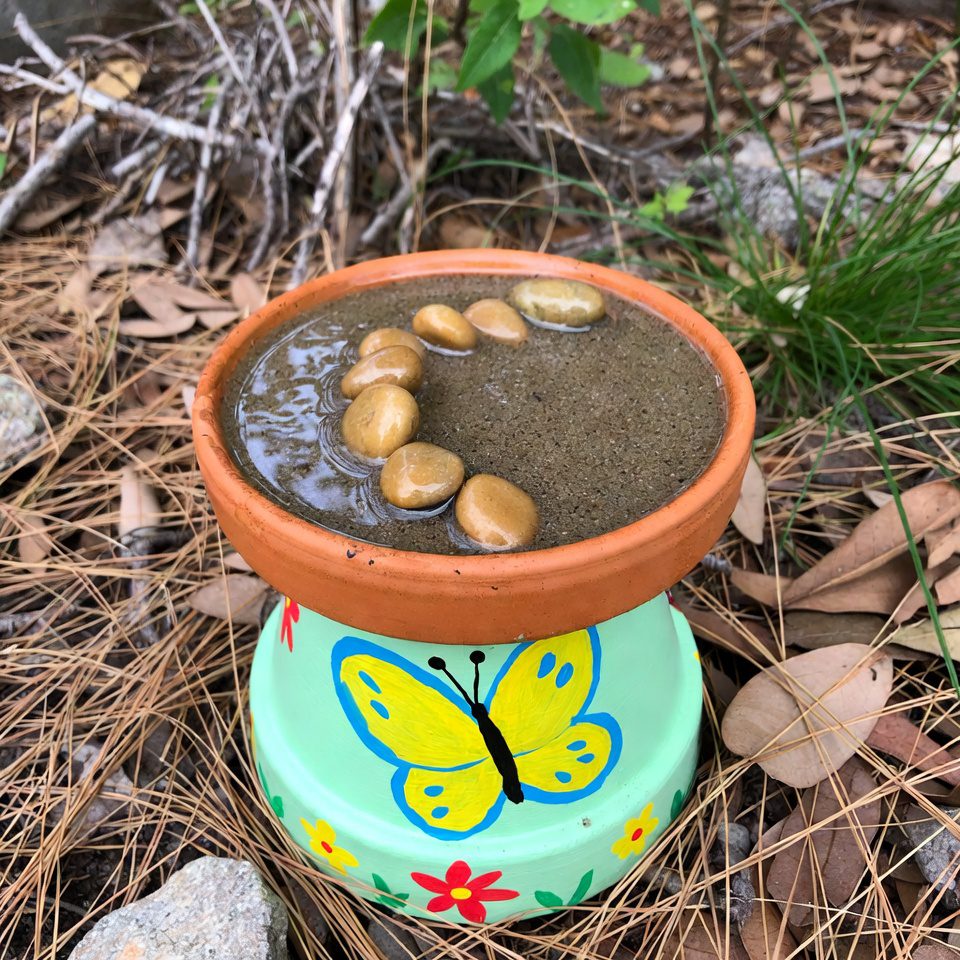
With temperatures where they’ve been lately, this is a good moment to talk about puddlers. If you’re not familiar, a puddler is simply a shallow dish of wet sand, soil, or gravel that gives butterflies and other pollinators a place to take up water and minerals — something nectar alone doesn’t provide. In heavy heat, adult monarchs and other butterflies rely on puddlers even more than usual, both for hydration and for the salts and minerals they need for reproduction.
The catch is that a puddler only helps if it’s maintained. Standing water left too long turns stagnant, invites mosquitoes, and can grow algae or mold — none of which does your pollinators any favors. A few habits keep it working the way it should:
- Refresh the water every day or two in hot weather, since it evaporates and gets fouled faster than you’d expect.
- Dump and rinse the dish regularly rather than just topping it off, to keep algae and residue from building up.
- Keep the sand or gravel damp, not flooded — butterflies want a moist perch to land on and probe, not a puddle to wade through.
- Site it in a sunny, sheltered spot near the garden so it’s easy for pollinators to find and easy for you to check often.
It’s a small piece of upkeep, but in this heat it makes a real difference for who visits the garden — and it’s one more thing worth adding to the rotation alongside the milkweed and habitat checks.
What’s Next
We’ll keep watching the gardens — both the milkweed beds and the pollinator garden — for more eggs and caterpillars as this wave continues, and keep those puddlers fresh while the heat holds on. Habitat One’s chrysalis will start moving toward eclosion in the coming days, and Habitat Two will keep needing fresh milkweed and a close eye on those newest first instars.
As always, it’s a balancing act between two habitats running on two very different timelines — but that’s part of what makes this work so satisfying.
Flutter and Float with the Monarchs
Wrangle the Wonders