April 26, 2026 Weekend Habitat Update: Monarch Releases, Emerging Chrysalises, and Sustained Garden Stewardship
This weekend featured the release of ten healthy monarch butterflies, continued chrysalises emergence, and practical guidance on maintaining both the milkweed butterfly garden and the broader pollinator habitat amid variable spring conditions.
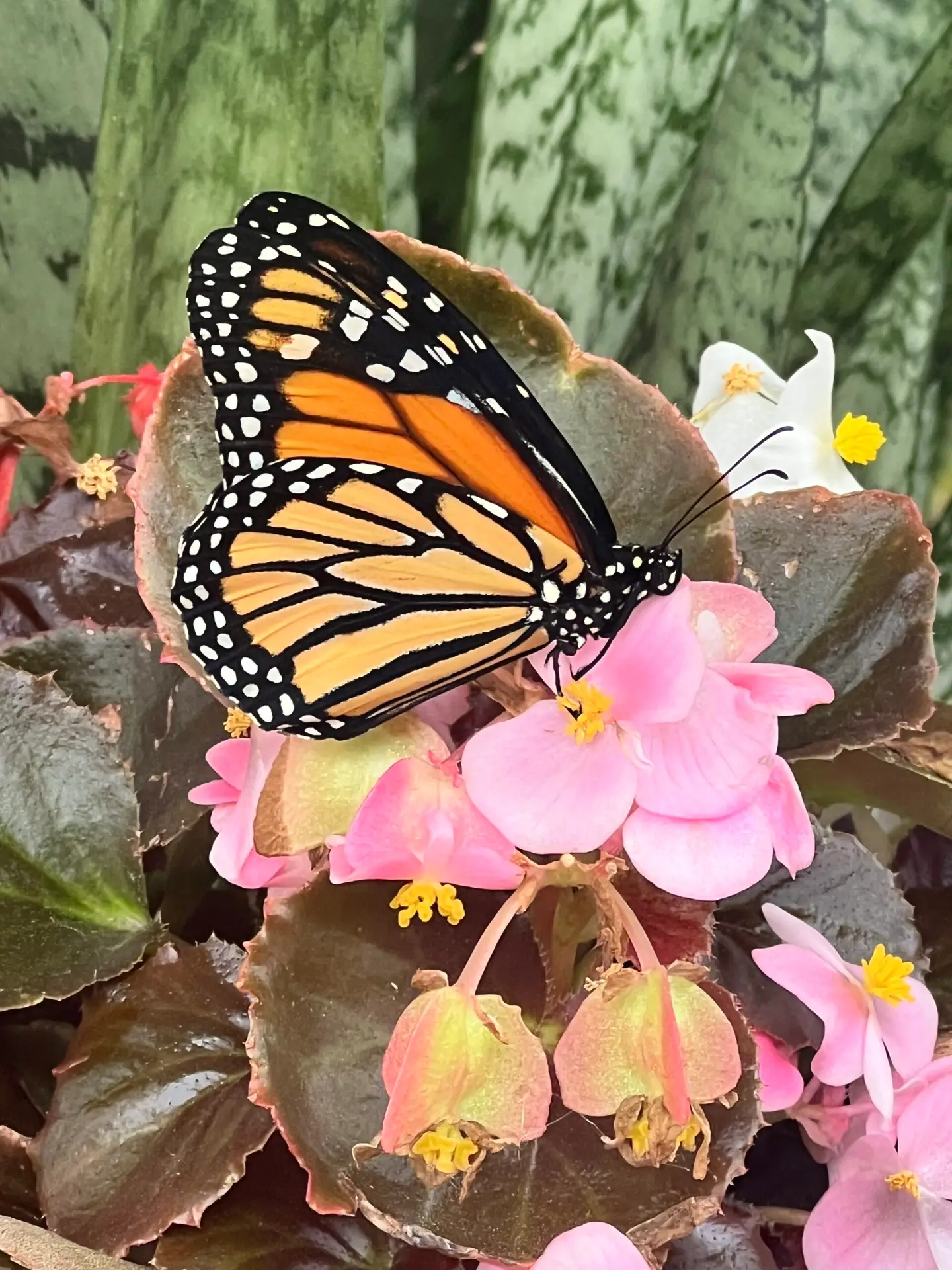
The 2026 monarch wave continues its dynamic progress through Northwest Louisiana. On Saturday, we released another ten healthy adult monarch butterflies—three males and seven females—into nature. These individuals appeared vigorous and well-formed, ready to contribute to the ongoing migration and breeding cycle.
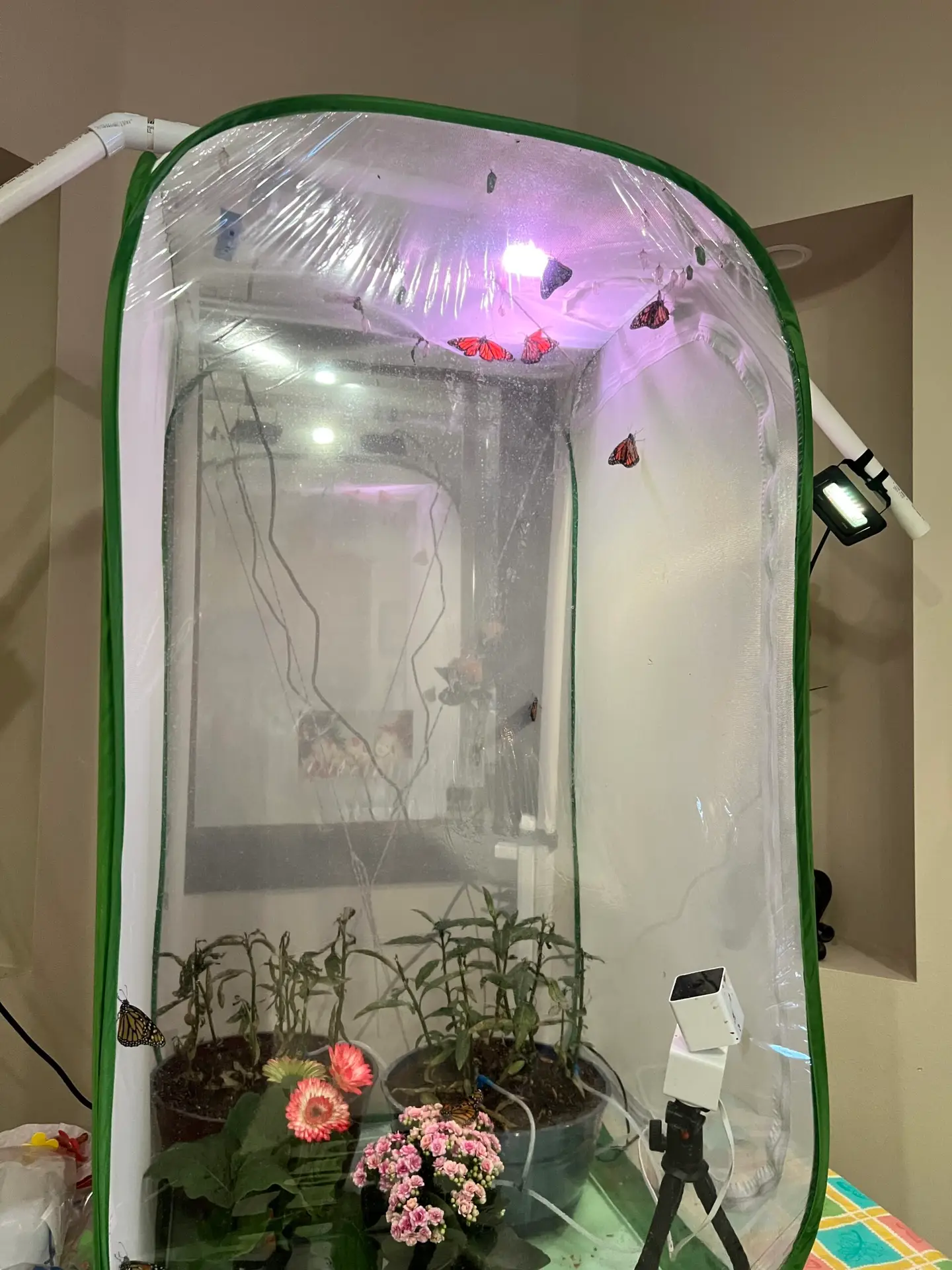
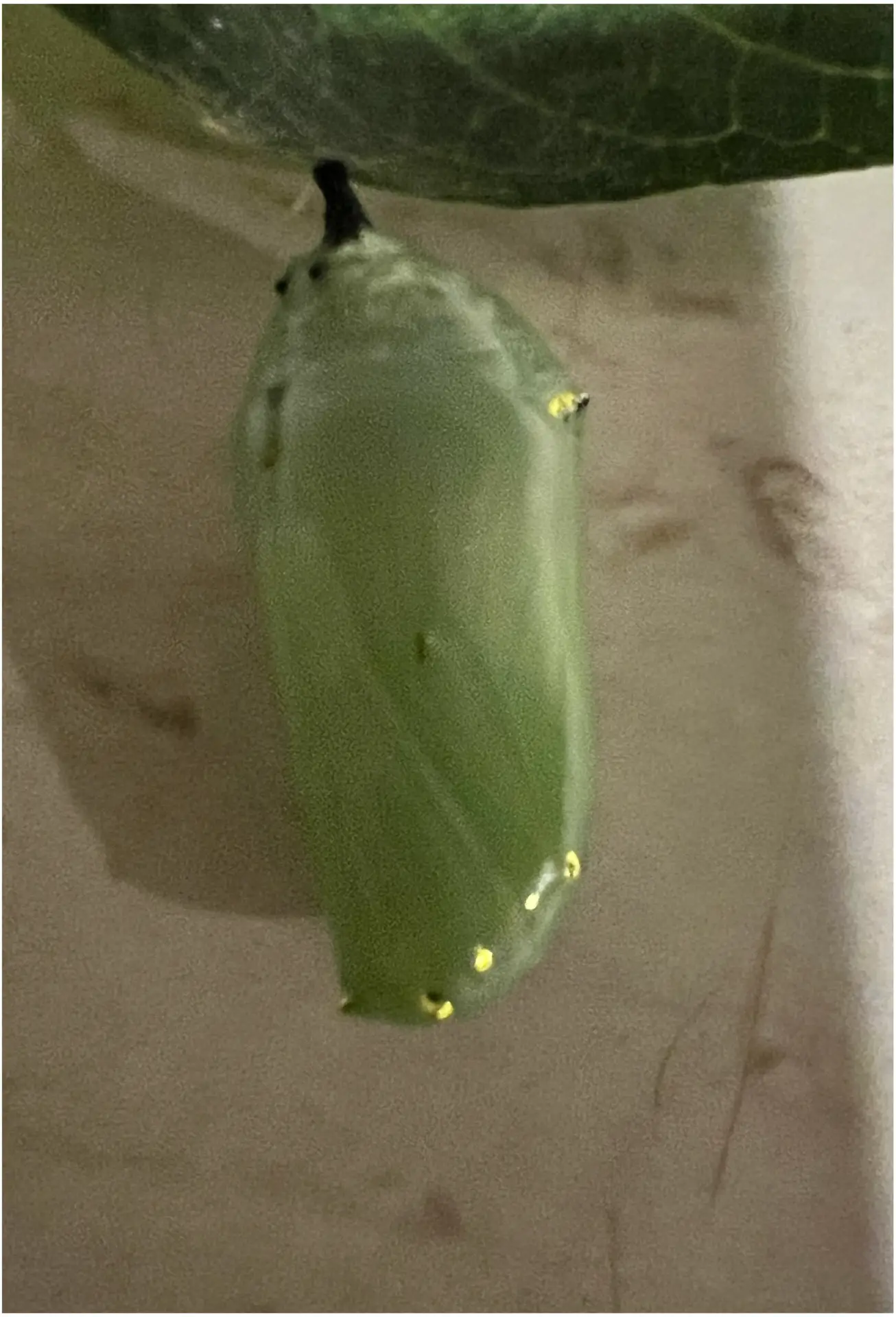
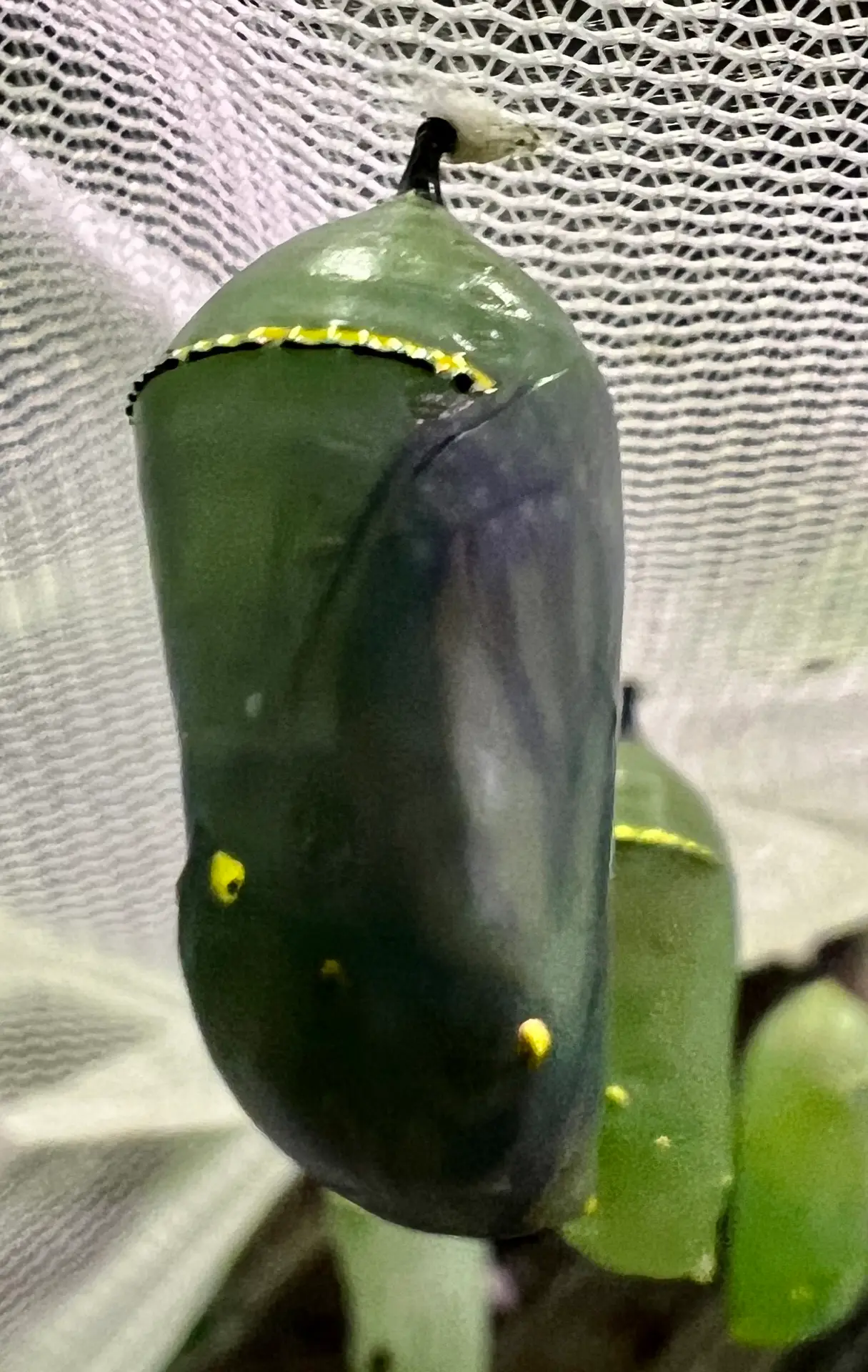
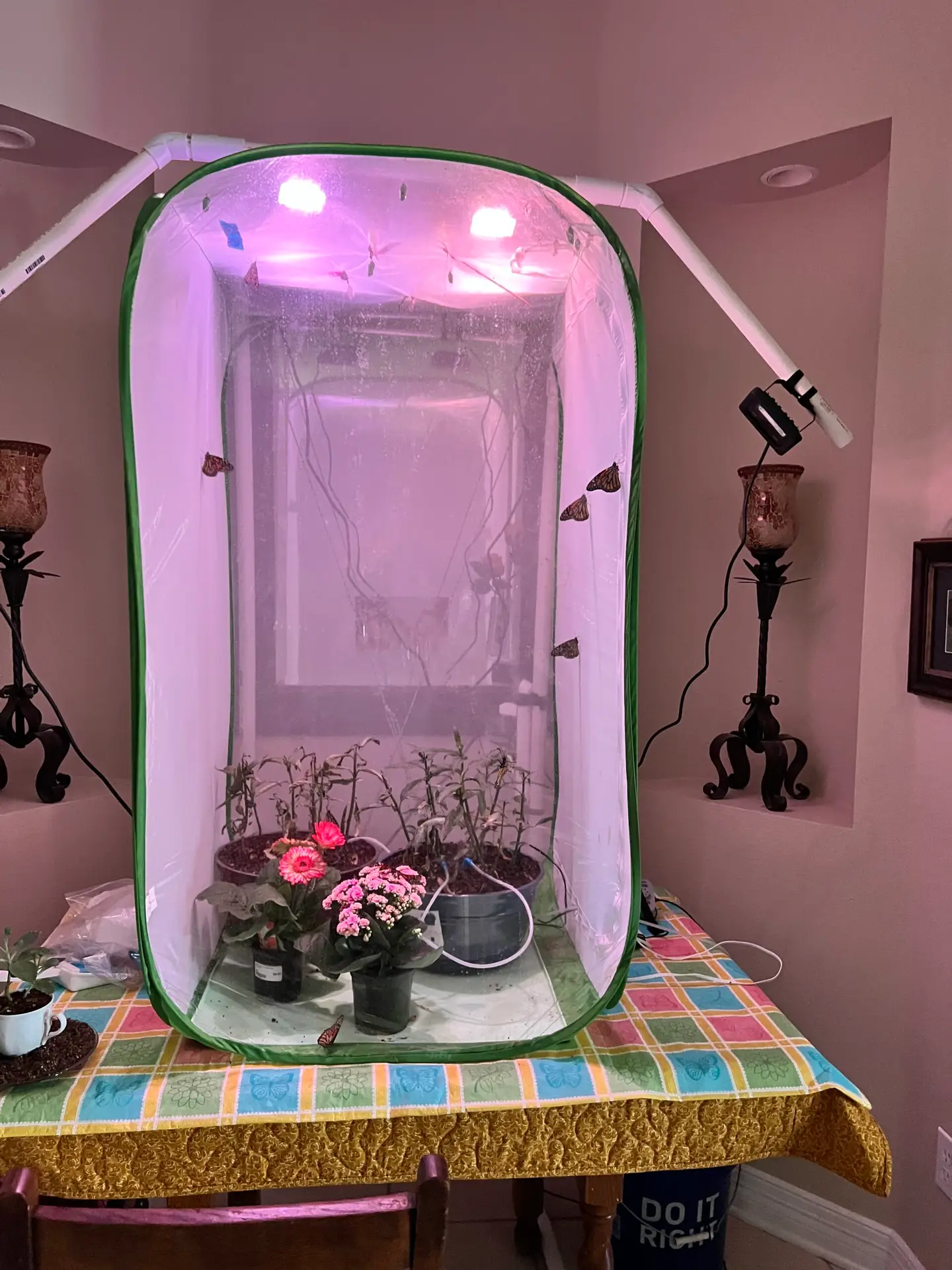
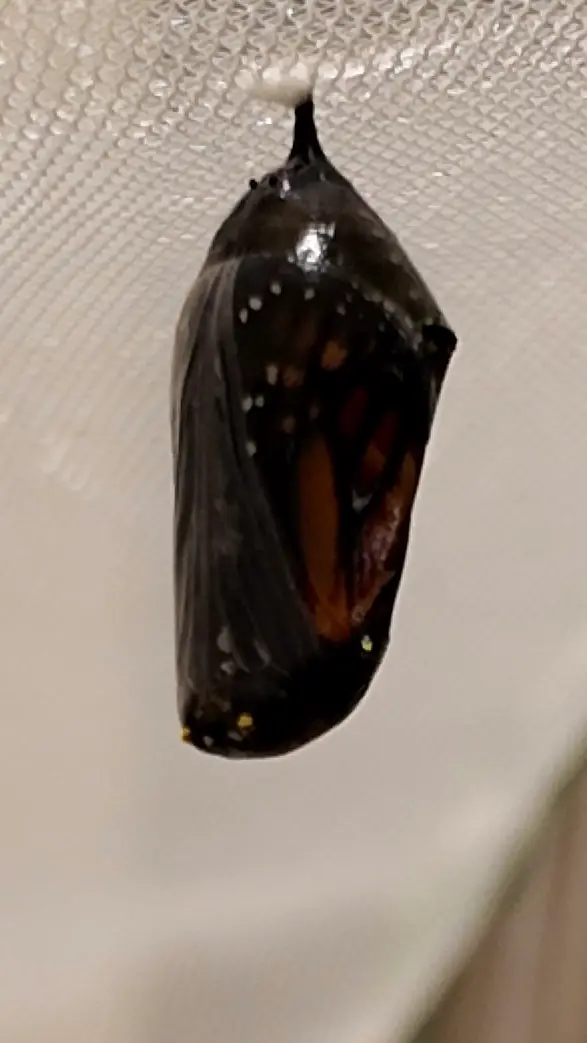
We currently maintain four chrysalises in the rearing area, three of which are scheduled to emerge today. I will monitor their progress closely and provide an update on the new adults once they have eclosed and hardened their wings.
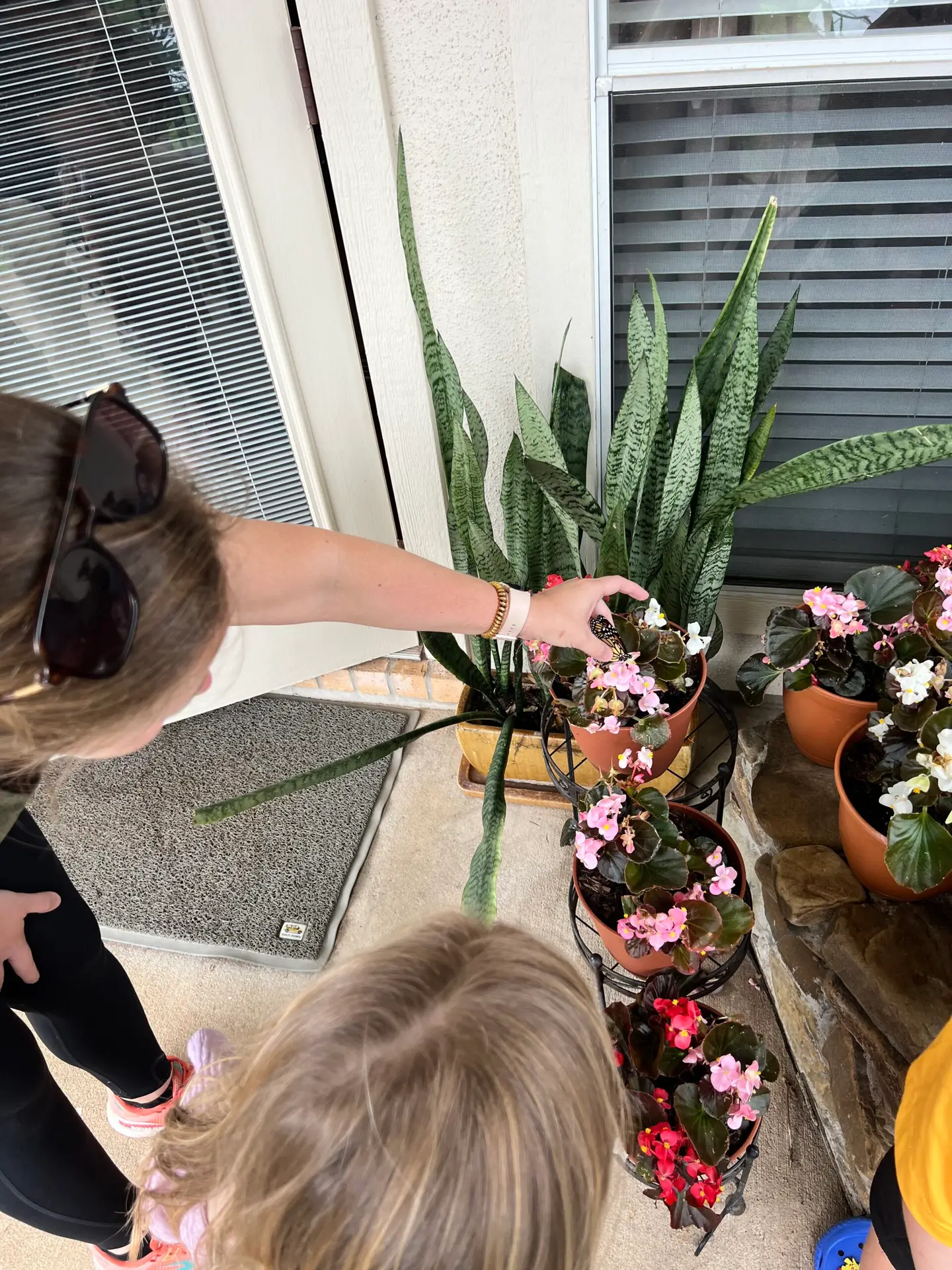
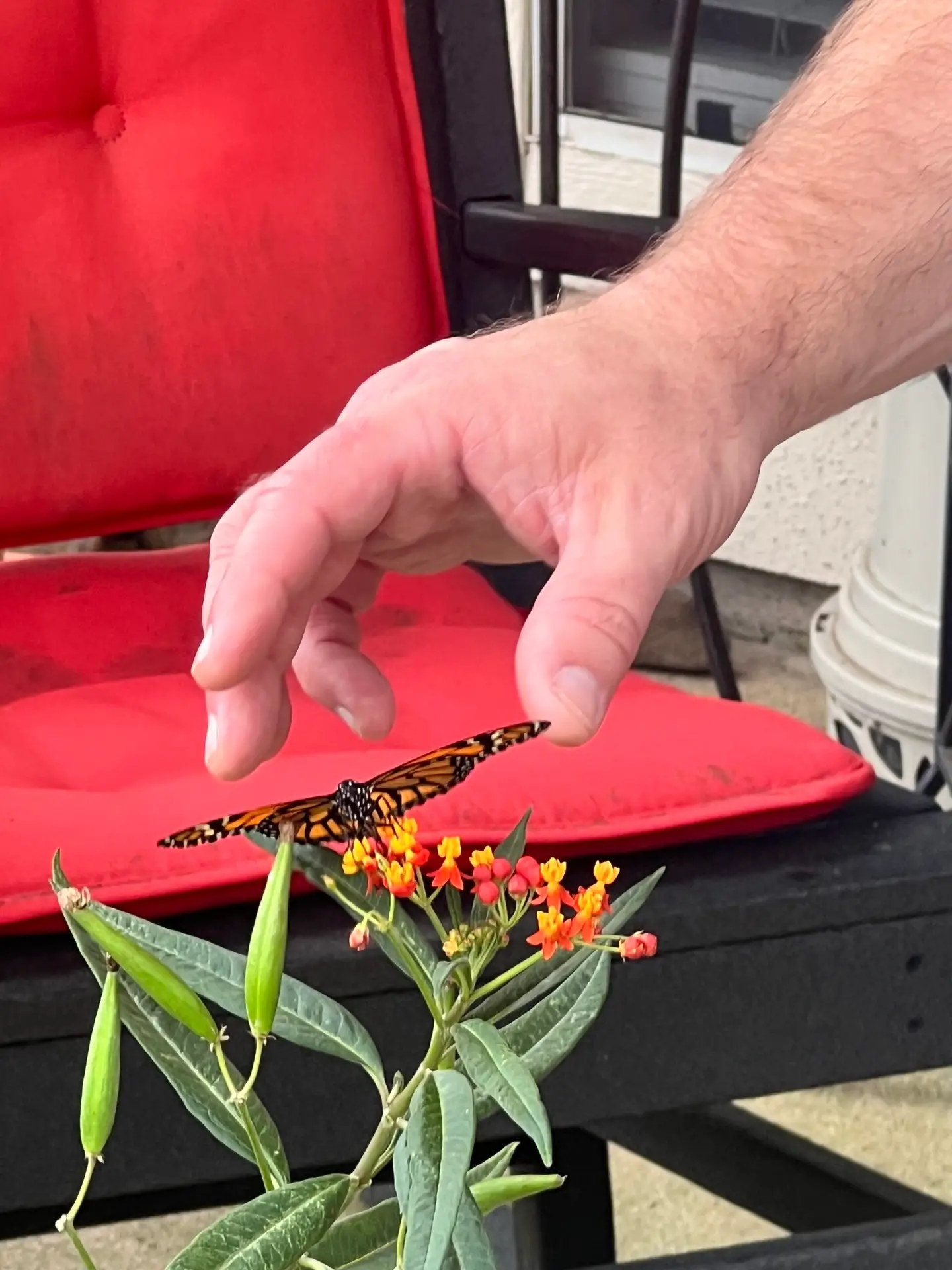
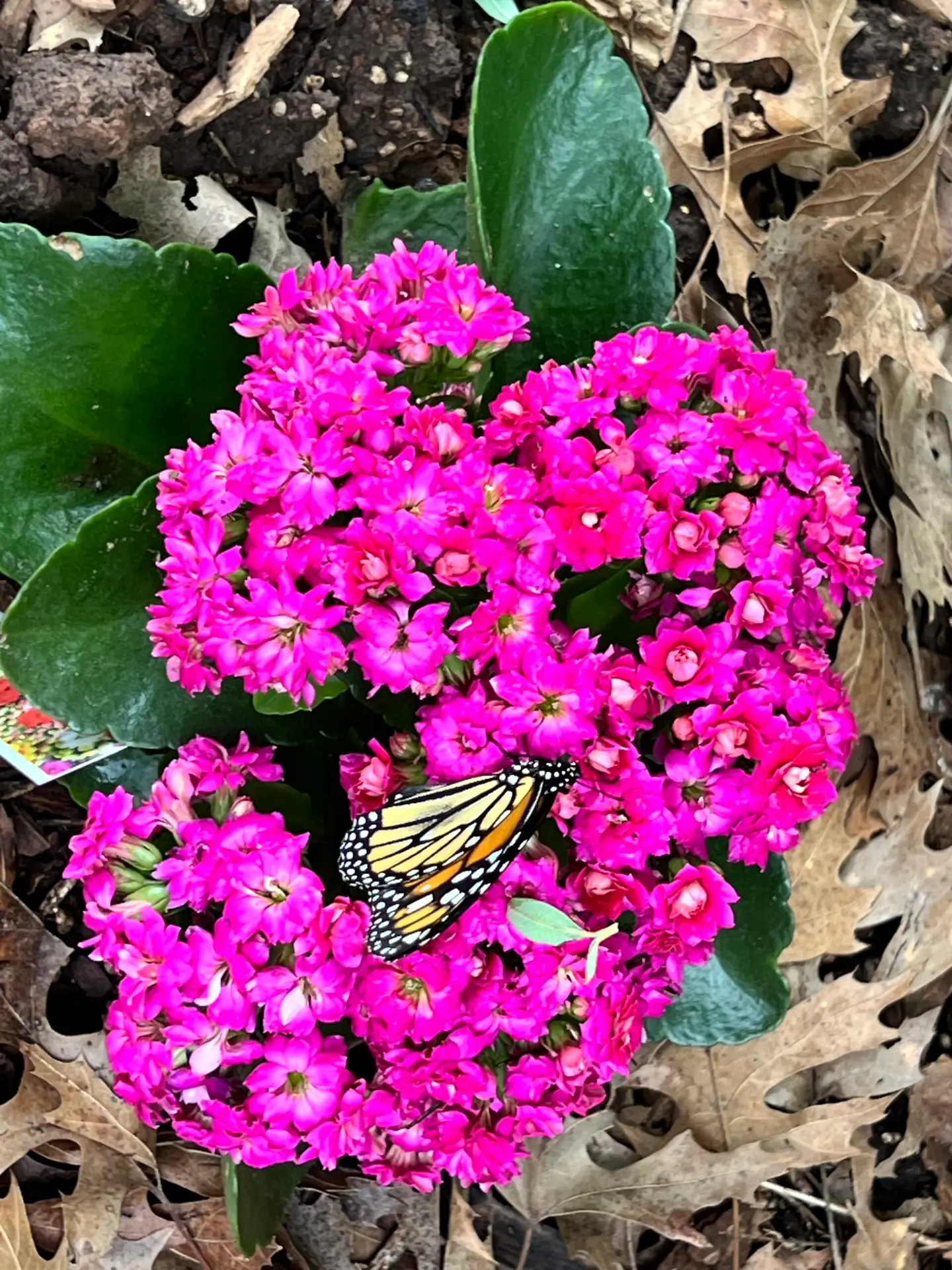
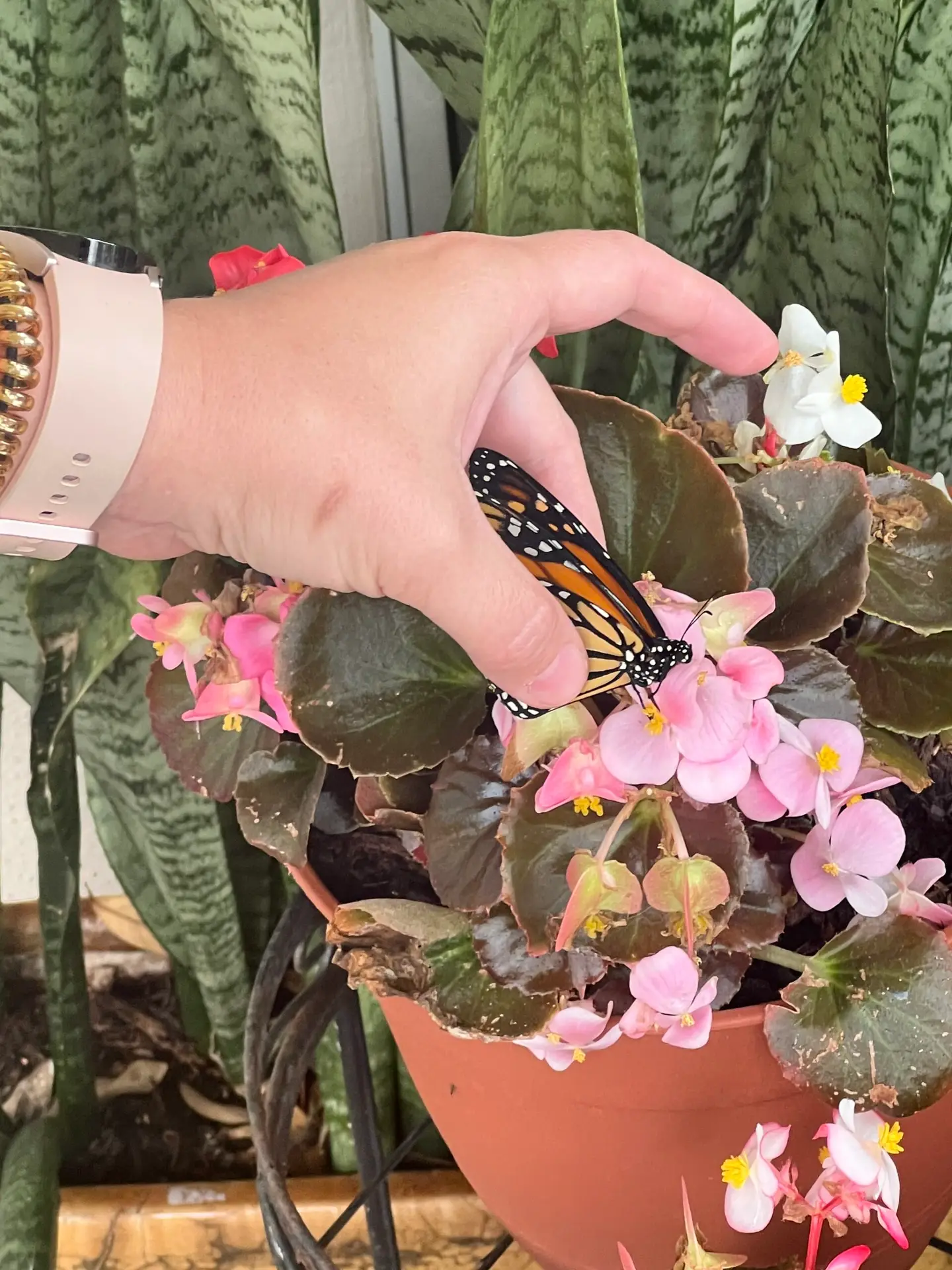
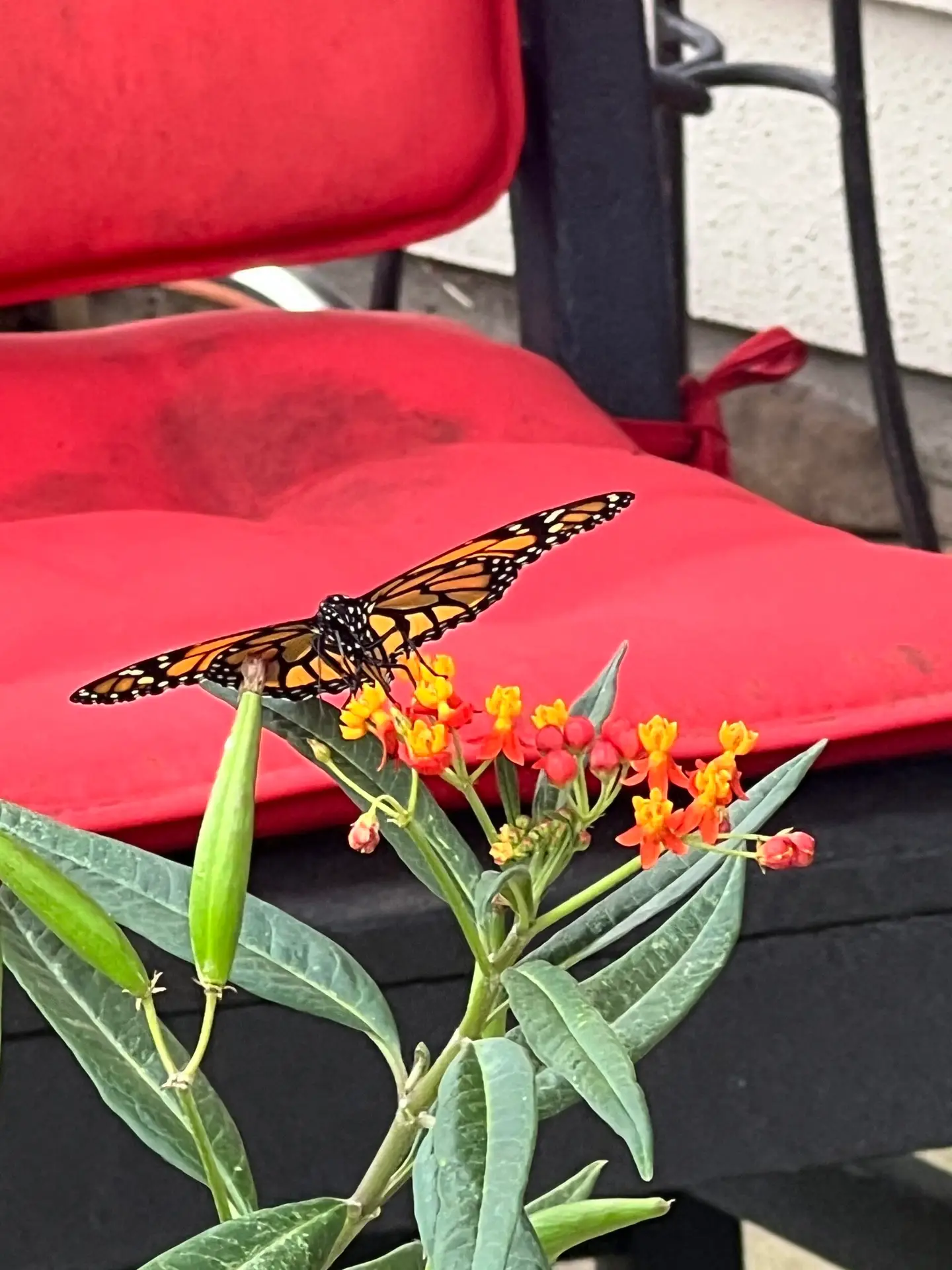
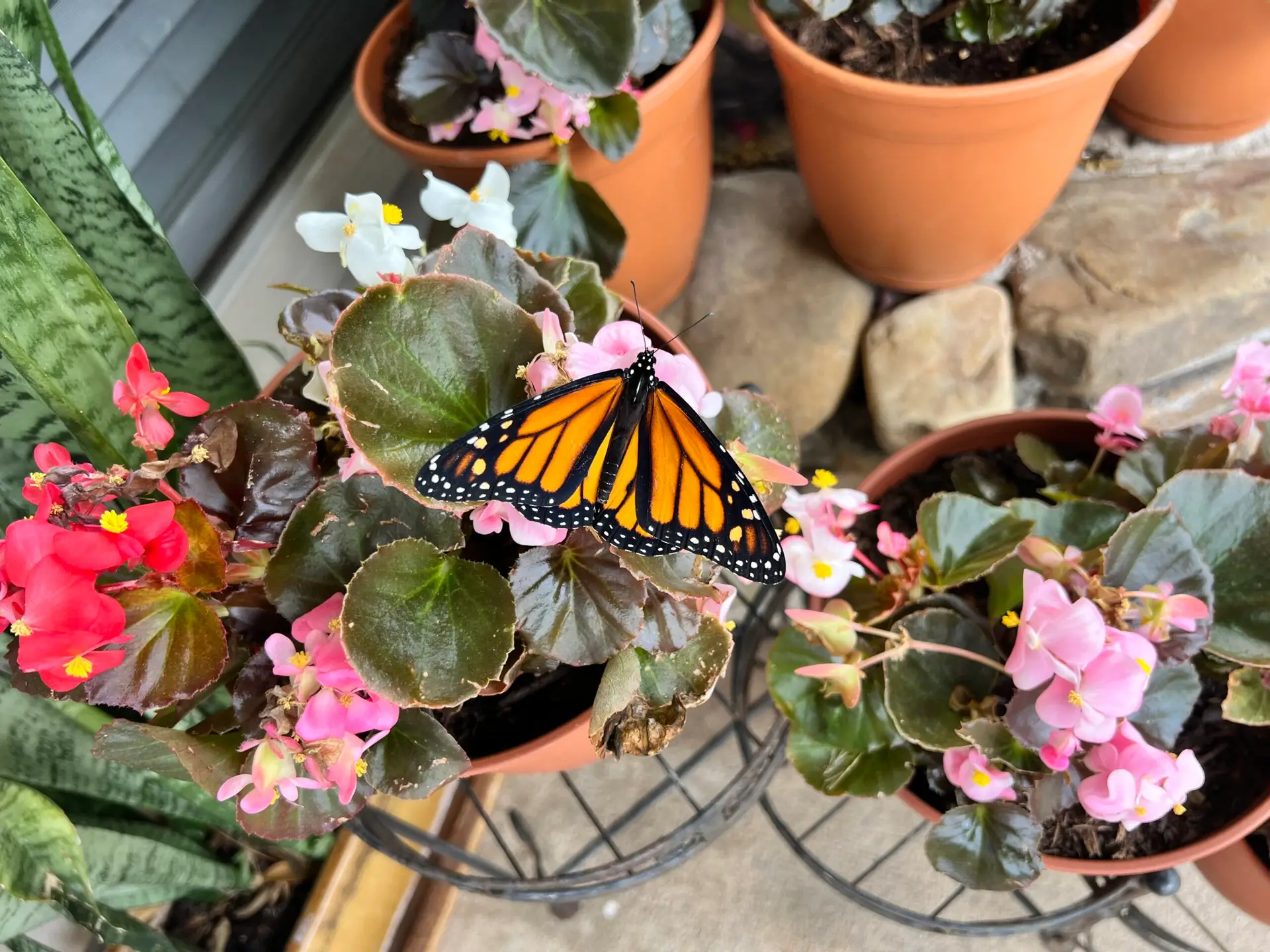
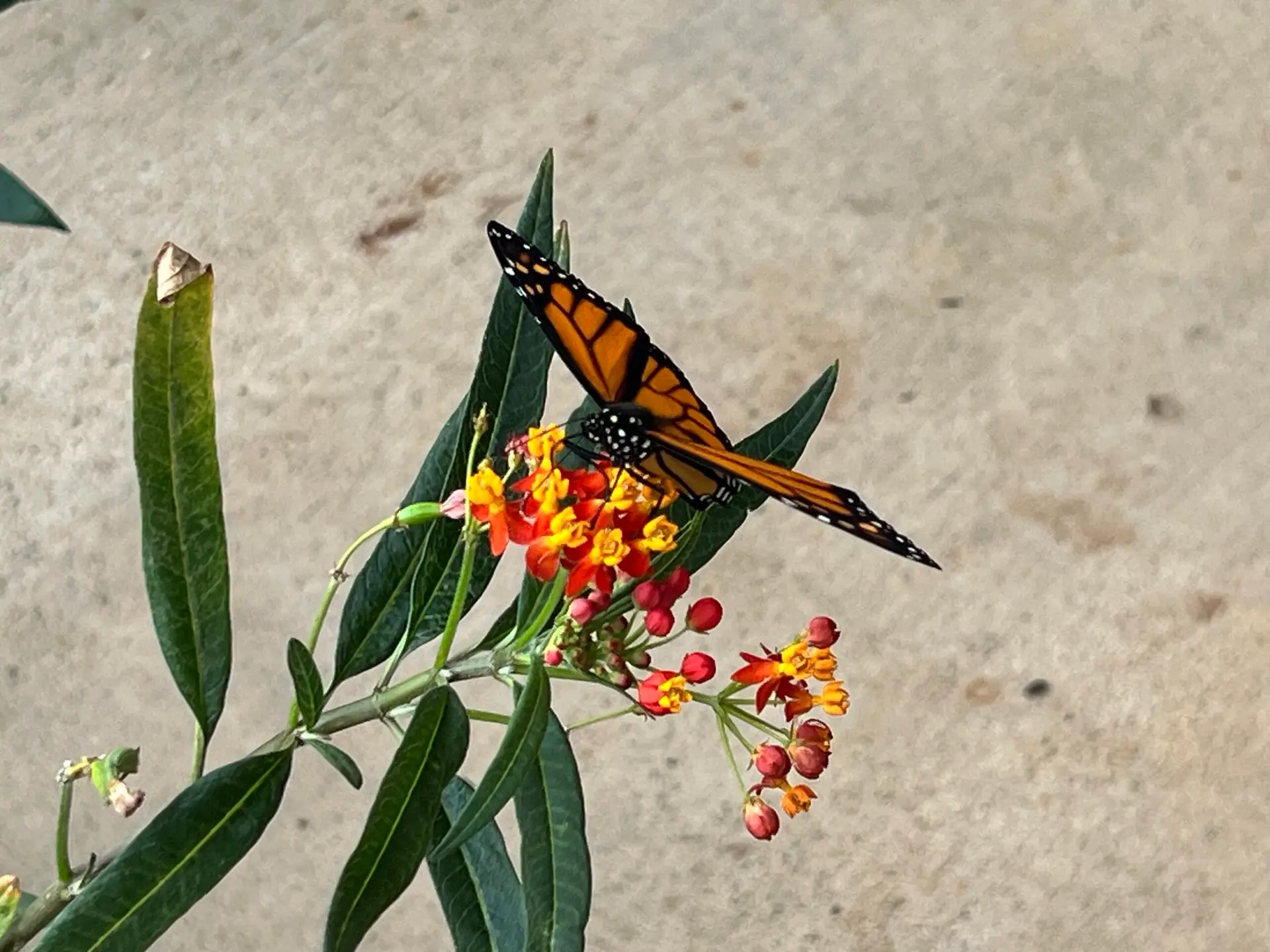
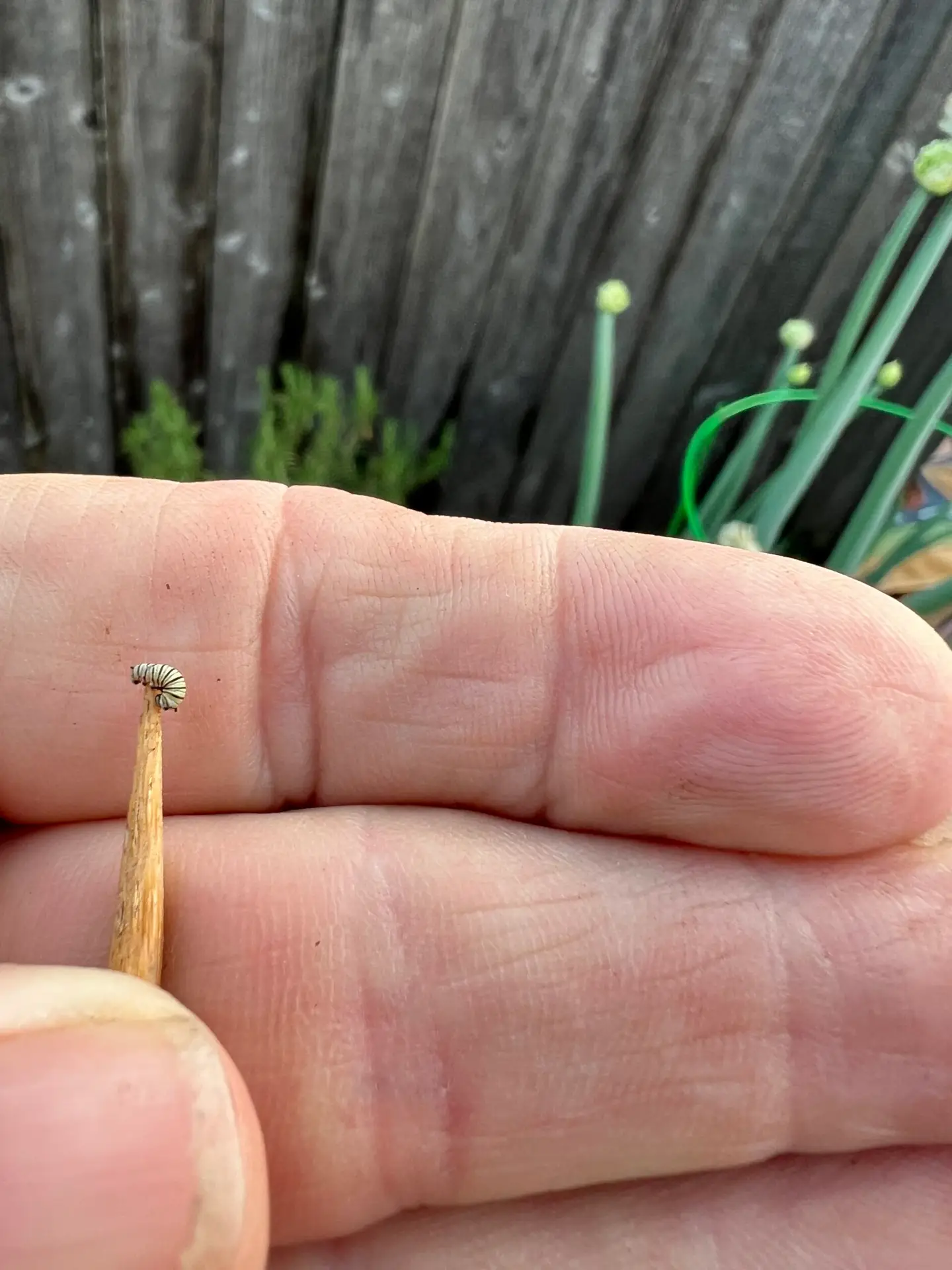
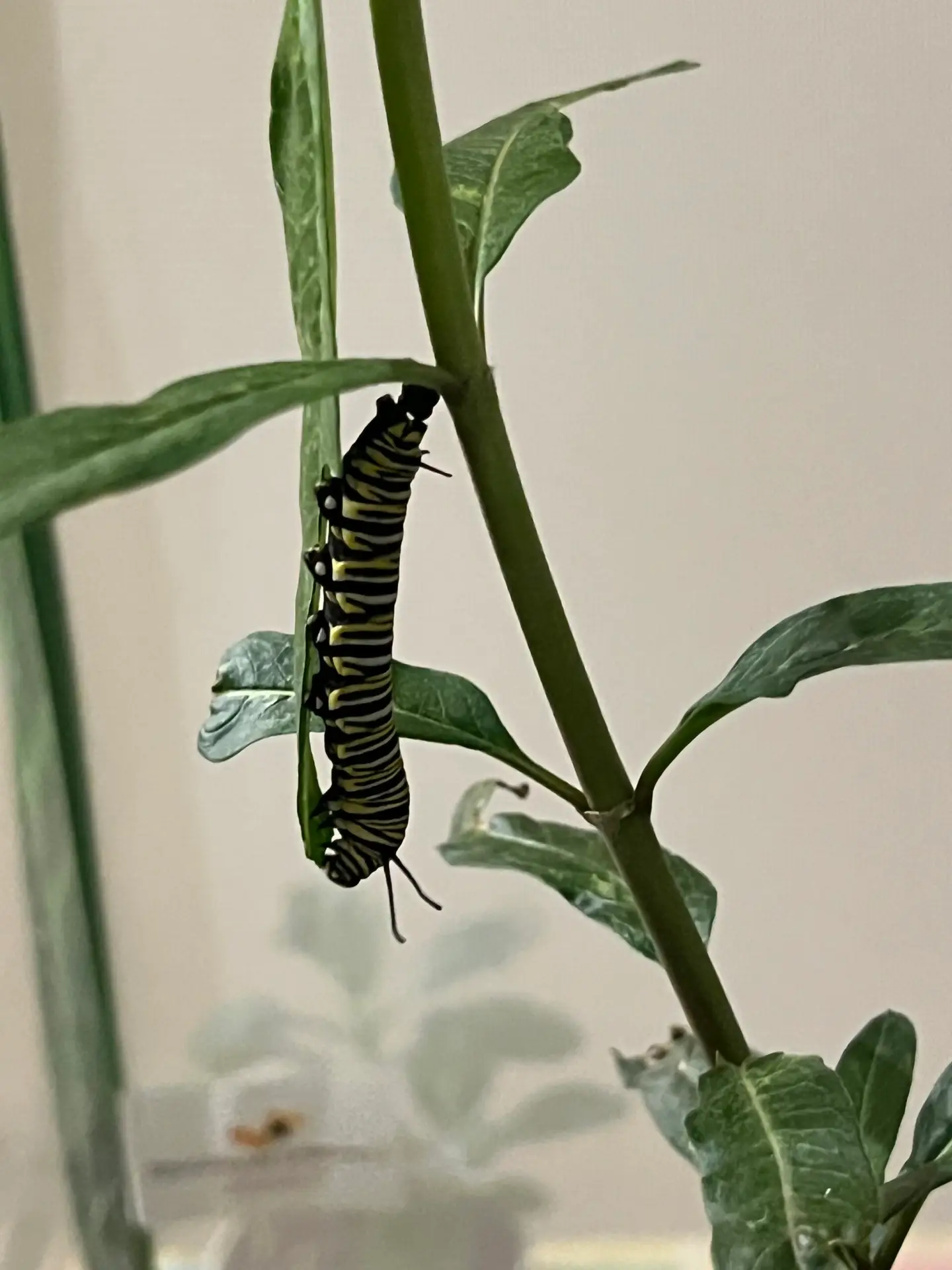
Throughout the garden, I continue regular patrols, carefully collecting eggs and caterpillars as I find them to support their development under controlled conditions. The spring migration remains strong overall; however, the recent cool front and associated severe storms appear to have temporarily interrupted the northward flow. Such weather events are natural occurrences that can influence timing and numbers, yet the resilience of the monarch population is evident in the sustained activity we are observing.
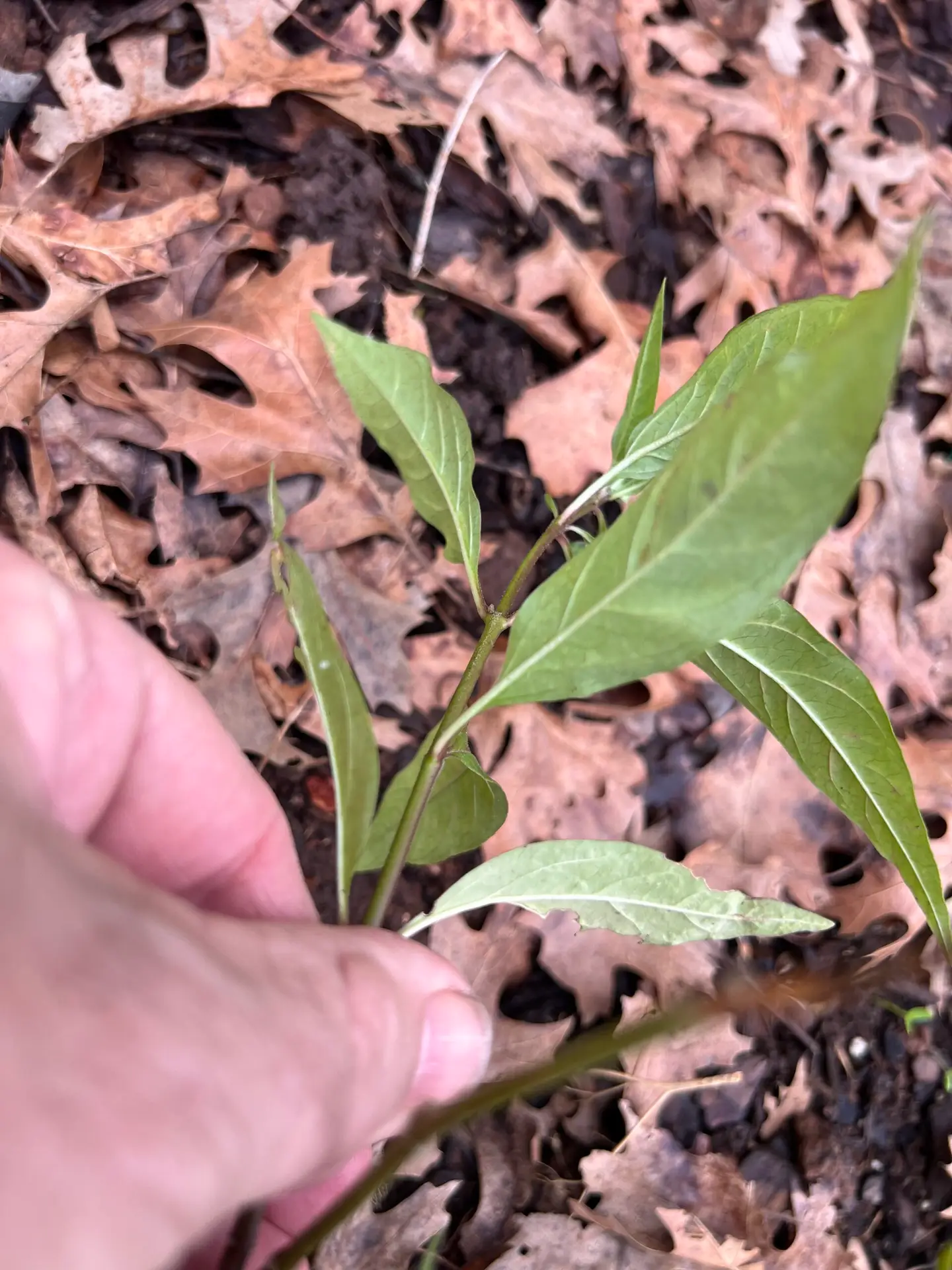
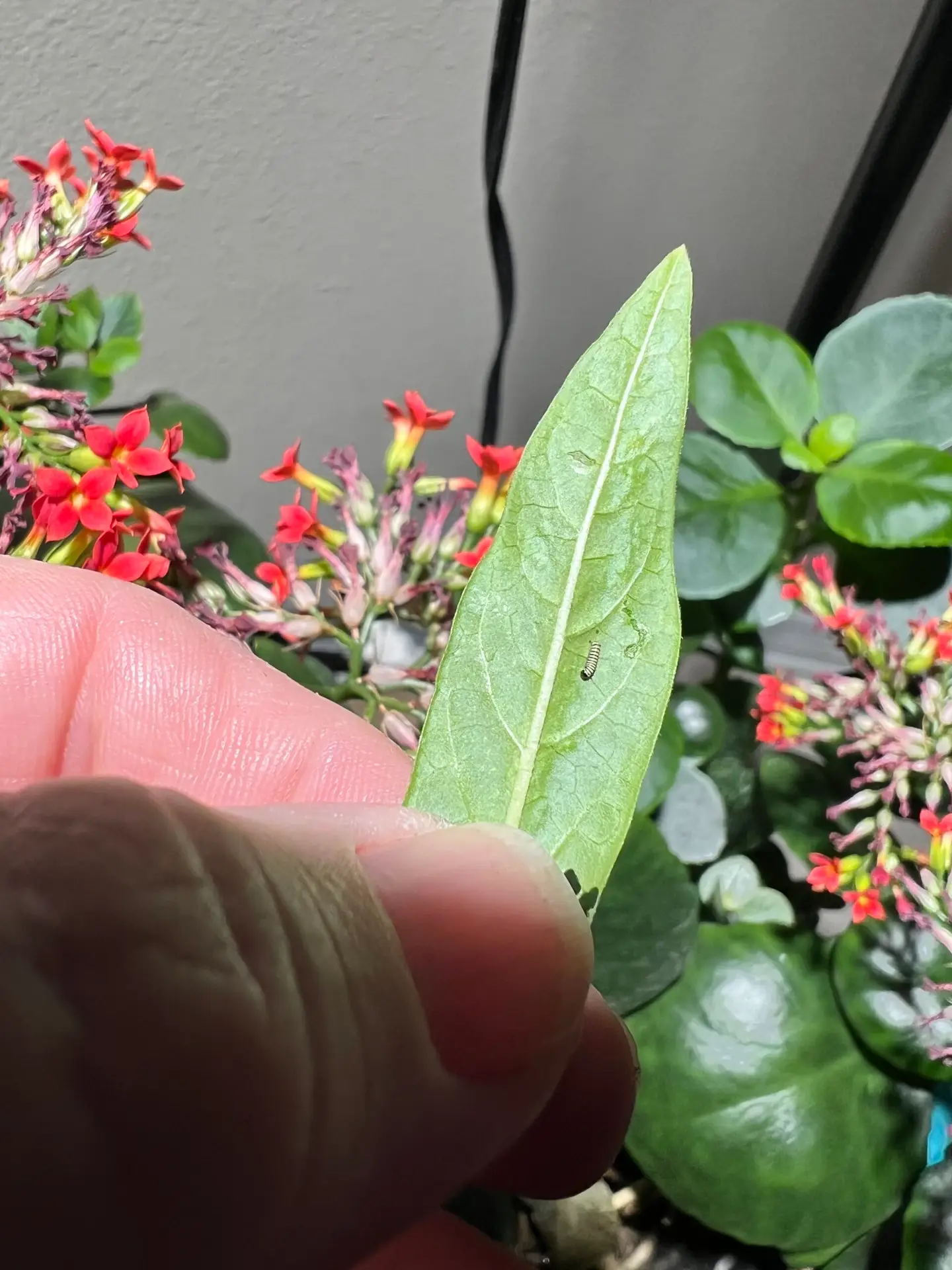
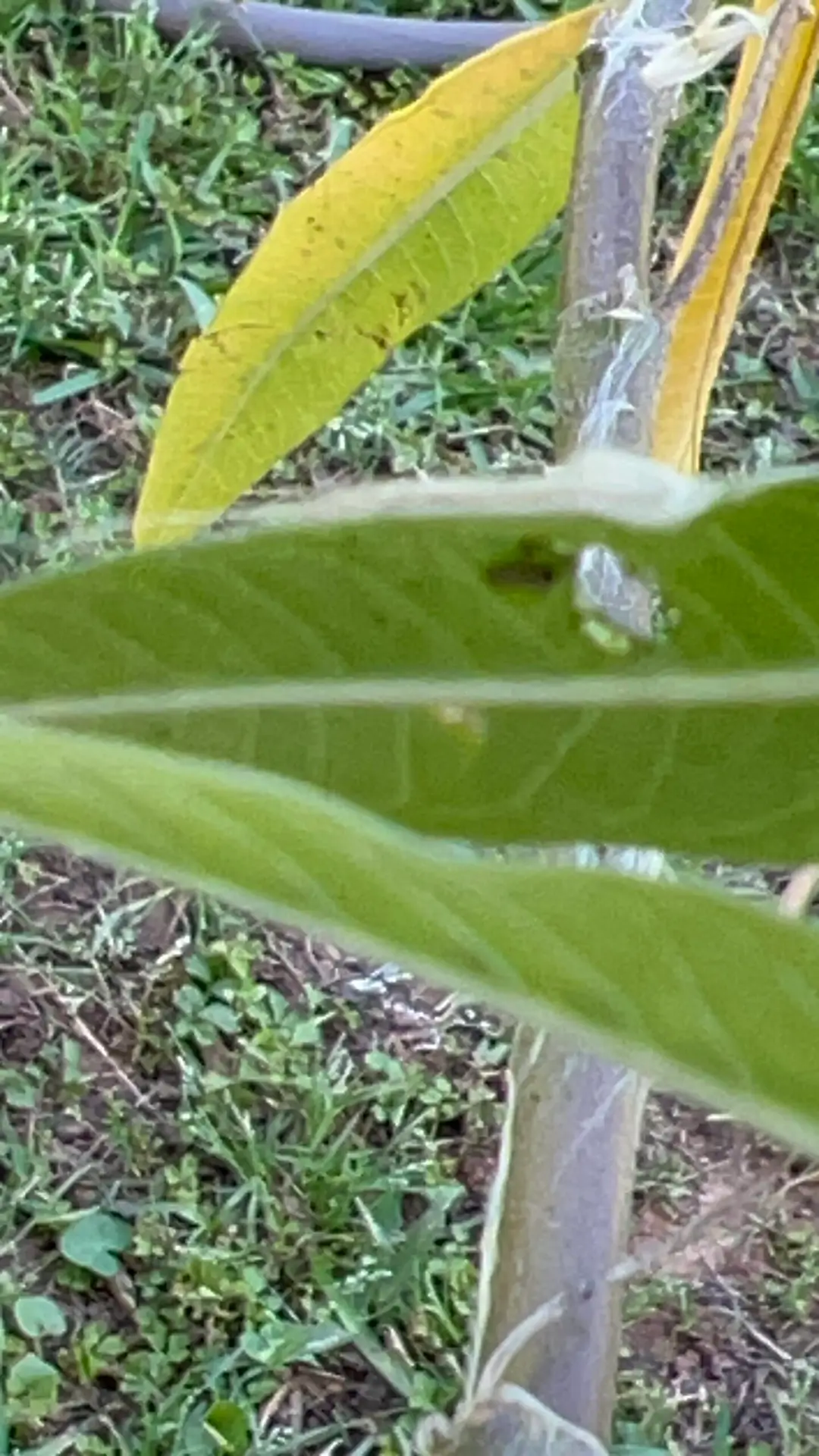
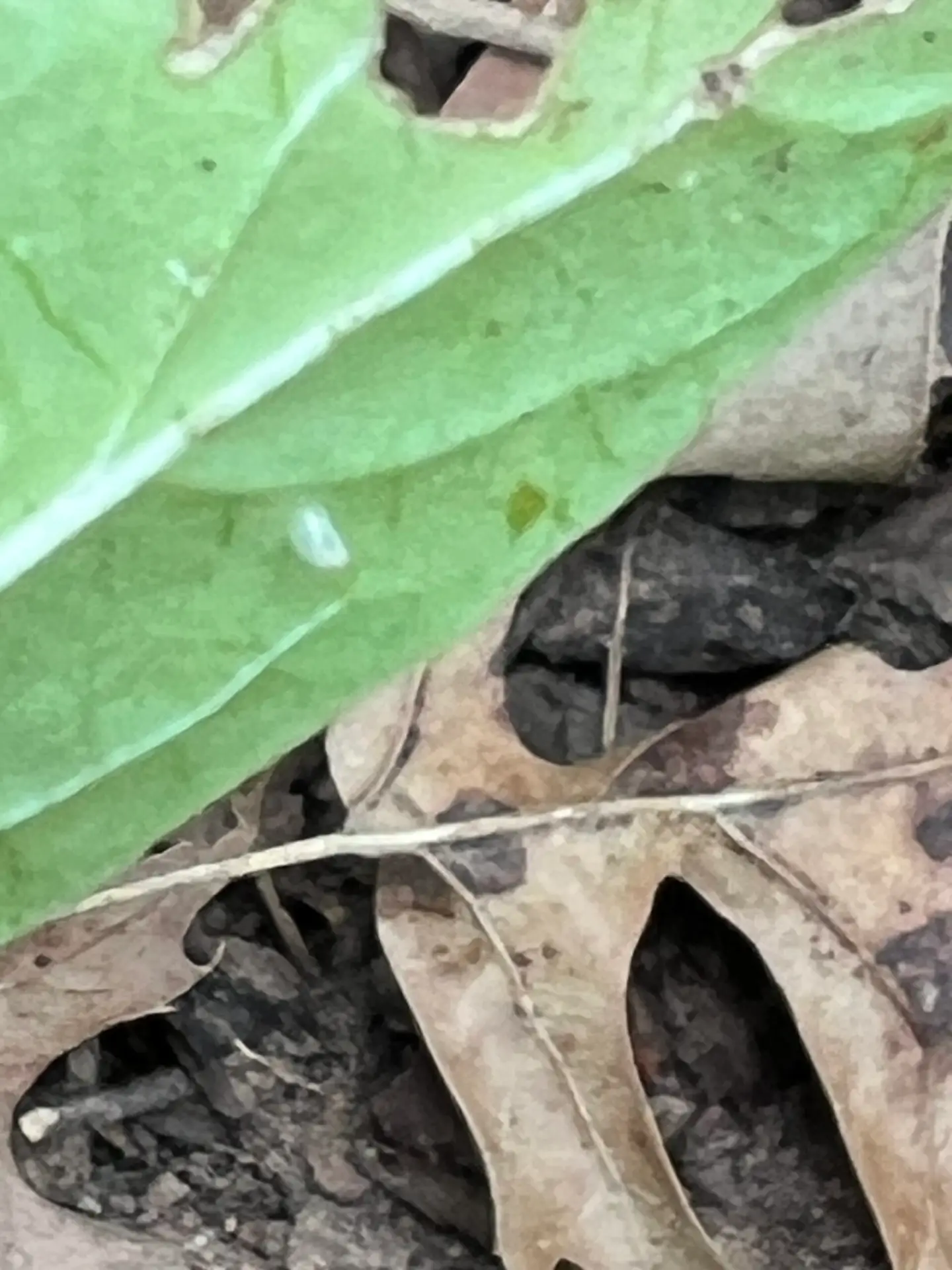
Continual Care for the Butterfly (Milkweed) Garden and Pollinator Garden
Sustaining a thriving monarch habitat requires consistent, year-round attention beyond the peak migration months. The milkweed garden serves as the essential host plant foundation, while the pollinator garden provides complementary nectar sources that support monarchs, bees, other butterflies, and a wide array of beneficial insects.
Key practices for ongoing stewardship include:
– Plant Selection and Maintenance: Prioritize native milkweed species suited to our regional climate and soil conditions. Ensure adequate spacing, full sun exposure, and well-drained soil. Apply mulch around the base of plants to retain moisture, suppress weeds, and create a visible contrast that helps monarch females locate host plants.
– Pest and Disease Management: Monitor for aphids and other common pests, employing gentle, non-chemical methods such as targeted water sprays or encouraging natural predators. Avoid all synthetic pesticides, which can harm monarch eggs, larvae, adult butterflies, and other pollinators.
– Watering and Soil Health: Provide supplemental watering during dry periods, focusing on deep, infrequent sessions to encourage strong root systems. Incorporate organic matter to maintain soil fertility without over-fertilizing, which can reduce the nutritional quality of milkweed for caterpillars.
– Diversity and Bloom Succession: Integrate a variety of nectar-rich native flowers that bloom sequentially from spring through fall. This ensures a continuous food supply for adult monarchs and supports the broader pollinator community, enhancing ecosystem resilience.
– Documentation and Adaptation: Record observations of plant health, insect activity, and weather impacts. Adjust strategies seasonally—such as cutting back spent milkweed stalks in late fall while leaving some for overwintering habitat—and remain responsive to local conditions.
By integrating these continual care practices, we not only bolster the current migration but also contribute to the long-term conservation of monarch butterflies and the pollinators that share our gardens.
Thank you for following the journey. I will share photographs of today’s emergences and any additional releases in the coming days. Your own garden updates and questions are always welcome in the comments.
Together, we can support this remarkable species through informed, dedicated habitat management.
“Flutter & Float with the Monarchs”
“Wrangle the Wonders”