
The Week the Heat Won a Round: Two Wings, Five Survivors, and a Hard Lesson in Water
Greetings, fellow wranglers!
I owe you an honest post this week, and honest is what you’ll get. If you’ve followed the ranch through this season, you’ve celebrated with me — the sixteen that lingered in the garden, the waves that went from rice-grain eggs to wings over the flowerbeds. This week, I have a different kind of report. We lost most of our current wave of caterpillars, and I believe the culprit was the one enemy no screen, no scrubbed habitat, and no fresh milkweed can fully hold back: extreme heat.
Northwest Louisiana in mid-August is no gentle place. When the afternoon numbers climb into the upper 90s and the heat index pushes well past 100, everything in the garden feels it — the plants, the pollinators, and most of all, the smallest and most vulnerable among them. This week, the heat won a round.
But it did not win everything. Not even close.
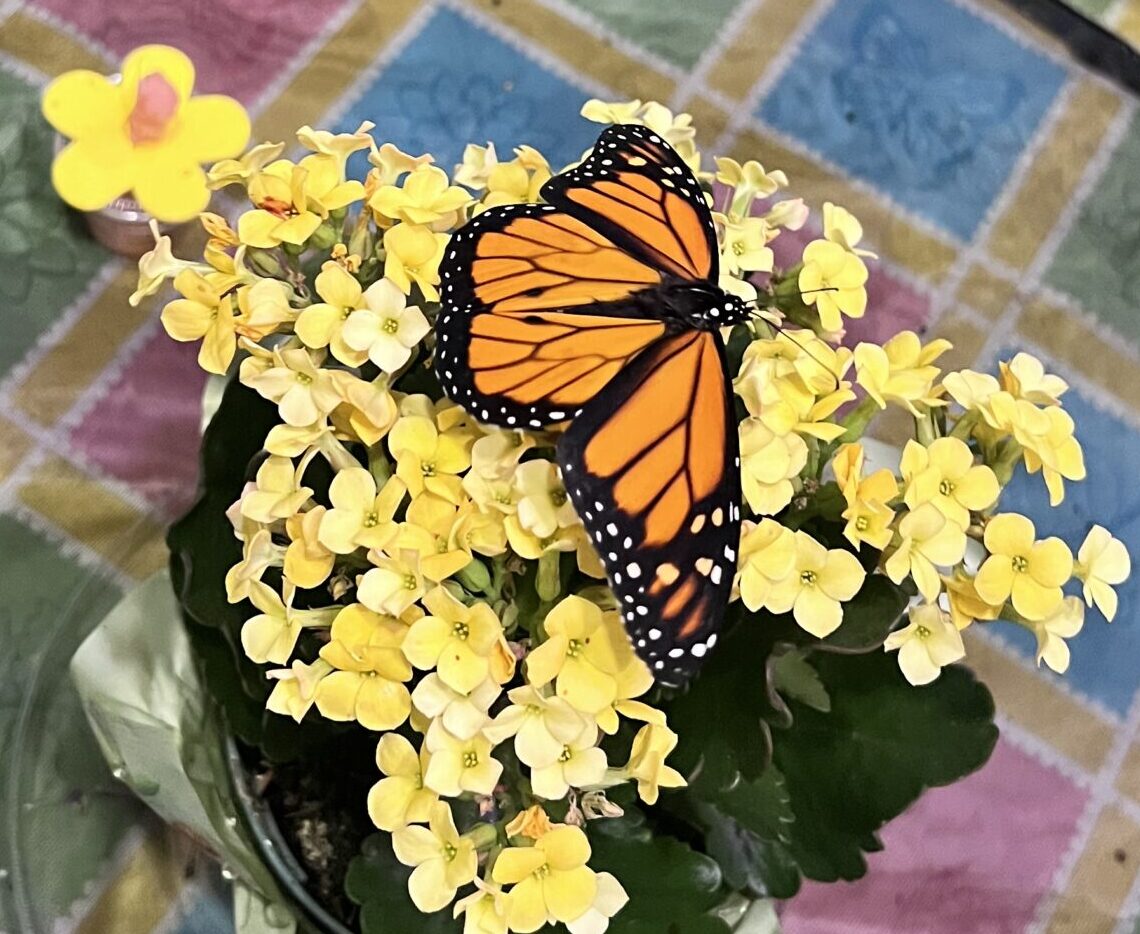
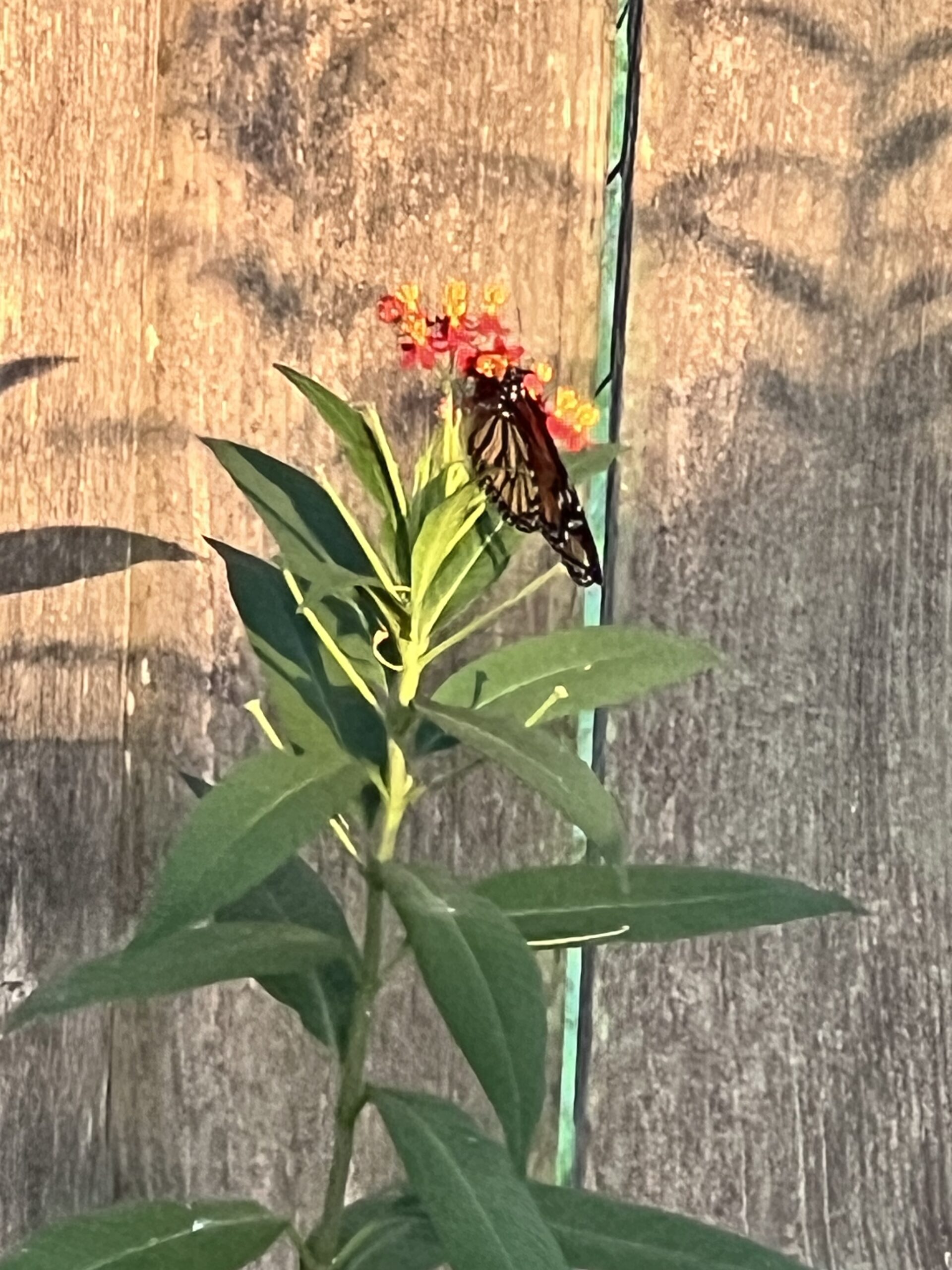
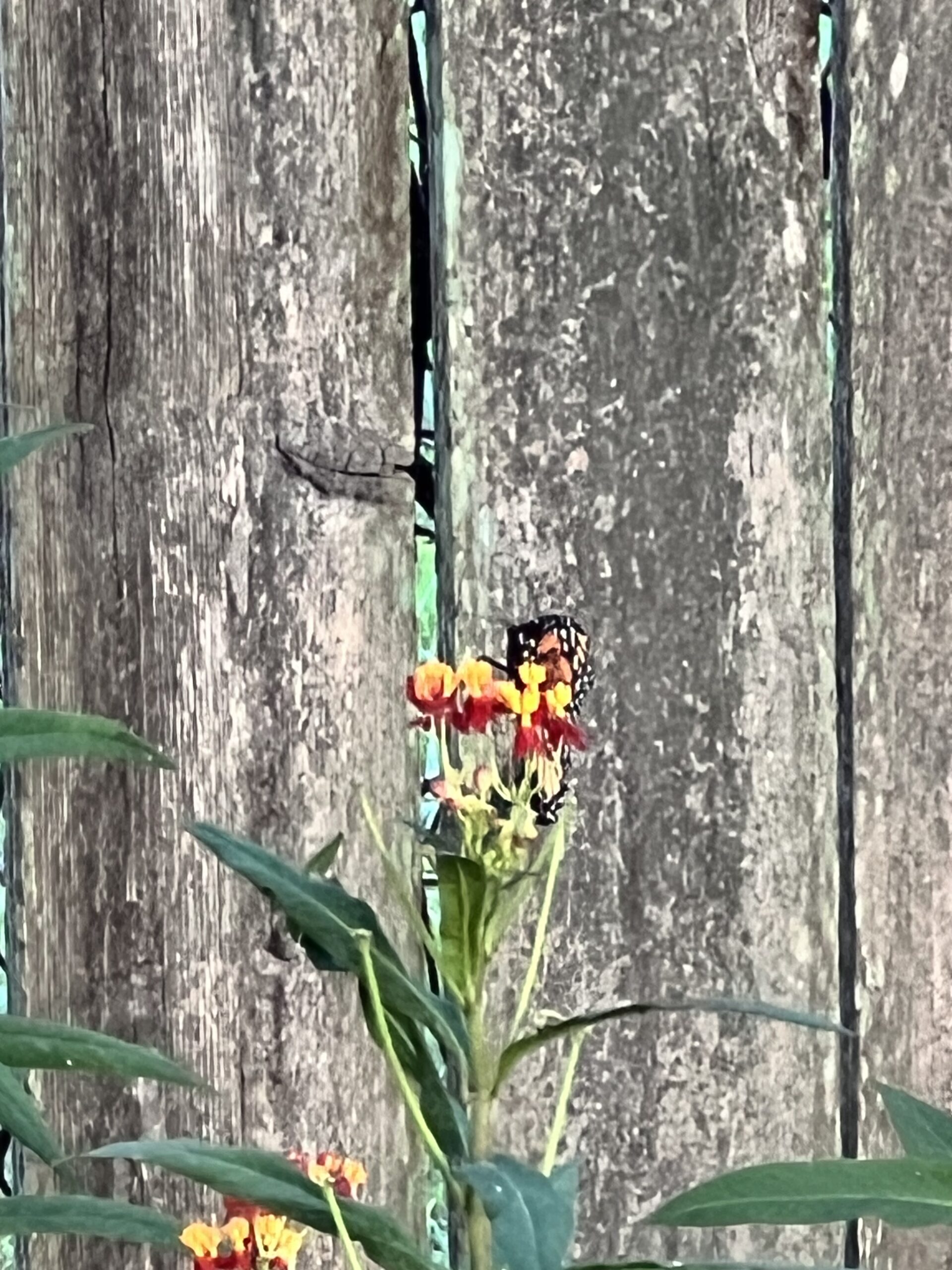
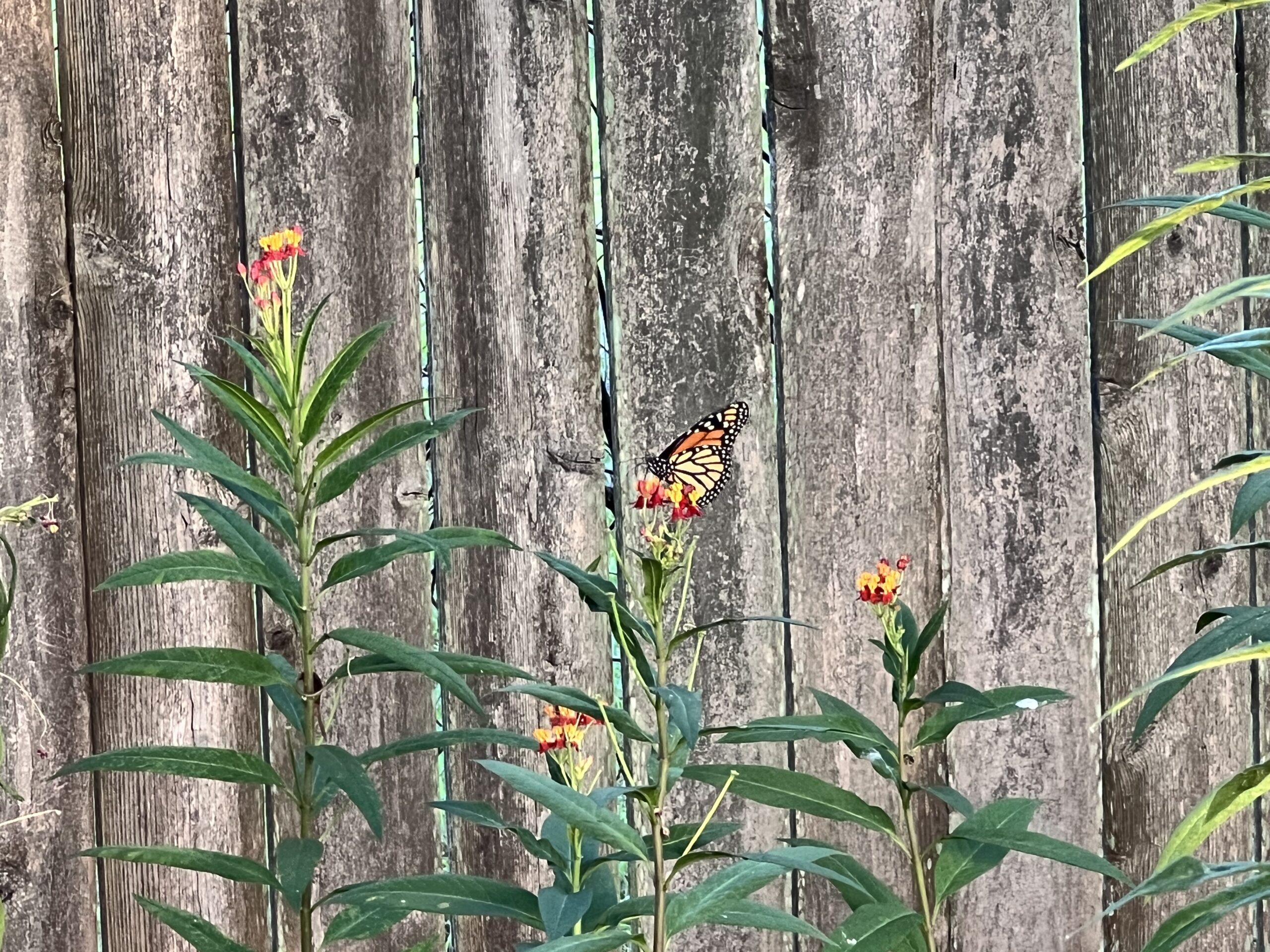
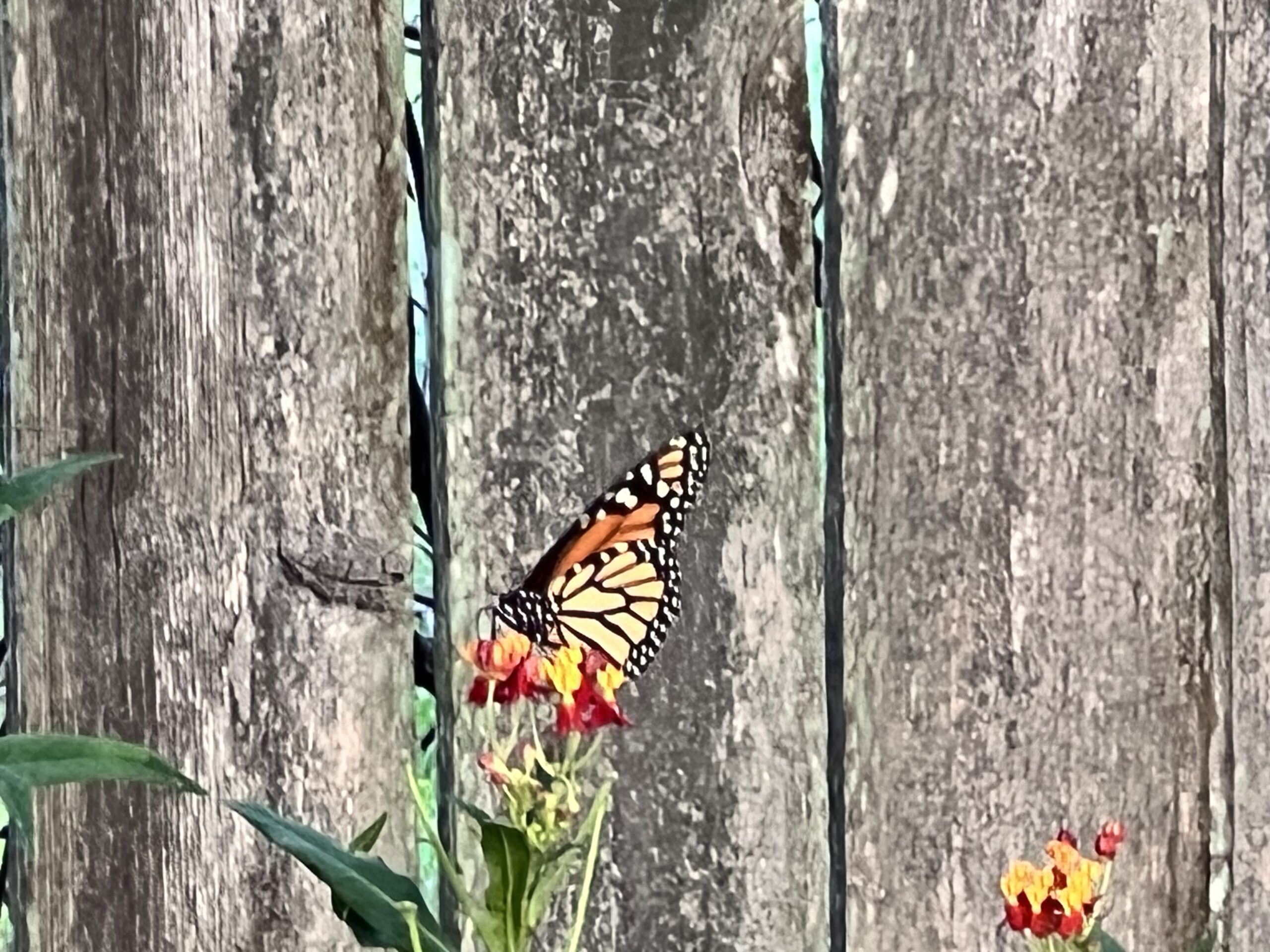
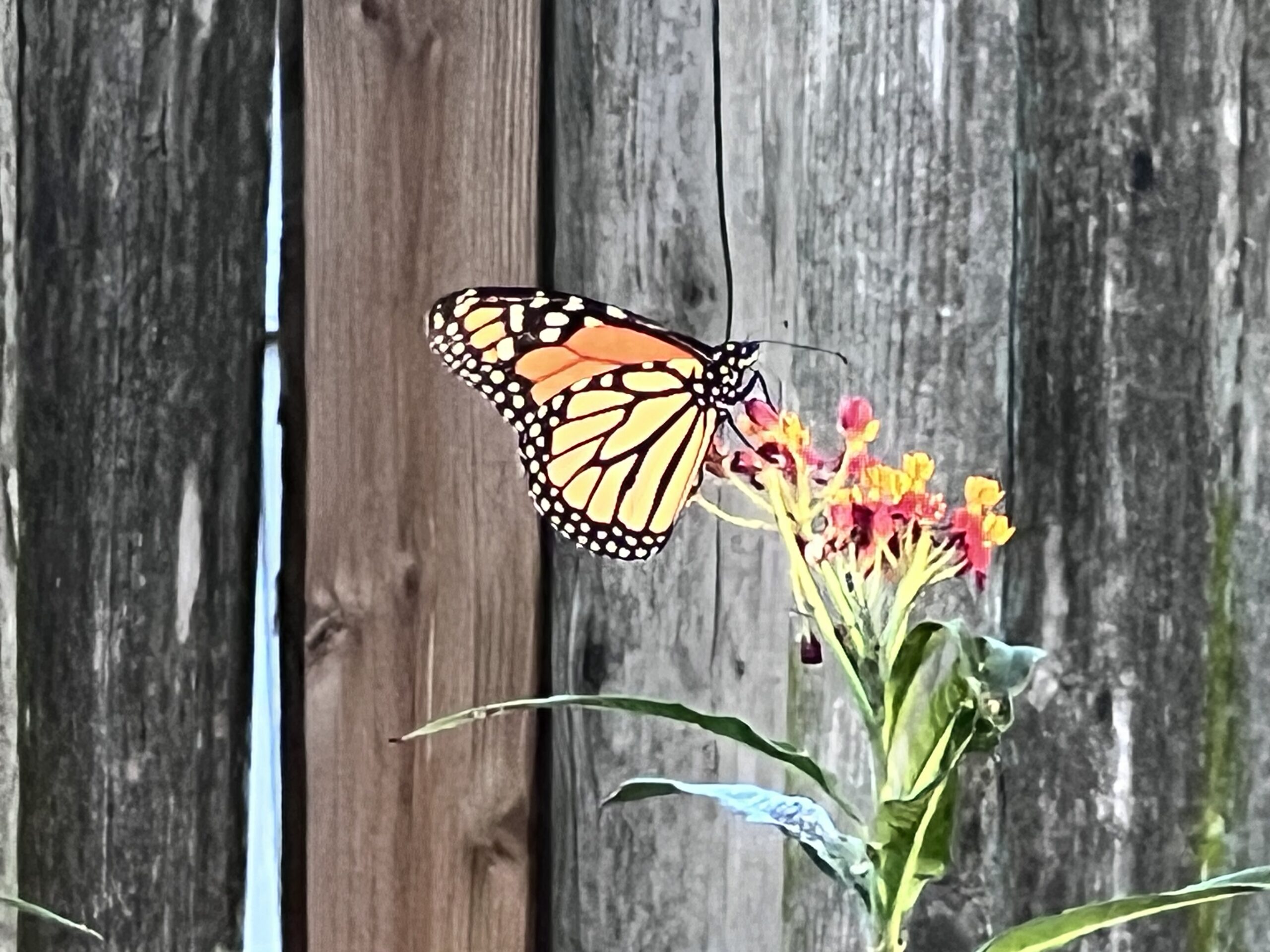
Saturday morning, before the day’s furnace lit, I carried two healthy monarchs out of the habitat and into the garden. They took their time the way the strong ones do — a slow opening and closing of wings, a test of the air, and then up and over the beds, two flashes of orange against a sky that would be white with heat by noon. Two more monarchs added back into nature, released in the cool of the morning exactly when a wrangler should release them. Whatever the week took, it could not take that.
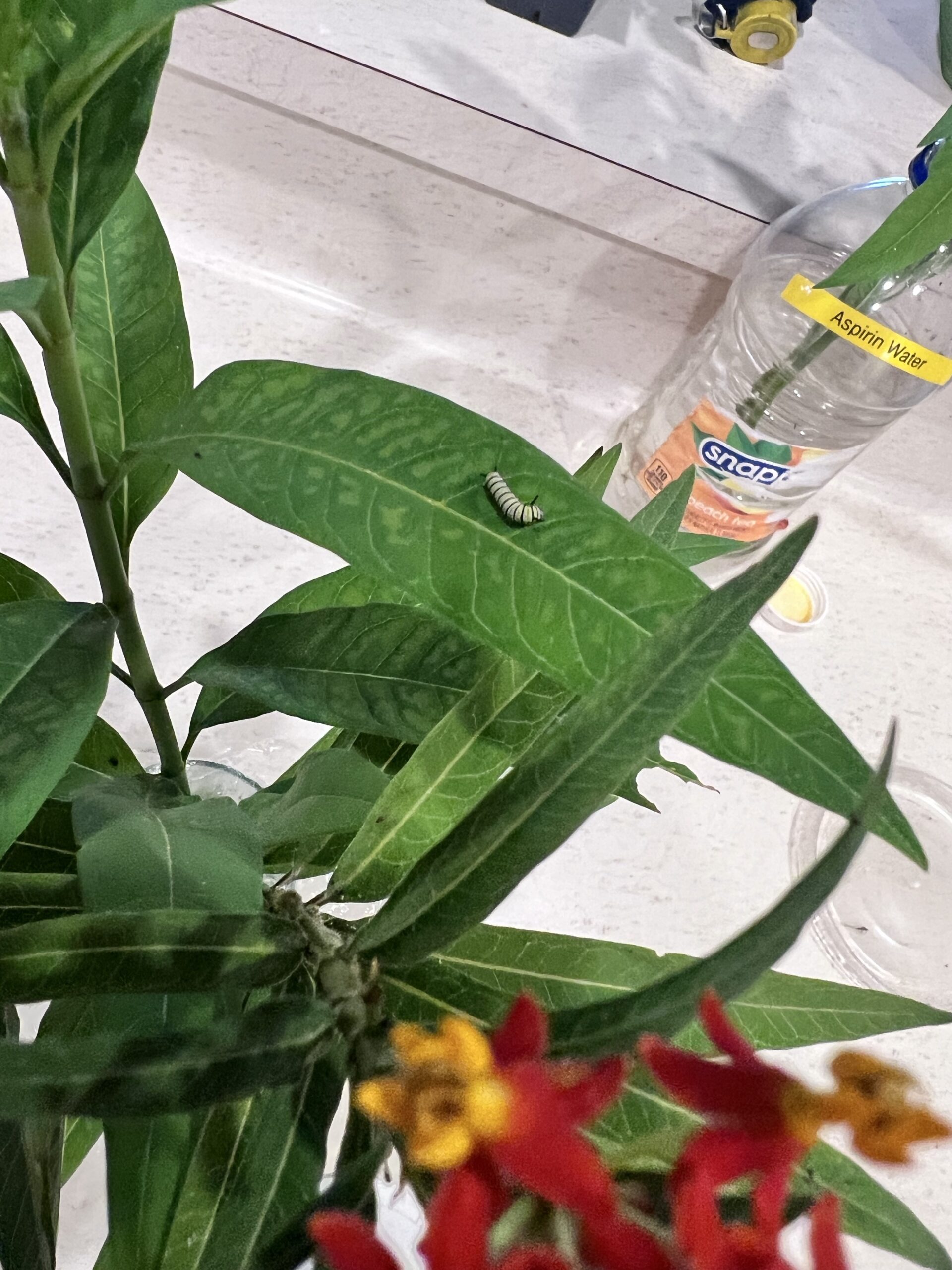
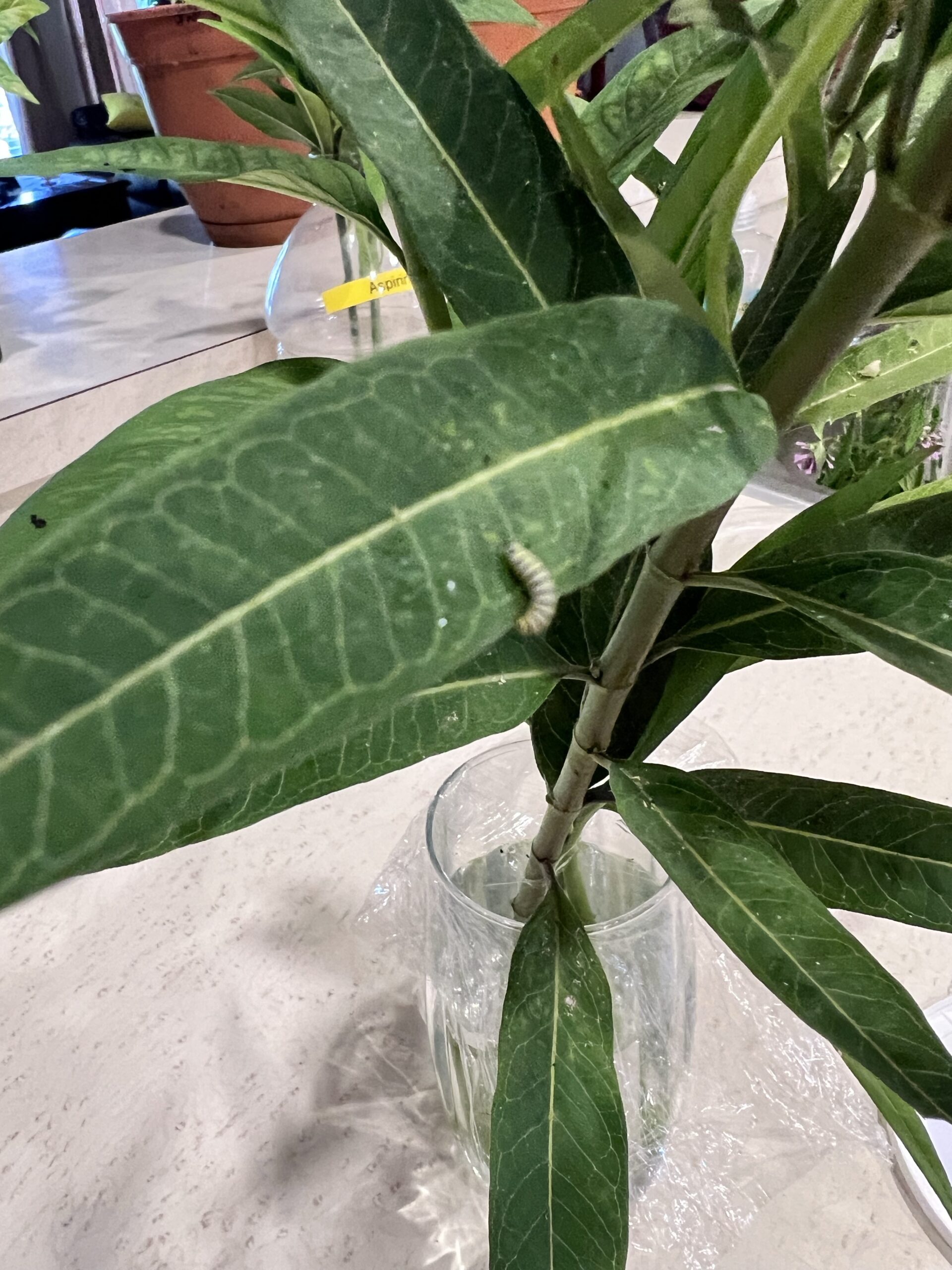
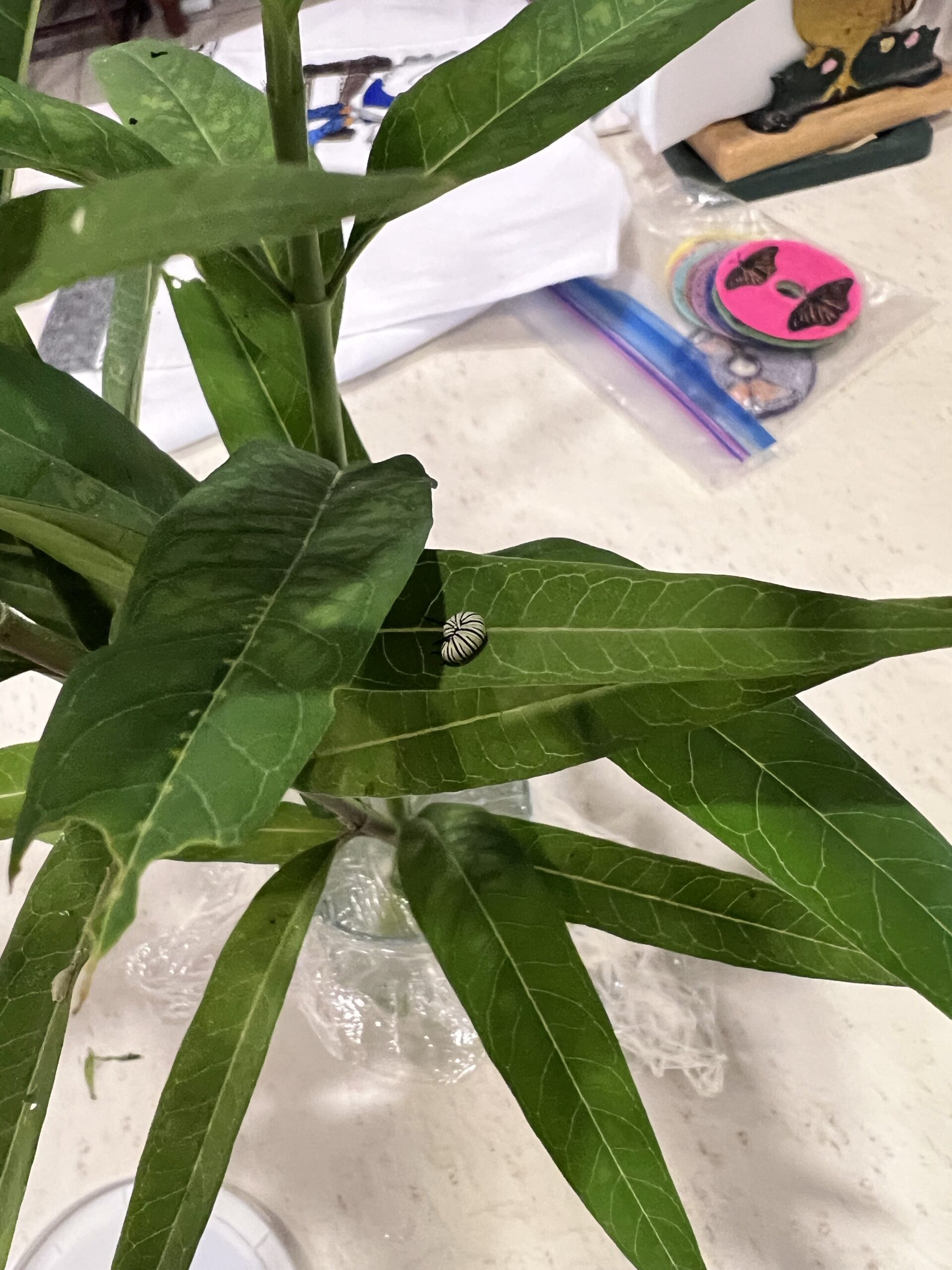
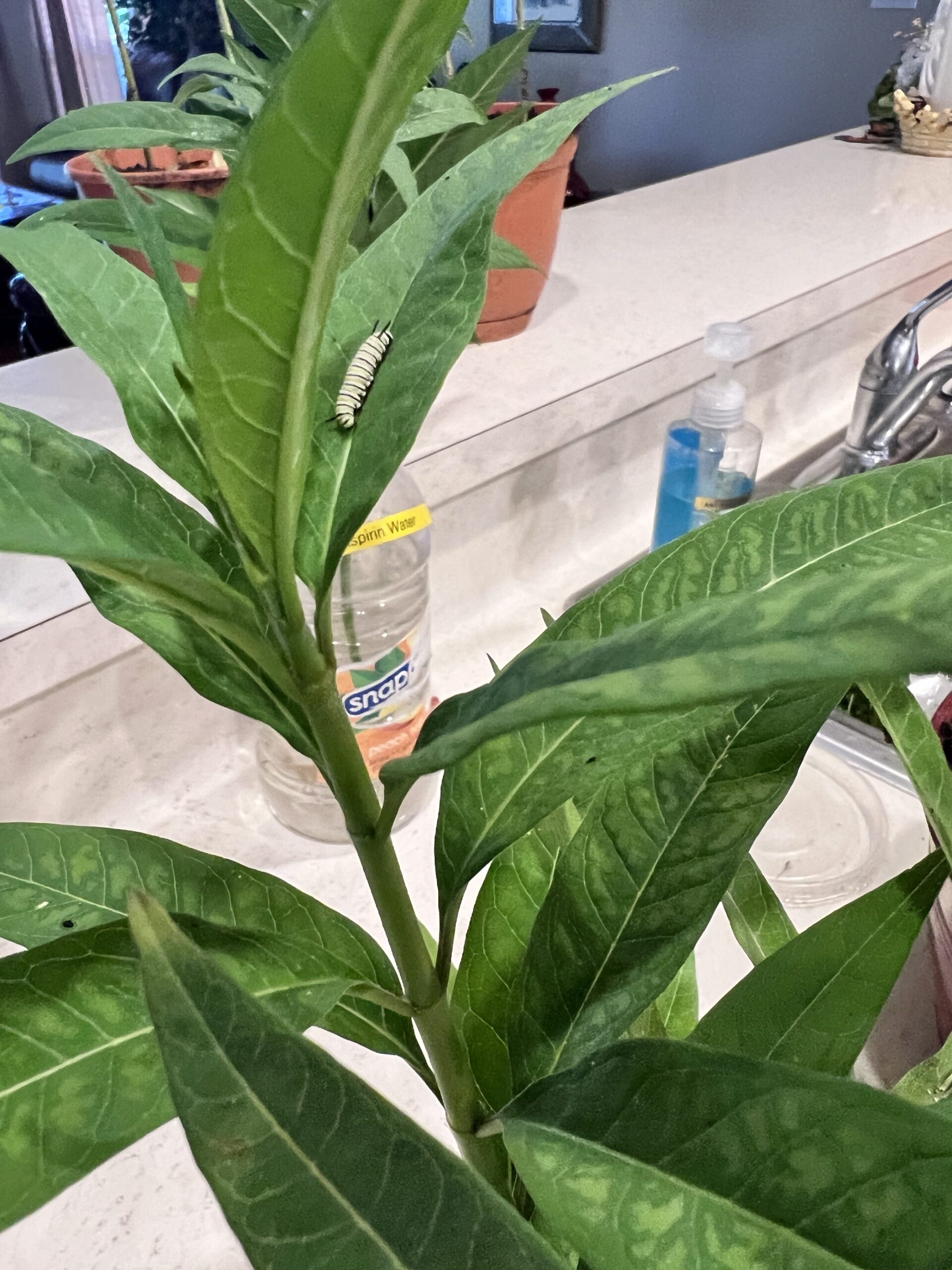
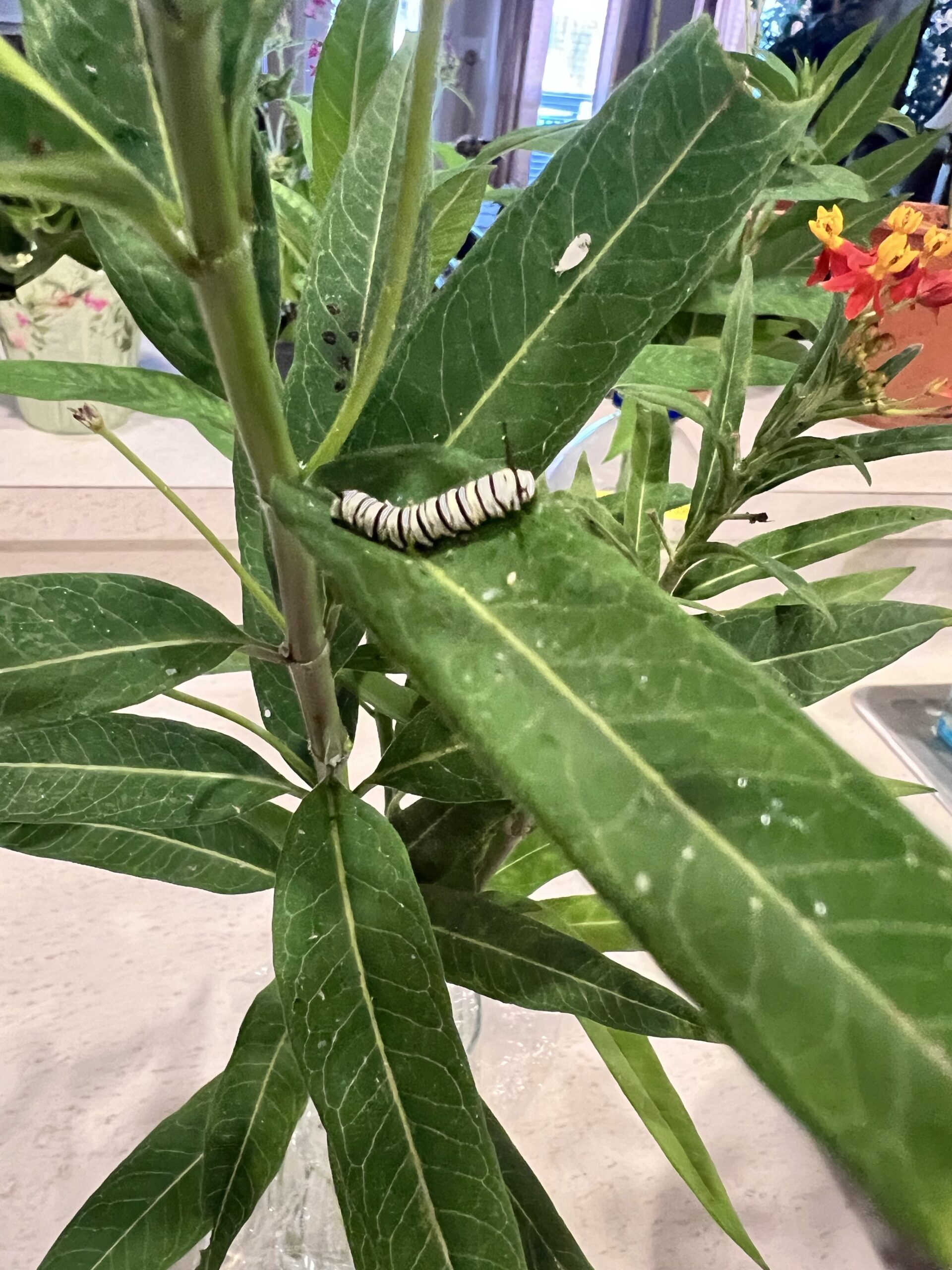
And five caterpillars made it through the worst of it. Those five have been rescued and rehomed onto fresh, healthy potted milkweed where they can finish what they started. Five is not sixteen. Five is not twenty-four. But five monarchs that would not otherwise fly — following two that already did — is the whole reason this ranch exists. Rescue, Raise, and Release doesn’t come with a guarantee; it comes with a commitment. So this week, instead of pretending the season is all jade chrysalises and release mornings, let’s talk about what extreme heat actually does — to caterpillars, to butterflies, and to the plants they both depend on — and what every one of us can do about it, starting with something as simple as water.
What Heat Does to a Caterpillar
A monarch caterpillar is, in many ways, a tiny water balloon with an appetite. It has a large surface area for its size, no way to sweat, and no way to walk to the shade of the next county. It lives on the leaf it’s standing on.
Caterpillars do their best work when temperatures sit in the low-to-mid 80s. In that range, they eat steadily, molt on schedule, and march through their five instars at a healthy pace. But when sustained temperatures push into the mid-90s and beyond, the whole system starts to break down. Development first races, then falters. Feeding slows just when the caterpillar can least afford it. And desiccation — the slow loss of body moisture — becomes a genuine killer. A caterpillar that dries out faster than its food can replenish it simply cannot survive, no matter how much milkweed surrounds it.
Eggs are even more fragile. In extreme heat, eggs can fail before they ever hatch — cooked in place on the underside of a leaf that has itself grown hot to the touch. When I walk the milkweed beds during a stretch like this one, I remind myself that the leaf surface where a female places her egg can run hotter than the air temperature the weatherman reports. The garden thermometer tells one story; the caterpillar’s world tells a harsher one.
What Heat Does to a Butterfly
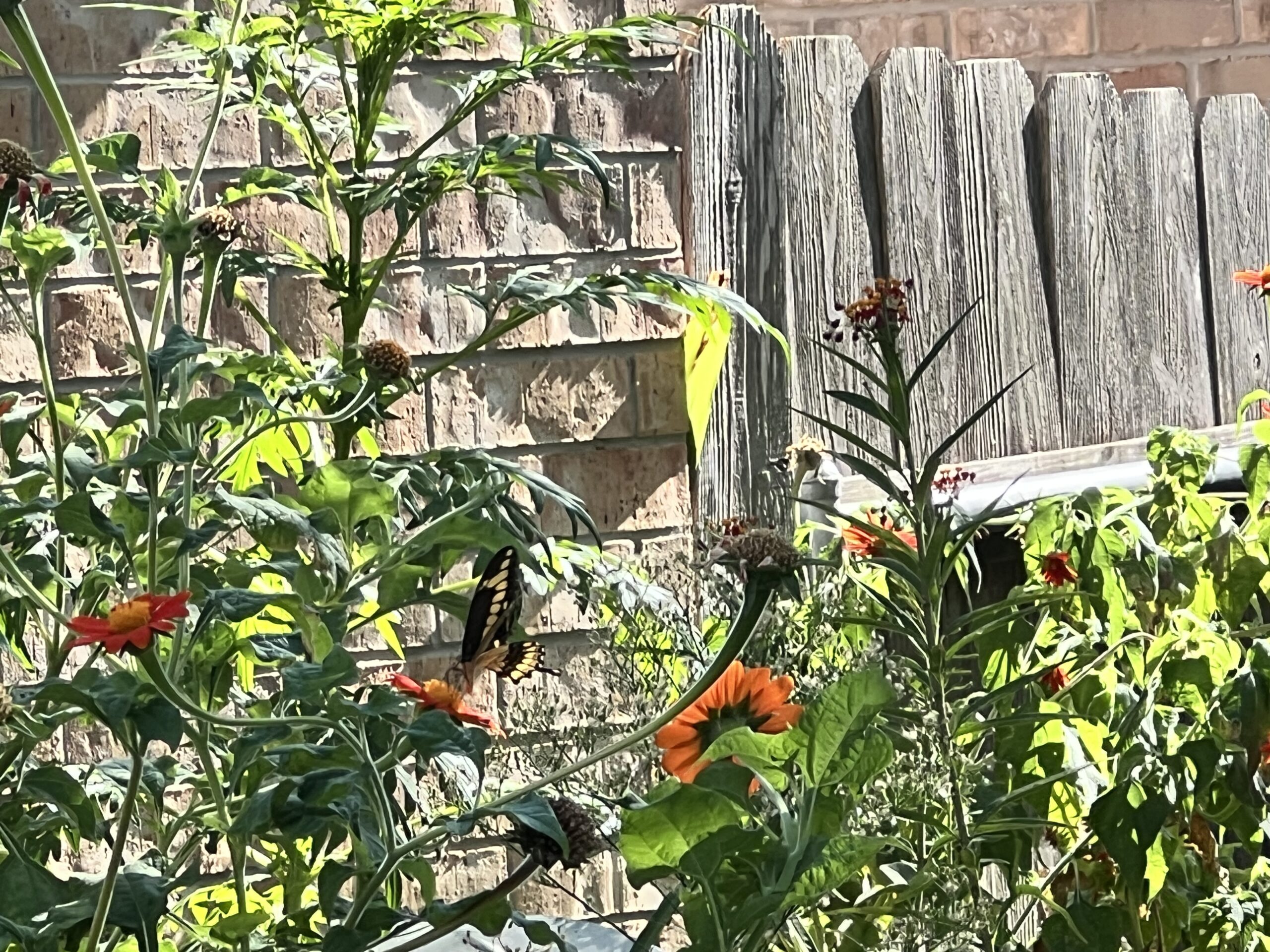
Adult monarchs have more options than their children do. A butterfly can fly to shade, close its wings edge-on to the sun, and ride the cooler air of early morning and evening. Watch your garden during a heat wave and you’ll see it: the monarchs come early, work the blooms while the dew is still burning off, and vanish through the furnace hours of the afternoon, tucked into the shade of shrubs and trees.
That, by the way, is why Saturday’s release happened when it did. In a stretch like this one, release timing stops being a preference and becomes a responsibility. A monarch released into the cool of the morning gets hours to orient, nectar, and find shelter before the heat peaks. A monarch released at two in the afternoon gets none of that. If you’re raising and releasing during a heat wave, give your butterflies the morning — it’s the kindest send-off you can offer.
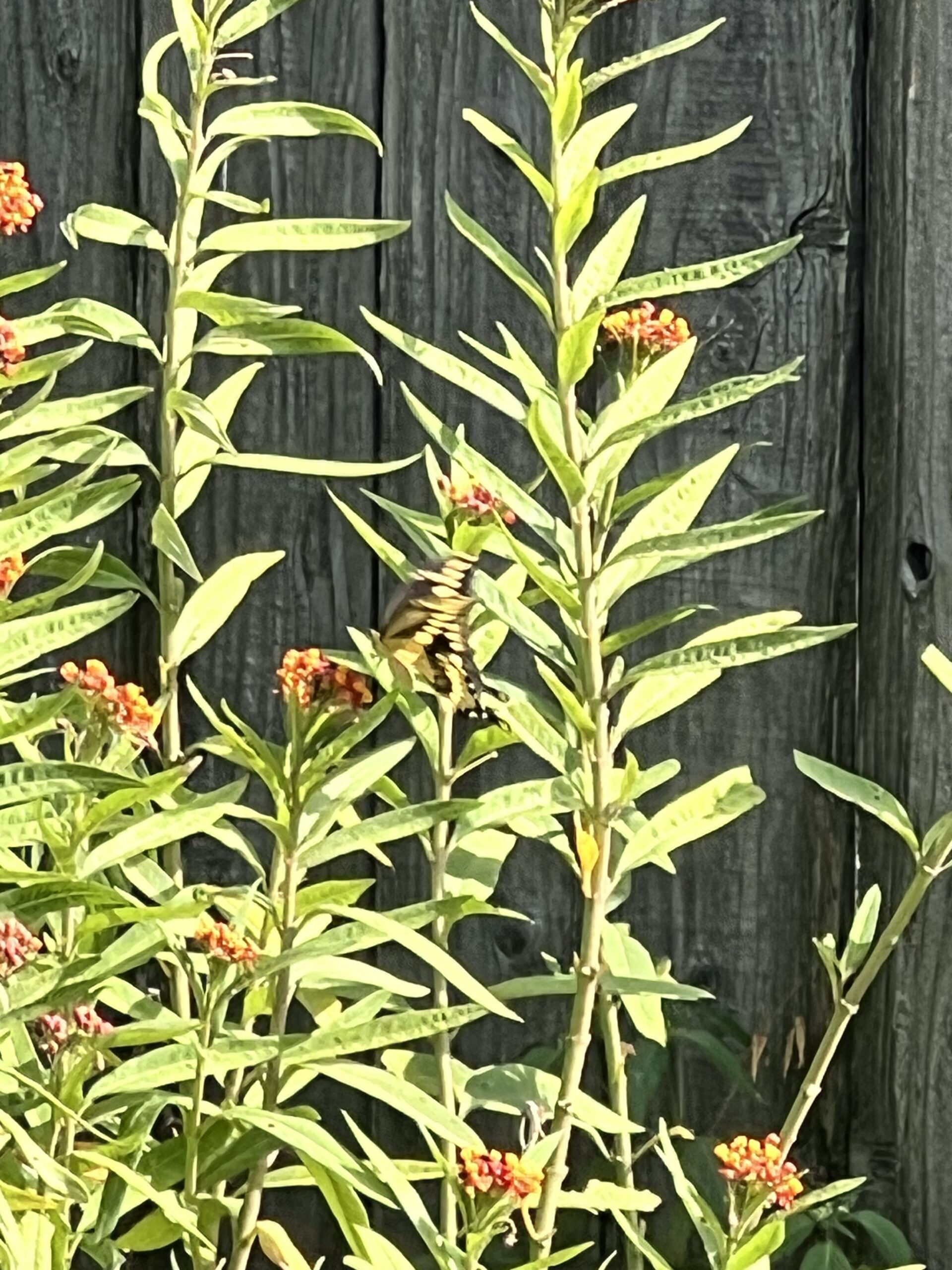
But options are not immunity. Extreme heat drains an adult monarch’s reserves, shortens its life, and — just as important — dries up its fuel supply. Nectar production falls when plants are heat-stressed, so the butterfly works harder for less. A female searching for milkweed soft enough to receive her eggs finds tough, wilted leaves instead. The heat doesn’t have to touch the butterfly directly to defeat her; it can simply empty her pantry.
What Heat Does to the Plants
This is the part of the triangle we wranglers control the most, and think about the least. Milkweed under heat stress changes character. Leaves toughen and curl. The milky latex that gives the plant its name thickens, making young caterpillars’ first meals harder to manage. Growth slows or stalls entirely, so the fresh, tender new leaves that early instars depend on stop appearing. A bed that looks merely “tired” to us may, from a caterpillar’s point of view, have quietly closed its kitchen.
The nectar plants suffer alongside. Zinnias, cosmos, lantana — all of them cut back on nectar when they’re fighting for their own survival. A heat-stressed pollinator garden can be in full bloom and still be running on empty.
Water: The Wrangler’s Best Answer
Which brings me to the reinforcement this week demanded: water, offered every way we can offer it.
The puddler earns its keep in weeks like this. If you’ve visited the ranch pages, you know I keep puddler stations — shallow dishes filled with sand and small stones, kept damp, where butterflies can land safely and drink. Puddling isn’t just about moisture; monarchs and other butterflies draw minerals, especially sodium, from damp sand and soil. In a heat wave, a reliable puddler becomes an oasis. Check yours daily — in this heat, a puddler can bake dry by mid-morning. Refresh it early, and again in the evening if you can. If you don’t have one yet, you can build one in ten minutes: a shallow saucer, clean sand, a few flat stones breaking the surface as landing pads, and water enough to keep the sand wet but never pooled deep.
Water the beds deeply, and water them early. Deep morning watering reaches the roots before the sun steals it, and it keeps milkweed producing the tender growth caterpillars need. Shallow evening sprinkles mostly feed the humidity.
Mist in the morning, not the afternoon. A gentle early misting of the milkweed raises humidity right where the caterpillars live and gives leaves a fighting start on the day. Midday misting on scorched leaves does more harm than good.
Make shade where nature didn’t. A taller nectar plant on the western side of a milkweed cluster, a strategically placed shrub, even a length of shade cloth over the most exposed bed during the worst stretch — every degree you shave off that leaf surface matters.
And check your beds more often, not less. Heat waves are exactly when a small caterpillar in trouble can still be rescued — moved to fresher milkweed, or brought into the shelter of a habitat — if you find it in time. That’s how our five survivors got their second chance.
The Five
As I write this, those five rescued caterpillars are settled onto fresh potted milkweed, eating like the week never happened. Caterpillars don’t grieve their siblings and they don’t dwell on the odds; they simply eat, grow, and get on with the business of becoming. There’s a lesson in that for the wrangler, too.
The heat won a round this week. It didn’t win the season — two orange proofs of that are somewhere over Northwest Louisiana right now. The beds will be watered deep tomorrow morning, the puddlers refreshed before the sun clears the pines, and five small survivors are marching toward jade, following the path two wings just showed them.
How is the heat treating your gardens and your caterpillars this August? Share what’s working — your puddler setups, your shade tricks, your rescue stories — in the comments or tag #MonarchButterflyWrangler. In weeks like this one, we learn from each other.
Flutter and Float with the Monarchs.
Go “Wrangle the Wonders.”